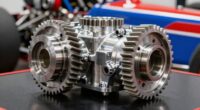
Rust and wear can both damage metal surfaces and appear similar, but they stem from different causes. Rust results from a chemical reaction involving moisture and oxygen, leading to flaky, reddish-brown deposits that weaken the metal over time. Wear, however, is caused by physical friction and abrasion, causing material removal and surface damage. Recognizing these differences helps you take targeted steps to prevent each problem. Keep exploring to understand how to protect your metal assets effectively.

Get business pricing on garage and car supplies
- Business-only prices and quantity discounts
- Tax-exempt purchasing
- Multiple users, one account, clear invoices
Key Takeaways
- Rust is a chemical corrosion process caused by moisture and oxygen, leading to flaky, reddish-brown deposits; wear is physical material loss from friction.
- Rust weakens metal over time, while wear results in surface deformation and thinning due to mechanical contact.
- Rust prevention involves coatings and environmental controls; wear prevention focuses on lubricants and surface treatments.
- Both can cause similar surface deterioration, but their causes—chemical vs. mechanical—are different.
- Recognizing whether damage is rust or wear helps choose effective maintenance and protective strategies.
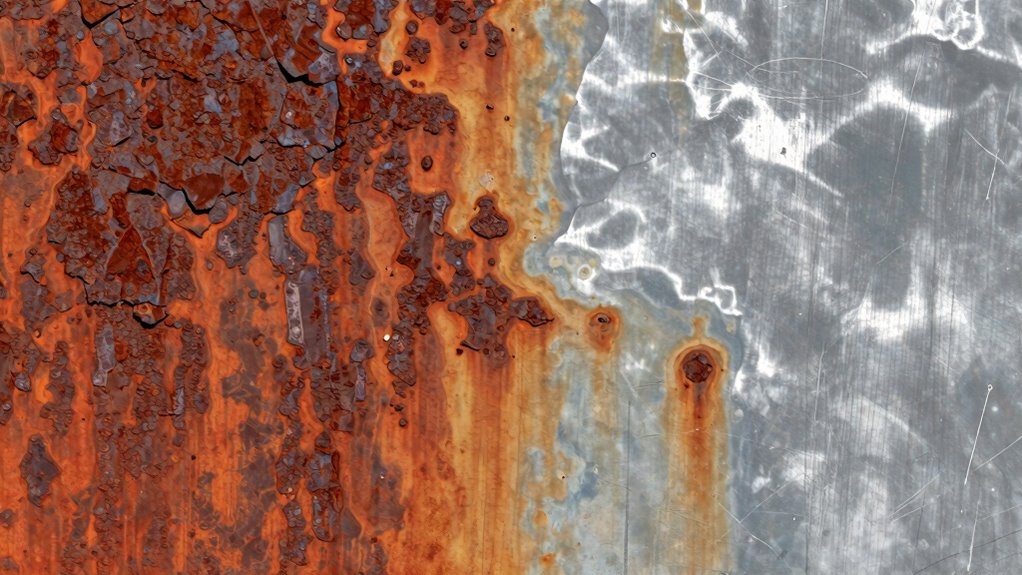
Rust is essentially corrosion that occurs when metal reacts with moisture and oxygen. It’s a chemical process that results in flaky, often reddish-brown deposits on the surface. Rust weakens the metal’s structure over time, making it more prone to breaking or failing. To prevent rust, you need to focus on corrosion prevention strategies. Applying protective coatings like paint, sealants, or specialized rust inhibitors creates a barrier that shields the metal from moisture and oxygen. Keeping metal surfaces dry and storing items in a controlled environment also markedly boosts material durability. Regular inspections and maintenance can catch early signs of rust, allowing you to take action before it causes serious damage. In environments prone to high humidity or salt exposure, more aggressive corrosion prevention measures such as galvanization or anodizing can offer long-term protection. The goal is to maintain the integrity of the metal, ensuring it remains strong and functional for as long as possible. Additionally, understanding the role of environmental factors can help tailor preventive measures more effectively.
Rust is corrosion from moisture and oxygen, weakening metal over time. Prevent with coatings, dry storage, and inspections.
Wear, on the other hand, is a physical process caused by friction, abrasion, or repeated contact. It results in material removal from the surface, leading to thinning, scratches, or other surface deformations. Unlike rust, wear doesn’t involve chemical changes but is driven by mechanical forces. To combat wear, you need to focus on reducing friction and enhancing material durability. Lubricants are your first line of defense—they minimize direct contact between surfaces, decreasing the rate of wear. Selecting materials with high hardness or wear resistance, such as alloys or composites, can also make a big difference. Proper maintenance, including timely replacement of worn parts, prevents excessive deterioration. Design improvements, like smoother surfaces or better load distribution, can further reduce wear. In some cases, applying surface treatments like hard coatings can provide an additional protective layer, extending the life of components exposed to constant friction or abrasive forces.
While rust and wear may seem similar at first glance, their causes and solutions differ markedly. Rust involves chemical reactions that compromise material integrity, whereas wear results from mechanical actions slowly eroding surfaces. Recognizing these differences allows you to implement targeted strategies—corrosion prevention techniques to boost material durability against rust, and proper maintenance and design choices to reduce wear. By doing so, you can better safeguard your investments and ensure they remain functional for years to come.
As an affiliate, we earn on qualifying purchases.
Frequently Asked Questions
Can Rust or Wear Be Completely Prevented With Maintenance?
No, rust and wear can’t be completely prevented with maintenance, but you can substantially reduce their impact. Regularly applying coating applications and using protective strategies like lubricants, sealants, and corrosion-resistant materials help slow down rust and wear. Consistent inspections and prompt repairs also prevent minor issues from worsening. While total prevention isn’t possible, these proactive steps extend your equipment’s lifespan and keep it functioning smoothly longer.
How Do Environmental Factors Influence Rust and Wear Differently?
You might notice how environmental factors unexpectedly affect rust and wear differently. Humidity and salt accelerate corrosion, undermining corrosion resistance and causing material degradation. Conversely, friction and abrasive particles from dirt or debris increase wear, leading to surface loss. So, while moisture worsens rust, physical stress from environmental debris speeds up wear. Protecting your equipment involves understanding these nuances to prevent both corrosion and material degradation effectively.
Are Certain Materials More Resistant to Rust and Wear?
Certain materials are more resistant to rust and wear due to their inherent durability and surface treatments. For example, stainless steel offers high material durability and often includes protective coatings that prevent corrosion. Aluminum and titanium also resist rust well, especially when treated with specific surface treatments. You’ll find that choosing materials with advanced surface treatments markedly extends the lifespan of your items by reducing rust and wear.
What Are the Long-Term Effects of Ignoring Rust or Wear Damage?
Ignoring rust or wear damage can lead to serious consequences. For example, a neglected steel bridge may experience corrosion progression, weakening its structure over time. This material degradation increases the risk of failure, potentially causing accidents or costly repairs. Long-term neglect accelerates deterioration, making it harder and more expensive to fix later. Regular maintenance prevents extensive damage, ensuring safety and extending the lifespan of your structures.
Can Rust or Wear Be Repaired Without Replacing the Entire Component?
Yes, you can often repair rust or wear without replacing the entire component. You should consider surface treatments like sanding, grinding, or applying rust converters to remove rust and restore the surface. Additionally, choosing appropriate materials for repairs can prevent future issues. Proper surface treatment and material selection help extend the lifespan of parts, saving you money and time while maintaining safety and functionality.
metal surface protective coating
As an affiliate, we earn on qualifying purchases.
As an affiliate, we earn on qualifying purchases.
Conclusion
So, next time you notice those surface issues, ask yourself: is it rust or wear? Both can look similar but demand different solutions. Recognizing the difference keeps your equipment in top shape and extends its lifespan. Don’t let confusion lead to improper fixes—take a closer look and act accordingly. After all, understanding what’s really happening beneath the surface could save you time, money, and future headaches. Are you ready to identify the true culprit?
As an affiliate, we earn on qualifying purchases.
As an affiliate, we earn on qualifying purchases.
Fall Picks
fall essentials
As an affiliate, we earn on qualifying purchases.