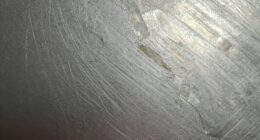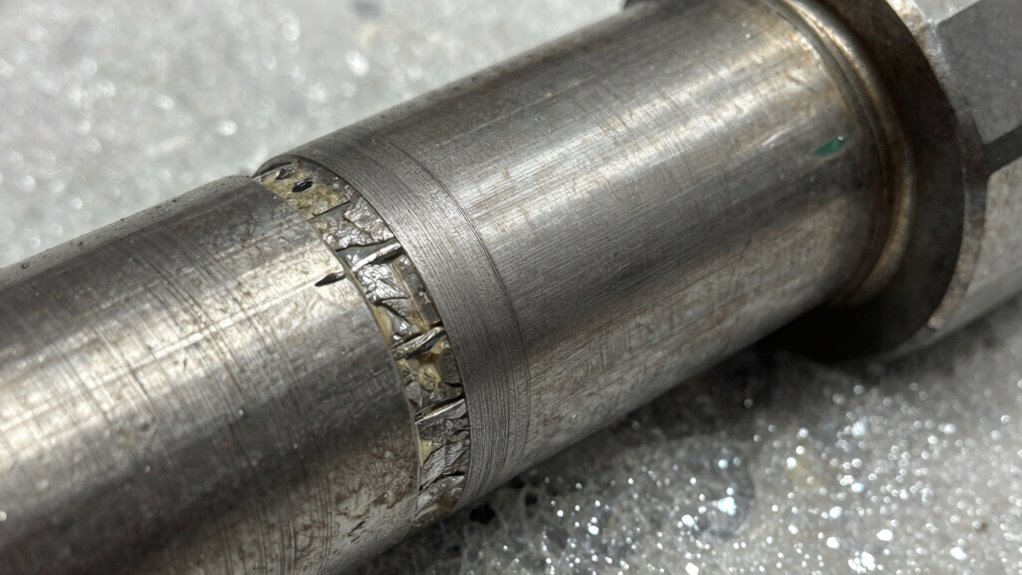

If you notice seal leaks or shaft wear, groove formation is often the culprit. As materials degrade from friction, heat, or poor lubrication, small grooves develop on the shaft surface. These uneven marks prevent seals from fitting properly, increasing the chance of leaks and debris trapping. Over time, this worsens damage and can lead to costly repairs. Stay aware of how grooves form and what you can do to prevent them to keep your equipment running smoothly.
Key Takeaways
- Groove formation on shafts results from material degradation and improper lubrication, impairing seal contact and causing leaks.
- Grooves trap debris, accelerating wear and damaging seals, which leads to oil leaks and contamination ingress.
- Material choice and maintenance practices are critical to prevent groove development and prolong component life.
- Regular inspections help detect early signs of shaft wear and groove formation before severe damage occurs.
- Proper lubrication, alignment, and timely repairs reduce friction, wear, and the risk of seal leaks.
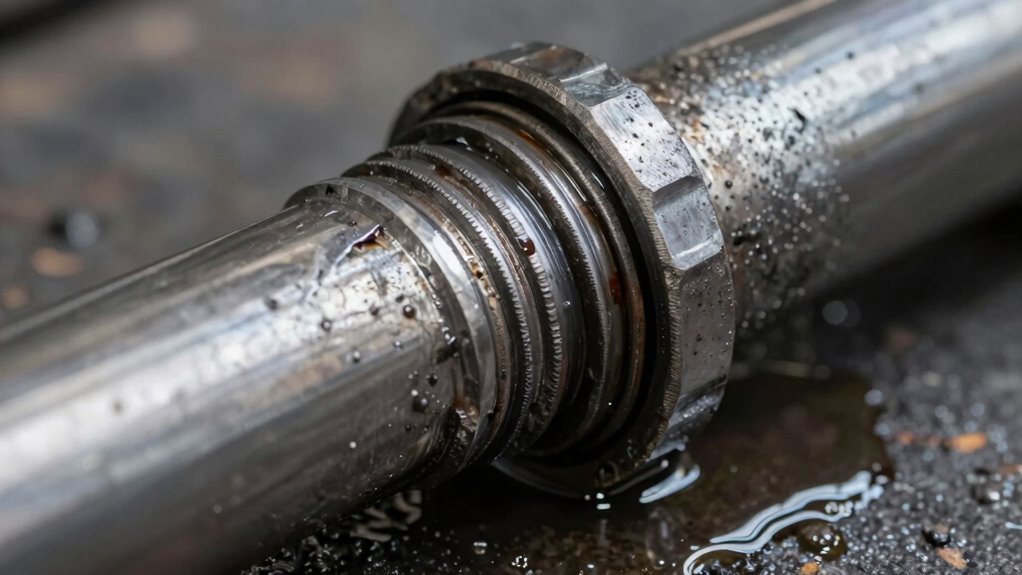
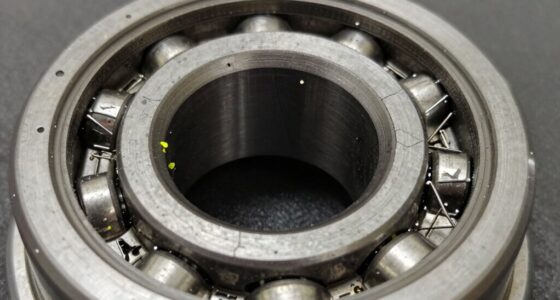
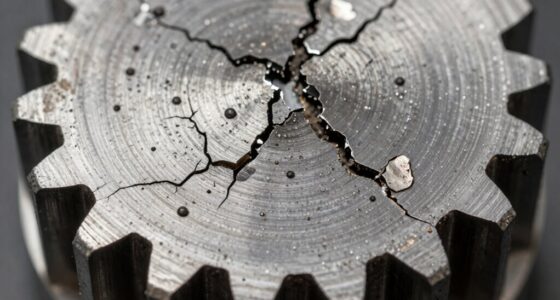
Have you ever noticed oil leaks or strange noises coming from your machinery? If so, you’re likely dealing with some form of shaft wear or seal leak. These issues often stem from material degradation and lubrication failure, which can profoundly impact your equipment’s performance and lifespan. When materials used in seals or shafts degrade over time, they lose their ability to withstand operational stresses, leading to cracks, brittleness, or softening. This degradation accelerates the development of grooves or scoring on the shaft surface, which not only harms the shaft itself but also compromises the seal’s integrity. Lubrication failure plays an essential role here—if your machinery isn’t properly lubricated, friction increases, heat builds up, and the protective film between moving parts diminishes. As a result, metal components rub directly against each other, accelerating wear and creating grooves on the shaft surface. These grooves become traps for dirt, debris, and contaminants, further aggravating the wear process and leading to more severe material degradation. Proper material selection is vital for resisting wear and extending the lifespan of components under operational stresses.
Once grooves form on the shaft, they pose a serious problem for seals. Seals are designed to maintain a tight barrier that prevents oil leaks and keeps contaminants out. However, when grooves develop, they create uneven surfaces that make it impossible for seals to maintain proper contact. This leads to seal leaks, which are often accompanied by visible oil drips or pooling around machinery. When oil leaks occur, it’s an indication that the seal is no longer functioning effectively, often due to groove-induced damage. Ignoring these signs can result in more extensive damage, including increased wear on the shaft and seal, and ultimately, machinery failure.
To prevent this cycle, you need to pay close attention to lubrication practices and material condition. Regular maintenance checks help identify early signs of material degradation and groove formation. Using the right lubricants and ensuring proper lubrication intervals are key to reducing friction and heat buildup, therefore preventing lubrication failure. Additionally, selecting high-quality, durable seal and shaft materials can extend service life and resist degradation. When you detect early signs of groove formation, addressing the issue promptly can prevent costly repairs and downtime. Proper alignment, consistent lubrication, and timely inspections form the foundation of an effective maintenance routine, minimizing the risk of material degradation and lubrication failure that lead to shaft wear and seal leaks. By staying vigilant and proactive, you can keep your machinery running smoothly and avoid the costly consequences of neglected wear issues.

K-Seal ST5501 Multi-Purpose One Step Permanent Coolant Leak Repair, 8oz, Pour and Go, Mixes with All Antifreeze, No Flushing Required
FIX IT FAST: Our multi-purpose solution works in minutes to quickly & permanently seal leaks in the radiator,…
As an affiliate, we earn on qualifying purchases.
As an affiliate, we earn on qualifying purchases.
Frequently Asked Questions
How Can I Prevent Groove Formation on Shafts?
To prevent groove formation on shafts, you should optimize your lubrication practices by ensuring proper, consistent lubrication levels and using the right lubricant type. Additionally, applying a suitable shaft surface treatment, like hardening or coating, can reduce wear. Regular inspections and maintenance help catch early signs of wear, allowing you to address issues before grooves develop, ultimately extending your shaft’s lifespan and maintaining seal integrity.
What Are the Early Signs of Seal Leaks?
Like a silent alarm ringing softly, early seal leaks show themselves through visible fluid spots or a sudden drop in fluid levels. You should watch for unusual seepage, especially around seal material selection areas, and monitor your lubrication management closely. These signs signal your seal’s defenses are compromised, urging you to inspect and address issues promptly before they escalate into more significant damage.
Which Materials Resist Groove Wear Best?
You should choose materials with high durability and wear resistance, like hardened stainless steel or specialty composites, to resist groove wear best. These materials withstand continuous contact and friction, reducing the risk of grooves forming over time. By selecting durable, wear-resistant materials, you guarantee your seals last longer and perform reliably, minimizing maintenance and preventing leaks caused by groove damage.
How Does Temperature Affect Shaft Groove Development?
Like a pot boiling over, high temperatures accelerate shaft groove development. You’ll see thermal expansion cause the metal to enlarge, increasing wear and risking leaks. Over time, this heat also promotes material degradation, weakening the seal’s integrity. To prevent this, you need to monitor operating temperatures carefully and choose materials that can withstand thermal cycling, minimizing groove formation and extending the seal’s lifespan.
Are There Advanced Seal Designs to Avoid Leaks?
Yes, advanced seal designs help prevent leaks by improving seal material compatibility and incorporating groove detection techniques. You can opt for seals with enhanced materials that resist wear and temperature variations, reducing groove formation. Additionally, groove detection techniques enable early identification of wear, allowing timely maintenance. These innovations work together to improve sealing performance, minimize leaks, and extend the lifespan of your seals and shafts.
Hateenru Golf Grip Tape Removal Tool Kits, 12" V-Groove Grip Remover Saver Tool, Tape Stripper Remover & Hook Blade, Perfect for Regripping Graphite and Golf Club Steel Shafts Grip Repair
Quick & Safe Golf Grip Removal Tool: 12" V-Groove remover with T-Handle effortlessly strips old tape from graphite…
As an affiliate, we earn on qualifying purchases.
As an affiliate, we earn on qualifying purchases.
Conclusion
Understanding shaft wear and seal leaks is vital to preventing costly machinery failures. Did you know that over 60% of seal failures are caused by improper shaft surface conditions? By regularly inspecting and maintaining your shafts, you can greatly reduce leaks and extend equipment lifespan. Don’t overlook these issues—addressing groove problems early can save you time, money, and downtime. Stay proactive with your maintenance to keep everything running smoothly and avoid unexpected breakdowns.

YOKIVE 5 Pcs UN Radial Shaft Seals, Industry PU Oil Seals for Hydraulic Cylinders (Blue, 30-mm ID x 42-mm OD 7-mm Width)
√ MULTIPURPOSE – Our oil seals are great for industry, and workshops, suitable for industrial hydraulic cylinders, cylinders,…
As an affiliate, we earn on qualifying purchases.
As an affiliate, we earn on qualifying purchases.

NEIKO 20736A (6) Piece Set, Magnetic Tool & Telescoping Mirror Set, Adjustable Telescoping Magnetic Pickup Tool, Flashlight 15lb Retriever Tool, 360 Swivel, Magnet Mirror, Magnetic Tools for Mechanic
EXTENDABLE MAGNET PICKUP TOOL: Various Expandable lengths, up to nearly 3 feet! Strong magnet to sweep and be…
As an affiliate, we earn on qualifying purchases.
As an affiliate, we earn on qualifying purchases.