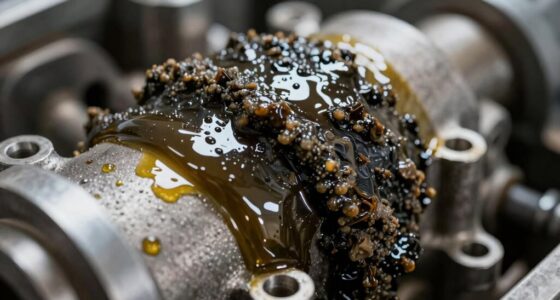

Understanding elastomer swell is key to preventing leaks, but it’s more complex than just avoiding swelling. Swelling can compromise seal surfaces, leading to leaks if materials aren’t compatible with system chemicals or temperature conditions. Proper material selection helps control swelling and maintains seal integrity. Environmental factors like temperature, UV, and moisture also influence seal performance. To keep your system secure, it’s essential to contemplate how swelling interacts with these variables—and you’ll discover strategies that make a real difference as you explore further.

Get business pricing on garage and car supplies
- Business-only prices and quantity discounts
- Tax-exempt purchasing
- Multiple users, one account, clear invoices
Key Takeaways
- Elastomer swelling can temporarily improve sealing but may lead to long-term deterioration and leaks if excessive.
- Proper material compatibility minimizes swelling-induced seal failure and ensures sustained leak prevention.
- Environmental factors like temperature and chemicals influence swelling behavior, affecting leak risks over time.
- Swelling does not guarantee leak prevention; over-swelling or degradation can cause seal failure and leaks.
- Understanding specific elastomer-fluid interactions is essential for designing seals that balance swelling and leak prevention.
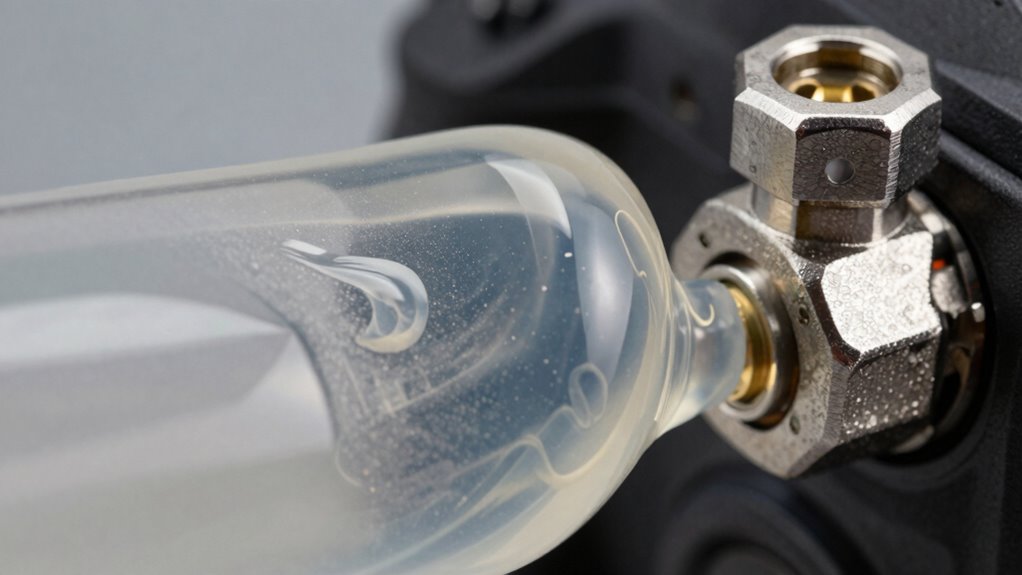
Understanding how elastomers behave is fundamental when it comes to preventing leaks in sealing systems. One of the key factors to consider is material compatibility. Not all elastomers respond the same way to chemicals, temperature changes, or other substances they encounter during operation. If you select an elastomer that isn’t compatible with the fluid or gas in your system, it can lead to swelling, degradation, or hardening, all of which compromise the seal’s integrity. For instance, certain polymers like Viton or EPDM are better suited for aggressive chemicals, while others like silicone excel in high-temperature environments. By matching the right elastomer to your application’s specific material compatibility needs, you minimize the risk of unexpected swelling or deterioration that could cause leaks. Additionally, understanding the behavior of elastomer swelling under various operational conditions helps in designing seals that perform reliably over time. Environmental factors further complicate how elastomers perform. Temperature fluctuations, exposure to ozone, UV radiation, and moisture all influence the behavior of sealing materials. Elevated temperatures, for example, can accelerate chemical reactions within the elastomer, leading to swelling or softening. Conversely, cold conditions might cause the material to become brittle and crack, creating potential leak paths. UV radiation and ozone exposure can degrade the elastomer’s surface, weakening its barrier properties and making it more susceptible to leaks. Moisture or water exposure can also cause swelling or swell-related issues, especially if the elastomer material absorbs water over time. Understanding these environmental influences helps you select elastomers that will retain their sealing properties under operational conditions, preventing leaks caused by environmental deterioration.
Viton elastomer chemical resistant seals
As an affiliate, we earn on qualifying purchases.
As an affiliate, we earn on qualifying purchases.
Frequently Asked Questions
How Does Temperature Affect Elastomer Swell and Leak Prevention?
Temperature impacts elastomer swell and leak prevention by causing thermal expansion and viscosity changes. As temperatures rise, elastomers expand, potentially increasing swell, which can compromise seals. Higher temperatures lower the viscosity of fluids, making leaks more likely if seals aren’t properly designed for thermal variations. You should consider these factors when selecting elastomers, ensuring they maintain their integrity and sealing performance across the expected temperature range.
Are There Specific Elastomers Best Suited for Chemical Resistance?
Like a knight choosing armor, you select elastomers with superior chemical resistance. For best Elastomer Compatibility, consider Viton, Teflon, or Kalrez, as they excel against aggressive chemicals and harsh environments. These chemical resistance elastomers stand out for their durability, ensuring your sealing solutions resist swelling, degradation, or leaks. By choosing these specialized materials, you protect your systems and maintain integrity under the most demanding chemical conditions.
Can Elastomer Swell Cause Long-Term Material Degradation?
Yes, elastomer swell can cause long-term material degradation. When swelling occurs repeatedly, it accelerates elastomer aging and weakens the material’s structure. Over time, swell cycle effects lead to cracks, loss of elasticity, and eventual failure. To prevent this, you should monitor swelling behavior and select elastomers resistant to such cycles, ensuring durability and maintaining sealing performance in demanding environments.
What Are the Industry Standards for Elastomer Leak Prevention?
Imagine a tight seal wrapping around your equipment like a protective glove. Industry standards for elastomer leak prevention demand strict standards compliance and rigorous testing procedures. You guarantee safety and reliability by following certifications such as API, ASTM, or ISO. These standards set benchmarks for material performance, pressure, and temperature resistance, guiding you to select elastomers that effectively prevent leaks while accommodating various operational environments.
How Do Elastomer Properties Vary Across Different Applications?
You’ll notice elastomer properties vary based on composition and application. Different elastomer compositions offer specific characteristics like chemical resistance, temperature tolerance, and durability. Application-specific elasticity guarantees the material performs at its best in sealing, vibration damping, or flexibility needs. By selecting elastomers tailored to your application’s demands, you ensure reliable performance, minimize leaks, and improve longevity, making the right choice essential for your sealing and containment solutions.
As an affiliate, we earn on qualifying purchases.
Conclusion
Ultimately, understanding elastomer swell versus leak prevention is like maneuvering a delicate dance on a tightrope. You hold the balance between protection and flexibility, recognizing that each decision shapes the future of your system. Like a lighthouse guiding ships through fog, your choices illuminate the path to reliability. Embrace this nuanced dance, knowing that mastery transforms potential pitfalls into steady ground, where your knowledge acts as the steadfast beacon in an unpredictable ocean.
As an affiliate, we earn on qualifying purchases.
elastomer swell prevention seals
As an affiliate, we earn on qualifying purchases.
As an affiliate, we earn on qualifying purchases.
Fall Picks
fall essentials
As an affiliate, we earn on qualifying purchases.