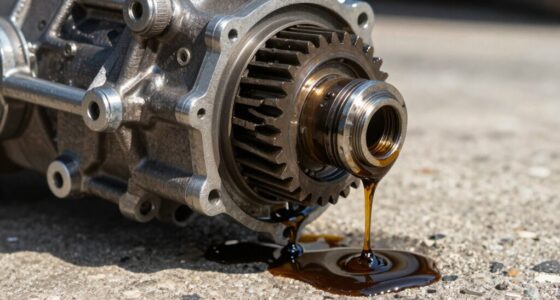

Misunderstanding gear oil terms can lead you to make costly mistakes, like selecting the wrong viscosity or ignoring essential additives. If you don’t recognize labels like “EP” or “long-life,” you risk gear damage, increased wear, and costly downtime. Using the right terminology guarantees proper maintenance and equipment protection. Keep in mind, understanding these words can save you money and extend your gear’s life—just continue to explore what these terms really mean.
Key Takeaways
- Misunderstanding viscosity ratings like SAE and API standards can lead to inappropriate oil selection and gear damage.
- Confusing “long-life” or “extended drain” claims with actual maintenance schedules risks equipment failure.
- Overlooking additive labels such as “EP” or “anti-wear” may result in using inadequate oils for heavy-duty conditions.
- Ignoring the importance of correct terminology can cause delayed oil changes and increased gear wear.
- Failing to differentiate between multigrade and single-grade oils hampers proper lubrication and reduces gear lifespan.
Have you ever been confused by the terminology used when discussing gear oil? If so, you’re not alone. Many people stumble over the complex language that surrounds gear lubrication, which can lead to misunderstandings and poor decisions. Understanding the key terms is indispensable, especially when it comes to following lubrication standards and maintaining proper schedules. Misinterpreting these phrases could result in using the wrong type of oil, neglecting timely changes, or overlooking critical specifications, all of which compromise equipment performance and longevity.
One of the most common pitfalls is confusing the different viscosity ratings and what they imply. For example, terms like SAE 75W-90 or API GL-4 might seem straightforward, but without a clear understanding, you might select an oil that doesn’t meet the lubrication standards for your gear system. Viscosity determines how well the oil flows at various temperatures, affecting how effectively it creates a protective film between gear teeth. If you choose an oil with inappropriate viscosity, it could lead to increased wear or overheating. That’s why knowing the difference between multigrade oils and single-grade oils, and how they fit into your maintenance schedules, is crucial. Proper lubrication standards guide you to select oils that provide ideal protection under specific operating conditions.
Maintaining an accurate schedule for oil changes is equally essential. Gear oils degrade over time, losing their lubricating properties and risking damage if not replaced on time. However, confusion about terminology can cause delays—some might think they can extend oil change intervals because the label says “long-life” or “extended drain,” but these claims should be cross-checked against manufacturer recommendations and lubrication standards. Without understanding these terms, you might underestimate the importance of adhering to scheduled maintenance, which can lead to costly repairs or downtime.
Furthermore, many people misunderstand the significance of additives in gear oils. Terms like “EP” (extreme pressure) or “anti-wear” additives are often misinterpreted as optional enhancements rather than essential features. Recognizing these terms helps you appreciate their role in protecting gears under heavy loads or high temperatures. This knowledge allows you to choose the right oil for your specific application and ensures your maintenance schedules are aligned with the gear oil’s capabilities. Knowing the importance of additives ensures you select the most effective lubrication for demanding conditions.

Vintage Green Gear Oil 140 GL1 (Non EP), 1 Liter
Vintage vehicle transmission systems
As an affiliate, we earn on qualifying purchases.
As an affiliate, we earn on qualifying purchases.
Frequently Asked Questions
How Can I Identify Confusing Gear Oil Terms in Product Labels?
To identify confusing gear oil terms on product labels, look for technical jargon that isn’t clearly explained. Prioritize labels with straightforward language and clear specifications, like viscosity ratings (e.g., 75W-90) and service classifications. Avoid labels packed with ambiguous terms or industry slang without definitions. Good labeling clarity helps you understand the oil’s purpose and compatibility, reducing the risk of making bad decisions based on misunderstood terminology.
Are There Specific Brands Known for Clearer Gear Oil Terminology?
You won’t believe how some brands make clarity seem like an impossible dream, but others shine through with label transparency. Look for brands renowned for straightforward gear oil terminology and clear, detailed labels—these help you avoid costly mistakes. Brands like Red Line and Royal Purple often prioritize brand clarity, making it easier to understand product specs. Choosing these guarantees you’re not caught in confusing jargon, keeping your gear well-lubricated and your decisions smart.
What Are Common Mistakes Caused by Misunderstood Gear Oil Vocabulary?
Misinterpreting gear oil terminology can lead to serious misinterpretation risks, like choosing the wrong oil grade or type. When you misuse terminology, you might assume an oil is suitable for high-performance or heavy-duty applications, but it isn’t. This misjudgment can cause equipment damage, reduce efficiency, or void warranties. To avoid these mistakes, always double-check the exact meaning of terms and consult manufacturer guidelines before making a selection.
How Does Incorrect Gear Oil Terminology Impact Machinery Performance?
Incorrect gear oil terminology can seriously impact your machinery’s performance. Misinterpretation risks lead you to choose the wrong oil type or viscosity, causing inadequate lubrication. This results in increased wear, overheating, and potential breakdowns. Maintenance errors become more likely when you misunderstand gear oil terms, ultimately reducing equipment lifespan and efficiency. To avoid these issues, make certain you clearly understand gear oil vocabulary and follow manufacturer specifications precisely.
Can Training Improve Understanding of Complex Gear Oil Vocabulary?
Did you know that proper training can improve vocabulary comprehension by up to 50%? Yes, training considerably enhances your understanding of complex gear oil vocabulary. It boosts training effectiveness, making you more confident in selecting and maintaining gear oils. By investing in targeted education, you reduce costly mistakes, ensure machinery runs smoothly, and make better-informed decisions. So, yes, training truly makes a difference in mastering gear oil terminology.

Lucas Oil 10046 SAE 80W-90 Heavy Duty Gear Oil – 1 Gallon
Contains extraordinary anti-wear and lubricity agents, ensuring exceptional protection against wear and reducing drag
As an affiliate, we earn on qualifying purchases.
As an affiliate, we earn on qualifying purchases.
Conclusion
Understanding gear oil terminology can feel like walking through a maze—easy to get lost if you don’t know the way. By understanding key terms and avoiding common traps, you’ll make smarter decisions and keep your gears running smoothly. Don’t let confusing language be a roadblock; instead, see it as a map guiding you to better maintenance. Stay informed, ask questions, and keep your knowledge sharp—because clear communication is the key to long-lasting performance.
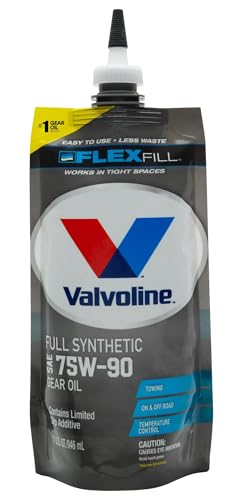
Valvoline FlexFill Advanced Full Synthetic Full Synthetic 75W-90 Gear Oil 1 QT FlexFill
FlexFill squeezable pouch releases 2X more fluid with less effort for 3X faster filling vs. traditional bottle packaging
As an affiliate, we earn on qualifying purchases.
As an affiliate, we earn on qualifying purchases.

MISHON Full Service Engine Oil Change Kit 10W-40 for Honda Rancher 420 TRX420FPM (2011-2013)
Compatible with Honda FourTrax Rancher 420: 2011-2013, FourTrax Rancher 420 EPS: 2011-2013
As an affiliate, we earn on qualifying purchases.
As an affiliate, we earn on qualifying purchases.