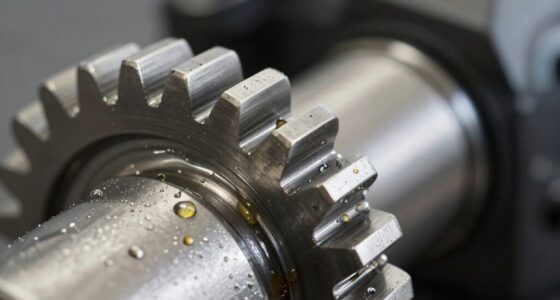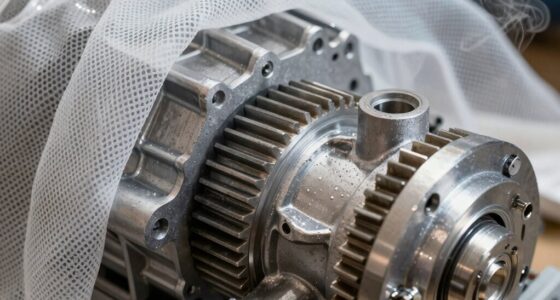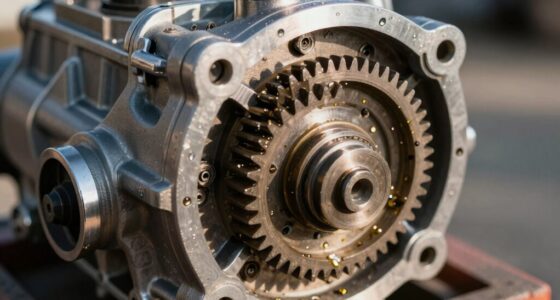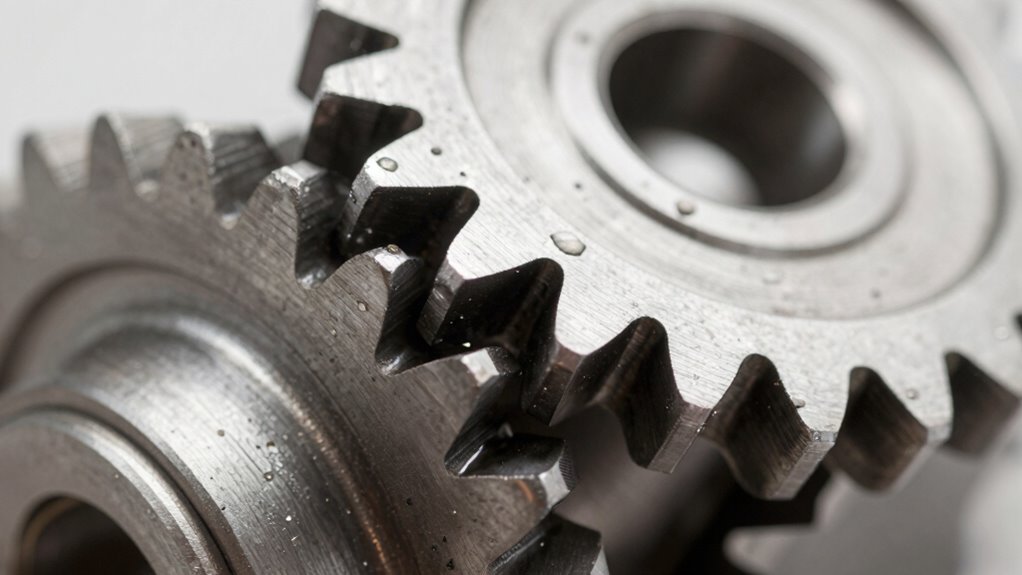
Many believe that adding gear oil can silence noisy transmissions or differentials, but that’s a myth. Noises like whining or grinding usually mean mechanical issues such as worn bearings or damaged gears, not a lubrication problem. Pouring more oil might temporarily hide the sound, but it won’t fix the real cause. Understanding what engine sounds indicate helps prevent unnecessary fluid changes and costly repairs—if you want to know more about what your noise really signals, keep exploring.

Get garage and car supplies delivered free — and shop member deals
- Fast, free delivery on millions of items
- Access to Prime Big Deal Days deals on October 6–7
- Prime Video, Amazon Music and more included
Key Takeaways
- Noises like whining or grinding usually indicate mechanical wear or damage, not low or insufficient gear oil.
- Adding more gear oil may mask noise temporarily but doesn’t fix underlying mechanical issues.
- Proper diagnosis involves identifying specific sounds and symptoms to determine root causes.
- Persistent or worsening noises after fluid changes suggest mechanical problems needing professional inspection.
- Relying solely on gear oil to quiet noises can delay repairs and lead to costly drivetrain damage.
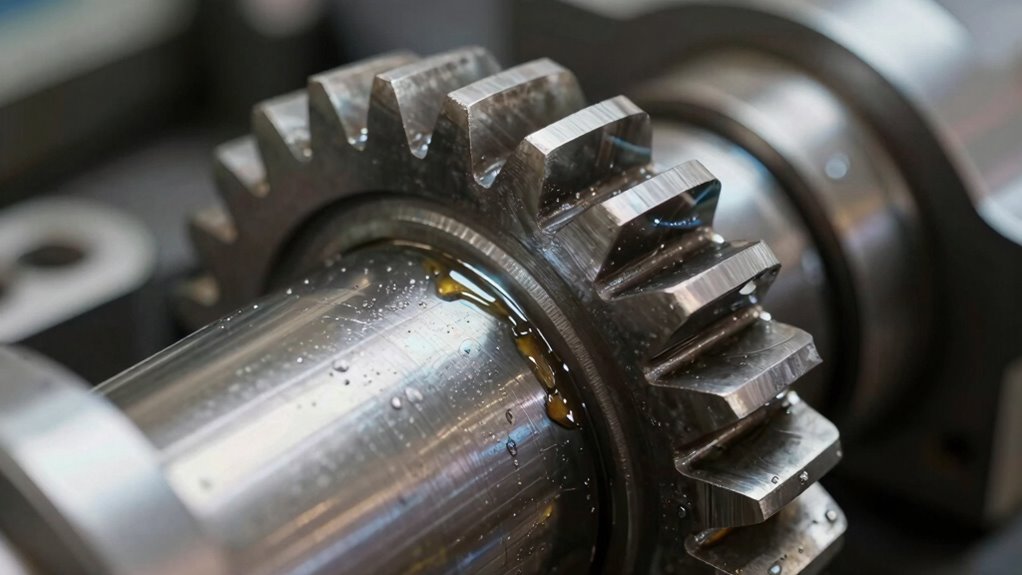
Many drivers believe that adding gear oil can quiet noisy transmissions or differentials, but this is a myth. This common misconception often leads to unnecessary fluid changes, ignoring the real causes behind unusual noises. When your vehicle starts making grinding, whining, or clunking sounds, it’s tempting to reach for the gear oil as a quick fix. However, these lubrication misconceptions can divert your attention from proper noise diagnosis, which is essential for addressing the actual issue. Noise in your drivetrain isn’t always a sign that you need more lubrication; it often indicates wear, damage, or other mechanical problems that require specific attention.
Understanding what these noises truly mean helps you avoid needless fluid top-offs that won’t solve the problem. For instance, a whining noise might seem like a lubrication issue, but it could stem from worn bearings or a failing gear set. Similarly, grinding sounds during shifts could point to synchronized mechanism failures or damaged gears, not just a lack of lubricant. Proper noise diagnosis involves listening carefully, identifying patterns, and considering other symptoms such as vibration, temperature increases, or fluid leaks. This approach helps you determine whether the noise is a minor issue or a sign of significant wear needing professional inspection.
Proper noise diagnosis reveals if issues are minor or need professional inspection.
Additionally, many drivers miss that noises can sometimes be a warning sign of impending failure. Simply pouring in more gear oil might temporarily mask the sound, giving a false sense of security. This can lead to delayed repairs, which might result in more extensive damage and higher costs down the line. Instead, focus on accurate diagnosis. If your vehicle’s noise persists or worsens after a fluid change, it’s better to consult a mechanic who can perform a thorough inspection. They’ll check for worn or damaged components, abnormal gear tooth wear, or lubrication breakdowns that might be causing the noise.
In essence, the idea that gear oil alone can quiet noisy transmissions ignores the complexity of drivetrain issues. Relying solely on lubrication to fix noise problems is a misconception that can cause more harm than good. Proper noise diagnosis involves understanding mechanical wear and addressing the root cause rather than just treating symptoms. When you’re aware of what different sounds indicate, you can prevent unnecessary fluid changes and focus on effective repairs. This knowledge saves you money, prolongs your vehicle’s lifespan, and ensures you’re not misled by false solutions. Remember, not all noise is solved with more gear oil—sometimes, it’s a signal that your vehicle needs professional attention. Recognizing diagnostic signs can help you differentiate between minor issues and more serious problems requiring expert intervention.
automatic transmission noise diagnosis kit
As an affiliate, we earn on qualifying purchases.
As an affiliate, we earn on qualifying purchases.
Frequently Asked Questions
Can Gear Oil Prevent All Gear Noise?
Gear oil can’t prevent all gear noise, despite common gear oil myths suggesting otherwise. While proper lubrication helps reduce friction and minimize some noise, it doesn’t eliminate all sounds. Unusual or loud noises often indicate issues like worn bearings or gear damage. To improve noise prevention, make sure you’re using the right gear oil for your vehicle and regularly maintain your drivetrain, but don’t rely solely on gear oil to quiet all sounds.
How Often Should Gear Oil Be Changed for Noise Reduction?
You should change your gear oil every 30,000 to 60,000 miles for ideal noise reduction. Regular oil change intervals help maintain proper lubrication, which minimizes gear noise and prevents wear. Noise reduction techniques also include inspecting for leaks and ensuring proper gear alignment. Staying consistent with oil changes keeps your gears quiet and functioning smoothly, avoiding unnecessary noise caused by old or degraded lubricant.
Are There Specific Gear Oils for Quieter Operation?
Think of gear oils as the orchestra conductor—some lead with harmony, others with discord. Yes, there are specific gear oils designed for quieter operation, often featuring synthetic formulations and advanced additive technologies. These oils minimize noise by reducing friction and damping vibrations. Choosing the right gear oil can make your drivetrain run smoother and quieter, transforming a noisy machine into a symphony of efficiency and calm.
What Other Factors Influence Gear Noise Besides Oil?
Besides oil, gear noise can stem from synchronization issues and bearing wear. If your gears aren’t properly synchronized, they may grind or produce more noise during engagement. Bearing wear also causes increased vibration and sound, signaling potential problems. Regular maintenance and inspections help identify these issues early, preventing further damage. Keep an ear out for unusual sounds, and address these factors promptly to guarantee smoother, quieter operation.
Is Gear Noise Always a Sign of Impending Failure?
Gear noise isn’t always a warning bell; sometimes it’s just the engine humming along. You notice increased noise? It could mean gear wear or poor lubrication quality, but it doesn’t automatically signal failure. Regular maintenance and monitoring help you distinguish between normal sounds and real issues. Don’t ignore minor noises—think of them as your gear’s way of whispering, giving you a chance to address potential problems before they escalate.
As an affiliate, we earn on qualifying purchases.
Conclusion
So, next time you hear gear noise, don’t fall for the myth that adding more gear oil will quiet it down like a magic elixir. That clatter could be a sign of something more serious, not just a simple lubricant upgrade. Remember, even in the age of steampunk, noise often hints at underlying issues. Pay attention, get it checked out, and avoid turning your vintage engine into a ticking time bomb.
mechanical gear inspection tools
As an affiliate, we earn on qualifying purchases.
As an affiliate, we earn on qualifying purchases.
vehicle drivetrain noise diagnosis
As an affiliate, we earn on qualifying purchases.
As an affiliate, we earn on qualifying purchases.
Halloween Picks
halloween
As an affiliate, we earn on qualifying purchases.