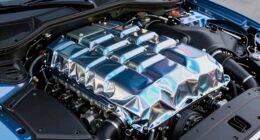

When you overfill your engine with oil, turbulence increases inside the crankcase, causing the oil to slosh and churn more vigorously. This agitation traps tiny air bubbles within the oil, creating aeration. These bubbles reduce the oil’s ability to absorb heat and lubricate properly, leading to decreased engine efficiency and increased wear. By understanding this process, you’ll see how maintaining the correct oil level helps prevent aeration and keeps your engine running smoothly.

Get garage and car supplies delivered free — and shop member deals
- Fast, free delivery on millions of items
- Access to Prime Big Deal Days deals on October 6–7
- Prime Video, Amazon Music and more included
Key Takeaways
- Overfilling causes oil turbulence and vigorous sloshing, which trap air bubbles within the oil.
- Turbulent agitation promotes tiny air bubble formation, leading to aeration.
- Air bubbles reduce oil viscosity, impair heat absorption, and compromise lubrication effectiveness.
- Aerated oil causes inconsistent oil pressure and increased engine wear.
- Properly maintaining oil level prevents overfill and minimizes aeration-related damage.
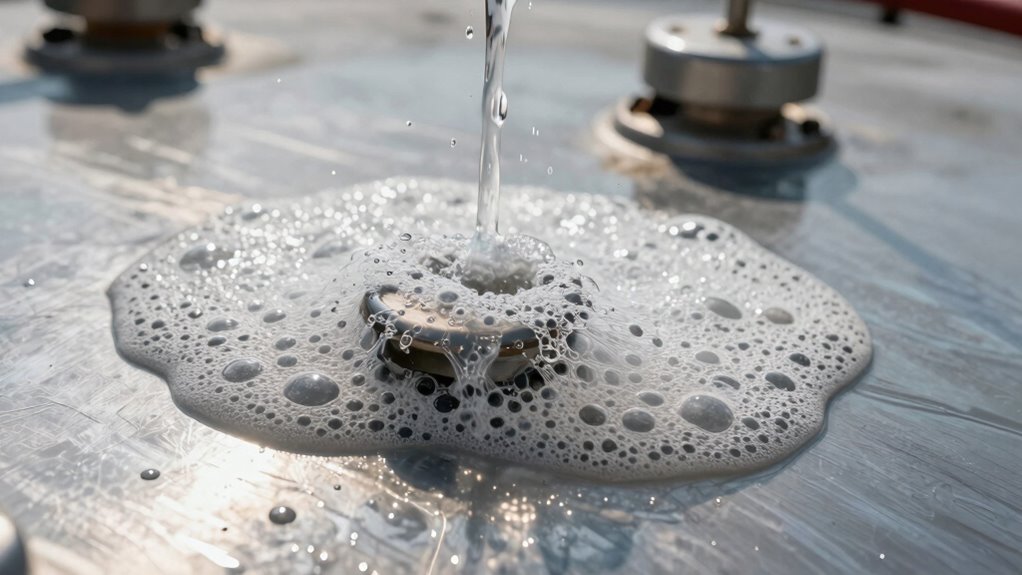
Overfilling your vehicle’s oil reservoir can lead to aeration, where air bubbles mix with the oil. This happens because excess oil creates disturbances within the engine’s lubrication system, leading to air bubble formation. When you add too much oil, the oil level surpasses the recommended capacity, causing it to slosh around more vigorously. This fluid agitation results in the oil splashing and churning, which can trap air within the oil itself. Instead of flowing smoothly through the engine’s passages, the excess oil becomes turbulent, increasing the likelihood of air becoming trapped in the form of bubbles.
Overfilling causes turbulence, trapping air bubbles and impairing engine lubrication.
Additionally, the increased turbulence can cause foaming, which further impairs oil performance and lubrication efficiency. As the engine runs, the oil pump circulates oil through various components, including the crankshaft, pistons, and valves. When there’s overfill, the oil doesn’t just flow calmly; it experiences heightened fluid agitation. This agitation promotes the formation of tiny air bubbles that become entrapped within the oil. These bubbles are problematic because they reduce the oil’s ability to lubricate effectively. Instead of providing a seamless, protective film, the oil with air bubbles becomes less viscous and more prone to cavitation and foaming, which can impair engine performance.
Air bubble formation during overfill isn’t just about the presence of bubbles; it also influences the oil’s overall behavior. Bubbles reduce the oil’s capacity to absorb heat, leading to higher operating temperatures. When the oil is aerated, it loses its ideal viscosity, which can cause increased friction and wear on engine parts. Additionally, aeration can lead to inconsistent oil pressure, making it harder for your engine to get the lubrication it needs precisely when it needs it. This can accelerate engine wear or even cause damage over time.
The key to preventing this issue is to always check your oil level carefully and adhere to the manufacturer’s recommended fill line. If you accidentally overfill, it’s best to drain the excess oil promptly. Removing the surplus oil minimizes fluid agitation and prevents the formation of air bubbles. Remember, the goal is to keep the oil level just right—neither too low nor too high—so your engine remains properly lubricated, cool, and operating efficiently. By understanding how overfilling causes aeration through increased fluid agitation and air bubble formation, you can take steps to maintain your engine’s health and ensure ideal performance. Proper oil level management is essential for avoiding aeration-related issues and maintaining engine longevity.
As an affiliate, we earn on qualifying purchases.
Frequently Asked Questions
How Can Oil Aeration Affect Engine Performance Long-Term?
Oil aeration can considerably impact your engine’s long-term performance by reducing oil viscosity, which weakens lubrication. As a result, your engine’s components don’t move as smoothly, leading to increased wear and decreased combustion efficiency. Over time, this can cause higher fuel consumption, engine knocking, and potential damage. To avoid these issues, guarantee proper oil levels and quality, preventing aeration from overfill and maintaining ideal engine health.
What Are the Signs of Excessive Oil Aeration in Machinery?
Think of your machinery’s oil like a calm lake suddenly disturbed. You’ll notice foam formation on the oil surface, indicating excessive aeration. Oil discoloration, turning milky or cloudy, also signals air bubbles trapped in the oil. These signs suggest the oil isn’t lubricating properly, risking engine wear. Keep an eye out for these clues, as early detection helps prevent long-term damage and keeps your machinery running smoothly.
Can Oil Aeration Lead to Equipment Corrosion?
Yes, oil aeration can lead to equipment corrosion. When air mixes with oil, it increases the oxidation risk, breaking down oil quality and creating acids that corrode metal parts. Additionally, aeration accelerates seal degradation, causing leaks and further exposure to moisture and contaminants. This combination compromises the equipment’s integrity, leading to costly repairs and downtime. Addressing aeration early helps prevent these damaging effects and extends your machinery’s lifespan.
How Does Oil Aeration Influence Lubrication Efficiency?
Oil aeration reduces lubrication efficiency because air bubbles form in the oil, disrupting its ability to form a thin, consistent film. When this happens, oil viscosity decreases locally, making it less effective at reducing friction and wear. You might notice increased equipment noise or overheating, indicating that aeration is compromising proper lubrication. To maintain efficiency, you should prevent overfilling and regularly check for air bubbles in the oil.
Are There Preventive Measures to Avoid Overfilling and Aeration?
To prevent overfilling and aeration, you should implement preventive measures like regularly checking oil levels with precise instruments and adhering to manufacturer guidelines. Use overfill prevention devices such as level sensors or automatic shut-off valves to stop filling at the correct point. Consistent maintenance and staff training also help avoid overfill incidents, reducing the risk of oil aeration and ensuring ideal lubrication efficiency.
As an affiliate, we earn on qualifying purchases.
Conclusion
So, next time you see oil bubbling over the fill line, remember it’s no accident. That sudden splash mirrors the air that gets trapped, creating aeration. Like a sudden gust stirring a calm pond, overfilling sends tiny bubbles soaring. Keeping an eye on the level helps prevent this coincidence of overfill and aeration, saving you from potential engine trouble. Stay attentive, and you’ll keep your oil—and engine—running smoothly, just like a perfectly balanced system.
As an affiliate, we earn on qualifying purchases.
As an affiliate, we earn on qualifying purchases.
Halloween Picks
halloween
As an affiliate, we earn on qualifying purchases.