
Changing your gear ratio increases engine load and RPMs, which can raise oil temperature because the lubrication system works harder to handle the extra stress. Higher speeds generate more heat, making the oil thinner and less effective at lubricating. If you keep racing or driving hard without upgrading your cooling, overheating risks grow. Want to understand how to keep things cool and protect your engine? Keep exploring to learn more.
Key Takeaways
- Altering gear ratio increases engine RPMs at given speeds, raising internal heat and oil temperature.
- Higher engine loads from gear changes cause the oil to work harder, generating more heat.
- Increased thermal stress from modified gear ratios can overwhelm cooling systems, raising oil temperature.
- Elevated engine speeds cause oil to thin, reducing lubrication effectiveness and increasing heat.
- Without proper cooling upgrades, gear ratio changes can lead to overheating and accelerated component wear.
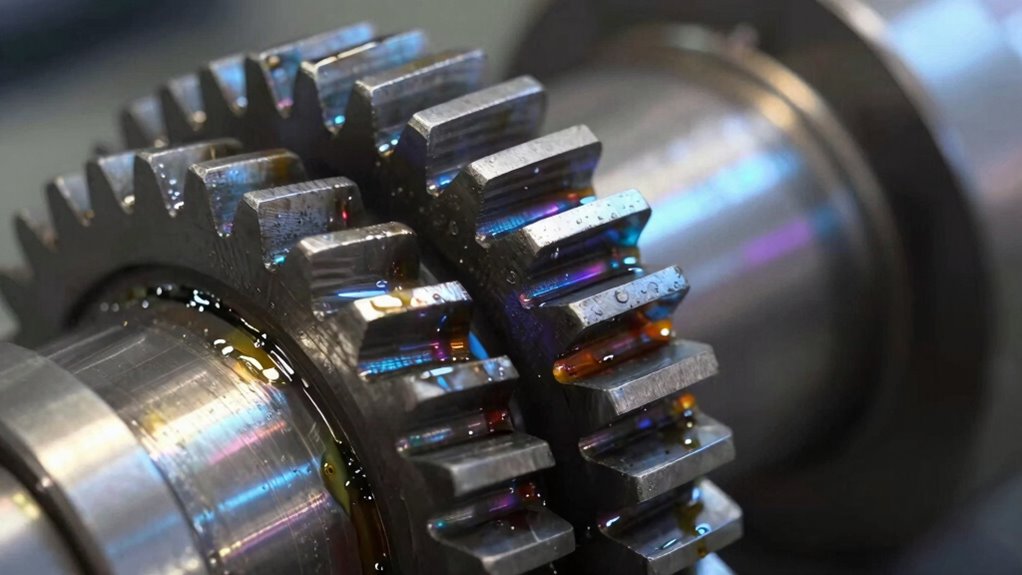
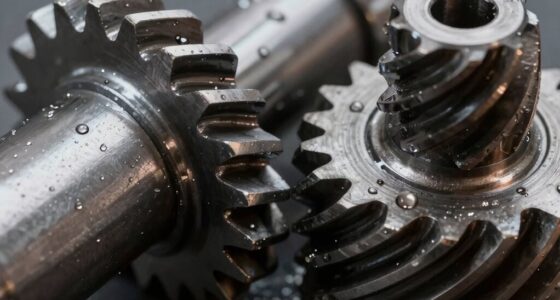
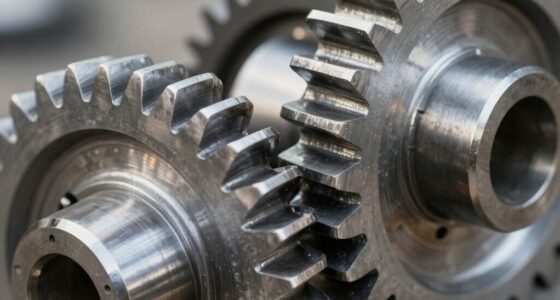
Adjusting your gear ratio can considerably impact your vehicle’s oil temperature, especially during high-performance driving. When you modify the gear ratio, you’re fundamentally changing how power is transmitted from the engine to the wheels, which influences engine load and the amount of heat generated. This shift can introduce lubrication challenges that weren’t as prominent before. As the engine works harder or runs at higher RPMs due to a different gear setup, the oil has to work harder to lubricate moving parts effectively. If the oil isn’t able to maintain a stable film of lubrication, increased friction occurs, raising the temperature within the engine and transmission system.
Changing your gear ratio increases engine load and heat, making proper lubrication and cooling essential.
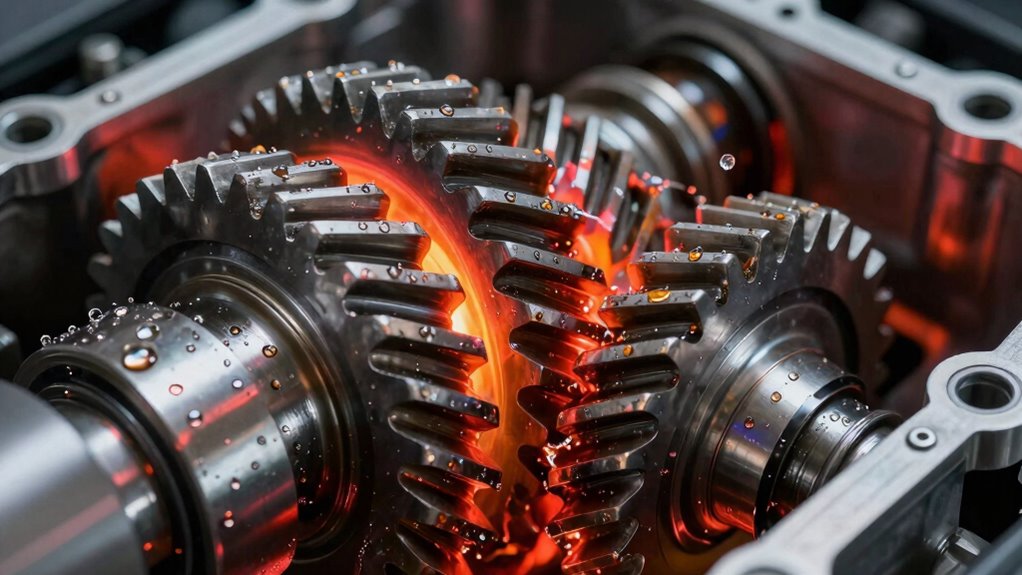
This is where thermal management becomes crucial. Higher gear ratios often mean the engine operates at higher speeds for a given road speed, increasing the workload on internal components. The oil is responsible for reducing friction and heat, but when the workload exceeds its capacity, oil temperatures can rise rapidly. The challenge lies in making sure that the oil can withstand these increased thermal stresses. If your vehicle isn’t equipped with adequate cooling systems, or if the oil used isn’t suitable for high-temperature conditions, you risk overheating. Elevated oil temperatures can compromise lubrication quality, leading to accelerated wear and potential damage to engine parts.
In scenarios where you change your gear ratio to achieve better acceleration or top-end speed, you might inadvertently worsen thermal management issues. The increased heat generated puts additional strain on your cooling system, and if it’s not optimized, it can cause a vicious cycle—higher temperatures lead to thinner oil, which reduces its ability to lubricate efficiently, further increasing friction and heat. This cycle not only affects lubrication challenges but also accelerates component wear, which might result in costly repairs down the line. Additionally, understanding the thermal capacity of your vehicle’s components can help in planning effective cooling upgrades.
To mitigate these issues, you need to think about upgrading your cooling systems or using high-performance oils that can tolerate elevated temperatures. Proper thermal management ensures that your engine and transmission maintain ideal operating temperatures despite the increased demands caused by gear ratio changes. Monitoring oil temperature with gauges can give you real-time insights into how well your lubrication system copes under different driving conditions. By understanding and addressing these factors, you can prevent overheating and extend the lifespan of your vehicle’s critical components, even when pushing performance boundaries through gear ratio modifications.

Mobil 1 Extended Performance High Mileage Full Synthetic Motor Oil 5W-30, 5 Quart
- Engine Compatibility: Suitable for engines over 75,000 miles
- Oil Change Interval: Up to 20,000 miles between changes
- Performance Formula: Mobil 1 Triple Action+ for protection and cleanliness
As an affiliate, we earn on qualifying purchases.
As an affiliate, we earn on qualifying purchases.
Frequently Asked Questions
How Does Gear Ratio Affect Transmission Efficiency?
You’ll notice that gear ratio directly impacts transmission dynamics and mechanical efficiency. When you change the gear ratio, it alters how power is transferred from the engine to the wheels, affecting how smoothly and efficiently your vehicle operates. A higher gear ratio can reduce mechanical efficiency, causing more energy loss and potentially increasing heat. Conversely, an ideal gear ratio improves transmission efficiency, ensuring better performance and less wear on your transmission components.
Can Changing Gear Ratios Improve Fuel Economy?
Changing gear ratios can improve your fuel economy by optimizing gear ratio selection for your driving conditions. When you select the right gear ratio, your engine operates more efficiently, reducing fuel consumption. This means less energy wasted and better miles per gallon. Keep in mind, adjusting gear ratios isn’t just about power; it’s about ensuring your vehicle uses fuel more effectively, saving you money over time.
Are There Specific Gear Ratios That Reduce Oil Temperature?
Sure, some gear ratios are like the cool kids of temperature management—designed to keep oil temp lower. By optimizing your gear ratio for efficient power transfer, you can actually reduce oil temperature during drives. It’s ironic, right? Instead of overheating, your engine stays cooler because proper gear ratio optimization minimizes strain. So, yes, selecting the right gear ratio helps manage temperature and prevents unnecessary heat buildup.
How Often Should I Check Oil Temperature After Gear Ratio Changes?
You should check the oil temperature after gear ratio changes every few hundred miles initially, then gradually extend the interval as you monitor stability. Incorporate regular oil checks into your maintenance schedule, especially during the first few weeks post-change. This proactive approach helps you catch any overheating early and guarantees your drivetrain remains ideal. Consistent monitoring keeps your vehicle running smoothly and prevents potential damage caused by excessive heat.
Does Gear Ratio Change Influence Engine Wear Over Time?
Ever wondered if changing your gear ratio impacts engine wear? Yes, it can. Altering the gear ratio shifts differential wear and clutch stress, which over time may lead to increased engine strain. You might notice more frequent clutch adjustments or uneven differential wear. Regular maintenance helps, but understanding how gear ratio changes influence these factors can help you prevent long-term engine damage, ensuring smoother performance and extended component life.

INGKAN AJ133 5.0L Cooling System Upgrade Kit Fits for Land Rover
- Replacement Part Number: OE AJ811340 and others
- Compatible Vehicle Models: 2010-2013 LR4, 2010-2017 Range Rover, 2014-2020 F-Type, 2010-2015 XF, 2014-2017 XJR, 2010-2015 XK, 2010-2015 XKR
- High-Efficiency Cooling: Optimized aluminum alloy flow channels
As an affiliate, we earn on qualifying purchases.
As an affiliate, we earn on qualifying purchases.
Conclusion
When you mess with your gear ratio, you’re throwing a wild party for heat in your engine. Oil temperature skyrockets faster than a rocket launch, risking catastrophic damage if you don’t pay attention. So, if you want your drivetrain to survive and thrive, keep those gear ratio changes in check. Otherwise, you’re basically inviting a fiery explosion every time you hit the pedal—talk about playing with fire! Stay smart, stay cool, and protect your ride.

Quick Change Gear Kit High Ratio 5.41 ; Low Ratio 3.12
- Product Type: Gear Kit
- Part Details: Quick Change Gear Kit
- Spline Count: 10-Spline
As an affiliate, we earn on qualifying purchases.
As an affiliate, we earn on qualifying purchases.

GlowShift Tinted 7 Color 300F Oil Temperature Gauge Kit, 2-1/16" 52mm
- Series Type: Tinted 7 Color Oil Temperature Gauge
- Temperature Range: 100° to 300°F
- Gauge Size: 2-1/16 inches (52mm)
As an affiliate, we earn on qualifying purchases.
As an affiliate, we earn on qualifying purchases.