
Peak temperature is a better predictor of oil breakdown because it shows the highest thermal stress your oil experiences, even if only briefly. Short-term heat spikes cause immediate molecular damage, accelerate oxidation, and degrade oil faster than steady, average temperatures. While average temperature reflects overall exposure, understanding peak temperatures helps you identify moments of increased risk. To protect your equipment and extend oil life, it’s essential to monitor and manage these fluctuations carefully. If you keep exploring, you’ll discover how to optimize your maintenance strategies.
Key Takeaways
- Peak temperature reflects short-term thermal stress that can cause rapid oil degradation and damage to molecular structures.
- Average temperature indicates overall thermal exposure but may overlook critical temperature spikes that accelerate breakdown.
- Frequent peak temperature surges are more detrimental to oil stability than steady high average temperatures.
- Monitoring peak temperature helps identify moments of increased risk, enabling targeted preventive maintenance.
- Both metrics are important; however, peak temperature generally predicts sudden, irreversible oil breakdown more accurately.

Mishimoto Universal Fit Transmission Cooler, 13-Row Stacked Plate, 22.85" X 7.10” X 1.25” Core
Universal Compatibility:13-row stacked-plate core with universal mounting brackets fits cars, trucks, SUVs, and tow rigs. Easy direct-fit install...
As an affiliate, we earn on qualifying purchases.
How Temperature Causes Oil to Break Down
When oil is exposed to high temperatures, its molecules begin to break down more rapidly. The thermal effects of heat weaken the chemical bonds within the oil, reducing its chemical stability. As temperature rises, the oil’s structure becomes less stable, leading to the formation of harmful compounds like free radicals and polymerized residues. These changes accelerate the degradation process, compromising the oil’s quality and performance. Maintaining ideal temperature levels helps preserve the oil’s chemical stability, preventing premature breakdown. Understanding how heat influences oil at a molecular level highlights the importance of controlling temperature during use. Proper temperature management is essential for extending the oil’s lifespan and minimizing the formation of damaging byproducts. Additionally, research indicates that temperature fluctuations can exacerbate degradation, underscoring the need for consistent heat control. Implementing thermal stability measures can further reduce the risk of breakdown and improve overall oil longevity. Moreover, molecular structure plays a crucial role in how quickly oil degrades under thermal stress. A better understanding of oil composition can help in selecting the right oils for specific temperature conditions. By managing temperature exposure, you can extend the oil’s lifespan and minimize the formation of damaging byproducts.

Hayden Automotive 689 Universal Add-On 11.6” x 11” x 0.75” Auxiliary Transmission Cooler To Enhance Towing Capacity – Not A Direct OE Replacement Unit
Size is 11.6 inch x 11 inch x 0.75inch extra heavy duty
As an affiliate, we earn on qualifying purchases.
Why Peak Temperatures Speed Up Oil Degradation
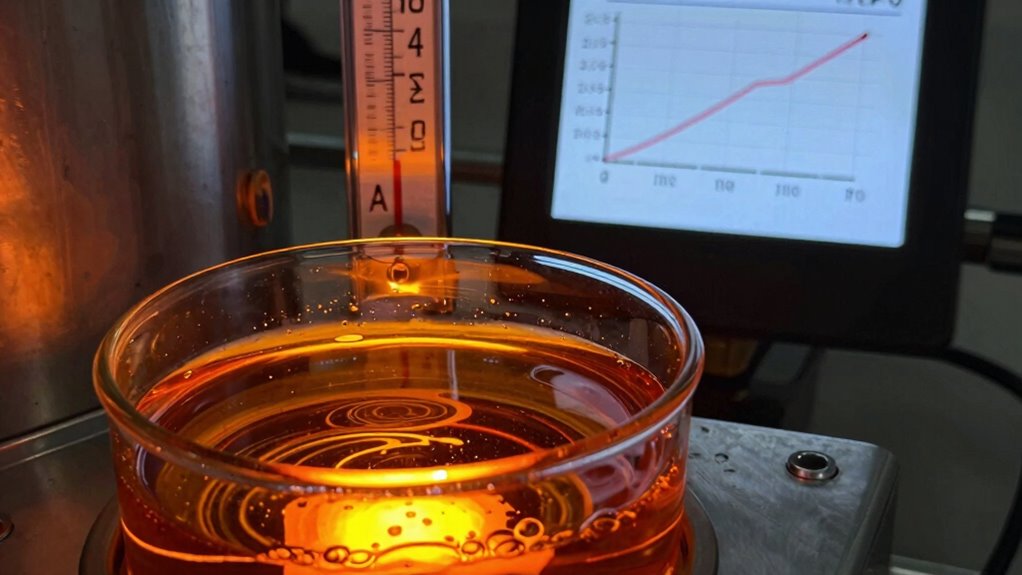
Peak temperatures cause oil to degrade much faster than average temperatures because the higher heat pushes the oil beyond its stability threshold. This intense heat induces thermal stress, which damages the oil’s molecular structure, accelerating breakdown processes. As temperatures spike, oxidation accelerates rapidly, forming harmful acids and sludge that degrade oil quality. The elevated heat also promotes the formation of free radicals, further speeding up oxidation and polymerization. Unlike steady, moderate temperatures, these sudden surges cause irreversible changes, weakening the oil’s protective properties. Understanding lubricant behavior helps you grasp how extreme heat episodes can drastically reduce oil efficiency and durability. Recognizing the role of thermal stress is essential in understanding how temperature fluctuations impact oil longevity, especially when considering temperature extremes and their effects on material stability. Additionally, the presence of oxidative reactions intensifies under peak temperatures, further compromising oil integrity. Moreover, thermal cycling can exacerbate these effects by repeatedly stressing the oil during fluctuating temperature conditions.

A-Premium Transmission Oil Cooler, Universal Aluminium 8 Pass Tube and Fin, Oil Cooler Kit with Hose Mounting Kit
[Vehicle Fitment]: Suitable for most car
As an affiliate, we earn on qualifying purchases.
Peak vs. Average Oil Temperatures: Which Matters More?
Understanding whether peak or average oil temperatures matter more depends on how each influences oil degradation. Peak temperatures subject the oil to intense thermal stress during short periods, which can cause rapid breakdown. Conversely, average temperatures reflect overall thermal exposure, highlighting the impact of temperature variability over time. If your equipment experiences frequent temperature spikes, peak temperatures could be more critical because they accelerate chemical reactions that degrade oil. However, steady high average temperatures can lead to continuous thermal stress, gradually degrading the oil even without extreme peaks. Recognizing which metric better predicts oil breakdown involves evaluating both the severity of temperature fluctuations and their duration. Ultimately, both peak and average temperatures play roles, but understanding their interplay helps you better manage oil longevity.

EVIL ENERGY 16 Row Oil Cooler Kit, 10AN Transmission Engine Cooler British Radiator Universal Aluminium Black
Universal Fit & Compatibility: Designed to fit most vehicles and compatible with 330mm engine oil cooler brackets. Please...
As an affiliate, we earn on qualifying purchases.
How to Monitor and Control Temperature Fluctuations in Oil
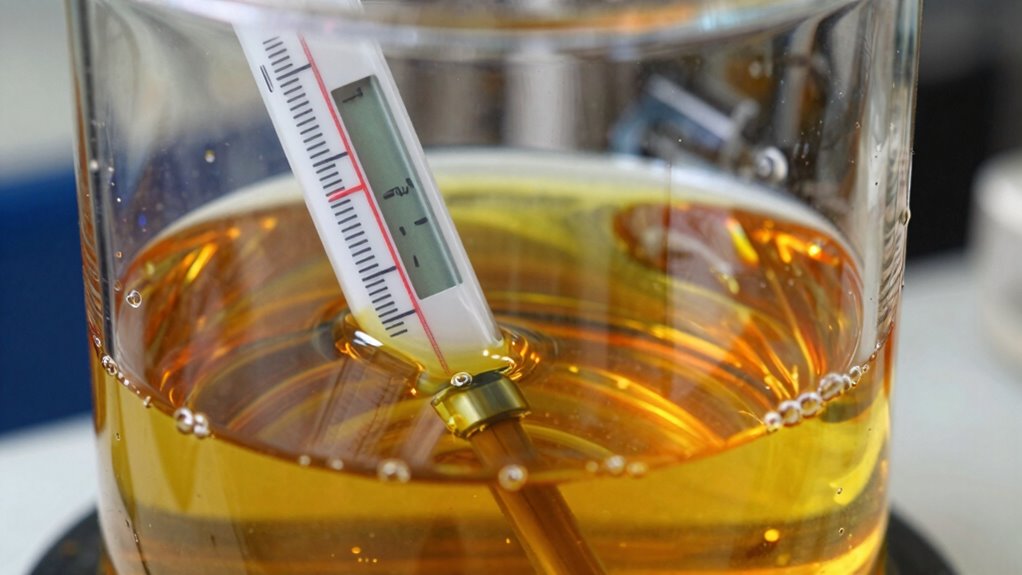
Effective management of oil temperature fluctuations begins with proper monitoring techniques. To maintain thermal stability and control oxidation rates, you need accurate, real-time data. Consider these strategies:
- Use high-quality thermocouples or infrared sensors to track temperature changes precisely.
- Implement automated systems that adjust cooling or heating based on monitored data.
- Regularly calibrate sensors to guarantee consistent accuracy.
- Record temperature data to identify patterns in fluctuations, enabling proactive adjustments.
- Incorporate temperature monitoring best practices to optimize the longevity and performance of the oil. Additionally, understanding regional flavors can aid in selecting the right equipment settings for specific culinary applications, especially when considering oil stability in diverse environments. Monitoring astrological signs may also provide insights into optimal maintenance schedules for sensitive equipment.
Choosing the Right Temperature Metric for Better Oil Maintenance
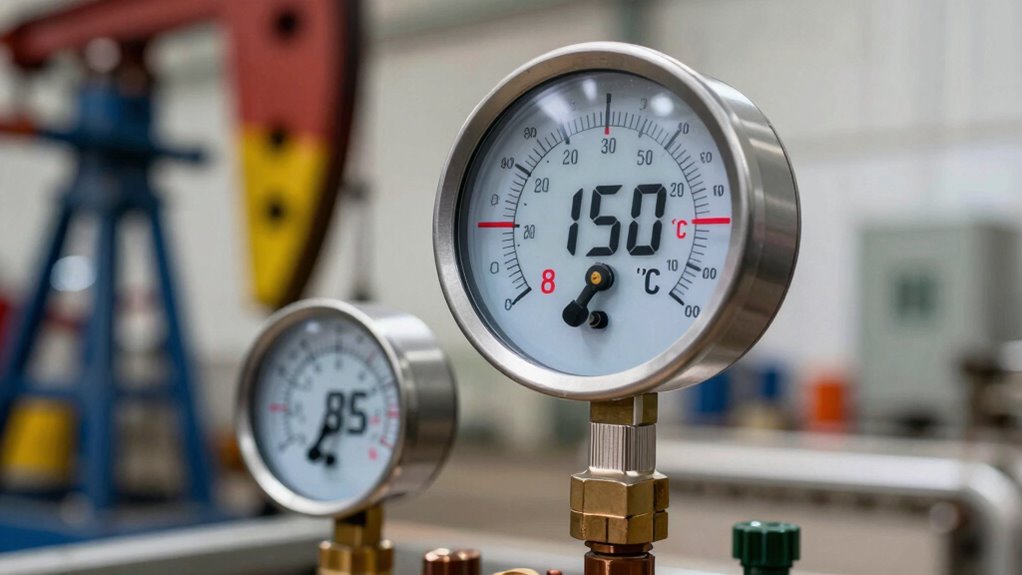
Choosing the right temperature metric is essential for maintaining ideal oil quality and preventing equipment damage. To guarantee thermal stability, you need to focus on the temperature that best predicts oil breakdown. Peak temperature often indicates the highest thermal stress the oil experiences, which can lead to significant viscosity change and compromise lubrication. Conversely, average temperature provides a broader view of overall thermal exposure but might miss short-term spikes that accelerate degradation. Selecting the appropriate metric depends on your equipment’s operating conditions. If thermal stability is critical, monitoring peak temperature helps identify moments when oil risk increases. For general maintenance, average temperature offers insight into long-term trends. Understanding these differences enables you to choose the most effective approach for better oil maintenance and equipment longevity. Additionally, considering thermal stability can help prevent unexpected failures and extend the lifespan of your vehicle’s engine.
A thorough understanding of temperature fluctuations can further improve your ability to predict and prevent oil breakdown before damage occurs.
Frequently Asked Questions
How Do Temperature Fluctuations Impact Oil Lifespan Over Time?
Temperature fluctuations, like thermal cycling, can substantially shorten oil lifespan by causing repeated expansion and contraction. When temperature stability drops, the oil degrades faster, forming sludge and losing effectiveness. You should monitor these fluctuations closely, as consistent temperatures help maintain oil quality longer. Avoid frequent thermal cycling, and keep temperatures steady to extend the oil’s useful life, preventing premature breakdown and ensuring ideal engine or machinery performance.
Can Temperature Spikes Cause Immediate Oil Failure?
Yes, temperature spikes can cause immediate oil failure because they accelerate oil chemical reactions, disrupting its thermal stability. When temperatures suddenly rise, the oil’s molecules react faster, leading to rapid breakdown and formation of deposits or acids. This thermal stress overwhelms the oil’s ability to maintain stability, resulting in a quick loss of lubricating properties and potential equipment damage. So, sudden spikes are particularly harmful to oil longevity.
What Role Does Ambient Temperature Play in Oil Degradation?
Coincidentally, ambient temperature critically influences oil degradation by impacting thermal stability and heat transfer. When the surrounding environment’s temperature rises, it accelerates heat transfer into the oil, increasing its internal temperature. This heightened thermal stress can compromise oil’s protective qualities, leading to faster breakdown. Consequently, managing ambient temperature is essential for maintaining oil’s longevity and ensuring ideal performance, especially in environments where temperature fluctuations are common.
Are Some Oils More Resistant to Temperature-Induced Breakdown?
Some oils are more resistant to temperature-induced breakdown because they have better additive stability and oxidation resistance. When choosing oils, look for formulations with stable additives that can withstand higher temperatures without degrading. These oils maintain their protective properties longer, reducing breakdown risks. If you prioritize durability in high-temperature environments, select oils specifically designed with enhanced additive stability and oxidation resistance for better performance.
How Does Temperature Affect the Viscosity and Lubrication Properties?
Sure, because higher temperatures are known for their magic trick—making viscosity change and lubrication efficiency vanish. As temperature rises, your oil thins out, reducing its ability to lubricate effectively. Conversely, cooler temps thicken it, risking wear and tear. So, you see, temperature directly influences viscosity changes, and maintaining ideal temperature is crucial to keep your lubrication efficiency from taking a nosedive.
Conclusion
So, next time you’re fussing over average or peak temperatures, remember: oil’s secret weapon isn’t a steady heat but those surprise heat spikes. Keep an eye on the peaks, or your oil might just throw a tantrum and break down faster than you can say “lubrication disaster.” Don’t let your oil be the drama queen—it’s smarter to monitor those wild temperature swings before everything turns to sludge. Stay vigilant, or face the oily consequences!