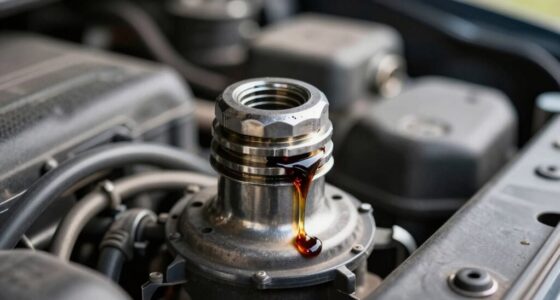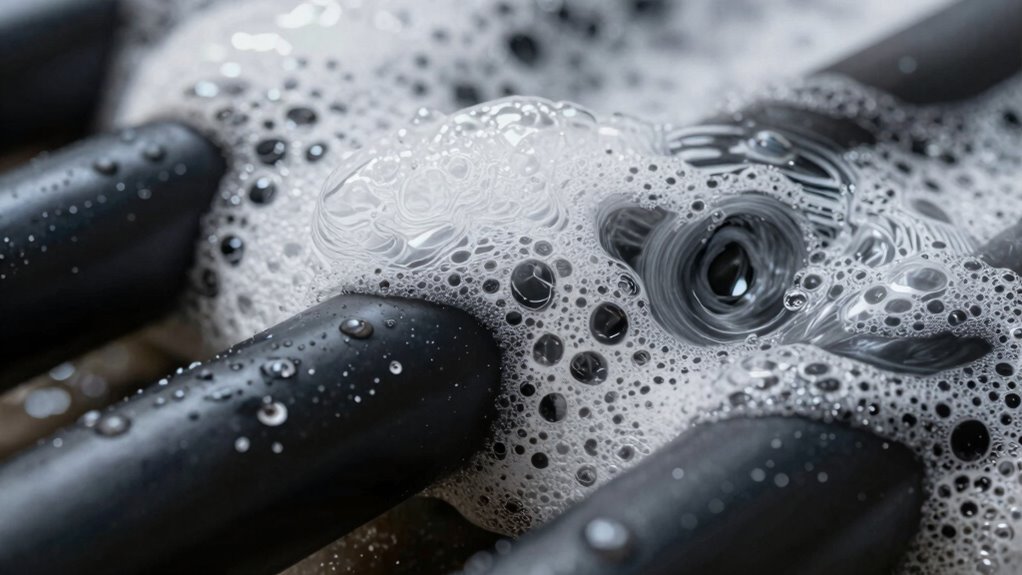
When air leaks occur in your suction lines, they allow unwanted air to enter the system, disrupting the vacuum. This causes foam formation because the excess air destabilizes the liquids growing in your process. Additionally, the system works harder to compensate for the lost vacuum, leading to heat buildup. If you want to understand how these issues affect your system’s efficiency and how to fix them, explore further.

Get garage and car supplies delivered free — and shop member deals
- Fast, free delivery on millions of items
- Access to Prime Big Deal Days deals on October 6–7
- Prime Video, Amazon Music and more included
Key Takeaways
- Air leaks introduce unwanted air into the vacuum system, diluting the vacuum and causing foam formation in processed liquids.
- Leaks force the system to work harder, increasing heat buildup due to overexertion of components.
- The presence of air reduces suction performance, leading to unstable processing conditions and potential foam development.
- Continuous leaks cause the system to overcompensate, raising energy consumption and generating excess heat.
- Detecting and sealing leaks restores proper vacuum, preventing foam formation and excessive heat buildup.
Have you ever noticed a drop in suction performance or strange noises from your equipment? If so, it’s a clear sign that something’s amiss in your suction line. Air leaks are a common culprit that can considerably impact your system’s vacuum efficiency. When air enters the line through leaks, it disrupts the vacuum created by your equipment, making it work harder to maintain the desired pressure. This increased workload not only wastes energy but also accelerates wear and tear on components. To keep your system running smoothly, you need to understand how air leaks affect performance and implement effective maintenance strategies.
Air leaks in suction lines allow ambient air to enter the system, which dilutes the vacuum and decreases overall efficiency. As the vacuum drops, your equipment compensates by increasing power, often resulting in higher operational costs. You might notice foam formation or excessive heat buildup, both of which are telltale signs of compromised vacuum conditions caused by leaks. Foam forms when air mixes with liquids being processed, creating instability and potential contamination issues. Meanwhile, heat builds up because the system works overtime to maintain suction, leading to potential damage or failure if left unaddressed. Additionally, the presence of foam and heat can lead to the formation of foam and heat, which further degrade system performance and longevity.
Air leaks cause vacuum loss, foam formation, and heat buildup, risking system damage and higher operational costs.
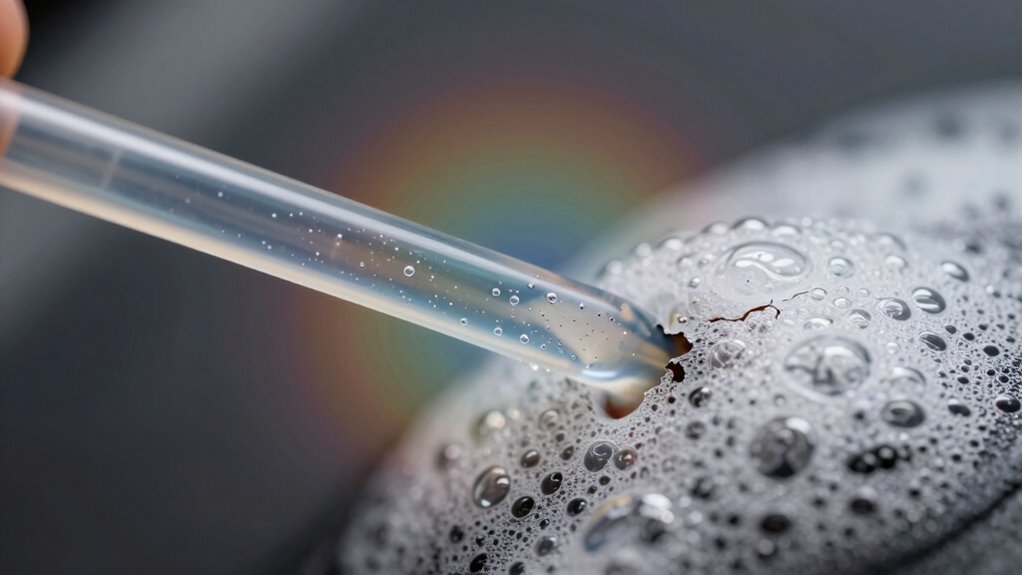
Addressing air leaks begins with routine inspection and proactive maintenance strategies. Regularly check hoses, fittings, and seals for cracks, loose connections, or signs of deterioration. Using soap and water solutions on joints can help locate leaks—bubbles indicate where air is escaping. When you identify leaks, replace or tighten connections promptly. Implementing a scheduled maintenance plan not only catches leaks early but also helps sustain suitable vacuum efficiency over time. Consider investing in leak detection equipment for more precise identification, especially in complex systems.
Maintaining proper vacuum efficiency isn’t just about fixing leaks when problems become obvious; it’s about preventing them. Keep an eye on system pressure gauges and listen for unusual noises, which often point to leaks or other issues. Maintaining clean and well-lubricated components also helps prevent disconnects and cracks that could lead to leaks. In some cases, upgrading to higher-quality fittings or using sealants designed for vacuum systems can provide added security against future leaks. By adopting these maintenance strategies, you ensure your equipment stays in top shape, operates more efficiently, and avoids costly downtime. Regular monitoring and preventive maintenance are key to avoiding the formation of foam and heat caused by air leaks.
As an affiliate, we earn on qualifying purchases.
Frequently Asked Questions
Can Air Leaks Affect Suction Line Pressure Stability?
Yes, air leaks can affect suction line pressure stability. When you perform leak detection, you’ll notice pressure fluctuation as air escapes, causing inconsistent suction pressure. These leaks allow ambient air to enter the system, reducing efficiency and creating pressure instability. Regularly checking for leaks helps maintain steady pressure, preventing foam and heat buildup, and ensuring your equipment runs smoothly and efficiently.
Do Small Leaks Significantly Impact Foam Formation?
Small leaks can subtly disrupt foam stability, making it more prone to breakdown over time. While they might seem insignificant, they can lead to increased heat and foam formation issues if not addressed. Leak prevention is key to maintaining ideal system performance. By catching even tiny leaks early, you help ensure consistent foam stability, reduce heat buildup, and keep your equipment running smoothly without unexpected hiccups.
How Can I Detect Hidden Leaks in Suction Lines?
You can detect hidden leaks in suction lines by using acoustic leak detection methods, where you listen for hissing sounds indicating escaping air. Additionally, dye testing techniques are effective; you introduce a dye into the system and watch for leaks as the dye escapes. Combining these methods helps you pinpoint even small or hidden leaks, preventing foam buildup and heat issues caused by air ingress.
Are Certain Materials More Prone to Leaks?
Certain materials are more susceptible to leaks due to their material susceptibility. Flexible plastics and rubber hoses, for example, tend to crack or deteriorate over time, increasing leak risk. To prevent leaks, choose durable, high-quality materials designed for your specific application. Regular inspections, proper installation, and maintenance also help guarantee leak prevention, especially when working with materials prone to wear and tear.
What Safety Precautions Should Be Taken During Leak Repairs?
When repairing leaks, you should follow strict repair safety protocols to protect yourself. Use leak detection methods like soapy water or ultrasonic detectors to identify leaks accurately. Always turn off the system and depressurize lines before starting repairs. Wear appropriate PPE, including gloves and eye protection, and make sure proper ventilation is maintained. Carefully follow manufacturer instructions, and double-check the repair before restarting the system to prevent further issues.
As an affiliate, we earn on qualifying purchases.
Conclusion
So, next time you ignore those tiny air leaks in your suction lines, remember they’re secretly turning your system into a foam and heat factory. It’s ironic how something so small can cause such chaos, wasting energy and money without you realizing. Instead of pretending they don’t matter, fix those leaks now—before they create a bigger mess. After all, sometimes the smallest issues have the biggest consequences you wish you’d avoided.
As an affiliate, we earn on qualifying purchases.
foam formation in liquid processing
As an affiliate, we earn on qualifying purchases.
As an affiliate, we earn on qualifying purchases.
Halloween Picks
halloween
As an affiliate, we earn on qualifying purchases.