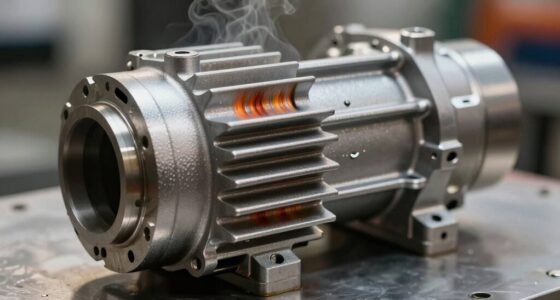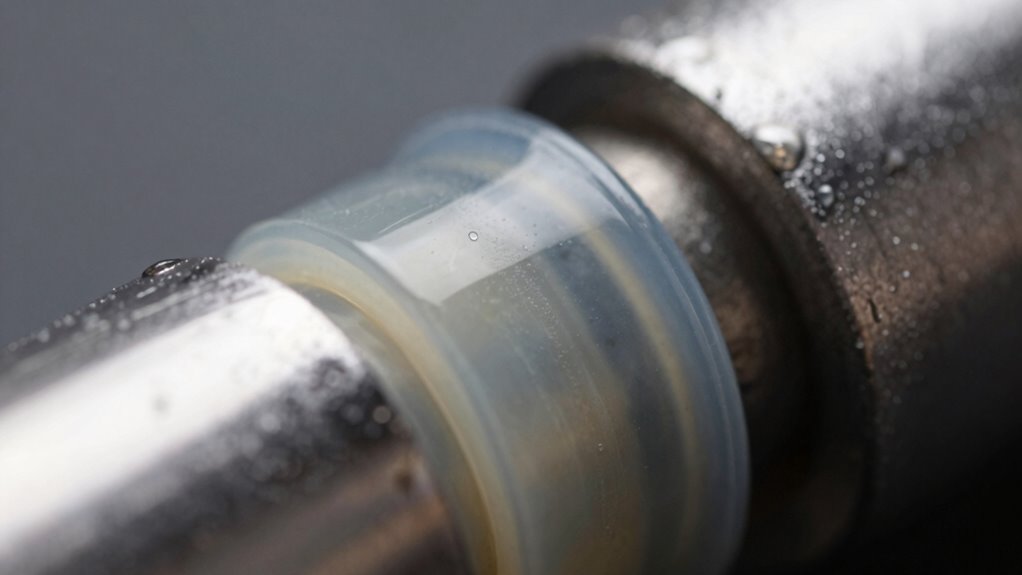
When seal materials come into contact with incompatible chemicals, they can swell because the chemicals are absorbed into the polymer structure. This absorption causes the material to expand, compromising the seal’s fit and effectiveness. Swelling can lead to leaks, equipment damage, or failure. To prevent this, it’s important to choose the right material for your environment. Keep exploring to discover how proper material selection safeguards your sealing performance and prolongs equipment life.
Key Takeaways
- Swelling occurs when seal materials absorb incompatible chemicals, causing expansion beyond their original size.
- Chemical compatibility determines whether a material resists absorption and swelling from specific fluids or gases.
- Exposure to aggressive chemicals or solvents can degrade the polymer structure, leading to swelling.
- Elevated temperatures can increase chemical activity, intensifying swelling in sensitive materials.
- Proper material selection based on chemical and temperature compatibility prevents swelling and seal failure.
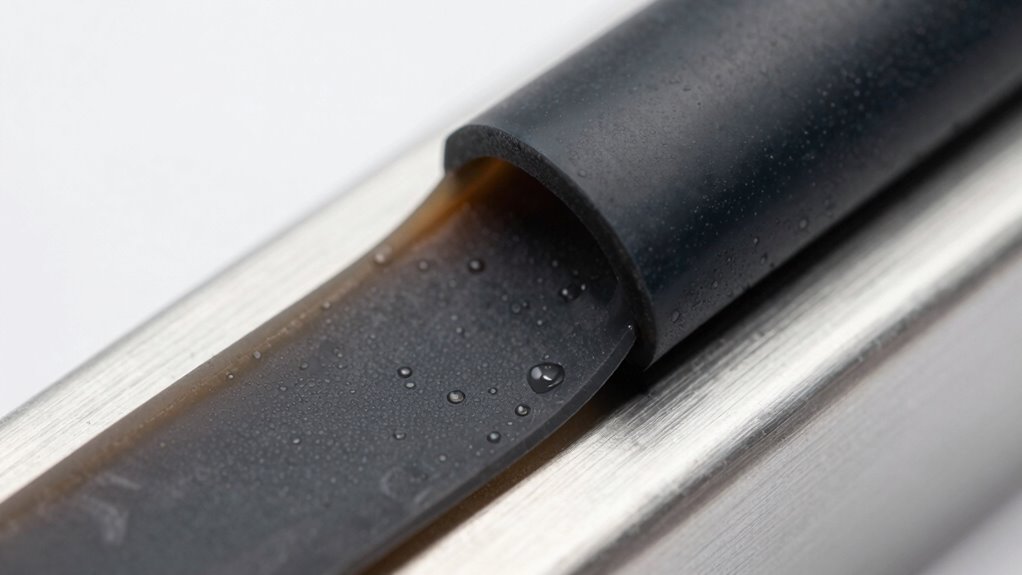
Are you unsure how to determine if a seal is compatible with your equipment? The key lies in understanding material selection and chemical resistance. When choosing a seal, it’s essential to match the material to the specific environment it will operate in. Different materials respond uniquely to various chemicals, temperatures, and pressures, which directly impacts their performance and longevity. If you pick the wrong material, the seal might swell, degrade, or fail prematurely, leading to costly repairs or downtime.
Material selection is the foundation of seal compatibility. You need to consider the type of fluids or gases the seal will contact. For example, rubber-based seals like nitrile or EPDM work well with water and certain oils but might not withstand aggressive chemicals like solvents or acids. Conversely, fluorocarbon or Viton seals offer excellent chemical resistance but can be more expensive and less flexible at lower temperatures. Knowing the specific requirements of your application helps you choose a material that won’t swell or deteriorate when exposed to your operating environment.
Material choice is key; match seal materials to fluid type and operating conditions for optimal performance.
Chemical resistance is another critical factor. When a seal encounters incompatible chemicals, it can absorb the substances, leading to swelling. Swelling occurs because the material’s polymer structure breaks down or absorbs the chemical, causing the seal to expand beyond its intended size. This expansion can compromise the seal’s ability to fit properly, resulting in leaks or seal failure. For example, a seal made from a material that isn’t resistant to certain solvents might swell significantly when exposed, losing its sealing integrity. That’s why understanding the chemical compatibility of your chosen material with the fluids or gases in your system is essential.
Beyond chemical resistance, temperature also influences how materials behave. Some compounds become brittle or lose elasticity at high or low temperatures, affecting their ability to resist swelling or shrinkage. Selecting a material that maintains its properties across your operational temperature range ensures the seal remains effective and doesn’t swell unexpectedly. Additionally, understanding vetted trends in material technology can help you select advanced materials designed for optimal performance under specific conditions.
Ultimately, achieving the right seal compatibility involves a careful balance of material selection, chemical resistance, and understanding your operating conditions. Don’t just choose the cheapest or most familiar option—research the specific chemical properties and temperature tolerances of the materials you’re considering. Properly matched seals will perform reliably, resist swelling, and extend the lifespan of your equipment. Taking the time to understand these factors can save you time, money, and prevent potential failures down the line.

3 PCS Silicone Rubber Sheet 12''x12''x1/8'' – Heat Resistant Flexible Insulation Gasket, 60A Smooth Finish High Temperature Resistant Silicone Mat for DIY Crafts, Seals & Protective Pads (Black)
Robust & Long-Lasting Material: The silicone rubber sheet withstands extreme temperatures from -80℉ to 450℉. Features superior flexibility,…
As an affiliate, we earn on qualifying purchases.
As an affiliate, we earn on qualifying purchases.
Frequently Asked Questions
How Do Temperature Fluctuations Impact Seal Swelling?
Temperature fluctuations cause seals to swell because of thermal expansion, which makes the materials expand or contract. When temperatures rise, seals expand, increasing the risk of material deformation that can compromise the seal’s integrity. Conversely, cooling causes contraction, potentially leading to gaps or leaks. You need to take into account these effects when selecting seals, ensuring they can withstand temperature changes without swelling excessively or losing effectiveness.
Can Chemical Exposure Cause Seals to Swell or Deteriorate?
Did you know that over 60% of seal failures are linked to chemical attack? Chemical exposure can cause seals to swell or deteriorate, especially if you don’t choose the right seal material for your environment. To prevent this, focus on seal material selection and prioritize chemical resistance. This guarantees your seals withstand harsh chemicals, maintaining their integrity and performance over time, saving you costly repairs and downtime.
What Role Does Pressure Play in Seal Material Compatibility?
Pressure effects play a vital role in seal material compatibility by directly impacting sealing performance. When you increase pressure, the seal may compress more tightly, improving the seal, or it could cause deformation if the material isn’t suitable. Excessive pressure can lead to material fatigue or failure, reducing sealing performance. As a result, you must choose a seal material that withstands your operating pressure to guarantee reliable, long-lasting sealing performance.
Are There Environmental Factors That Influence Seal Swelling?
Environmental factors critically influence seal swelling behavior. Exposure to temperature fluctuations, moisture, chemicals, and UV radiation can cause a seal material to swell or contract unexpectedly. When you select a seal, consider these elements to prevent issues. For example, high humidity or chemical exposure can accelerate swelling, compromising performance. By understanding these influences, you guarantee your seal maintains its integrity and function over time, avoiding costly failures.
How Can I Prevent Seal Swelling in Long-Term Applications?
To prevent seal swelling in long-term applications, you should select seal materials resistant to aging and swelling mechanisms, like fluoropolymers or EPDM. Regularly inspect seals, maintain ideal environmental conditions, and avoid exposure to incompatible chemicals. Using proper installation techniques and applying protective coatings can also help, as these measures minimize material degradation and swelling, ensuring reliable performance over time.
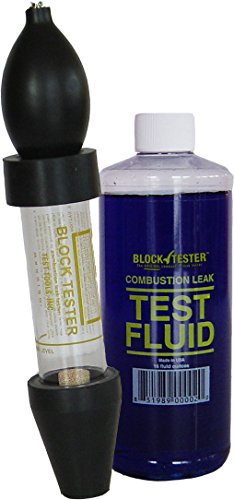
Block Tester BT-500 Head Gasket Combustion Leak Test Kit – Made in USA
Complete Combustion Leak Test Kit: Includes fluid and all necessary components with nothing more to buy for immediate…
As an affiliate, we earn on qualifying purchases.
As an affiliate, we earn on qualifying purchases.
Conclusion
So, next time your seal swells up like it’s auditioning for a balloon animal act, remember it’s just trying to tell you it’s not compatible with that material. Maybe it’s time to give your seals a break and pick materials that actually play nice together. After all, who knew sealing the deal could be so dramatic? Keep an eye on compatibility, or you’ll have a swelling enemy on your hands—and nobody wants that.
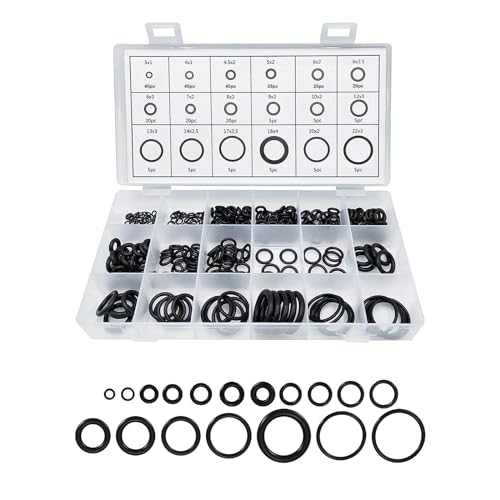
povtii 300 PCS O Ring Assortment Kit Set, 18 Sizes High Pressure High Temperature Resistant Nitrile Rubber Ring Repair Kit, Professional Gasket A/C System Seal Kits, Car Accessories
【Practical Function】: The O ring sealing gaskets are used to prevent metal-to-metal contact during line maintenance, thereby effectively…
As an affiliate, we earn on qualifying purchases.
As an affiliate, we earn on qualifying purchases.

Exactly Rubber – Neoprene Sheet, 60A Durometer Rubber Mat, Gasket Material with -30 to 195°F Temperature Resistance, Oil and Gasoline-Resistant Rubber Sheet, Made in The USA, 1/16 x 9" x 12"
PROFESSIONAL QUALITY NEOPRENE – Our neoprene sheet is crafted from solid rubber that boasts a smooth surface on…
As an affiliate, we earn on qualifying purchases.
As an affiliate, we earn on qualifying purchases.