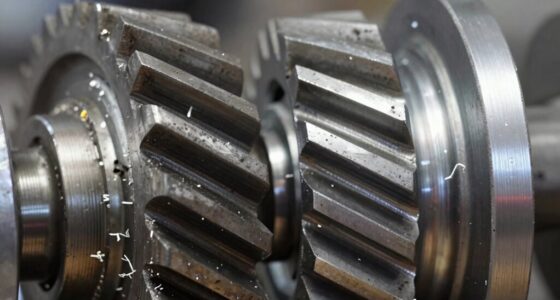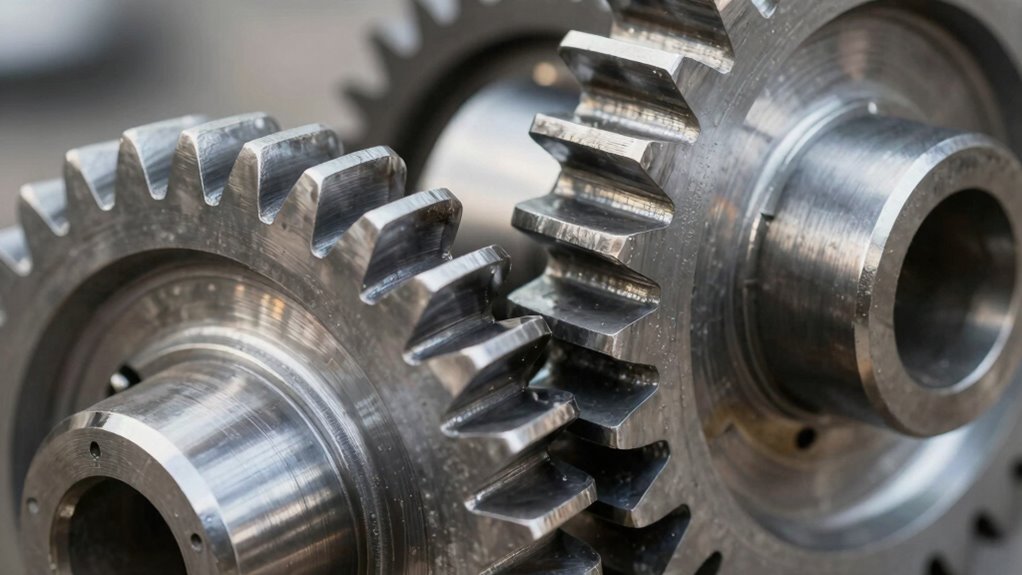
Spur gears can be loud because their simple tooth design causes rapid engagement and disengagement during operation, producing vibrations and noise. However, if you use precise manufacturing tolerances and proper lubrication, they can operate smoothly and last a long time. Maintenance and correct installation also help minimize noise without compromising gear longevity. If you want to understand how to balance noise reduction with durability, there’s more to discover below.

Get business pricing on garage and car supplies
- Business-only prices and quantity discounts
- Tax-exempt purchasing
- Multiple users, one account, clear invoices
Key Takeaways
- Manufacturing tolerances affect gear contact, leading to noise despite long-lasting performance.
- Proper lubrication reduces vibrations and noise, extending gear lifespan.
- Slight looseness or misalignment can cause noise but not necessarily shorten gear life.
- High-quality manufacturing with tight tolerances ensures durability even if noise occurs.
- Regular maintenance and lubrication help maintain longevity despite inherent noise factors.

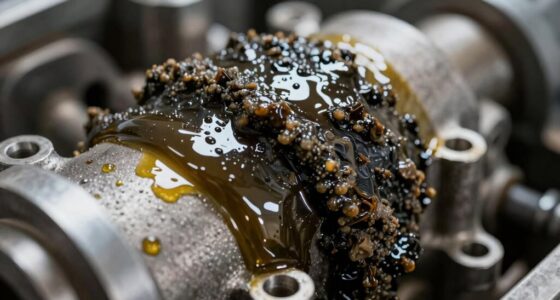
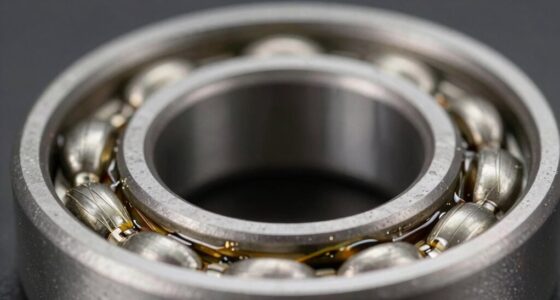
Spur gears are among the simplest and most common types of gears used in machinery. Their straightforward design, with teeth parallel to the axis, makes them easy to manufacture and maintain. However, despite their simplicity, they can produce significant noise during operation. This noise often comes from the way gear teeth engage and disengage rapidly, creating vibrations and sound waves. To minimize these issues, proper gear lubrication is essential. Lubrication reduces friction between teeth, dampens vibrations, and prevents metal-to-metal contact that can lead to wear. Regularly applying the right type of lubricant ensures smoother operation and extends the gear’s lifespan. When selecting gear lubrication, consider factors like operating speed, load, and environmental conditions, as these influence the type and amount of lubricant needed. Proper lubrication not only reduces noise but also helps maintain consistent gear performance over time. Additionally, understanding manufacturing tolerances can help in choosing gears that operate more quietly and last longer.
Another critical aspect influencing the longevity and noise levels of spur gears is manufacturing tolerances. Tolerances refer to the precise measurements and specifications used during gear production. If gears are manufactured with tight tolerances, their teeth will mesh more accurately, decreasing the chances of uneven contact and excessive vibration. Conversely, gears with looser tolerances may fit together less precisely, leading to increased noise and uneven wear. While manufacturing tolerances can be more costly to achieve, they are worth the investment if you want quieter operation and longer gear life. Precise manufacturing also ensures that gears transmit power efficiently, reducing unnecessary stress on individual teeth.
Despite their potential for noise, spur gears can last a long time if you pay attention to these key factors. Consistent gear lubrication prevents premature wear and reduces the likelihood of teeth chipping or breaking. Ensuring manufacturing tolerances are tight during production minimizes vibration and noise, resulting in a smoother operation. It’s also important to regularly inspect gears for signs of wear or misalignment, which can exacerbate noise issues and shorten lifespan. When gears are well-lubricated and manufactured within specified tolerances, they tend to operate more quietly and stand the test of time. Remember, even the simplest gear designs benefit from proper maintenance and quality manufacturing practices. This approach guarantees that your spur gears will continue to perform reliably, even if they produce a bit more noise than more complex gear types.
Products Worth Considering

DEWALT 20V MAX 5-Tool Combo Kit with Drill, Impact Driver, Reciprocating Saw, Circular Saw, Oscillating Tool, Battery and Charger

Vantrue N4 Pro S 4K 3-Channel Dash Cam with Triple STARVIS 2 Sensors

Nextbase 222 1080p HD Dash Cam with 140° Viewing Angle
As an affiliate, we earn on qualifying purchases.
Frequently Asked Questions
How Does Gear Material Affect Noise Levels?
Your gear material substantially impacts noise levels and noise reduction. Softer materials like plastics tend to produce less noise, making them ideal for quieter operations. On the other hand, metals like steel generate more noise but offer durability. Choosing the right gear material balances noise reduction with strength, ensuring your gears operate smoothly and last long without causing excessive noise that could disrupt your environment.
Can Lubrication Reduce Spur Gear Noise?
Yes, lubrication can reduce spur gear noise. Proper lubrication enhances lubrication effectiveness, minimizing metal-to-metal contact and vibrations that cause noise. Using appropriate noise reduction techniques, like selecting the right lubricant and maintaining correct application, guarantees smoother gear operation. Regularly lubricating your gears helps prevent excessive noise, extends gear life, and sustains ideal performance, making it a crucial part of gear maintenance and noise control strategies.
What Maintenance Practices Extend Spur Gear Lifespan?
You can extend your spur gear’s lifespan by regularly checking gear alignment and wear monitoring. Proper alignment prevents uneven stress, reducing noise and damage. Wear monitoring helps catch early signs of deterioration, allowing timely adjustments or replacements. While lubrication minimizes noise, consistent maintenance practices like these ensure your gears operate smoothly, last longer, and avoid costly failures. Prioritize these steps to keep your gears in excellent condition.
Are There Quieter Gear Alternatives?
Yes, there are quieter gear alternatives like helical, bevel, and planetary gears. These options provide better gear noise mitigation because their teeth engage gradually, reducing noise and vibration. If you’re seeking quieter operation, switching to these alternative gear types can make a significant difference, especially in applications where noise levels are critical. Consider consulting a gear specialist to find the best solution tailored to your specific needs.
How Does Gear Size Influence Noise and Durability?
You’ll notice larger gears produce less noise because their gear tooth design distributes force more evenly, reducing vibrations. Bigger gears also tend to be more durable, thanks to manufacturing precision that guarantees consistent tooth contact. Imagine a giant gear smoothly meshing without squeaking—its size minimizes impact stress, boosting longevity. So, increasing gear size generally lowers noise levels and enhances durability, making it ideal for heavy-duty applications.
Conclusion
Despite their reputation for noise, spur gears can last a long time if properly maintained. For example, a manufacturing plant recently upgraded its gear system, addressing lubrication and alignment issues. As a result, the gears operated more quietly and showed improved durability over time. This proves that while spur gears might be loud initially, regular care and correct installation guarantee they can serve reliably for many years, making them a practical choice in many applications.