
TL;DR

Get business pricing on garage and car supplies
- Business-only prices and quantity discounts
- Tax-exempt purchasing
- Multiple users, one account, clear invoices
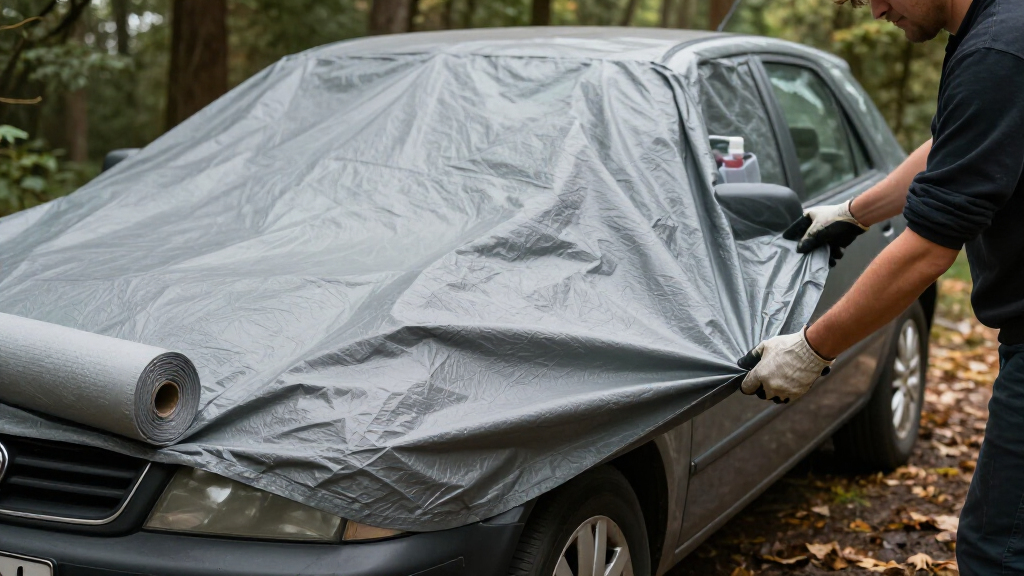
Campers are increasingly wrapping their cars in tarps to deter marmots addicted to antifreeze from damaging vehicles. The trend is spreading, but its origins and full scope remain unclear.
Campers across certain outdoor regions are wrapping their vehicles in tarps to ward off marmots that are attracted to antifreeze, which they have developed a taste for. This unusual protective measure has gained attention as reports of marmot-related vehicle damage increase, prompting outdoor enthusiasts to adopt creative solutions.
Multiple sources indicate that a growing number of campers and outdoor enthusiasts are wrapping their cars with tarps or other coverings as a preventive measure against marmots. These rodents have been observed gnawing on vehicle components, especially targeting antifreeze containers, which contain chemicals that attract them due to their sweet taste.
The trend appears to have started in regions where marmots are common and antifreeze use is prevalent during colder months. Although the exact number of affected campers is unknown, social media posts and anecdotal reports suggest that the behavior is spreading among outdoor communities. Authorities and wildlife experts have not officially confirmed the trend but acknowledge the increasing reports of vehicle damage linked to marmot activity.
Experts note that antifreeze contains ethylene glycol, which is highly toxic to animals, but marmots seem to be attracted to its sweet flavor. This has led to a surge in marmot visits to parked vehicles, especially in areas where food and waste are less accessible. Campers are now taking measures such as wrapping their cars with tarps, installing barriers, or using repellents to protect their vehicles.
Why Protecting Vehicles from Marmots Matters
This trend is significant because it highlights a growing wildlife interaction issue that impacts outdoor recreation and vehicle maintenance. Marmots attracted to antifreeze pose health risks to themselves and potential environmental hazards if they consume toxic substances. Additionally, vehicle damage caused by gnawing can lead to costly repairs for campers and outdoor enthusiasts.
The increasing reports also raise questions about wildlife behavior changes, possibly linked to environmental factors or shifts in marmot populations. Understanding and addressing these interactions is important for wildlife management, vehicle safety, and outdoor safety protocols.
As an affiliate, we earn on qualifying purchases.
Emerging Wildlife Behavior and Camper Responses
Over recent weeks, reports of marmots damaging parked vehicles by gnawing on antifreeze containers have surfaced from outdoor regions known for marmot populations. The behavior appears to be linked to the marmots’ attraction to the chemicals in antifreeze, which they find appealing due to its sweetness. This is not the first time wildlife has interacted with human vehicles, but the specific focus on antifreeze is a new development.
Historically, marmots and other rodents have been known to chew on wiring and insulation, but the recent spike in antifreeze-related damage is notable. The trend is believed to be driven by a combination of marmots seeking food and the presence of accessible antifreeze in parked vehicles, especially during colder months when animals seek caloric sources.
While some campers have responded by wrapping their cars in tarps or using repellents, the full scope of the issue and potential solutions remain under investigation. Wildlife experts suggest that this could be an adaptive behavior driven by environmental pressures or food scarcity.
vehicle antifreeze container cover
As an affiliate, we earn on qualifying purchases.
As an affiliate, we earn on qualifying purchases.
Unconfirmed Causes and Extent of Marmot Damage
It is not yet confirmed how widespread this behavior is or whether it is a temporary anomaly or a longer-term shift in marmot behavior. The exact reasons behind the attraction to antifreeze and whether environmental factors are influencing this trend remain unclear. Wildlife authorities have not officially documented or studied the phenomenon in detail, and reports are primarily anecdotal.
As an affiliate, we earn on qualifying purchases.
Monitoring and Potential Solutions for Marmot-Car Interactions
Wildlife agencies and outdoor groups are expected to monitor the situation closely in the coming weeks. Researchers may investigate the causes of marmots’ attraction to antifreeze and assess the effectiveness of protective measures such as tarps and repellents. Authorities might also issue guidelines for campers to prevent damage and reduce risks to wildlife health. Further data collection and official reports are anticipated to clarify the scope and causes of this behavior.
As an affiliate, we earn on qualifying purchases.
Key Questions
Why are marmots attracted to antifreeze?
Marmots appear to be attracted to antifreeze because it contains ethylene glycol, which has a sweet taste that can lure rodents and small mammals. This attraction is unusual and not typical of their normal diet.
Are marmots harmed by antifreeze consumption?
Yes, antifreeze is highly toxic to animals, including marmots, and can cause serious health issues or death if ingested. The attraction poses both wildlife health risks and potential environmental hazards.
What can campers do to protect their vehicles?
Campers are wrapping their cars in tarps, installing barriers, or using repellents to deter marmots. Experts suggest keeping antifreeze containers sealed and stored securely to minimize exposure.
Is this behavior expected to continue?
It is currently uncertain whether this is a temporary adaptation or a longer-term trend. Wildlife officials are monitoring the situation for further developments.
Should I be concerned about wildlife interactions while camping?
Yes, it is advisable to follow wildlife safety guidelines, store chemicals securely, and avoid attracting animals to your vehicle or campsite to prevent damage and protect animal health.
Source: rss
Halloween Picks
halloween
As an affiliate, we earn on qualifying purchases.