
TL;DR

Get business pricing on garage and car supplies
- Business-only prices and quantity discounts
- Tax-exempt purchasing
- Multiple users, one account, clear invoices
A car detailing kit groups cleaners, protectants, and tools for maintaining your car’s interior or exterior, but “complete” kits do not suit every surface. Check labels, compare product amounts and replacement costs, and keep tools used on wheels away from paint. Clean technique matters as much as the products in the box.
A gleaming car can come from six useful items, while a box with twenty bottles can leave you wondering what is safe to spray where. The number of products tells you little about how well a kit fits your car.
This guide explains what car detailing kits usually contain, how to compare their value, and how to choose and use products for your vehicle’s surfaces. You’ll also learn when a beginner set is plenty—and when a specialist product makes sense.
Choose a kit for the surfaces and tasks you have, not the number of bottles in the box.
Compare concentrations, product amounts, tools, and individual refill prices to judge value.
Keep wheel brushes and towels separate from tools used on paint.
Use cleaners on leather, screens, matte finishes, or coatings only when labels approve them.
For rinseless washing, follow directions closely; heavily soiled cars need loose dirt removed first.
What a car detailing kit actually includes
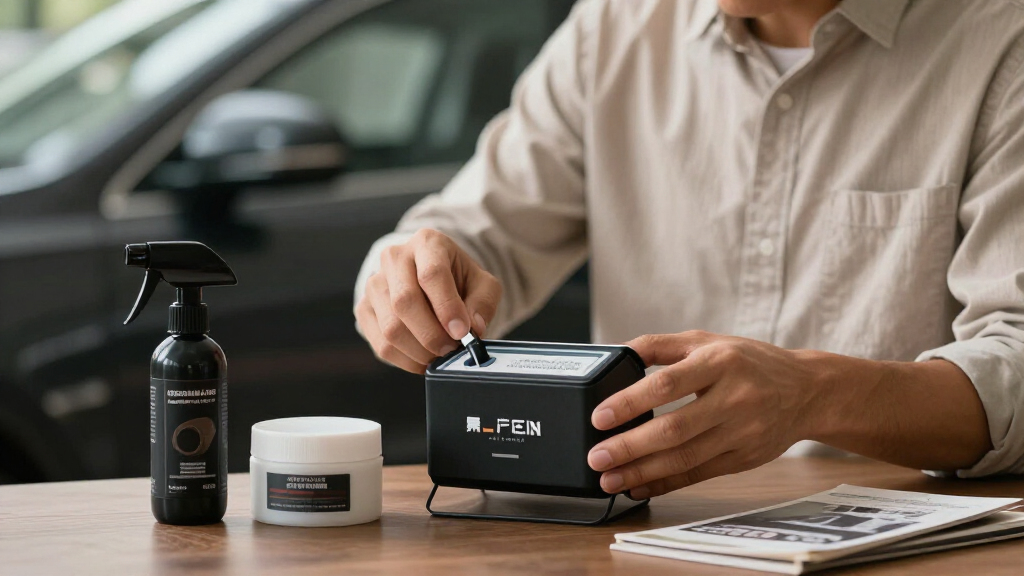
A car detailing kit is a group of products and tools for cleaning, protecting, or improving a vehicle’s interior, exterior, or both. Some boxes hold mostly cleaners; others add towels, brushes, mitts, and applicators. The label “complete” is a marketing claim, not a promise that every item suits every surface.
Think of three separate jobs: cleaning removes soil, polishing can refine a paint finish, and wax, sealant, or ceramic spray adds a protective layer. These jobs build on one another: a protectant applied over grime may seal in contamination, while polishing dirty paint can drag particles across it. A bottle meant for one job may not do the others. For example, an interior cleaner won’t remove paint scratches, and a quick ceramic spray isn’t automatically equivalent to a professionally applied multi-year coating.
A small weekend kit might include car wash soap, a mitt, drying towels, glass cleaner, and an interior cleaner. That covers frequent maintenance without adding products for occasional correction work. A car enthusiast with a coated vehicle may prefer a kit made for ceramic care, since unsuitable cleaners or protectants can interfere with the coating’s behavior. Before buying, decide whether you want to clean the cabin, wash the body, care for wheels, or tackle all three; each additional job can add useful capability, but also cost, storage, and more chances to use a product incorrectly.
Choose a kit that matches your car and routine
Car detailing kits work best when their products match the surfaces you own and the jobs you actually do. Check the label for approved uses on paint, trim, glass, upholstery, leather, and wheels. A family SUV with cloth seats has different needs from a sports car with matte paint and a ceramic coating. Compatibility matters because a cleaner that is effective on one material may leave another dull, sticky, or damaged; a broad claim such as “all-purpose” still needs to be checked against the specific surfaces listed by the maker.
Kits range from small starter sets to broad collections for enthusiasts and professionals. More bottles can mean more choice, but also more storage, higher upfront cost, and unused product that may expire or become difficult to identify. If you wash your car in an apartment garage with limited water, a rinseless kit may help conserve water and avoid runoff; if the car is caked with road salt or mud, a traditional rinse first is the safer call because heavy grit can overwhelm a rinseless wash and increase the chance of scratches.
Some shoppers search for “kit bundles products” or “a car detailing” set that covers everything in one purchase. Compare what’s inside rather than relying on those broad labels. Check dilution ratios, bottle sizes, clear surface warnings, and whether the maker sells refills for the products you’ll use most. A concentrate may cost more initially but provide many working batches; a ready-to-use product is simpler, though it can run out faster and cost more per use.
- For a first kit: prioritize wash soap, a mitt, drying towels, glass cleaner, and a suitable interior cleaner. These handle routine jobs without requiring specialist techniques.
- For coated paint: look for products labeled as compatible with your coating. This helps preserve the coating’s intended water behavior and avoids layering on a product that interferes with it.
- For delicate finishes: seek explicit approval for matte paint, leather, screens, or convertible fabric. The extra check is useful because damage or finish changes can be hard to reverse.
Compare kits by useful contents, not bottle count
To judge a kit’s value, compare product quantity, concentration, included tools, and refill cost rather than counting bottles. A concentrated cleaner may last through many diluted batches, while a large ready-to-use bottle may run out quickly. Consider whether you would buy each item on its own, and estimate how often you will use it: a low-cost specialty bottle is poor value if it sits unused, while a frequently used cleaner can justify a higher price if refills are easy to find.
| Kit feature | What to check | Why it matters |
|---|---|---|
| Cleaning products | Intended surface and dilution instructions | Prevents using a cleaner on the wrong material and shows how much usable product the bottle provides |
| Towels and mitts | Fiber type, care instructions, and quantity | Clean, suitable microfiber helps reduce scratching risk; enough towels also lets you switch to a clean one instead of reusing a dirty surface |
| Brushes | Bristle softness and intended use | Hard wheel brushes can be rough on delicate finishes, so a brush that cannot be used safely on your surfaces may add little value |
| Refills | Price and availability of individual products | Lets you replace favorites without rebuying a bundle, reducing long-term cost and waste |
For instance, a $60 bundle that includes two products you’ll never use may be worse value than a $40 set with the exact cleaner and towels you need. Compare the amount you expect to consume, not just the shelf price: concentrates, dilution ratios, and refill availability all affect the cost of a typical wash. A polished box and matching labels look tidy on a shelf; the cost per useful wash matters more.
Wash paint without grinding dirt into it
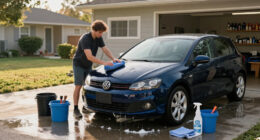
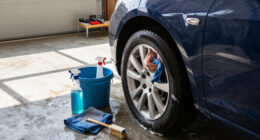
To wash paint safely, use clean, appropriate tools, rinse them often, and keep wheel-cleaning tools separate from paint-care tools. A bit of grit trapped in a mitt can drag across clear coat like sandpaper, leaving fine marks that dull the finish and may require polishing to remove. Even a reputable product cannot rescue careless technique.
- Read the label and check that the product suits your paint or coating. This prevents a cleaner or wash method from conflicting with the finish’s care requirements.
- Rinse loose dirt before touching the body with a mitt. Removing larger particles first reduces how much abrasive debris the mitt can carry across the paint.
- Wash gently, rinsing the mitt often and switching it out if it picks up grit. Frequent rinsing takes a little longer, but lowers the chance that one dirty pass marks a large area.
- Dry with clean microfiber and follow the towel maker’s care instructions. A clean, soft towel reduces friction and water spots; a towel contaminated during storage can undo careful washing.
- Store tools separately, especially brushes and towels used on wheels. Brake dust and road grit can remain embedded after use, so keeping wheel tools apart prevents accidental transfer to paint.
Imagine washing a dusty sedan after a gravel-road trip. If you take a wheel brush, load it with road grit, then swipe it across a door, the paint can pick up fine scratches. A quick rinse of the car and clean tools make that scenario much less likely.
Use specialist products where surfaces are delicate
Use a product on leather, screens, matte paint, or convertible fabric only when its label says it is suitable for that surface. These materials can react differently to strong cleaners, shine enhancers, or abrasive tools. For example, a glossy dressing can leave an unwanted sheen on matte trim, and a harsh cleaner may dry or discolor some upholstery. When you’re unsure, check the vehicle manual and product directions before applying anything; a small, inconspicuous test spot can help reveal an immediate reaction, though it does not replace compatibility guidance.
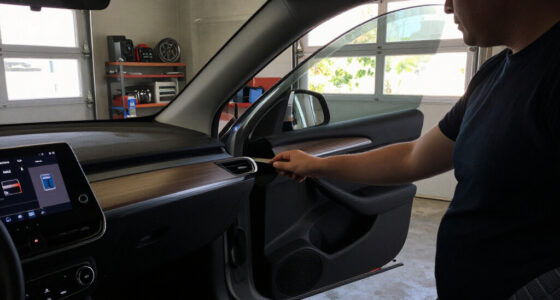
That matters inside, too: a household glass cleaner may leave residue on a car display, and an all-purpose cleaner may dull a sensitive trim piece. If your car has a large touchscreen, apply cleaner to a microfiber cloth rather than spraying directly onto the screen, unless the screen maker instructs otherwise. This limits the chance of liquid reaching seams or controls, where it can be harder to remove.
Recent kits often target ceramic-coated paint, interiors, wheels, or waterless and rinseless washing. Some products also advertise balanced pH, concentrated formulas, or reduced packaging. These features can be useful, but each comes with tradeoffs: a specialty formula narrows your choices, a concentrate requires correct mixing, and reduced packaging says little about surface compatibility. Treat claims as a starting point: formulas change, and you should read the current label for surface compatibility and directions.
Keep wheel tools away from paint. Brake dust and road grit can cling to brushes and towels, so dedicate separate tools to wheels and bodywork.
Know when a kit saves money—and when it doesn’t
A detailing kit can save shopping time and money when its contents match your routine and the included products work well together. It can cost more than buying a few basics separately if the bundle includes specialist chemicals you’ll rarely touch. Price the items you expect to use, then compare their sizes and refill costs; also account for whether you already own suitable towels or tools, since paying for duplicates reduces the bundle’s practical value.
Suppose you wash your hatchback every other week and clean the cabin once a month. You may get more use from a compact wash-and-interior set than a professional-style bundle with polishing compounds and multiple protectants. The larger bundle offers flexibility if you plan to learn paint correction, but those products also require more knowledge and occasional use may leave them sitting unused. If you rarely wash at home, paying extra for a shelf full of products may not make sense.
There’s no universal detailing schedule. Weather, parking, commute, pets, children, and personal preference all affect how often you clean or protect the car. A quick weekly vacuum after muddy hikes and a deeper interior clean every few months might suit one driver; a garage-kept weekend car could need less frequent attention. The useful kit is therefore the one that supports the routine you can sustain, rather than one sized for an ideal schedule you are unlikely to follow.
Frequently Asked Questions
What should a beginner’s car detailing kit include?
Start with car wash soap, a wash mitt, drying towels, glass cleaner, and an interior cleaner suitable for your cabin. Add brushes or applicators only for jobs you expect to do. Check that every product is safe for the materials in your car.
Are car detailing kits worth buying?
They can be, when you’ll use most of the contents and the bundle costs less than buying those items individually. Compare product sizes, concentrations, tools, and refill prices. A larger kit is not automatically a better deal.
Can one kit clean both the interior and exterior?
Some kits include products for both, but cleaners are still surface-specific. Read the labels before using anything on paint, leather, glass, screens, or trim. One “all-purpose” claim does not guarantee that a product suits every material.
Will a detailing kit scratch my car?
The main risk often comes from dirt trapped in a mitt or towel, an unsuitable brush, or an abrasive product. Rinse tools often, use clean microfiber, and keep wheel tools away from paint. Follow the product directions and avoid scrubbing gritty surfaces.
Do ceramic detailing kits provide long-lasting protection?
Consumer ceramic sprays can add gloss and water repellency, but how long they last depends on the formula, preparation, use, and maintenance. They are not necessarily the same as professionally applied ceramic coatings. Check the current label for application steps and care guidance.
Conclusion
Pick the smallest kit that covers your real routine, check every label against your car’s surfaces, and keep your tools clean. A bucket, a clean mitt, and a few well-chosen products can leave paint shining in the late light without turning your garage into a chemical cupboard.
Fall Picks
fall essentials
As an affiliate, we earn on qualifying purchases.