
TL;DR

Get garage and car supplies delivered free — and shop member deals
- Fast, free delivery on millions of items
- Access to Prime Big Deal Days deals on October 6–7
- Prime Video, Amazon Music and more included
The federal government is evaluating potential policy changes that could restrict the right to repair vehicle emissions systems. This development could affect vehicle owners, repair shops, and automakers, but details are still emerging.
The U.S. Environmental Protection Agency (EPA) and other federal agencies are considering new regulations that could limit the right to repair for vehicle emissions systems. This move, if implemented, would mark a significant shift in current repair policies, potentially affecting vehicle owners, independent repair shops, and automakers.
Sources familiar with the matter indicate that the EPA and the Department of Transportation are reviewing proposals that might restrict access to diagnostic tools and repair information for emissions control systems. These systems are crucial for meeting federal emissions standards and are often a focus of repair disputes. The potential policy change appears to be aimed at balancing environmental concerns with concerns about security and proprietary technology. At this stage, no formal rule has been announced, and the agencies have not confirmed specific details. Industry groups and consumer advocates are closely watching the developments, with some warning of possible impacts on repair affordability and consumer choice.Legal experts note that any shift in policy could face legal challenges, especially if it appears to undermine existing rights established under state and federal laws. The debate around right-to-repair has gained momentum recently, with automakers and technology companies advocating for tighter controls over diagnostic data, citing security and intellectual property concerns. Conversely, consumer groups argue that restricting access could lead to higher repair costs and reduced vehicle longevity.
Potential Impact on Vehicle Repair Rights and Environmental Goals
This development could reshape the landscape of vehicle repair by limiting independent technicians’ access to emissions system data, potentially increasing repair costs for consumers. It also raises questions about how these changes might affect environmental compliance, as emissions systems are central to meeting federal standards. The policy shift might favor automakers and technology firms but could restrict consumer choice and repair affordability. The broader implications include potential legal battles and shifts in the auto repair industry’s regulatory environment.
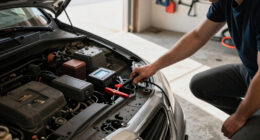
vehicle emissions diagnostic tools
As an affiliate, we earn on qualifying purchases.
As an affiliate, we earn on qualifying purchases.
Ongoing Debate Over Repair Rights and Emissions Regulations
The right to repair movement has gained momentum over recent years, advocating for consumers and independent repair shops to access diagnostic tools and repair information. Current regulations, including those under the Magnuson-Moss Act, generally support repair rights for vehicle owners. However, automakers have pushed back, citing security and proprietary technology concerns. The EPA has previously focused on emissions standards enforcement, but recent discussions suggest a possible policy shift that could restrict repair access for emissions systems. The timing coincides with broader industry debates over data security, intellectual property, and environmental compliance.
“We are reviewing policies to ensure that vehicle emissions systems are protected while maintaining fair repair practices.”
— EPA spokesperson
right to repair vehicle emissions systems
As an affiliate, we earn on qualifying purchases.
As an affiliate, we earn on qualifying purchases.
Details of Proposed Policy Changes Are Still Unclear
It is not yet clear what specific regulations or restrictions the EPA and other agencies are considering. The scope, timeline, and legal framework of any new policy remain uncertain, and formal proposals have not been released. Stakeholders are awaiting official announcements, which could come in the coming months.
As an affiliate, we earn on qualifying purchases.
Monitoring Developments and Possible Regulatory Announcements
Federal agencies are expected to finalize and announce any policy changes after further review and stakeholder consultations. Industry groups and consumer advocates are preparing for potential legal challenges or lobbying efforts. The next significant step will likely involve public comment periods and regulatory drafting, with any changes possibly taking effect later in 2024 or early 2025.
As an affiliate, we earn on qualifying purchases.
Key Questions
Could this policy restrict my ability to repair my vehicle’s emissions system?
Potentially, if the proposed regulations limit access to diagnostic tools and repair information, it could make repairs more difficult or costly for consumers and independent shops.
Why are regulators considering these changes now?
Officials cite concerns over vehicle security, proprietary technology, and environmental compliance, but exact motivations are still being clarified.
Will this affect all vehicles or only certain models?
It is too early to determine the scope, but any policy could initially target specific emissions systems or vehicle types before broader application.
Can consumers oppose these regulatory changes?
Yes, public comments and advocacy efforts can influence the final regulations, and legal challenges are also possible.
When might any new rules go into effect?
If finalized, regulations could be implemented as early as late 2024 or in 2025, depending on the regulatory process and stakeholder responses.
Source: rss
Halloween Picks
halloween
As an affiliate, we earn on qualifying purchases.