
TL;DR
Open a free Amazon Business account
Business pricing, bulk buying and tax-exempt orders.
Create a free accountAs an affiliate, we earn on qualifying purchases.
Tesla has announced that its Cybercab electric vehicle is legally permitted on public roads. Regulators are now examining the vehicle’s compliance with safety and regulatory standards. The development raises questions about how the Cybercab meets existing legal requirements for street use.
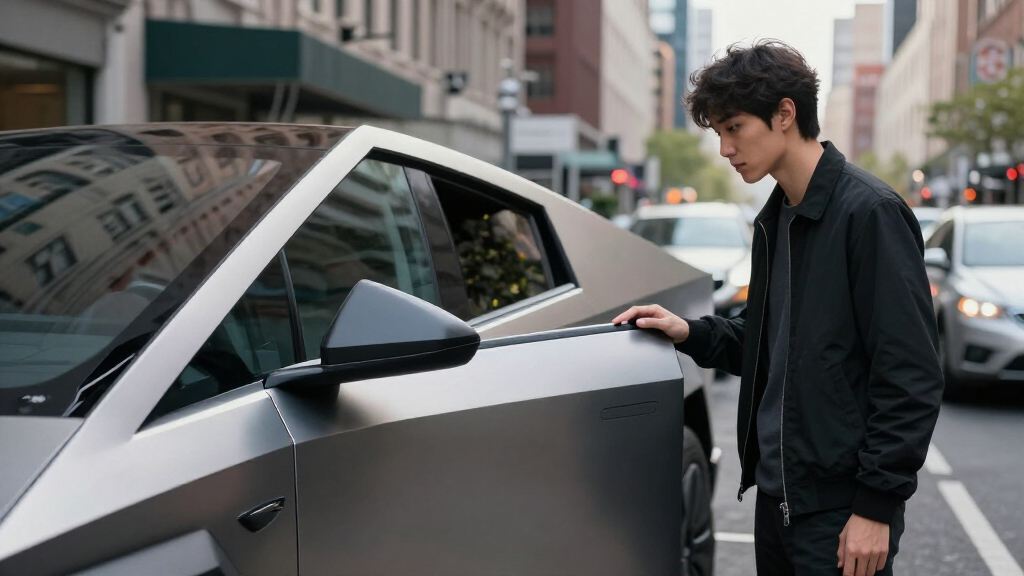
Tesla has officially claimed that its upcoming electric vehicle, the Cybercab, is street legal, a statement that has prompted immediate inquiries from regulatory agencies. This assertion comes as Tesla prepares to introduce the vehicle to the market, raising questions about how it meets existing safety and compliance standards necessary for public road use. The claim is confirmed by Tesla representatives, but regulatory bodies have yet to publicly verify the vehicle’s legal status.
According to Tesla, the Cybercab has received certification or approval that qualifies it for street use in certain jurisdictions. Tesla spokespersons emphasized that the vehicle complies with all relevant safety regulations, though specific documentation or certification details have not been publicly disclosed. The company’s statement appears to be aimed at reassuring potential buyers and the public amid growing interest in the vehicle’s legality.
Meanwhile, several regulatory agencies, including the National Highway Traffic Safety Administration (NHTSA), have confirmed that they are investigating Tesla’s claim. An NHTSA spokesperson stated, “We are reviewing Tesla’s assertion regarding the Cybercab’s legal status and will verify whether it meets all applicable safety standards before any further conclusions are made.” The agencies have not provided a timeline for their review or disclosed the criteria they are examining.
Industry experts note that the Cybercab’s design features—such as its autonomous driving capabilities, unique exterior structure, and electric powertrain—may pose new questions for regulators accustomed to traditional vehicle standards. Tesla has not yet released detailed technical specifications or safety testing data related to the vehicle’s compliance, fueling further scrutiny.
Implications of Tesla’s Legal Claim for the EV Market
This development is significant because it could set a precedent for how new electric and autonomous vehicles are regulated in the future. If Tesla’s claim is confirmed, it may accelerate regulatory acceptance of unconventional vehicle designs and technologies. Conversely, if regulators determine the Cybercab does not meet safety standards, it could delay or restrict its market entry, impacting Tesla’s plans and influencing industry norms.
For consumers, the question of legality affects trust and adoption. A verified legal status would support Tesla’s marketing efforts and boost consumer confidence, while uncertainty could lead to skepticism and regulatory hurdles that might slow down the vehicle’s rollout.
electric vehicle street legal certification
As an affiliate, we earn on qualifying purchases.
As an affiliate, we earn on qualifying purchases.
Background on Tesla’s Cybercab and Regulatory Standards
Tesla’s Cybercab is part of the company’s broader push into autonomous and electric vehicles, with prototypes showcased in recent months. The vehicle features a distinctive design, with an emphasis on urban mobility and autonomous operation. While Tesla has a track record of pushing technological boundaries, regulatory approval for innovative vehicle concepts often lags behind development.
Historically, regulators like NHTSA and the Department of Transportation have established safety standards primarily for traditional cars, including crashworthiness, crash avoidance, and occupant protection. As electric and autonomous vehicles become more prevalent, these standards are evolving, but some vehicles still face uncertainty regarding compliance. Tesla’s claim that the Cybercab is street legal arrives amid ongoing debates about how to regulate such vehicles effectively.
Previous Tesla models, such as the Model S and Model 3, went through extensive safety testing and certification processes before market release. The Cybercab’s case is different in that it appears to challenge or extend current standards, prompting regulators to scrutinize the vehicle’s features and safety data more closely.
As an affiliate, we earn on qualifying purchases.
Unverified Aspects of the Cybercab’s Legal Status
It is not yet clear whether the Cybercab has received formal certification from regulatory agencies or if Tesla’s claim is based on preliminary approvals. The specific safety standards it meets remain undisclosed, and regulators have not issued an official ruling. The timeline for their review and decision is also unknown. Additionally, questions remain about whether the vehicle’s autonomous features comply with existing autonomous vehicle regulations.
As an affiliate, we earn on qualifying purchases.
Next Steps in Regulatory Review and Market Launch
Regulators are expected to complete their review within the coming weeks or months, potentially issuing a formal statement on the vehicle’s legality. Tesla may provide additional technical data or certification documentation to support its claim. The outcome of this review will determine whether the Cybercab can proceed to wider deployment and sales. Industry observers will be watching closely for any regulatory decisions that could influence future vehicle standards and Tesla’s strategy.
As an affiliate, we earn on qualifying purchases.
Key Questions
What makes the Cybercab different from traditional vehicles?
The Cybercab features a distinctive design focused on urban mobility, autonomous driving capabilities, and an electric powertrain, challenging existing vehicle standards.
Has Tesla provided technical details about the Cybercab’s safety certification?
No, Tesla has not publicly disclosed detailed safety testing data or certification documents as of now. The company’s claim remains under review by regulators.
What are the potential regulatory hurdles for the Cybercab?
Regulators will examine whether the vehicle meets safety standards for crashworthiness, autonomous operation, and general roadworthiness. Its unconventional design may require new or adapted standards.
Could the Cybercab face delays or bans if it’s found not to meet standards?
Yes, if regulators determine the vehicle does not comply with safety regulations, its market entry could be delayed or restricted, impacting Tesla’s rollout plans.
When will regulators make a final decision?
There is no confirmed timeline; the review process could take weeks or months, depending on the complexity of the vehicle’s features and the regulatory review process.
Source: rss
NFL season / tailgating Picks
team gear
As an affiliate, we earn on qualifying purchases.