
TL;DR

Get business pricing on garage and car supplies
- Business-only prices and quantity discounts
- Tax-exempt purchasing
- Multiple users, one account, clear invoices
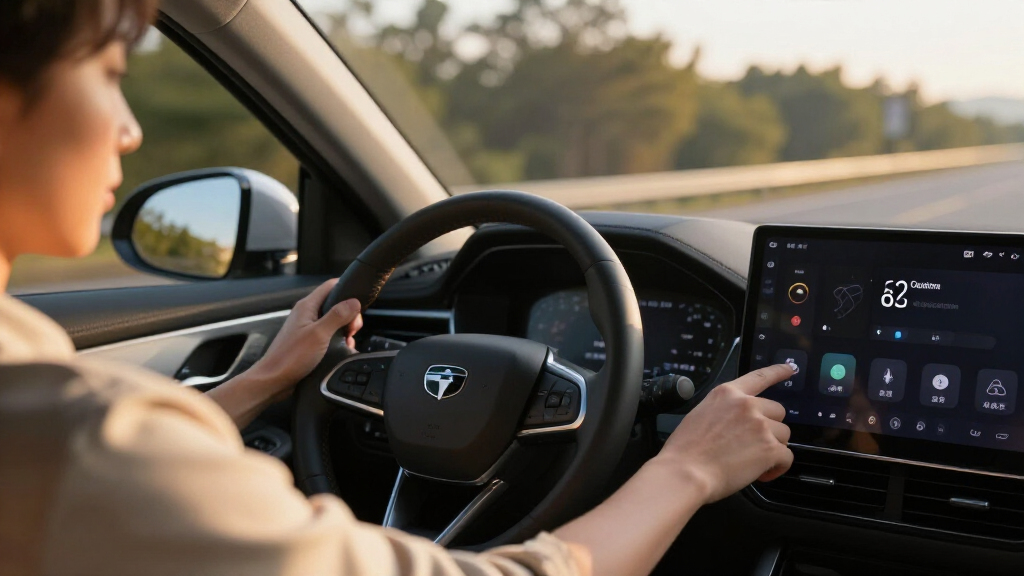
The car industry is conducting A/B testing by selling vehicles with and without Apple CarPlay. This development signals a potential shift in how automakers approach standard features and consumer choice. The results could influence future vehicle configurations and feature offerings.
Several major automakers are conducting A/B testing by selling vehicles both with and without Apple CarPlay, a move that could reshape standard feature offerings in the industry. This experimentation aims to assess consumer demand and the impact on vehicle sales, making it a significant development for both manufacturers and consumers.
Sources familiar with industry practices indicate that multiple automakers are running controlled sales tests, offering identical vehicle models with the only difference being the inclusion or exclusion of Apple CarPlay. The purpose, according to industry insiders, is to evaluate whether consumers value this feature enough to influence purchasing decisions or if it can be considered a premium add-on.
While no automaker has officially announced a broad shift away from including CarPlay as a standard feature, the testing suggests a strategic reassessment of feature bundling and pricing. Some industry observers interpret this as a potential move toward more customizable vehicle packages, allowing consumers to choose whether to pay for connectivity features.
It’s important to note that the testing is still in early stages, and specific brands or models involved have not been publicly disclosed. The industry-wide implications, however, are already drawing attention from analysts and consumer advocacy groups.
Potential Impact on Consumer Choice and Industry Standards
This testing could lead to a fundamental shift in how automakers package vehicle features. If consumers show little interest in paying extra for CarPlay, manufacturers might reconsider including it as a standard feature, potentially lowering vehicle prices or reallocating resources to other technologies. Conversely, if demand remains high, it could reinforce CarPlay’s status as a must-have feature, influencing industry standards and competitive offerings.
For consumers, the development raises questions about the value and cost of connectivity features. It also signals a broader trend toward customizable vehicle options, which could impact pricing strategies and the availability of advanced tech in lower-tier models.
Overall, the experiment underscores the evolving landscape of automotive connectivity and the strategic decisions automakers are making to balance feature offerings with consumer preferences and cost considerations.
Apple CarPlay compatible car stereo
As an affiliate, we earn on qualifying purchases.
As an affiliate, we earn on qualifying purchases.
Industry Trends Toward Feature Customization and Testing
The automotive industry has long debated the inclusion of digital connectivity features like Apple CarPlay and Android Auto, which have become popular with consumers. Historically, these features have been bundled as standard or offered as optional upgrades. Recently, however, automakers have begun exploring more flexible configurations, including offering vehicles without certain tech features.
This shift is partly driven by increasing pressure to reduce costs, improve profit margins, and respond to diverse consumer preferences. The current testing of offering cars both with and without CarPlay is seen as part of a broader industry trend toward personalized feature packages.
Interest in this approach has been amplified by rising consumer expectations for customizable vehicles, as well as the growing importance of digital features in vehicle purchasing decisions. The testing also aligns with broader industry movements toward direct-to-consumer sales models and flexible pricing strategies.
While specific details about the scope and scale of these tests remain unconfirmed, the trend is gaining attention as a potential new standard in vehicle configuration.
car infotainment system with CarPlay
As an affiliate, we earn on qualifying purchases.
As an affiliate, we earn on qualifying purchases.
Unclear Scope and Industry Adoption of Testing Results
It remains uncertain how widespread these A/B tests are across the industry and whether automakers will adopt this approach broadly. No official statements have confirmed a shift away from including CarPlay as a standard feature, and it is not yet clear how consumers are responding to these tests.
Additionally, the long-term impact on vehicle pricing, feature bundling, and consumer satisfaction is still unknown. Industry insiders emphasize that these are early-stage experiments, and broader industry acceptance or rejection has yet to be determined.
As an affiliate, we earn on qualifying purchases.
Monitoring Industry Responses and Consumer Preferences
Automakers are expected to continue testing and collecting data on consumer responses to offering vehicles with and without CarPlay. Future announcements or pilot programs could clarify whether this approach gains traction or remains a limited experiment.
Analysts will closely watch sales data, customer feedback, and industry shifts over the coming months. If successful, this could lead to more flexible vehicle configurations and influence the standard feature sets across the industry.
Regulators and consumer groups may also scrutinize these practices to ensure transparency and fairness in feature offerings and pricing.
As an affiliate, we earn on qualifying purchases.
Key Questions
Why are automakers testing cars without CarPlay?
Automakers are testing whether offering vehicles without CarPlay affects consumer demand and sales, aiming to evaluate the feature’s value and explore more customizable vehicle packages.
Could this testing lead to fewer cars having CarPlay as a standard feature?
Yes, if consumer interest in paying extra for CarPlay is low, automakers might reconsider including it as a standard feature, potentially making it an optional add-on.
How might this affect vehicle prices?
If automakers offer cars without CarPlay as an option, it could lower the base price of some models or allow more flexible pricing strategies based on selected features.
Is this a sign of broader industry change?
While still in early testing stages, this practice reflects a broader trend toward feature customization and flexible configurations in the automotive sector.
When will we know the results of these tests?
Automakers are expected to analyze sales and customer feedback over the coming months. Official industry-wide decisions will likely emerge within the next year.
Source: hn
Fall Picks
fall essentials
As an affiliate, we earn on qualifying purchases.