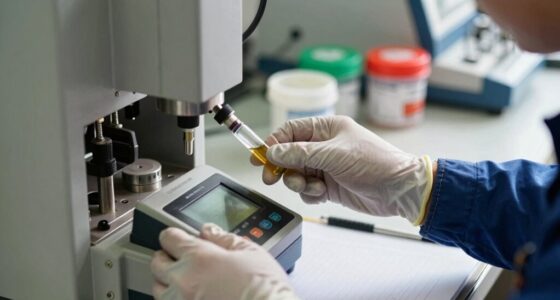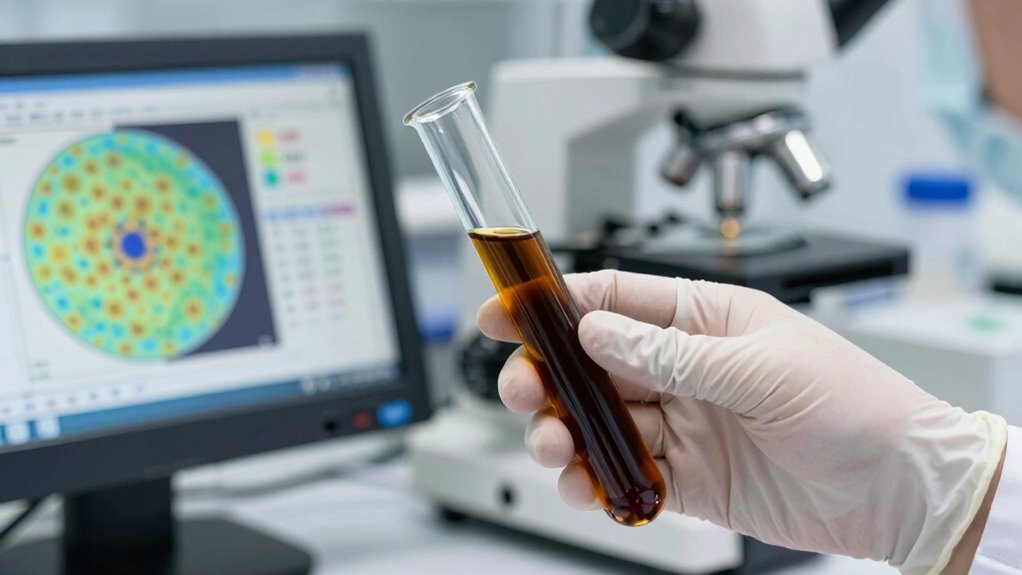

To avoid garbage trends in oil analysis, guarantee you follow strict sampling procedures, using clean containers and avoiding contamination sources like dirt or water. Consistently collect samples at recommended intervals and handle them carefully to prevent introducing foreign particles. Validate lab results by cross-checking with operational data and retesting suspicious findings. Maintaining this discipline helps keep your data trustworthy and accurate—continue exploring ways to improve your oil analysis practices for better maintenance decisions.

Get business pricing on garage and car supplies
- Business-only prices and quantity discounts
- Tax-exempt purchasing
- Multiple users, one account, clear invoices
Key Takeaways
- Follow strict sampling procedures, including using clean containers and proper handling, to prevent contamination of oil samples.
- Implement standardized protocols and document sampling processes to ensure consistency and traceability of data.
- Validate lab results regularly, cross-check with operational data, and retest suspicious samples to avoid false trends.
- Ensure labs adhere to quality assurance practices, participate in proficiency testing, and maintain proper documentation.
- Regularly inspect sampling points and maintain equipment to prevent external contaminants from skewing analysis results.
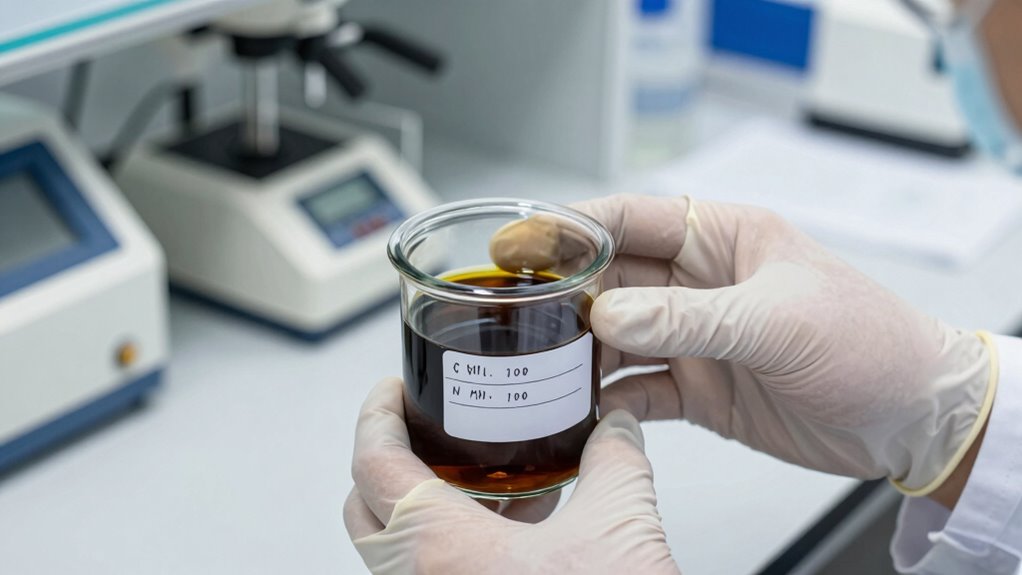
Maintaining clean and accurate oil analysis data is essential for reliable machinery diagnostics and effective maintenance decisions. When your data is compromised, it can lead to false trends, misdiagnoses, and unnecessary repairs. One of the key challenges in ensuring data integrity is addressing contamination sources that can skew results. Contaminants like dirt, water, or metal particles can enter the oil during sampling or through leaks, creating misleading results. To combat this, you need to establish strict sampling procedures, ensuring that samples are collected in clean containers, from properly vented systems, and at the right intervals. Regularly inspecting sampling points and equipment helps minimize contamination sources, preventing foreign particles from entering the sample and corrupting the data. Implementing proper sampling procedures and adhering to standardized protocols can significantly improve data quality.
Effective oil analysis requires strict sampling procedures to prevent contamination and ensure accurate machinery health assessment.
Equally important is data validation, which involves verifying that the collected data accurately reflects the condition of your machinery. Data validation acts as a quality control step, catching errors such as incorrect sampling techniques, equipment malfunctions, or lab inaccuracies. When reviewing oil analysis results, always check for anomalies or inconsistencies—sudden spikes in metal levels or abnormal additive depletion might indicate either real issues or sampling errors. Cross-referencing results with operational logs and maintenance history can help confirm whether a trend is genuine or a data artifact. Implementing standardized protocols for sample collection, handling, and testing can critically improve data validation, reducing the risk of garbage trends that don’t represent the true machine condition.
Avoiding garbage trends also means being vigilant about the quality of lab analysis itself. Ensure your labs follow strict quality assurance processes and participate in proficiency testing. If lab results seem inconsistent or suspicious, don’t hesitate to request retesting or additional analysis. Proper documentation of sampling procedures, lab reports, and trend analyses creates an audit trail that supports accurate interpretation. Remember that poor data hygiene often stems from overlooked contamination sources or inadequate validation, which can cause you to chase false alarms or overlook genuine problems. By meticulously controlling contamination sources and rigorously validating data, you ensure that your oil analysis truly reflects your machinery’s health.
Ultimately, maintaining clean and validated data enables you to make smarter, more confident maintenance decisions. It helps you distinguish between real wear or failure signals and misleading noise, preventing costly downtime and repairs. When you prioritize data hygiene, you create a reliable foundation for predictive maintenance strategies, extending equipment life and maximizing operational efficiency. Stay vigilant, follow best practices, and continuously improve your sampling and validation processes—your machinery will thank you for it.
As an affiliate, we earn on qualifying purchases.
Frequently Asked Questions
How Often Should Oil Samples Be Tested for Optimal Data Hygiene?
You should test oil samples regularly, typically every 3,000 to 5,000 miles or as recommended by your equipment manufacturer. Consistent sampling frequency helps maintain ideal data hygiene and prevents garbage trends. Adjust testing intervals based on equipment usage, operating conditions, and oil type. By sticking to a reliable schedule, you ensure accurate monitoring and early detection of issues, ultimately extending your equipment’s lifespan and improving performance.
What Are Common Mistakes That Lead to Data Contamination?
You might think you’re preventing contamination, but sampling errors often sneak in unnoticed. Common mistakes include using dirty containers, improper sampling techniques, or delaying analysis, which all lead to data contamination. Ironically, neglecting contamination prevention steps can turn your oil analysis into garbage data. To avoid this, guarantee proper sampling procedures, clean tools, and timely testing—small efforts that safeguard your data’s integrity and keep trends accurate.
How Can Equipment Maintenance Impact Oil Analysis Accuracy?
Your equipment maintenance directly impacts oil analysis accuracy. By following proper sampling protocols, you guarantee representative samples free from contamination. Regular equipment calibration guarantees measurement precision, preventing false readings that could lead to incorrect conclusions. Neglecting these practices risks introducing errors, which create garbage trends. Consistent maintenance and adherence to protocols help you maintain reliable data, enabling accurate analysis and effective decision-making for equipment health.
What Training Is Recommended for Personnel Collecting Samples?
You should guarantee personnel receive thorough sample collection training to ensure accurate oil analysis data. Proper training covers techniques for collecting, handling, and labeling samples correctly, avoiding contamination and errors. Regular refresher courses help maintain high standards. Well-trained personnel understand the importance of following procedures precisely, which minimizes garbage trends in the data. By investing in quality sample collection training, you improve the reliability of your oil analysis results and overall equipment health.
How Do Environmental Factors Influence Oil Analysis Results?
Environmental factors can substantially influence your oil analysis results by introducing contamination sources like dirt, water, or dust. To guarantee accuracy, you need to perform environmental monitoring around your equipment regularly. This helps you identify and control contamination sources, reducing false trends in your data. Proper sampling procedures, keeping samples sealed, and avoiding harsh conditions also minimize environmental impacts, ensuring your oil analysis reflects true machinery health.
As an affiliate, we earn on qualifying purchases.
Conclusion
By maintaining oil analysis data hygiene, you protect your machinery like a vigilant gardener tending to delicate blooms, ensuring only healthy trends flourish. Clean, accurate data acts as your trusted compass, guiding you through the fog of false alarms and garbage trends. Don’t let dirty data drown out the signals of genuine issues—nurture your analysis like a well-tended garden, and watch your equipment thrive with clarity and confidence.
machine oil contamination tester
As an affiliate, we earn on qualifying purchases.
As an affiliate, we earn on qualifying purchases.
As an affiliate, we earn on qualifying purchases.
Fall Picks
fall essentials
As an affiliate, we earn on qualifying purchases.