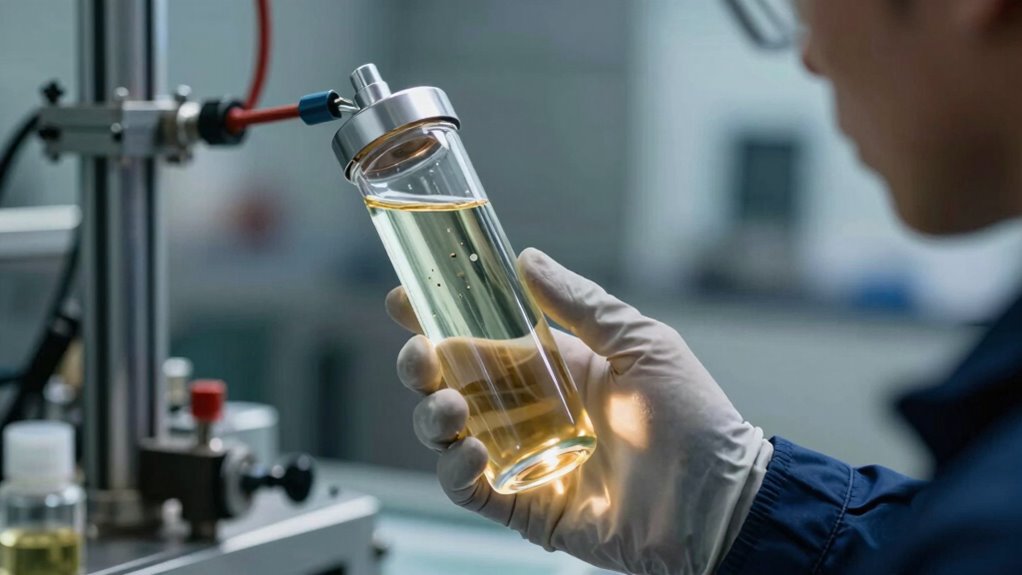

Monitoring oil quality without sensors is a practical and cost-effective approach that relies on manual inspections, sampling, and basic tests. By visually checking for color changes, sludge, or debris, and collecting samples properly, you can detect contamination or degradation early. Training your team to recognize signs of wear and combining these checks with trend analysis helps you plan maintenance better. Keep exploring these techniques to guarantee reliable equipment performance without depending on expensive sensor systems.
Key Takeaways
- Regular visual inspections of oil color, clarity, and debris identify early signs of degradation without sensors.
- Proper manual sampling from designated points ensures accurate assessment of contamination and additive depletion.
- Comparing visual and physical observations over time helps detect trends indicating oil wear or contamination.
- Training personnel to recognize signs like sludge, foaming, or viscosity changes enables proactive maintenance.
- Combining manual checks with basic test kits supports effective oil condition monitoring cost-effectively.

Engine Oil Tester & Motorcycle Oil Change Kit- Gasoline/Diesel Diagnostic Tool, 31.5in Probe, Temp Test, 2.8in Display (4 Batteries)
【WHY NEED IT】Our engine oil tester features an advanced optical probe that measures light transmittance within the oil…
As an affiliate, we earn on qualifying purchases.
As an affiliate, we earn on qualifying purchases.
Why Monitor Oil Quality Without Sensors?
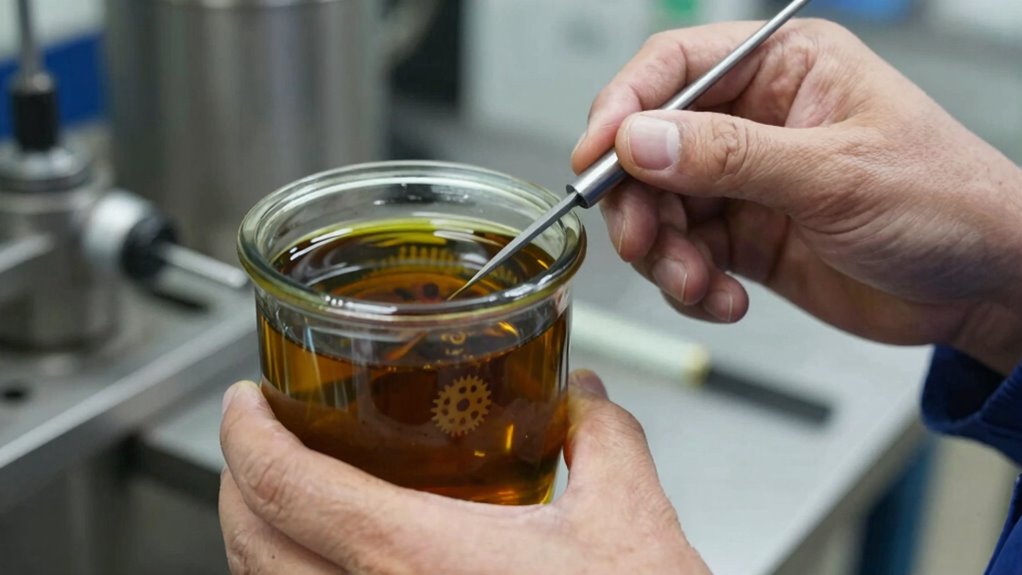
Monitoring oil quality without sensors is essential because sensor-based systems can be costly, complex, and prone to failure over time. By relying on manual methods, you can focus on key indicators like oil filtration efficiency and additive analysis. Regular checks allow you to detect contamination, wear particles, and additive depletion early, preventing costly equipment damage. Without sensors, you gain flexibility and reduce dependency on expensive technology, making your maintenance process more economical. Manual oil testing provides immediate insights into oil condition, helping you decide when to change or filter oil effectively. Additionally, understanding oil glass cleanliness can help identify contamination issues that impact oil quality. Incorporating simple visual inspections and oil sample analysis techniques can further improve monitoring accuracy without added complexity. Performing oil viscosity tests manually can also reveal changes in oil performance that sensors might overlook, ensuring your machinery operates at peak efficiency. Emphasizing traditional inspection methods rooted in Indigenous wellness practices can enhance your understanding of oil health through natural and community-based knowledge. Moreover, tracking oil degradation indicators manually allows for tailored maintenance schedules that suit your specific operational needs.

Oil Analysis Sampling Pump – Accurate Oil Extraction of Various Engine Oil
☆Match Bottle and Tubing Size : this Oil Analysis Sampler for standard bottle 38mm neck bottles and tubing…
As an affiliate, we earn on qualifying purchases.
As an affiliate, we earn on qualifying purchases.
Fundamentals of Manual Oil Condition Monitoring
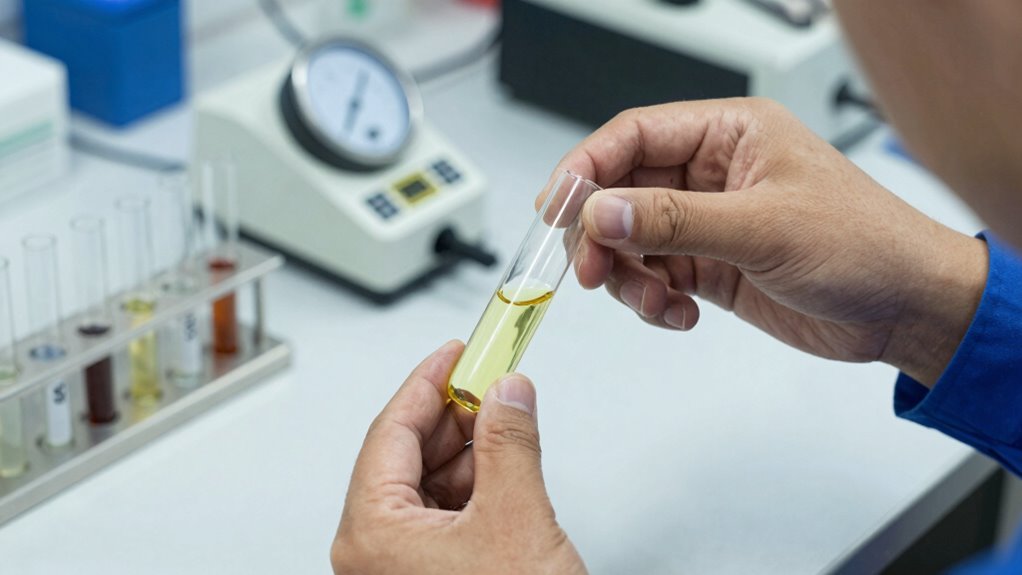
Manual oil condition monitoring starts with simple visual inspections, where you check for discoloration, sludge, or debris. You then collect oil samples carefully to analyze its properties and contamination levels. Basic test procedures, like dipstick checks or simple lab tests, help you assess oil quality quickly and accurately. Incorporating visual inspection techniques can enhance the effectiveness of your monitoring process. Regularly monitoring oil color can provide early signs of deterioration, allowing timely maintenance actions. Additionally, understanding oil contamination indicators can help you identify issues before they escalate. Implementing standardized sampling methods ensures consistency and reliability in your assessments.
Visual Oil Inspection
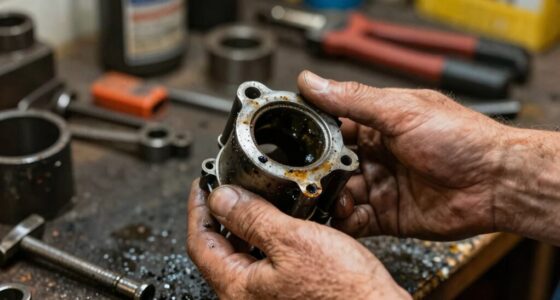
Visual oil inspection provides a quick and straightforward way to assess the condition of your lubricant without specialized equipment. By examining the oil’s appearance, you can identify signs of degradation or contamination sources. Look for:
- Color changes – darker oil may indicate oxidation or contamination.
- Suspended particles – dirt, debris, or metal shavings signal contamination sources.
- Consistency – thick or sludge-like oil suggests breakdown of oil additives.
- Foaming or bubbles – trapped air can impair lubrication and signal issues.
Monitoring oil quality over time allows for more effective maintenance planning and early detection of potential problems. Understanding personality assessments can also aid in team communication and collaboration, which is essential for maintenance teams working together efficiently. Recognizing contamination sources helps in pinpointing how impurities access the system, improving maintenance strategies. These visual cues help you evaluate whether the oil still protects your equipment or if it requires changing. Regular inspections also reveal how contamination accesses the system, and how oil additives are performing over time. Additionally, paying attention to oil viscosity changes can provide further insights into oil degradation and system health. Consistent inspection routines can help you detect oil degradation early and prevent costly equipment failure.
Oil Sample Collection
Collecting oil samples accurately is key to evaluating lubricant health beyond what visual inspection can reveal. Proper oil sampling ensures you get a representative sample for manual testing, providing reliable insights into oil condition and contamination levels. Use a clean, dedicated container and follow standardized procedures to avoid contamination or dilution. Insert the sample container into the oil stream at the correct sampling point, typically from a drain valve or sampling port, avoiding disturbances that could skew results. Ensure the sample is taken when the system is operating under normal conditions, not during startup or shutdown. Proper oil sample collection minimizes errors and provides accurate data, making it easier to identify issues early and plan maintenance effectively. Good sampling practices are essential for meaningful manual testing outcomes. Additionally, understanding the water content in oil can help detect potential contamination issues that may impact equipment performance. Regularly monitoring contamination levels helps maintain optimal lubrication and prevent equipment failures, especially when combined with other oil analysis techniques that provide a comprehensive view of lubricant condition. Incorporating standardized sampling procedures can further improve the reliability of manual oil condition assessments. Being aware of factors like contaminants from unclean equipment can also influence the accuracy of your results and should be considered during sampling.
Basic Test Procedures
Understanding the basic test procedures is essential for accurately evaluating oil condition without specialized sensors. These procedures help you assess oil quality through simple but effective steps. First, inspect the oil visually for color, clarity, and signs of contamination. Second, perform a sample collection, ensuring proper oil filtration to avoid external debris bias. Third, conduct contaminant analysis by checking for particles, sludge, or water presence. Fourth, compare your findings to manufacturer specifications or historical data to identify trends. These steps allow you to detect issues early, maintain ideal oil performance, and extend equipment life. Manual testing is a straightforward way to monitor oil health, especially when sensor-based solutions aren’t feasible. Consistent application ensures reliable results and better-informed maintenance decisions.

WORKPRO Flashlight Pen Light, Rechargeable Penlight with 365 nm UV Black Light, 450 Lumen LED Mini Pocket Flashlight, for Inspection, Work, Repair, Pet Secretion Detection
Bright LED Flashlight: C.O.B floodlight provides 450 lumens light, and spotlight provides 120 lumens beam. Ideal for use…
As an affiliate, we earn on qualifying purchases.
As an affiliate, we earn on qualifying purchases.
How to Spot Oil Problems With Your Eyes and Hands
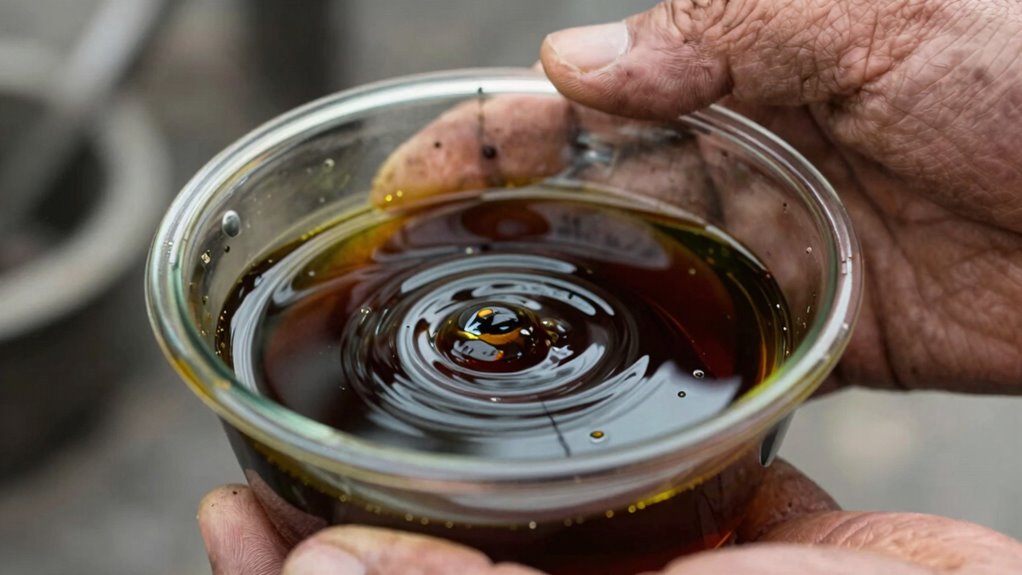
You can often identify oil problems simply by paying close attention to its appearance and texture. Check for signs of contamination, like dirt, metal particles, or cloudiness, which indicate issues with oil filtration. If the oil looks milky or foamy, it may suggest water intrusion or additive depletion, reducing its protective qualities. Feel the oil’s consistency—if it’s thicker or gummy, it could signal sludge buildup or breakdown of additives. Discolored or darkened oil often points to oxidation or thermal degradation. These visual and tactile cues help you catch early signs of trouble before equipment failure. Regularly inspecting oil’s appearance and texture allows you to maintain peak lubrication, extend oil life, and prevent costly repairs. Using oil condition monitoring techniques that don’t require sensors can still effectively help identify potential issues early on. Paying attention to oil clarity and texture can also provide valuable insights into its overall health and performance, especially when combined with visual inspection practices. Incorporating visual assessment skills and understanding oil properties can enhance your ability to detect subtle changes before they escalate into serious problems.

Viverhoy Deep Fryer Oil Test Strips 100 Count – Oil Quality Test Strips for Cooking & Frying Oil, FFA Oil Tester for Restaurants, Food Trucks & Commercial Kitchens
⭐ Bullet 1 – SIMPLE & SAFE OIL TESTING AT HOME No need to handle hot oil. These…
As an affiliate, we earn on qualifying purchases.
As an affiliate, we earn on qualifying purchases.
Easy Techniques for Sampling and Analyzing Oil Without Sensors

Sampling and analyzing oil without sensors can be straightforward when you follow simple, proven techniques. First, locate a clean sampling point, such as an accessible oil filter drain or a test port. Second, use a clean container to collect a representative oil sample, ensuring contamination control by avoiding dirt or debris. Third, observe the oil’s appearance—color, viscosity, and any floating particles—indicators of potential issues. Fourth, send the sample for lab analysis or use a portable test kit to assess contamination levels, such as dirt, water, or metal particles. These steps help you monitor oil condition without sensors, making maintenance decisions easier. Regular sampling keeps your equipment running smoothly and prolongs oil life by catching problems early.
Creating a Maintenance Schedule Based on Oil Data Trends

Creating a maintenance schedule based on oil data trends allows you to predict equipment needs more accurately and prevent unexpected failures. By analyzing changes in oil properties, you can identify issues like the depletion of lubricant additives or the emergence of contamination sources. For example, a decline in additive levels signals the need for timely oil replacement, while increased contaminants suggest filtration or sealing problems. Tracking these trends over time helps you establish maintenance intervals that are tailored to actual oil conditions rather than fixed schedules. This approach minimizes downtime and reduces costs by avoiding unnecessary oil changes. Consistently monitoring oil data enables you to act proactively, ensuring your equipment runs smoothly and efficiently while extending its lifespan.
How to Train Your Team to Recognize Oil Degradation Signs
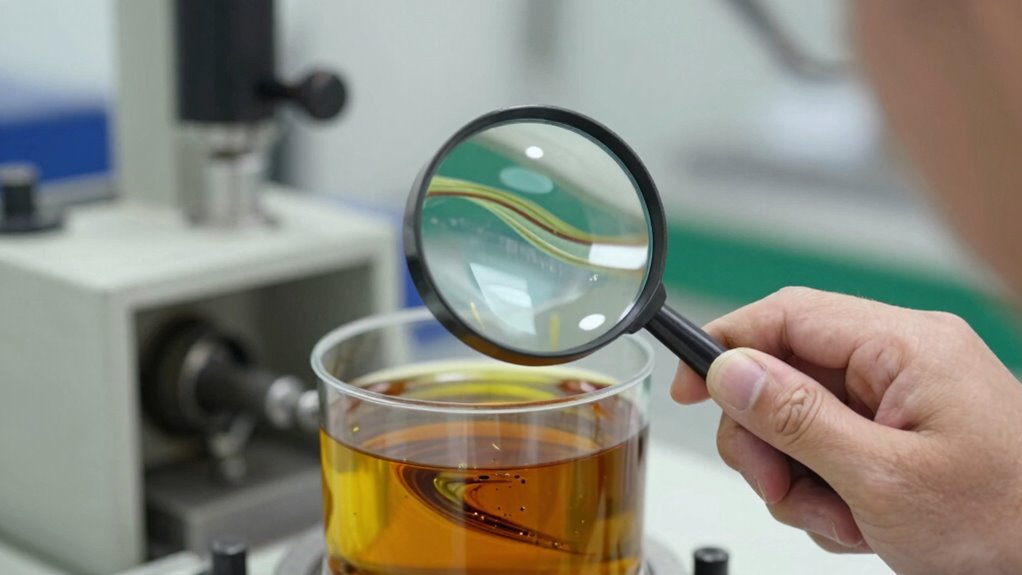
You need to train your team to spot signs of oil degradation quickly. They should watch for unusual viscosity changes and be alert to any shifts in color or consistency. Recognizing these signs early helps prevent equipment damage and maintain peak performance.
Recognize Unusual Viscosity Changes
Recognizing unusual viscosity changes is essential for early detection of oil degradation, as these shifts often indicate underlying issues within machinery. When team members observe a thinner oil film, it may signal thinning due to high temperatures or contamination detection. Conversely, thicker oil can suggest oxidation or the buildup of sludge. To train your team, focus on these signs:
- A sudden change in oil flow or drainage time during routine checks
- Appearance of a gel-like or overly thick oil sample
- Inconsistent or unexpected oil pressure readings
- Visible signs of contamination, such as dirt or debris in the oil film
Observe Color and Consistency
Observing the color and consistency of oil provides immediate clues about its condition. Conduct a straightforward color assessment by comparing the oil’s hue to fresh oil; darkening or discoloration often signals contamination or oxidation. Consistency evaluation involves checking if the oil feels thicker, gritty, or sludge-like, indicating degradation or sludge buildup. Train your team to look for these visual cues regularly, noting any changes from the baseline. Clear, light-colored oil typically means good condition, while darker, murkier oil warrants further inspection. Encourage consistent, quick assessments during routine maintenance. Recognizing these signs early helps prevent equipment failures, saving time and costs. With proper training, your team can reliably identify oil degradation signs through simple color assessment and consistency evaluation, ensuring ideal machine performance.
Combining Manual Checks With Sensor Data for Best Results
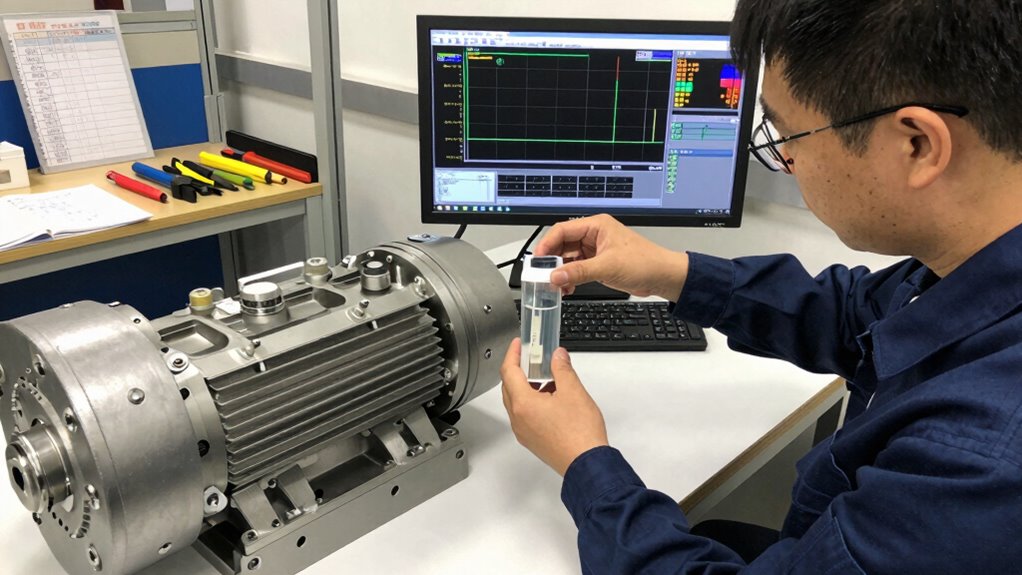
While sensor data provides valuable insights into oil condition, integrating manual checks guarantees a thorough assessment. Combining both methods enhances reliability and early problem detection. Here’s how you can do it:
- Examine oil color and clarity, noting any darkening or contamination that sensors might miss.
- Check oil viscosity and consistency manually, ensuring proper lubrication and oil filtration.
- Inspect for unusual odors or foam, indicating degraded lubricant additives or moisture ingress.
- Record physical signs like sludge buildup or metal particles, which sensors may overlook but signal wear or contamination.
This combined approach ensures you catch issues early, maintain ideal oil quality, and extend equipment life without over-relying on sensors alone. It’s a practical, lean way to monitor oil health effectively.
Frequently Asked Questions
What Are Common Mistakes When Manually Assessing Oil Quality?
When manually evaluating oil quality, you often make mistakes like rushing the visual inspection or neglecting to thoroughly examine the oil sample. You might overlook signs of contamination, wear particles, or discoloration, which are vital indicators. It’s easy to misjudge the oil’s condition if you don’t use consistent procedures or ignore subtle changes. Always guarantee detailed inspection and proper sampling techniques to get accurate results and prevent equipment issues.
Can Manual Methods Replace All Sensor-Based Oil Monitoring Systems?
Manual methods can’t fully replace sensor-based oil monitoring systems because sensor limitations prevent continuous, real-time data. While manual inspections can catch issues, their accuracy depends on your diligence and experience, which might miss subtle changes. Sensors provide consistent, immediate insights that manual checks can’t match. Combining both approaches offers the best protection, ensuring you catch problems early while avoiding over-reliance on either method alone.
How Often Should Manual Oil Inspections Be Performed?
You should perform manual oil inspections regularly, typically every 250 to 500 operational hours or at least once a month, depending on your equipment’s usage. Adjust your inspection frequency based on oil sampling intervals and your machine’s working conditions. Frequent inspections help catch issues early, ensuring ideal oil condition and preventing costly failures. Remember, consistent manual checks complement sensor-based systems, creating a reliable, lean oil monitoring program.
What Tools Are Essential for Effective Manual Oil Analysis?
You need essential tools like a clean oil sampling kit and a flashlight for visual inspection. Use sampling bottles to collect oil samples properly, ensuring accurate analysis. A magnifying glass helps identify particles or sludge during visual inspections. Always clean sampling points beforehand to prevent contamination. Combining regular oil sampling with visual inspections gives you a clearer picture of oil health, helping you catch issues early and maintain equipment efficiency.
How Can Manual Oil Checks Be Integrated Into Existing Maintenance Routines?
Sure, because manual oil checks are obviously too old-fashioned, right? You can seamlessly integrate oil sampling and visual inspection into your routine by scheduling regular intervals and assigning responsible team members. Just include simple steps like checking for discoloration, particles, and contamination during daily inspections. This way, you keep a close eye on oil health without overcomplicating your maintenance schedule—proving that manual methods still pack a punch.
Conclusion
By mastering manual oil checks, you keep your equipment running smoothly without relying solely on sensors. Regular inspection and training turn oil monitoring into your secret weapon, helping you catch problems early before they escalate. Remember, a stitch in time saves nine—staying proactive with simple techniques can save you time and money down the line. Trust your eyes and hands; they’re your best tools when sensors aren’t an option.