
If you spot small craters, you’re likely facing pitting caused by fatigue or corrosion, signaling potential material weakness. If pieces are flaking or chipping away, spalling might be happening due to repeated stress or fatigue. Rough scratches or smudges suggest scuffing from poor lubrication or misalignment. Understanding these patterns helps you identify underlying issues early. Keep exploring to learn how to prevent and fix these wear signs before they cause serious damage.

Get business pricing on garage and car supplies
- Business-only prices and quantity discounts
- Tax-exempt purchasing
- Multiple users, one account, clear invoices
Key Takeaways
- Pitting appears as small, round holes on metal surfaces, indicating fatigue or corrosion issues.
- Spalling shows as flakes or chips breaking away, caused by surface fatigue or repeated stress.
- Scuffing looks like scratches, smears, or rough patches from inadequate lubrication or misalignment.
- Recognizing these patterns helps identify specific problems early, preventing further damage.
- Proper maintenance and lubrication can minimize these wear patterns and extend equipment lifespan.
Products Worth Considering

Milwaukee 2697-22 M18 18-Volt Lithium-Ion Cordless Hammer Drill/Impact Driver XC Combo Kit (2-Tool)

DEWALT 20V MAX XR 1/2-Inch Cordless Impact Wrench Kit (DCF900P1)

Autel Scanner MaxiCheck MX808S – 2026 US Version Bidirectional OBD2 Diagnostic Tool
As an affiliate, we earn on qualifying purchases.
What Are Pitting, Spalling, and Scuffing?
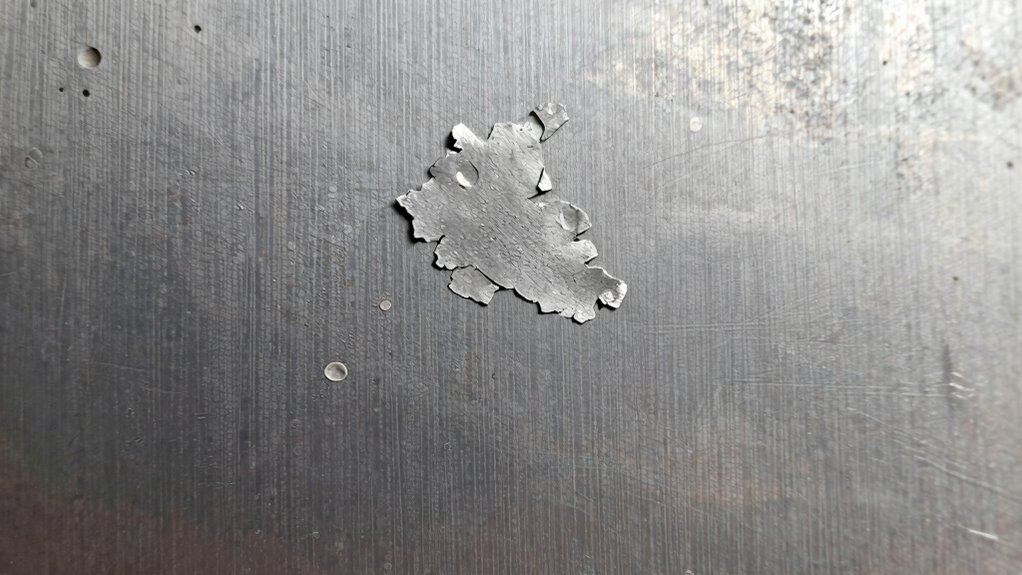
Have you ever wondered what causes small, crater-like marks or flakes to appear on metal surfaces? These signs often point to issues like lubrication failure or material fatigue. Pitting occurs when local spots on the metal surface weaken, forming tiny holes due to uneven lubrication or stress buildup. Spalling involves flakes of material breaking away from the surface, usually because of repeated stress or fatigue that causes cracks to spread. Scuffing looks like rough, scratched areas, often resulting from inadequate lubrication, leading to metal-to-metal contact. Recognizing these patterns helps you identify underlying problems early. Proper lubrication can prevent many of these issues, but when lubrication fails or materials fatigue, the wear patterns become more severe and harder to repair. Understanding wear mechanisms is essential for diagnosing and preventing such damage effectively, especially since material fatigue can accelerate deterioration over time.
How Do Wear Patterns Form? Causes and Signs
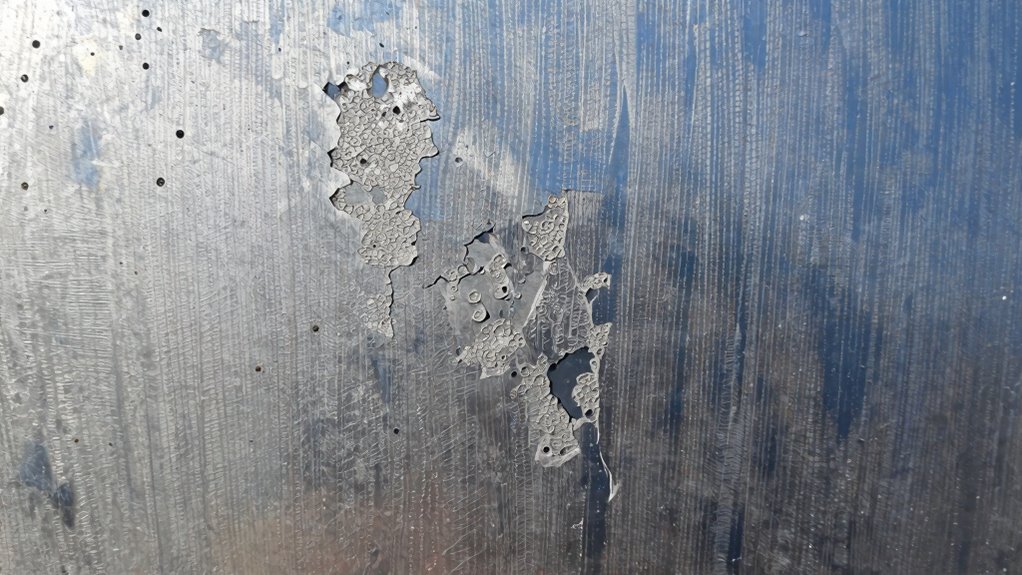
Wear patterns form when the contact between moving surfaces causes material removal or deformation over time. This process is often driven by lubrication breakdown, which reduces the film that separates surfaces, leading to increased friction and wear. Contamination intrusion, such as dirt or debris, can also accelerate wear by scratching or abrading the surfaces. When lubrication fails or becomes contaminated, your machinery is more prone to developing specific wear patterns. Signs include uneven surfaces, scoring, or localized damage in the contact areas. Recognizing these causes early helps you identify the root of the problem. Proper maintenance, timely lubrication, and contamination control are key to preventing abnormal wear and extending equipment life. Understanding how wear forms allows you to take proactive steps to avoid costly repairs. Additionally, selecting appropriate body jewelry materials can reduce irritation and minimize the risk of infection, which is crucial for maintaining optimal equipment or body health. Regular inspection and wear pattern analysis can help detect issues before they lead to significant damage. Being aware of lubrication quality and its impact can further help in preventing such wear issues. Moreover, employing proper measurement tools can improve the accuracy of wear assessment and help in early detection of problems.
How to Recognize Pitting, Spalling, and Scuffing

Recognizing pitting, spalling, and scuffing early can save your equipment from severe damage. Look for signs like small, round holes or craters on metal surfaces, which indicate pitting caused by surface degradation. Spalling appears as flakes or chips breaking away from the surface, often resulting from surface fatigue or poor lubrication effectiveness. Scuffing shows up as smudged or scratched areas, where metal surfaces have been rubbed or scored under inadequate lubrication. Pay attention to changes in texture or appearance, especially if you notice roughness or uneven wear. Being aware of metal surface deterioration signs can further improve your maintenance approach. Regular inspections and understanding these wear patterns enable you to address issues promptly, minimizing costly repairs and extending your equipment’s lifespan. Early detection is crucial because surface fatigue can develop unnoticed over time, leading to catastrophic failure if left unchecked. Recognizing these patterns also helps in implementing preventive maintenance strategies that can significantly reduce downtime. Additionally, understanding the specific causes of each wear pattern can guide you in selecting appropriate lubrication, operational practices, and choosing suitable decor masks that can serve as visual indicators or reminders for maintenance inspection, thereby mitigating further damage.
Which Wear Pattern Is Affecting Your Machine?
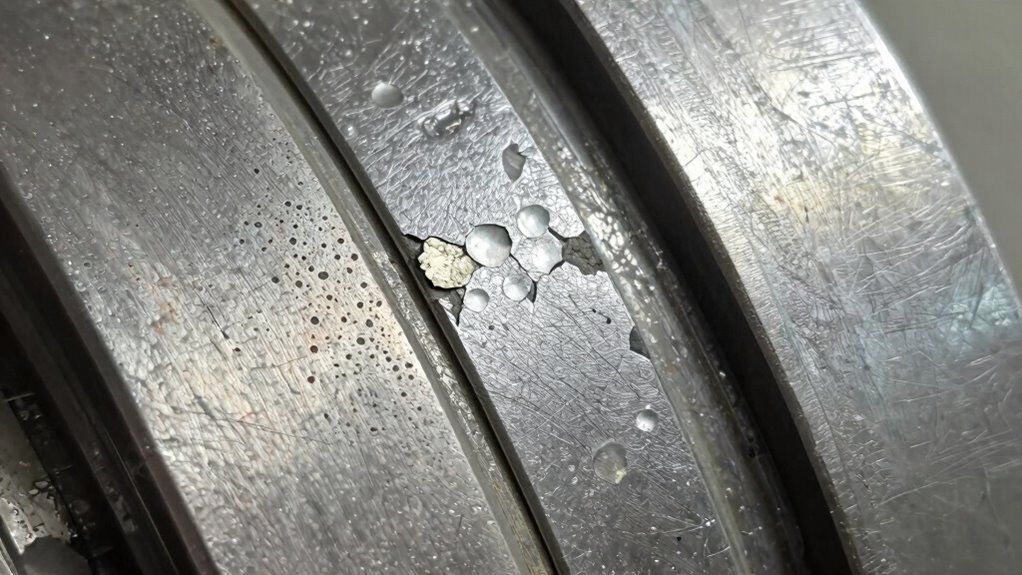
Identifying which wear pattern is affecting your machine is essential for effective maintenance. Accurate wear pattern troubleshooting helps you determine the root cause and prevents costly repairs. Look for signs like pitting, which appears as small craters on surfaces; spalling, characterized by flakes or chips breaking off; or scuffing, showing surface scratches or smearing. Each pattern indicates different issues, such as lubrication failure or surface fatigue. Proper documentation and traceability of wear patterns enhance maintenance accuracy and help in complying with industry standards. By recognizing these signs early, you can focus your machine maintenance tips accordingly. Regular inspection and understanding the specific wear patterns ensure you address problems before they escalate. Staying vigilant about wear patterns saves time and money, keeping your machinery running smoothly and extending its lifespan.
How to Prevent and Fix Wear Patterns Early
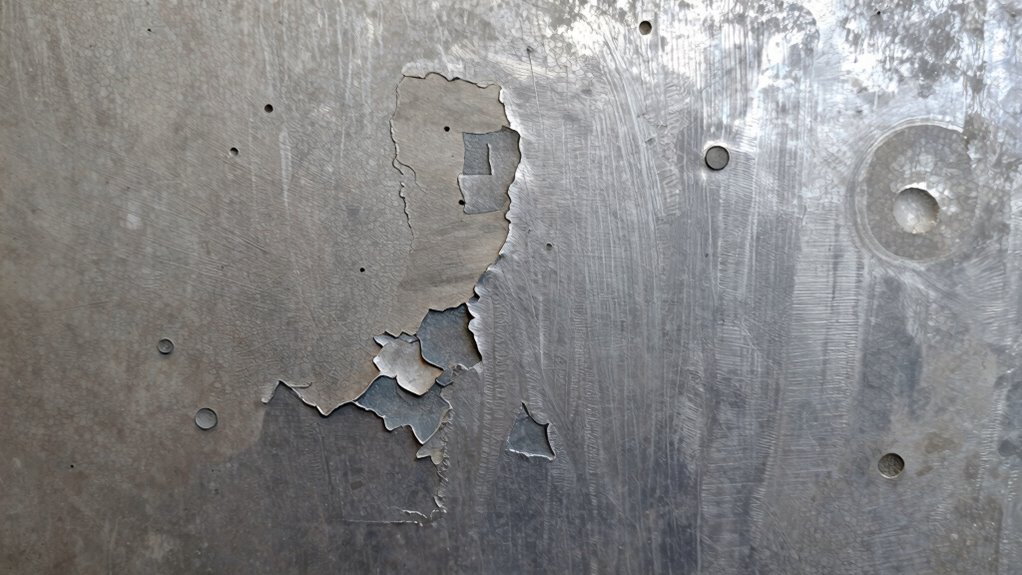
You can catch wear problems early by conducting regular inspections to spot issues before they worsen. Using proper lubrication reduces friction and minimizes damage, extending your equipment’s lifespan. When damage occurs, addressing it immediately helps prevent more extensive and costly repairs down the line. Incorporating preventive maintenance practices can further enhance the longevity of your equipment. Additionally, maintaining a clean environment can help identify early signs of wear more easily and prevent debris from accelerating damage. Regularly monitoring equipment performance allows for timely adjustments that can reduce unnecessary wear and tear. Implementing wear pattern analysis techniques can also aid in diagnosing specific issues before they escalate.
Regular Inspection Practices
Have you established a routine for inspecting your equipment? Regular checks help catch wear patterns early. Use vibration analysis to detect abnormal vibrations that signal potential issues. Inspect critical areas for pitting, spalling, or scuffing, and note any changes. Proper lubricant selection supports smooth operation, reducing wear. Schedule inspections consistently—daily, weekly, or monthly—depending on usage. Here’s a quick overview:
| Benefits of Regular Inspection | Risks of Neglecting It |
|---|---|
| Detect wear early, saving costs | Sudden failures, costly repairs |
| Maintain ideal performance | Equipment breakdowns |
| Prevent severe damage | Downtime and safety hazards |
| Extend equipment lifespan | Reduced productivity |
Regular inspection also helps identify wear patterns before they lead to major issues, ensuring the longevity and safety of your equipment.
Use Proper Lubrication
Proper lubrication is essential for preventing wear patterns like pitting, spalling, and scuffing before they develop into serious issues. To do this effectively, focus on these key steps:
- Choose the right lubricant by considering the equipment’s requirements and operating conditions, guaranteeing ideal lubricant selection.
- Follow a consistent maintenance schedule to regularly check and replenish lubricants, preventing contamination and degradation.
- Use the correct application methods to ensure even distribution and avoid over-lubrication, which can cause additional wear.
Immediate Damage Repairs
Addressing wear patterns early is essential to prevent costly damage and extend equipment life. Regular maintenance schedules help catch issues before they escalate, allowing you to spot early signs of pitting, spalling, or scuffing. When wear is identified promptly, you can implement targeted repairs, such as re-lubricating or replacing worn components. Operator training plays a key role here; well-trained operators know how to recognize abnormal wear patterns and respond quickly. By integrating routine inspections with proper maintenance and skilled operator oversight, you can fix damage before it worsens. Acting swiftly minimizes downtime and prevents extensive repairs, saving money and prolonging your equipment’s lifespan. Consistent attention to early damage repairs keeps your machinery running smoothly and reliably. Incorporating preventive maintenance strategies further enhances equipment longevity and performance. Additionally, understanding wear mechanisms can help tailor more effective maintenance practices to address specific issues early on, especially by recognizing the signs of early wear that often precede major failures. Recognizing these signs promptly is key to implementing effective early intervention and avoiding more extensive repairs later. Implementing detection techniques, such as vibration analysis or thermal imaging, can also aid in identifying wear early before visible signs appear.
Quick Tips to Keep Your Machinery Running Smoothly
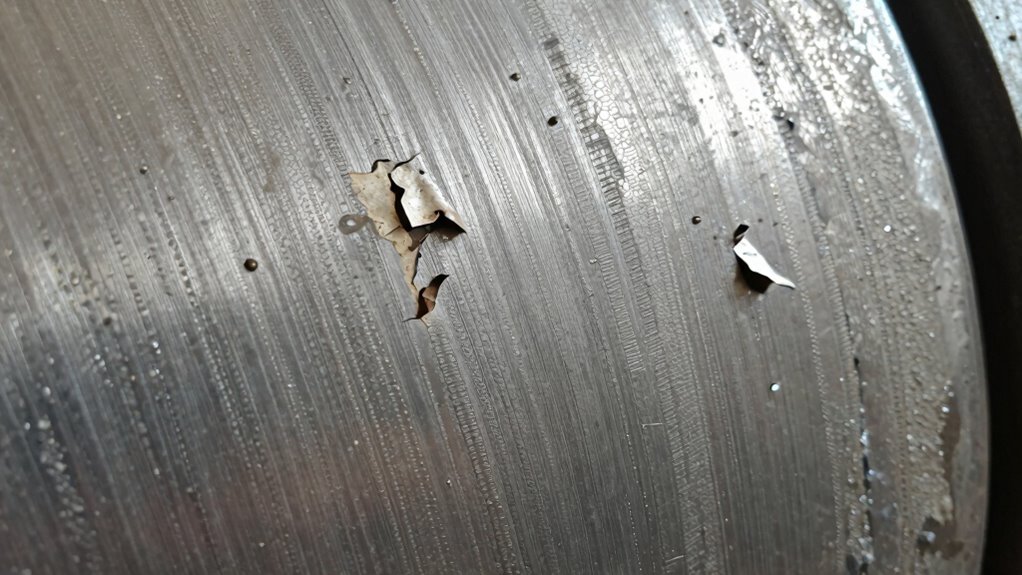
Regular maintenance is key to keeping your machinery running smoothly and avoiding costly downtime. To do this effectively, focus on these quick tips:
Consistent maintenance ensures machinery runs smoothly and prevents costly downtime.
- Follow proper lubrication techniques to reduce friction and wear, ensuring all moving parts are well-oiled without over-application.
- Regularly check and calibrate equipment to maintain peak performance and prevent misalignments that cause uneven wear patterns.
- Keep an eye on wear indicators and inspect parts frequently, catching issues early before they escalate into major damage.
- Incorporate art and cultural principles into your maintenance approach by emphasizing the importance of craftsmanship and attention to detail, which can lead to more effective upkeep.
Staying consistent with these practices helps extend equipment life, minimizes unexpected breakdowns, and keeps operations efficient. Incorporate routine lubrication techniques and equipment calibration into your maintenance schedule for the best results.
Frequently Asked Questions
Can Wear Patterns Indicate the Age of Machinery Parts?
Wear patterns can hint at the age of machinery parts by revealing material degradation over time. As components age, signs like pitting, spalling, or scuffing emerge, indicating wear levels. Recognizing these patterns helps you schedule maintenance proactively, preventing unexpected failures. While they don’t give an exact age, consistent wear patterns allow you to estimate a part’s service life, ensuring you maintain ideal performance and safety.
Are Some Wear Patterns More Common in Specific Industries?
You’ll find certain wear patterns are more common in specific industries, especially where coating degradation and lubrication failure are frequent culprits. For example, rolling mills see more spalling, while gearboxes in manufacturing often experience pitting. Knowing this, you can spot these patterns early, acting before problems worsen. It’s like hitting two birds with one stone—saving time and money by understanding industry-specific wear signatures.
How Do Environmental Conditions Influence Wear Patterns?
Environmental conditions considerably influence wear patterns. Corrosion effects, caused by moisture or chemicals, often lead to pitting or spalling, weakening the material over time. Temperature impacts can accelerate wear, making surfaces more prone to scuffing or cracking. You’ll notice these patterns more in harsh environments, where fluctuating temperatures and corrosive agents work together to degrade surfaces faster. Monitoring these signs helps you identify issues early and plan maintenance effectively.
Can Wear Patterns Predict Future Equipment Failures?
You can often spot future failures by examining wear patterns, like tiny pits or flaking surfaces, that hint at lubrication failure or corrosion effects. If you notice spalling or scuffing developing, it’s a warning sign that parts may soon break down. Recognizing these signs early helps you prevent costly downtime. By paying attention now, you keep your equipment running smoothly and avoid unexpected failures down the line.
What Tools Are Best for Analyzing Wear Patterns Accurately?
You should use digital microscopy for accurate wear pattern analysis because it provides high-resolution images that reveal detailed surface features. Tools like portable digital microscopes or advanced imaging software help you identify pitting, spalling, and scuffing effectively. These tools allow you to analyze wear patterns precisely, making it easier to determine the root cause of equipment issues and plan maintenance before failures occur.
Conclusion
So, next time your machine starts acting up, don’t just ignore those tiny pits or scary chunks flying off. It’s almost amusing how easily we overlook signs that scream, “Hey, something’s wrong!” Remember, catching pitting, spalling, or scuffing early can save you a fortune—and maybe a few headaches. After all, who wouldn’t want their equipment to last forever? Spoiler: Nobody. Stay vigilant, and your machine might just thank you.