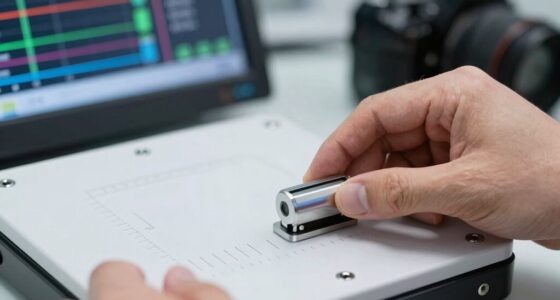
Sensor grounding errors can cause your data logger to give false or fluctuating readings. When grounding is improper, it introduces electrical noise and interference that corrupt your signals. Loose connections, damaged shielding, or ground loops make your measurements unreliable. Ensuring proper, low-resistance grounding and secure wiring can markedly improve accuracy. If you want to find out how to identify and fix these issues, there’s more to explore that can help you get accurate data every time.

Get garage and car supplies delivered free — and shop member deals
- Fast, free delivery on millions of items
- Access to Prime Big Deal Days deals on October 6–7
- Prime Video, Amazon Music and more included
Key Takeaways
- Improper or loose grounding connections can introduce noise, causing inaccurate or fluctuating data readings.
- Shielding that is improperly grounded may pick up interference, leading to false signals in the data logger.
- Ground loops from incorrect wiring create voltage differentials that distort sensor signals and data accuracy.
- Corroded or damaged ground contacts increase resistance, weakening the ground and causing erratic logger behavior.
- Inadequate or inconsistent grounding practices allow external interference to corrupt sensor signals, making data unreliable.
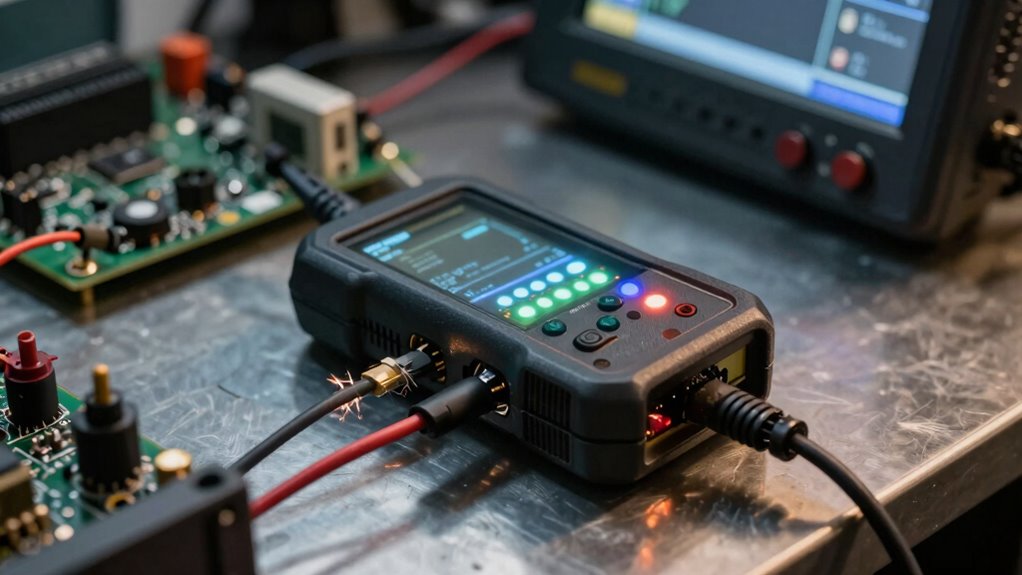
Sensor grounding errors occur when sensors are improperly connected to their grounding points, leading to inaccurate readings and system malfunctions. These errors are often subtle but can cause significant issues in data accuracy, making troubleshooting essential. One common cause is shielding issues, where the shielding around sensor cables isn’t properly grounded or is damaged. Shielding is designed to protect signals from electromagnetic interference (EMI), but if it’s not correctly connected to the grounding system, it can introduce noise into the sensor signals instead of reducing it. This noise can manifest as fluctuating readings, spikes, or drift, which can mislead your data logger into reporting false information. To prevent this, ensure that shielding is consistently and securely grounded at one end, preferably at the sensor end, to provide an effective shield against external interference. Proper wiring practices, including checking for correct connections and using appropriate color codes, are vital to avoiding ground loops and voltage differentials. Additionally, poor grounding connections—such as loose terminals or corroded contact points—can cause inconsistent sensor readings. Even if your wiring is correct, a weak or compromised ground connection can lead to fluctuations in the signals. Regular maintenance and inspection of grounding points help catch these issues early. Clean contacts, tighten terminals, and replace corroded connectors to maintain a solid ground connection. Remember that grounding should be as direct and low-resistance as possible; any resistance in the ground path can act as an unintended antenna, picking up interference. Ensuring effective grounding techniques can greatly improve data accuracy and system reliability.
As an affiliate, we earn on qualifying purchases.
Frequently Asked Questions
How Can I Detect Grounding Errors Without Specialized Equipment?
You can detect grounding errors by inspecting your setup for improper grounding techniques, such as loose or disconnected wires. Use troubleshooting methods like checking for unexpected voltage fluctuations or noise in your signals, which often indicate grounding issues. Confirm all ground connections are secure and consistent across your system. If problems persist, systematically test different grounding points to identify discrepancies, helping you pinpoint grounding errors without needing specialized equipment.
What Are the Long-Term Effects of Grounding Issues on Data Accuracy?
Grounding issues can seriously impact your data accuracy over time. They degrade signal integrity, causing fluctuations and inaccurate readings. Persistent grounding problems introduce noise, making it harder to distinguish true signals from interference. Without proper grounding, your data logger struggles to reduce noise effectively, leading to unreliable data. Over the long term, this can compromise your analysis, decision-making, and system performance, so addressing grounding errors promptly guarantees consistent, accurate measurements.
Can Grounding Errors Affect All Types of Sensors Equally?
You might think grounding errors affect all sensors equally, but that’s a grounding myth. Some sensors, like thermocouples, are more sensitive to grounding issues, while others, like voltage sensors, are less affected. Don’t fall for sensor myths that suggest all sensors respond the same. Proper grounding is vital for accurate data, especially with sensitive instruments. Understanding these differences helps you troubleshoot and guarantee reliable measurements.
Are There Industry Standards for Proper Sensor Grounding?
Yes, industry standards for proper sensor grounding exist, guiding you to follow specific grounding protocols to guarantee accurate data. These industry benchmarks help you minimize noise and interference, improving your sensor’s reliability. By adhering to these guidelines, you can prevent grounding errors that cause false readings. Always consult relevant standards, like IEEE or IEC, and implement best practices to ensure your sensors are grounded correctly for precise and trustworthy measurements.
How Often Should Grounding Checks Be Performed?
Think of grounding as the foundation of a sturdy house—you can’t overlook it. You should perform grounding checks at least quarterly, aligning with your maintenance schedule. Regularly evaluating grounding frequency helps catch issues early, preventing inaccurate data and costly downtime. Don’t wait for problems to surface; make routine checks part of your maintenance plan to ensure consistent, reliable sensor performance and data integrity over time.
ground loop isolator for sensors
As an affiliate, we earn on qualifying purchases.
As an affiliate, we earn on qualifying purchases.
Conclusion
If you ignore proper sensor grounding, your data logger can give false readings, leading to costly mistakes. Studies show that over 60% of data inaccuracies stem from grounding errors, making it a critical issue to address. By ensuring correct grounding practices, you’ll get reliable data and avoid unnecessary troubleshooting. Don’t let a simple grounding mistake compromise your results—double-check your setup and keep your data honest and accurate.
As an affiliate, we earn on qualifying purchases.
As an affiliate, we earn on qualifying purchases.
Halloween Picks
halloween
As an affiliate, we earn on qualifying purchases.