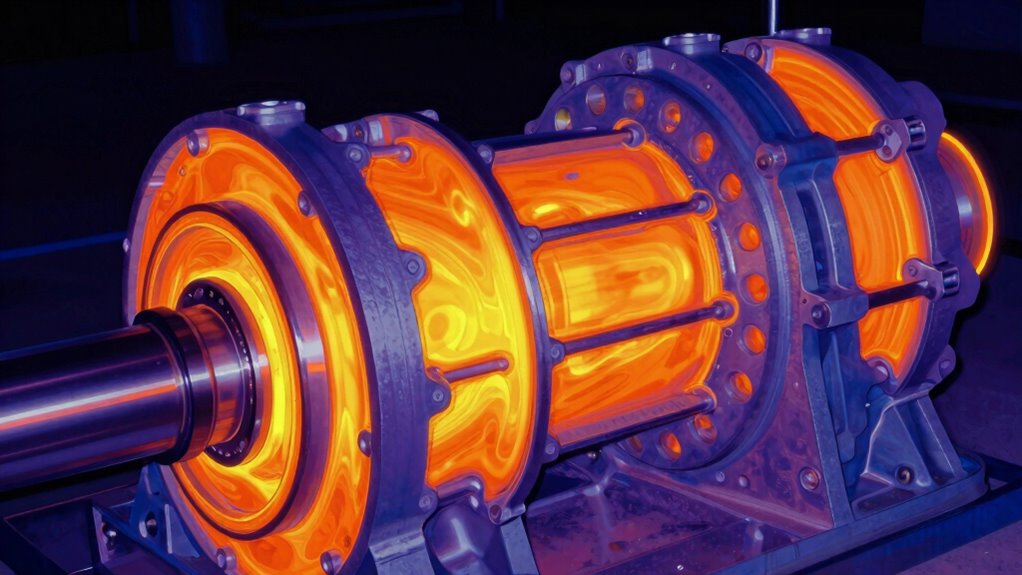

To interpret gearbox hot spots using thermal imaging, look for areas with considerably higher temperatures than surrounding parts, which often indicate issues like friction, misalignment, or worn components. Hot spots can also signal lubrication problems or heat transfer issues. By comparing current images with baseline data and recognizing patterns such as streaks or irregular clusters, you can pinpoint faults early. Keep exploring to learn more about accurately analyzing thermal data for maintenance success.
Key Takeaways
- Identify hot spots as localized high-temperature areas indicating possible friction, misalignment, or lubrication issues.
- Recognize thermal patterns such as streaks or irregular clusters to diagnose specific faults.
- Use consistent baseline images and compare current readings to detect abnormal temperature increases.
- Ensure proper camera calibration, focus, and environmental conditions for accurate interpretation.
- Correlate thermal data with vibration analysis and maintenance history for comprehensive gearbox assessment.

Mishimoto Universal Fit Transmission Cooler, 13-Row Stacked Plate, 22.85" X 7.10” X 1.25” Core
Universal Compatibility:13-row stacked-plate core with universal mounting brackets fits cars, trucks, SUVs, and tow rigs. Easy direct-fit install...
As an affiliate, we earn on qualifying purchases.
What Is Thermal Imaging and How Does It Work in Machinery Inspection
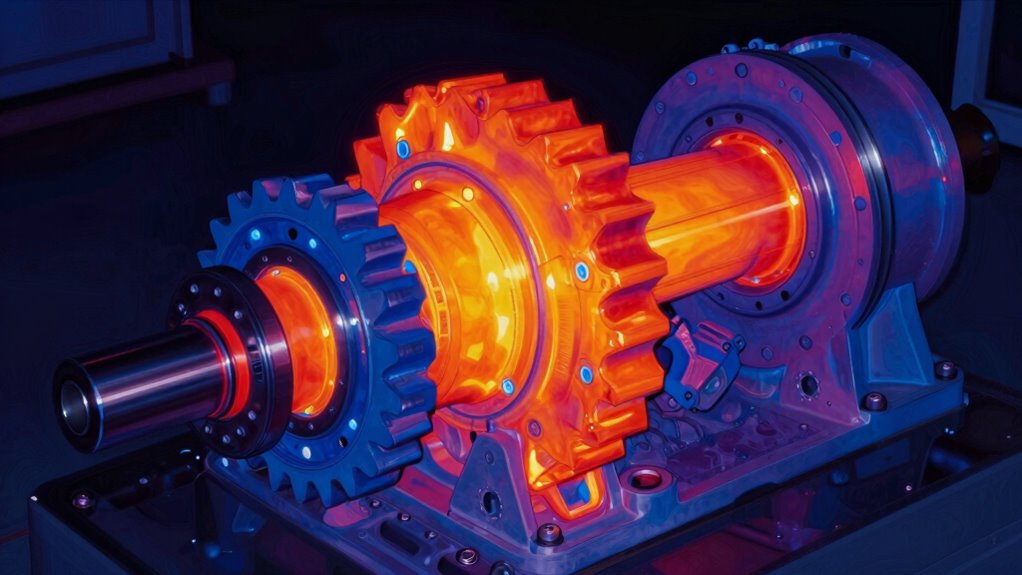
Thermal imaging is a powerful tool used in machinery inspection to detect temperature differences that are invisible to the naked eye. It relies on infrared technology to capture the heat emitted by equipment components. Thermal sensors detect these infrared waves and convert them into visual images called thermograms. These images display temperature variations, allowing you to identify abnormal heat patterns that could indicate potential issues. Unlike traditional inspection methods, thermal imaging provides a non-contact, real-time view of equipment health. By analyzing these thermal images, you can pinpoint areas of concern without dismantling machinery or stopping operations. This technology is essential for early fault detection, helping you prevent costly breakdowns and extend equipment lifespan. infrared technology enables precise temperature measurement and visualization, making thermal imaging an invaluable asset in machinery diagnostics. Additionally, understanding hot spots in gearboxes can help identify specific mechanical problems before they escalate. Recognizing these temperature anomalies can significantly improve maintenance strategies and reduce downtime. Proper interpretation of these images relies on understanding thermal patterns, which can reveal underlying mechanical issues hidden within complex machinery. Developing skills in thermal image analysis can further enhance troubleshooting accuracy and maintenance efficiency.

Hayden Automotive 689 Universal Add-On 11.6” x 11” x 0.75” Auxiliary Transmission Cooler To Enhance Towing Capacity – Not A Direct OE Replacement Unit
Size is 11.6 inch x 11 inch x 0.75inch extra heavy duty
As an affiliate, we earn on qualifying purchases.
Why Hot Spots Appear in Gearboxes and What They Signal
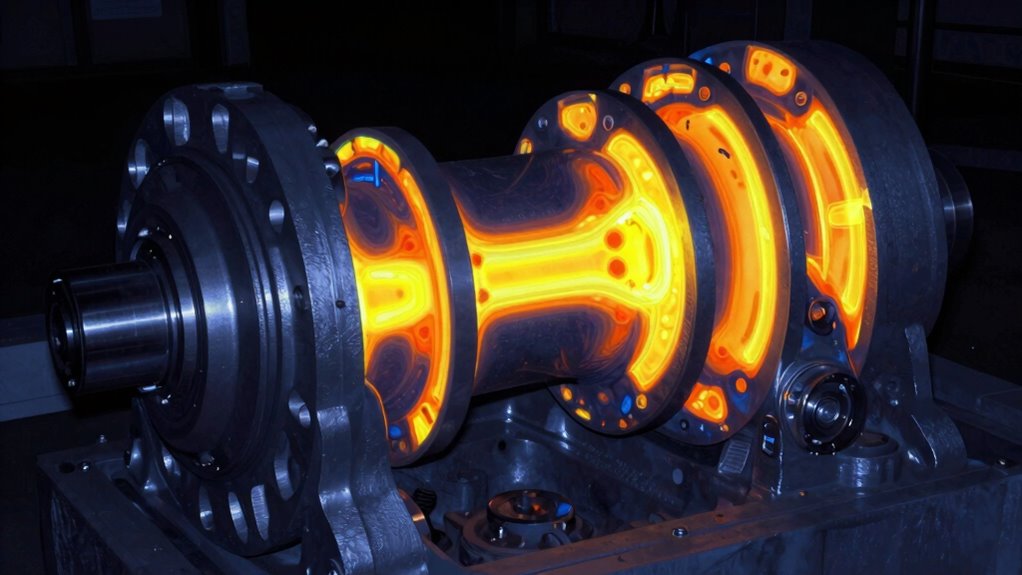
Hot spots in gearboxes often appear because of increased friction, misalignment, or worn components, which generate excess heat. These hot spots can signal lubrication issues, such as inadequate or degraded lubricant, leading to increased metal-to-metal contact. Misalignment problems also cause uneven load distribution, creating localized heating as components rub or bind. Recognizing these hot spots is essential, as they indicate potential failures that could lead to costly repairs or downtime. When you see a hot spot, it’s a sign to inspect for lubrication deficiencies or alignment errors. Addressing these issues early helps prevent further damage, ensuring your gearbox operates smoothly and efficiently. Regular thermal inspections can catch hot spots before they escalate into serious mechanical problems. Proper maintenance practices play a crucial role in early detection and prevention of gearbox failures, including thermal monitoring techniques that help identify heat anomalies promptly. Additionally, understanding how to interpret thermal imaging data allows for more accurate diagnosis of underlying issues, highlighting the importance of preventive care, which benefits from integrating advanced imaging methods for more comprehensive assessments.

EVIL ENERGY 16 Row Oil Cooler Kit, 10AN Transmission Engine Cooler British Radiator Universal Aluminium Black
Universal Fit & Compatibility: Designed to fit most vehicles and compatible with 330mm engine oil cooler brackets. Please...
As an affiliate, we earn on qualifying purchases.
How to Capture Clear, Accurate Thermal Images of Gearboxes
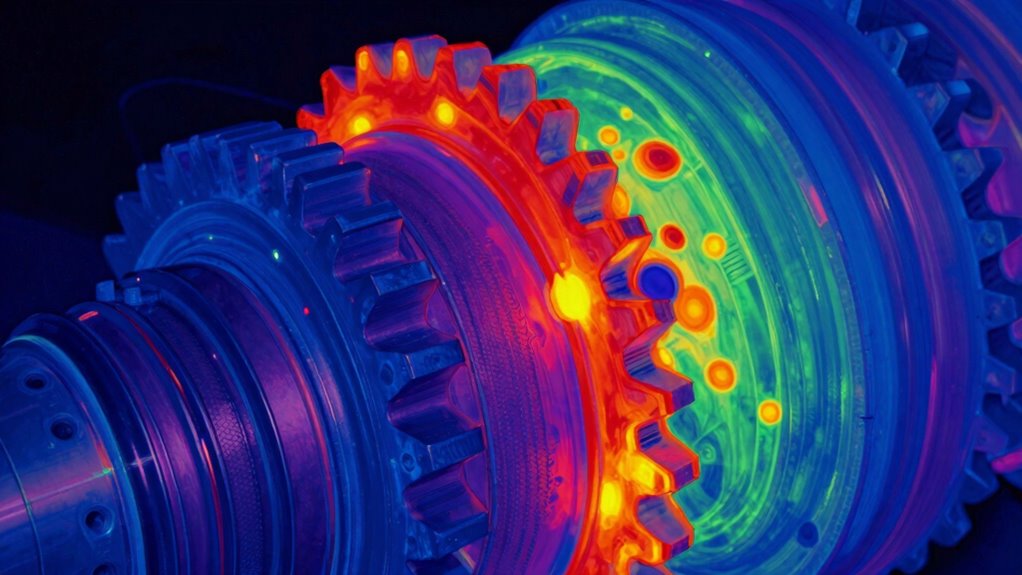
Capturing accurate thermal images of gearboxes requires careful preparation and proper technique. First, ensure your thermal camera is properly calibrated; sensor calibration is vital for precise temperature readings and consistent results. Next, set the correct image resolution—higher resolution provides more detail, making it easier to identify hot spots accurately. Keep the camera steady and maintain the right distance from the gearbox to avoid distortion. Adjust focus to ensure sharp images, and consider environmental factors like ambient temperature and lighting. Take multiple shots from different angles to get a thorough view. Always verify your camera settings before capturing the image, and review the images on-site to confirm clarity and detail. Proper technique ensures reliable data for later analysis. Additionally, using proper storage methods can help ensure the longevity and integrity of your thermal imaging data. To improve accuracy, understanding how contrast ratio impacts image quality can be beneficial for interpreting subtle temperature differences. Being aware of heat buildup is crucial, as it can significantly affect the accuracy of your thermal readings and highlight potential issues. Furthermore, considering sensor sensitivity can enhance the detection of even minor temperature variations, leading to better diagnostic insights. Implementing these best practices can also help minimize measurement errors and improve overall diagnostic confidence.

A-Premium Transmission Oil Cooler, Universal Aluminium 8 Pass Tube and Fin, Oil Cooler Kit with Hose Mounting Kit
[Vehicle Fitment]: Suitable for most car
As an affiliate, we earn on qualifying purchases.
Interpreting Hot Spots to Diagnose Gearbox Problems
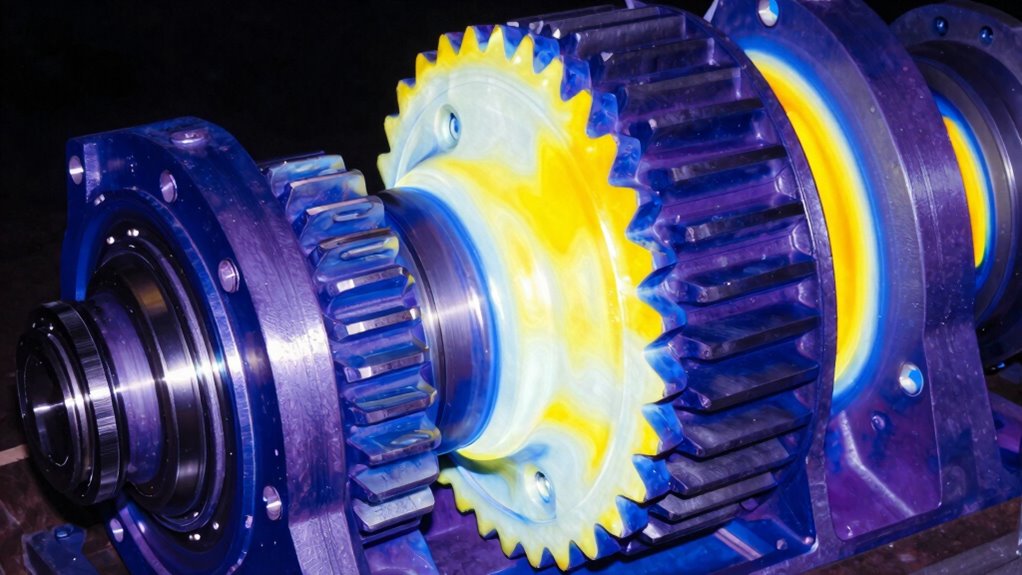
Interpreting hot spots on thermal images is essential for diagnosing gearbox issues effectively. Hot spots often indicate areas where lubrication is compromised, leading to increased friction and heat buildup. By analyzing these thermal patterns, you can identify potential bearing failures, misalignments, or overloaded components. It’s important to correlate temperature data with vibration readings; elevated temperatures combined with abnormal vibrations suggest specific problems like bearing wear or gear misalignment. Recognizing these signs early helps prevent costly breakdowns and prolongs gearbox life. Focus on consistent patterns and compare hot spots with baseline images to distinguish between normal operation and developing faults. Understanding thermal patterns can improve diagnostic accuracy and maintenance efficiency. Additionally, assessing thermal contrast helps identify subtle issues that might not be immediately apparent, allowing for more precise troubleshooting. Incorporating thermal imaging best practices ensures more reliable interpretation of hot spots, leading to better maintenance decisions. Properly analyzing hot spot locations is crucial for targeted repairs and avoiding unnecessary component replacements. Accurate interpretation of hot spots enables targeted maintenance, saves time, and reduces downtime, ensuring your gearbox operates smoothly. Furthermore, understanding thermal behavior over time can help predict future failures and plan preventative maintenance more effectively.
Practical Tips for Analyzing Thermal Images and Preventing Failures
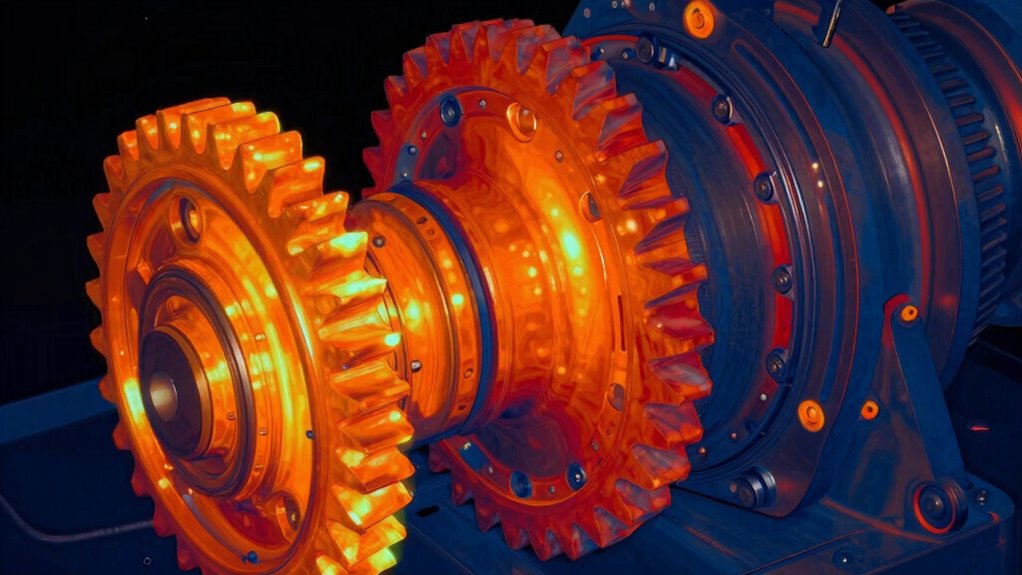
When analyzing thermal images, you should look for consistent hot spot patterns that indicate potential issues. Recognizing these patterns helps you identify early signs of failure before they escalate. By implementing targeted preventative measures, you can effectively reduce downtime and extend equipment life. Additionally, understanding the capacity of your equipment can help you better interpret thermal readings and prioritize maintenance. Being familiar with cabling failures common in thermal imaging can further enhance diagnostic accuracy and maintenance planning.
Identifying Hot Spot Patterns
To effectively identify hot spot patterns in thermal images, you need to look for areas showing considerably higher temperatures than their surroundings. These spots often indicate issues like reduced cooling efficiency or heat conduction problems. Patterns such as localized hot spots, elongated streaks, or irregular clusters can signal developing faults. Recognizing these patterns helps you target specific gearbox components needing attention. Properly interpreting extension cord standards and ensuring reliable power connections can also prevent electrical faults that contribute to overheating. Understanding these patterns allows for early intervention, maintaining ideal thermal performance and preventing costly failures.
Implementing Preventative Measures
Analyzing thermal images effectively requires you to develop a systematic approach that highlights potential issues early. Start by comparing hot spots against established temperature thresholds to identify abnormal heat levels. Use these thresholds as benchmarks to determine when lubrication optimization is needed, ensuring bearings and gears are properly lubricated to prevent overheating. Regularly monitor hot spot patterns to detect gradual temperature increases that could signal impending failure. Implement routine inspections and maintenance schedules based on thermal data, adjusting lubrication schedules or replacing worn components proactively. By setting clear temperature thresholds and acting promptly, you reduce downtime and extend equipment lifespan. Consistent analysis and preventative actions help you catch problems early, ensuring your gearbox operates smoothly and efficiently.
When and How to Use Thermal Imaging in Your Maintenance Routine
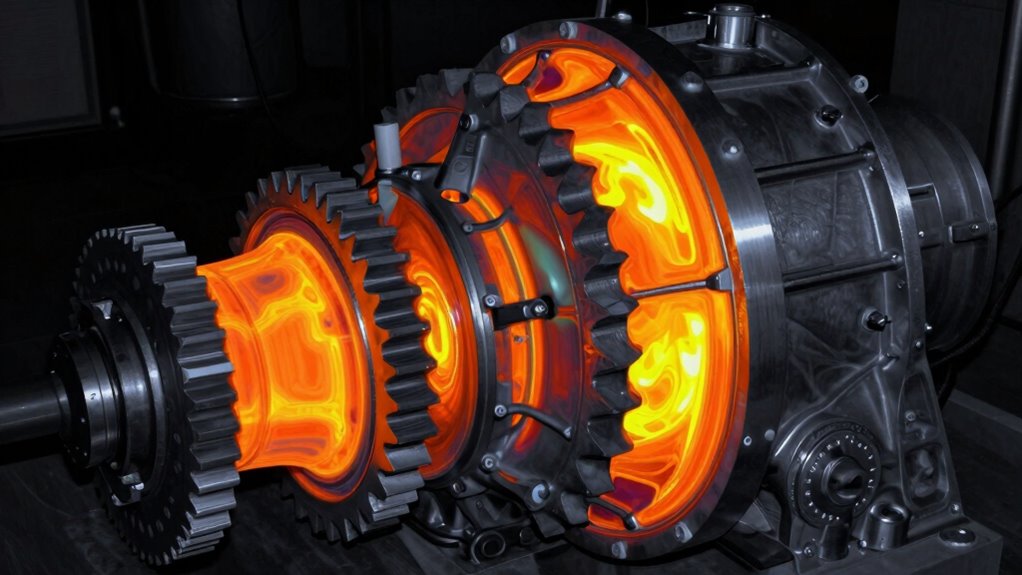
Thermal imaging becomes a vital tool in your maintenance routine when you need to quickly identify abnormal heat patterns that could indicate potential issues. Use thermal imaging regularly, especially during routine inspections, to pinpoint hot spots before they cause failure. It’s most effective when integrated into your maintenance scheduling, allowing you to detect problems early and plan repairs proactively. Conduct thermal scans during off-peak hours to get accurate readings without interference. Focus on critical equipment like gearboxes, motors, and electrical panels. By consistently monitoring these areas, you can catch developing issues early, reducing downtime and repair costs. Remember, thermal imaging isn’t just for troubleshooting—it’s a proactive step to guarantee your equipment runs smoothly and efficiently. Proper interpretation of thermal images is crucial to avoid false alarms and ensure accurate diagnostics. Additionally, understanding battery management systems can help optimize your equipment’s performance and longevity. Knowing how to interpret thermal anomalies accurately ensures you make informed decisions based on your scans. Regular training on thermal image analysis can further improve diagnostic accuracy and maintenance outcomes.
Frequently Asked Questions
Can Thermal Imaging Detect Early Gearbox Wear Before Symptoms Appear?
Yes, thermal imaging can detect early gearbox wear before symptoms appear. By identifying subtle hot spots or temperature increases, you can perform early detection and avoid costly repairs. Regular thermal inspections allow you to spot issues before they escalate, enabling wear prevention. This proactive approach helps extend gearbox lifespan, reduces downtime, and ensures your equipment runs smoothly and efficiently.
What Are Common False Positives in Thermal Gearbox Inspections?
A false positive is like a wolf in sheep’s clothing. You might see hot spots caused by environmental interference or sensor calibration issues, not actual gearbox problems. External factors like sunlight, dust, or even temperature fluctuations can give misleading readings. To reduce these, regularly calibrate your thermal sensor and account for environmental conditions. Remember, proper interpretation is key to avoiding unnecessary alarms and ensuring accurate gearbox inspections.
How Does Ambient Temperature Affect Thermal Imaging Accuracy?
Ambient temperature greatly impacts thermal imaging accuracy because it affects your thermal calibration. If the ambient temperature is too high or too low, your camera may misinterpret hot spots or cool areas, leading to false readings. To guarantee precise measurements, you should perform thermal calibration regularly, especially when ambient conditions change. This helps your thermal camera adjust to environmental variations, giving you reliable data on gearbox hot spots and other thermal anomalies.
Are There Specific Thermal Camera Settings for Gearbox Inspections?
For gearbox inspections, you should adjust your thermal camera settings by ensuring proper camera calibration to get accurate temperature readings. Use a high image resolution to detect subtle hot spots. Set the emissivity according to the gearbox surface, and choose appropriate temperature span and focus. These settings help you identify hot spots precisely, making your inspection more reliable and effective.
How Often Should Thermal Imaging Be Performed for Optimal Gearbox Maintenance?
Think of your gearbox as a beating heart—regular checkups keep it healthy. You should perform thermal imaging inspections every three to six months, depending on usage and operating conditions. This inspection frequency helps catch hot spots early, guiding your maintenance scheduling. Consistent monitoring guarantees you spot issues before they escalate, keeping machinery running smoothly and preventing costly downtime. Prioritize routine thermal scans for a longer-lasting, more reliable gearbox.
Conclusion
By mastering thermal imaging, you can spot gearbox hot spots before they turn into costly failures. Imagine peering into the heart of your machinery, where glowing patches reveal hidden problems. With each image you capture, you gain a clearer view of potential issues lurking beneath the surface. Keep a vigilant eye, interpret those hot spots wisely, and you’ll guarantee your gearboxes run smoothly—like a well-oiled machine, always one step ahead.