
Seal leaks in your manual gearbox can stem from venting problems, seal wear, or improper installation. If venting is blocked, pressure builds up and stresses seals, causing leaks. Seal wear from age or contaminants can also lead to seepage, and incorrect installation can damage seals prematurely. Understanding these causes helps you identify issues early. Keep an eye on these factors to prevent leaks, and you’ll discover more tips on maintaining your gearbox’s health.

Get business pricing on garage and car supplies
- Business-only prices and quantity discounts
- Tax-exempt purchasing
- Multiple users, one account, clear invoices
Key Takeaways
- Improper venting causes pressure buildup, stressing seals and leading to leaks.
- Seal wear from friction, heat, or contamination results in deterioration and oil leaks.
- Incorrect installation, including misalignment or improper fitting, can cause early seal failure.
- Using incompatible or low-quality lubricants accelerates seal degradation and leaks.
- Regular inspection and proper maintenance help identify issues early and prevent leaks.
manual gearbox seal replacement kit
As an affiliate, we earn on qualifying purchases.
As an affiliate, we earn on qualifying purchases.
What Causes Seal Leaks in Your Manual Gearbox?
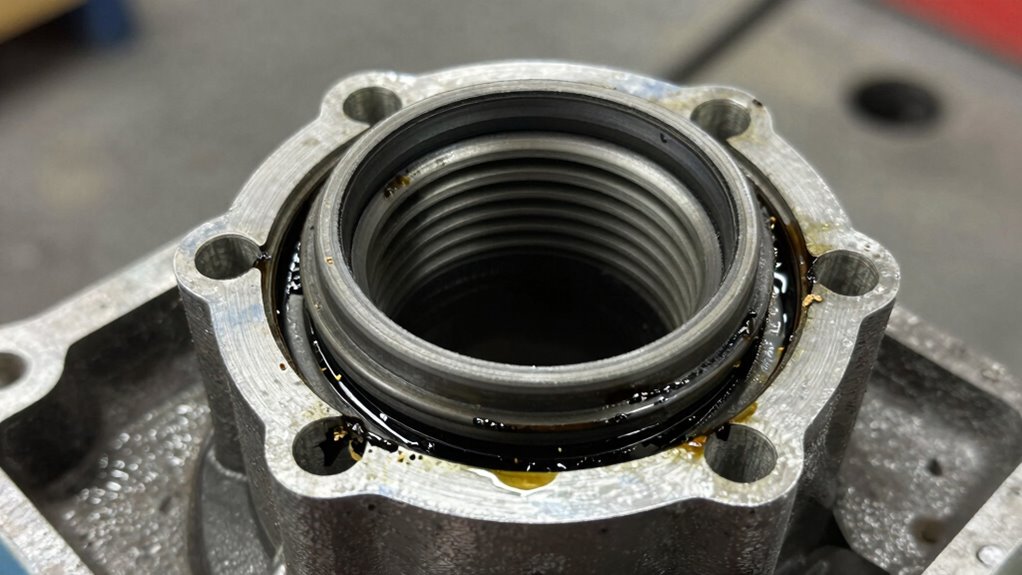
Seal leaks in your manual gearbox often result from wear and tear over time. The seal material plays a vital role; if it’s made from low-quality or incompatible materials, it’s more prone to deterioration. As the seal material degrades, tiny cracks or gaps form, allowing lubricant to escape. Additionally, the quality of lubricant used impacts seal longevity. Poor-quality lubricant can cause the seal to swell, become brittle, or lose its elasticity faster, leading to leaks. Excessive heat, contamination, or improper installation can also accelerate the breakdown of both the seal material and the lubricant. Proper maintenance practices can help extend the lifespan of your gearbox seals and prevent leaks before they become serious issues. Regular inspections and correct installation techniques are essential for maintaining a reliable seal and avoiding costly repairs. Ensuring that the seal material compatibility is appropriate for your gearbox components can further reduce the risk of leaks and prevent premature failure. Proper venting systems can also help relieve pressure buildup that might otherwise cause seal failure.
As an affiliate, we earn on qualifying purchases.
How Can You Recognize Signs of Seal Leaks From Wear and Aging?
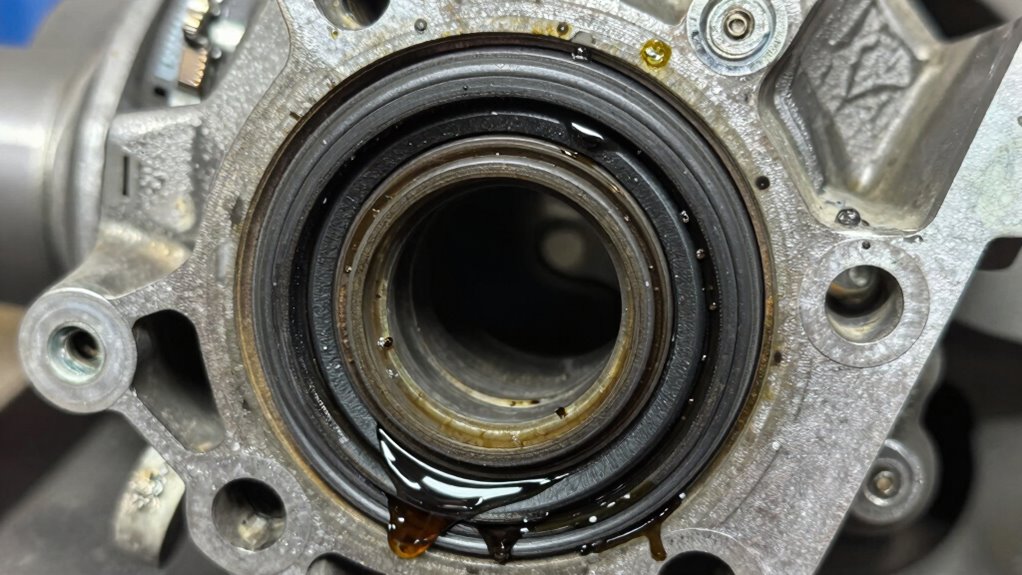
You might notice visible oil leaks under your vehicle, which can signal seal wear or aging. Unusual gear behavior, like slipping or difficulty shifting, can also indicate seal issues. Keep an eye out for these signs to catch seal leaks early before they cause more damage. Additionally, routine vehicle maintenance can help identify early signs of seal deterioration and prevent potential safety hazards. Regular inspections of the seal integrity can further aid in detecting problems before they become severe.
Visible Oil Leaks
Over time, worn or aging seals can start to leak oil visibly from your manual gearbox. You might notice fresh oil pooling beneath your vehicle or smudges on the transmission housing. To identify seal leaks caused by wear and aging, look for these signs:
- Dripping oil near the seal area, especially where the seal material has become brittle or cracked.
- Discolored or hardened sealing surfaces, indicating deterioration of the seal material due to exposure to heat or oil type.
- Consistent oil spots that increase over time, suggesting ongoing leakage from compromised seals.
- The horsepower of electric dirt bikes can influence the amount of stress on transmission seals, potentially accelerating wear and leaks.
- Regular inspection and understanding of quality assurance practices can help detect early signs of seal failure before significant leaks develop.
- Proper installation techniques are essential to ensure seal longevity and prevent premature leaks.
Unusual Gear Behavior
Worn or aging seals don’t just cause visible leaks—they can also lead to changes in how your gearbox shifts and performs. You might notice difficulty in gear engagement, grinding, or slipping, indicating seal deterioration affecting pressure regulation. As sealing materials age, they lose elasticity, causing inconsistent pressure control within the gearbox. This can result in uneven gear shifts or delayed responses. Watch for abrupt gear changes or resistance when shifting, which signals possible seal wear impacting internal pressure. Additionally, seal integrity is crucial for maintaining proper internal pressure and preventing leaks that could worsen gear behavior.
automatic transmission seal repair
As an affiliate, we earn on qualifying purchases.
As an affiliate, we earn on qualifying purchases.
How Does Venting Contribute to Gearbox Seal Leaks?
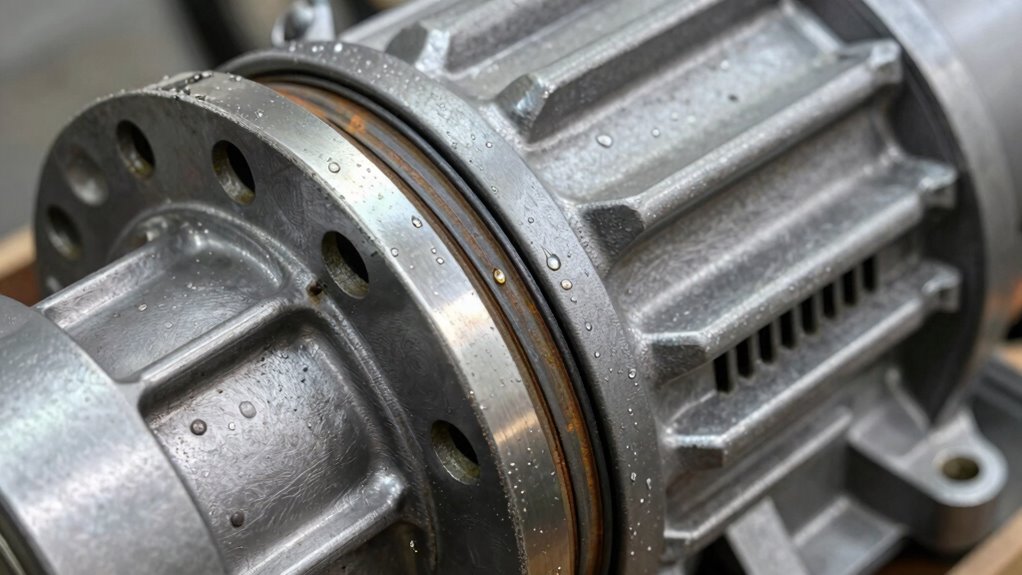
Venting plays an essential role in preventing excessive pressure buildup inside manual gearboxes, which can otherwise force oil past seals. If your venting system isn’t functioning properly, pressure can accumulate, leading to leaks. Here’s how venting contributes to seal failure:
- Blocked venting system traps pressure, increasing stress on seals and making them more prone to leaks.
- Inadequate venting allows pressure to build during thermal expansion or fluid movement, forcing oil past seal lips.
- Improper vent placement can cause localized pressure points, accelerating seal wear and failure.
- Proper vent maintenance is crucial to ensure pressure is effectively released, reducing the risk of seal leaks. Additionally, understanding pressure regulation helps in designing effective venting systems that minimize wear. Regularly inspecting and cleaning the vents prevents clogged vents, which can impede pressure release and lead to leaks. Ensuring that vents are correctly installed and functioning optimally is also vital for maintaining seal integrity. Proper venting system design considers airflow paths and vent sizing to prevent pressure buildup and prolong seal life.
As an affiliate, we earn on qualifying purchases.
What Common Installation Mistakes Lead to Seal Failures?
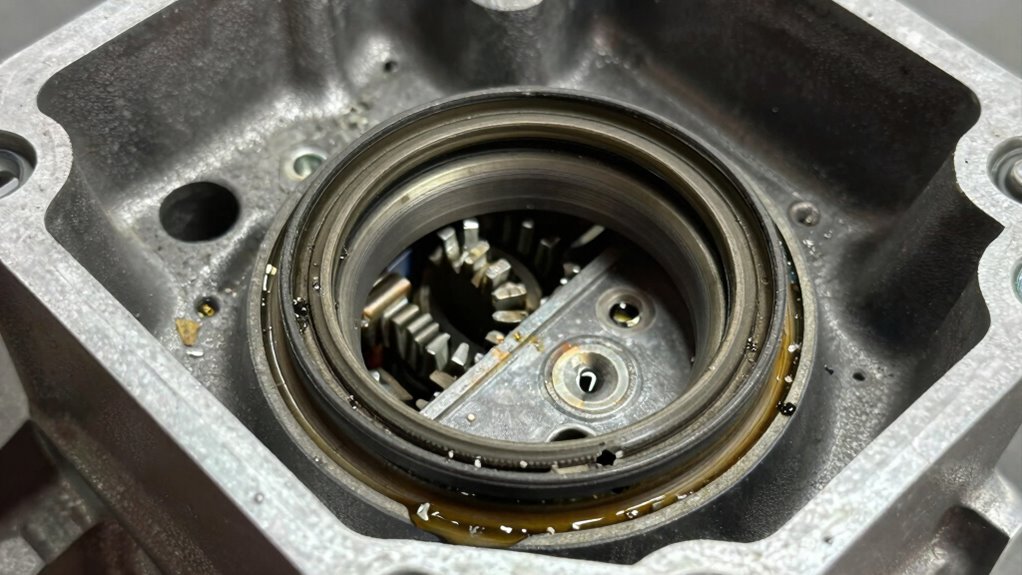
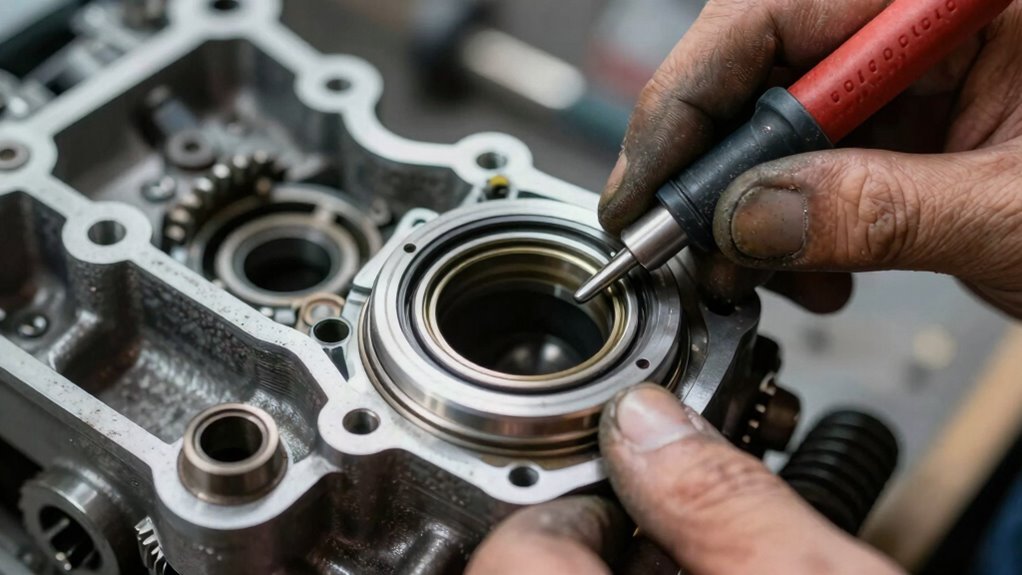
One of the most common causes of seal failures in manual gearboxes is incorrect installation. Installation errors, such as rushing the process or not following manufacturer guidelines, can lead to unnecessary stress on the seal. Misaligned seals are a frequent issue, occurring when the seal is not properly positioned during installation. This misalignment causes uneven wear and can create gaps that allow fluid leaks. Using the wrong tools or applying excessive force also damages the seal surface or distorts its shape, compromising its effectiveness. To avoid these mistakes, make sure you carefully align the seal, follow the recommended installation procedures, and use proper tools. Proper installation practices are essential for ensuring sealing performance and long-term durability of your gearbox. Additionally, paying attention to installation techniques can help prevent common errors and extend the life of your seals. Ensuring correct seal orientation during installation is crucial to prevent early failure. Proper seal lubrication during installation can also help reduce installation-related damage and improve seal longevity. Being aware of installation guidelines can further minimize the risk of mistakes that lead to seal failure.
How Do You Diagnose Whether Venting, Wear, or Installation Is Causing Seal Leaks?
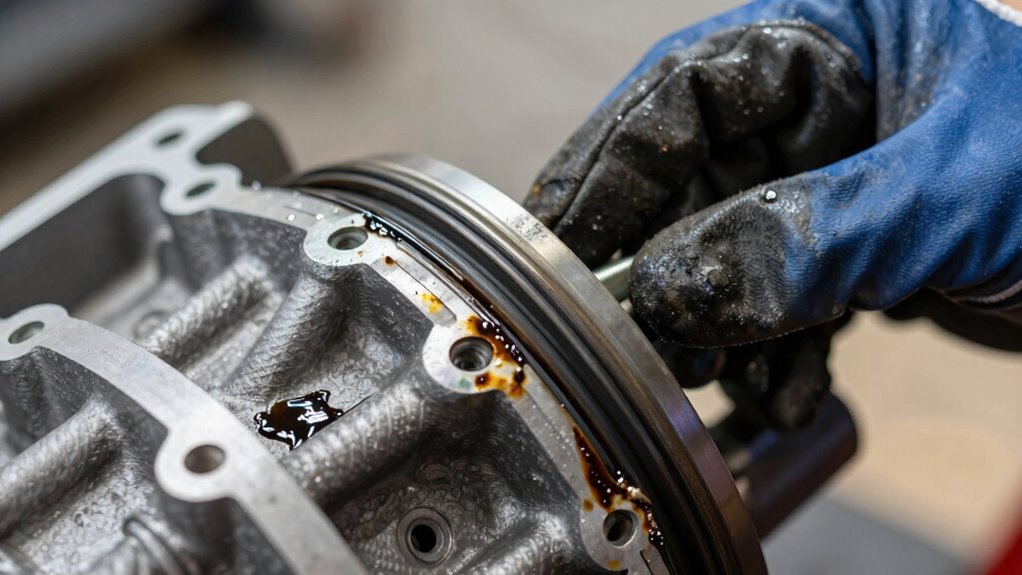
How can you tell if a seal leak results from venting issues, wear, or improper installation? First, examine the leak’s location and pattern. For venting problems, leaks often occur around the vent or breather, and may coincide with pressure buildup. Second, inspect the seal material; signs of wear like cracking, hardening, or deformation suggest long-term deterioration. Third, consider manufacturing defects or improper installation—if the seal appears misaligned, damaged during installation, or made from subpar material, these could be culprits. By evaluating these factors, you can identify whether venting issues, wear, or poor installation cause the leak, helping you target repairs effectively. Always remember, understanding the root cause saves time and prevents future failures.
How Can You Prevent Seal Leaks in Your Manual Gearbox?
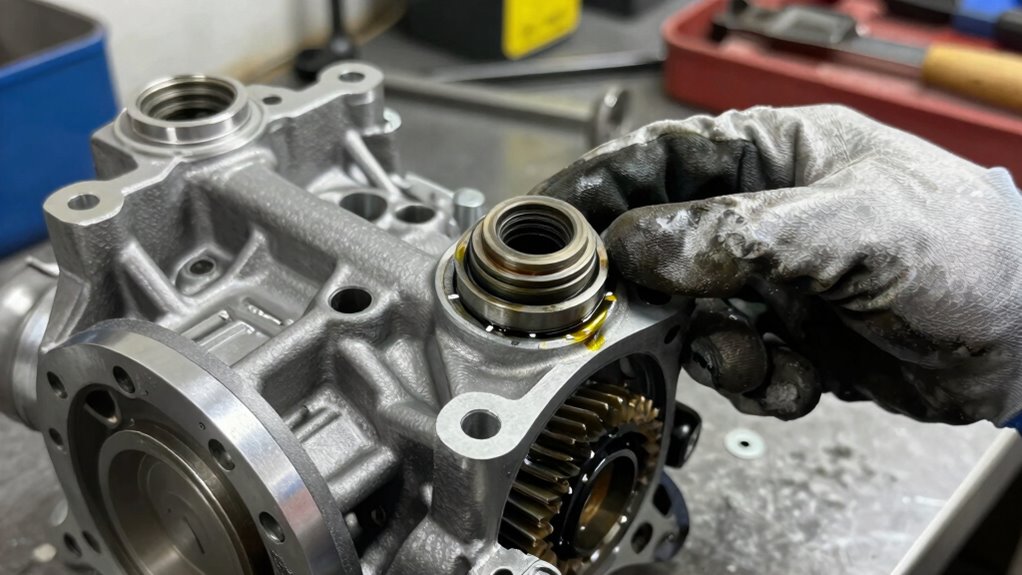
Preventing seal leaks in your manual gearbox starts with proper installation and regular maintenance. Selecting the right lubricant is vital; use a lubricant compatible with your seal material to reduce wear and prevent degradation. When choosing lubricants, check the manufacturer’s specifications to guarantee ideal viscosity and additives that protect seals. Additionally, pay attention to the seal material itself—materials like rubber, silicone, or Viton each have specific resistance properties. Installing seals correctly, with proper fitting and alignment, minimizes stress and potential leaks. Regular inspections help catch early signs of wear or damage, allowing you to replace compromised seals before leaks develop. Proper installation techniques and correct component fitting further reduce the risk of leaks. Ensuring proper venting can also prevent pressure buildup that might lead to seal failure. Incorporating proper sealing practices during assembly is essential to maintain a reliable seal and prevent leaks. Consistent maintenance and careful component selection go a long way in keeping your gearbox sealed and functioning smoothly.
What Are Your Options for Repairing or Replacing Gearbox Seals?
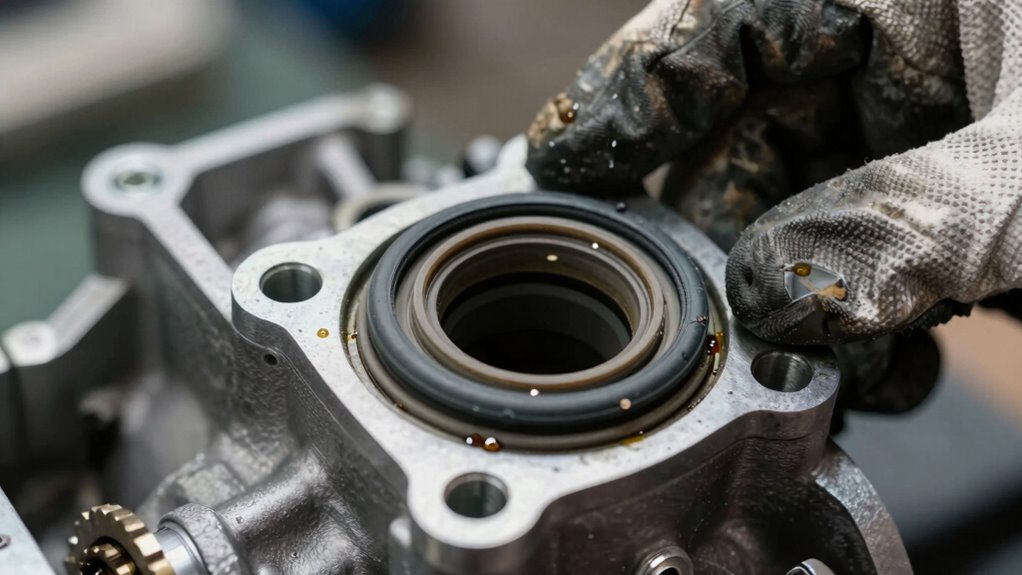
When a gearbox seal begins to fail or leak, you have several options for repair or replacement. First, you can replace the seal with a new one made from a compatible seal material, ensuring it’s designed to withstand gearbox fluid and operating conditions. Second, consider reconditioning or resealing the existing seal if damage is minor, often involving cleaning and applying sealant or gasket maker. Third, in severe cases, replacing the entire gearbox or its housing might be necessary to prevent further leaks. Proper sealing depends on choosing the right seal material to withstand gear oil and pressure. Whether you opt for a simple seal replacement or a more extensive fix, addressing the issue promptly is key to preventing damage and maintaining ideal gearbox performance.
When Should You Seek Professional Help for Gearbox Seal Issues?
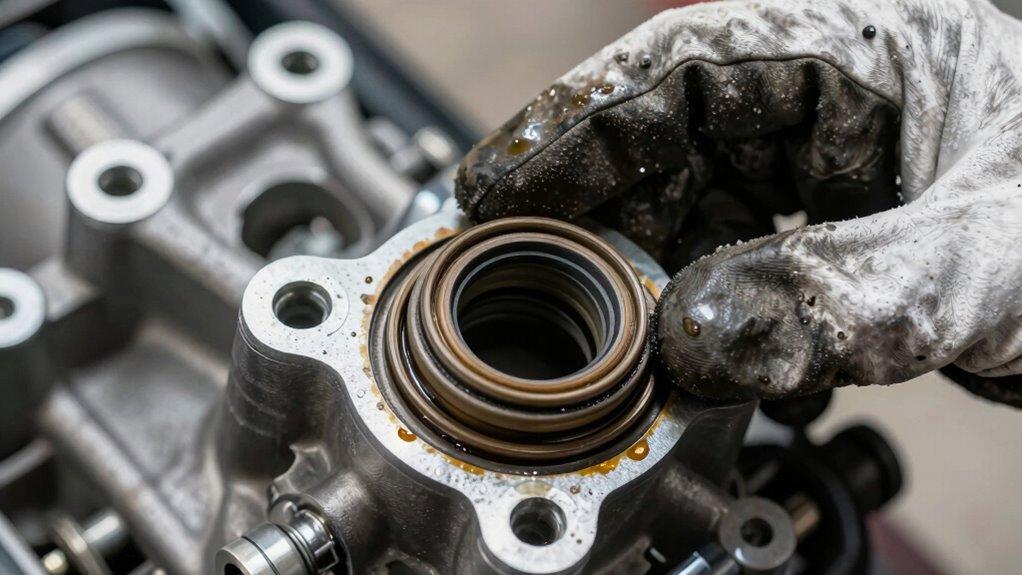
If you notice persistent or worsening leaks from your gearbox, it’s time to seek professional help. A professional inspection can accurately diagnose whether the seal issue is caused by venting problems, wear, or improper installation. Ignoring ongoing leaks can lead to more significant damage or safety hazards, so don’t delay. When you visit a mechanic, they’ll assess the condition of the seals and recommend the appropriate repairs or replacements. It’s important to follow safety precautions during any inspection or repair process to prevent injury or further damage. If you’re unsure about the severity of the leak or how to address it, consulting a professional ensures your gearbox remains reliable and safe to operate.
Frequently Asked Questions
Can Seal Leaks Cause Gearbox Failure Beyond Fluid Loss?
Yes, seal leaks can cause gearbox failure beyond fluid loss. When seal material deteriorates or if installation quality is poor, leaks may introduce dirt and debris, leading to increased wear on gear components. Over time, this can result in overheating, misalignment, and eventual gearbox failure. Ensuring proper installation and using high-quality seals minimizes leaks, protecting your gearbox from damage and extending its lifespan.
Are There Specific Brands or Types of Seals More Prone to Leaks?
Yes, some seal brands or types are more prone to leaks, especially if their seal material isn’t suited for your gearbox’s conditions. Poor installation quality also increases leak risks. You should choose seals made from durable, compatible materials and guarantee proper installation techniques. High-quality brands often offer better resistance to wear and venting issues, helping prevent leaks and extending your gearbox’s lifespan.
How Does Temperature Fluctuation Affect Gearbox Seal Longevity?
Think of your gearbox seal as a delicate dance partner, sensitive to temperature swings. When temperatures fluctuate, seal material compatibility and temperature-induced expansion can cause the seal to lose its grip, leading to leaks. Rapid changes make the seal stretch or contract, weakening its barrier. To keep your gearbox in harmony, guarantee the seal material matches your operating temperature range, preventing premature wear and sealing failures.
What Are the Environmental Impacts of Leaking Gearbox Oil?
If your gearbox leaks oil, it can cause significant environmental pollution through oil contamination of soil and water sources. This leakage not only harms wildlife and ecosystems but also contributes to long-term environmental damage. You should promptly address leaks to prevent oil from spreading, reduce environmental impact, and comply with regulations. Regular maintenance and proper sealing can help minimize oil contamination and protect the environment.
Is It Safe to Drive With a Minor Gearbox Seal Leak?
You might think a minor gearbox seal leak isn’t a big deal, but it can jeopardize gearbox safety over time. Even small leaks can worsen, leading to fluid loss and increased wear. Check the leak severity regularly; if it’s minimal and doesn’t affect shifting or fluid levels, you could delay repairs. However, it’s safest to address any leak promptly to prevent further damage and ensure your gearbox remains reliable.
Conclusion
Think of your gearbox as a delicate water fountain. If the seals are like tiny leaks in the tubing, even a small crack can cause water to spill. Regular maintenance and careful installation keep the flow smooth and steady. By addressing wear and venting issues early, you prevent leaks from turning into floods. When in doubt, call in a professional to restore your gearbox’s harmony—keeping your ride running like a perfectly tuned symphony.
Fall Picks
fall essentials
As an affiliate, we earn on qualifying purchases.