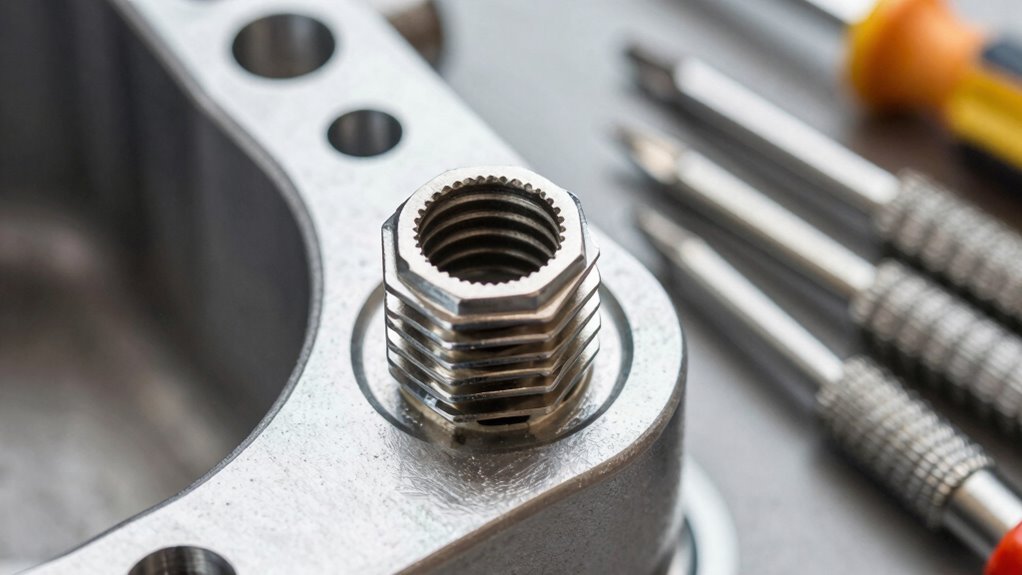

To prevent stripped fill plugs and rounded fasteners, always choose the correct size and type of tool, ensuring a snug fit. Clean and lubricate fasteners before working on them, especially if they’re rusted or stuck. Apply steady, controlled force when loosening or tightening to avoid slipping or rounding edges. Using quality tools and taking your time can markedly reduce damage. For more tips on maintaining fastener integrity, keep exploring ways to improve your technique.

Get business pricing on garage and car supplies
- Business-only prices and quantity discounts
- Tax-exempt purchasing
- Multiple users, one account, clear invoices
Key Takeaways
- Use the correct-sized screwdriver or socket to match the fill plug or fastener precisely.
- Apply penetrating oil and wait before attempting to loosen stubborn or rusted fasteners.
- Keep tools sharp, well-maintained, and use firm, controlled force during tightening or loosening.
- Clean the fastener and surrounding area thoroughly to ensure a secure grip and reduce slippage.
- Avoid excessive force or sudden jerks; work gradually to prevent stripping or rounding the fastener edges.
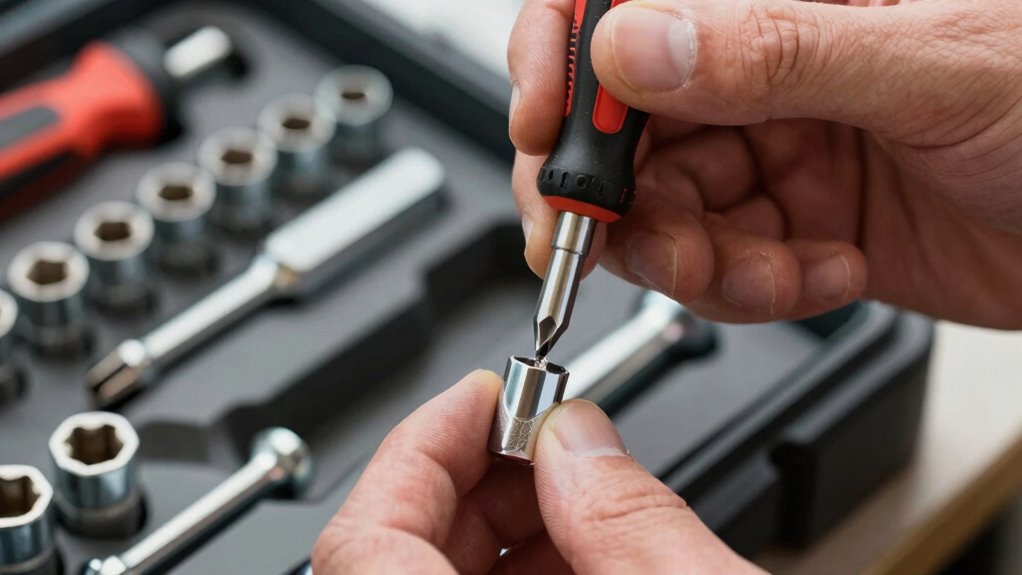
Stripped fill plugs and rounded fasteners can be frustrating and costly to fix, but you can prevent these issues with proper technique and tools. The key starts with proper tool selection. Using the right size screwdriver, socket, or wrench ensures you grip fasteners securely without slipping. Always match the tool’s head precisely to the fastener’s head type—whether Phillips, flat, Torx, or Allen—to avoid applying uneven pressure that can strip the fastener. Investing in quality tools with well-maintained, sharp edges pays off over time, reducing the risk of slippage and damage. Cheap or worn tools may seem cost-effective initially, but they often cause more harm than good, especially when working on delicate or hard-to-reach fasteners.
Surface preparation is equally important. Before attempting to loosen or tighten a fastener, clean the area thoroughly. Dirt, rust, and debris can cause tools to slip, increasing the chance of stripping or rounding the fastener head. Use a wire brush or penetrating oil to remove rust and debris, giving your tools a better grip and reducing the effort needed. Applying penetrating oil also helps loosen rusted or stuck fasteners, making them easier to turn without applying excessive force. When working on fill plugs or fasteners embedded in tight spaces, ensure the surface is free of obstructions that could cause your tool to slip or misalign.
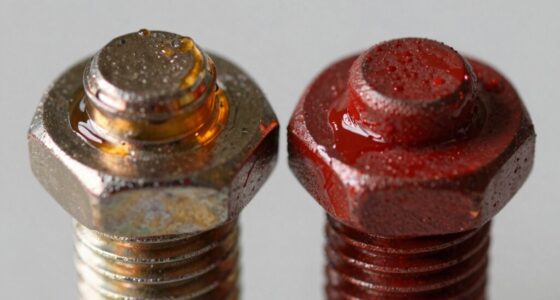
Thoroughly clean and oil fasteners to prevent slipping and damage during removal or installation.
Additionally, consider the environment you’re working in. If the fastener has been exposed to moisture or corrosion, surface preparation becomes even more critical. Properly cleaning and lubricating the fastener before removal or installation helps prevent rounding and stripping. Take your time to inspect the fastener and surface; rushing can lead to slips and damage, which might require costly repairs later.
When tightening or loosening, apply steady, controlled force rather than sudden jerks. This reduces the risk of slipping off the fastener head. If you feel resistance, don’t force it aggressively—use penetrating oil and let it sit for a few minutes. In cases where a fastener is stubborn, use a breaker bar or an impact driver with the correct bit, but always ensure your tools are appropriate for the task. Remember, patience and preparation are your best allies in avoiding stripped fill plugs and rounded fasteners. Proper tool selection combined with thorough surface preparation saves you time, money, and headaches down the line. Developing strong problem-solving skills can further assist in troubleshooting stubborn fasteners when standard methods fail.
As an affiliate, we earn on qualifying purchases.
Frequently Asked Questions
What Tools Are Best for Removing Stubborn Fasteners?
You should use impact drivers for stubborn fasteners—they deliver high torque and help loosen stuck screws easily. Locking pliers are also great; they grip tightly and give you extra leverage to turn or remove stubborn fasteners. Combining these tools allows you to tackle tough fasteners effectively, reducing the risk of stripping or rounding edges. Always guarantee your tools are in good condition for the best grip and control.
How Can I Identify if a Fastener Is Stripped?
Ever wonder if that fastener is stripped? You can tell by checking if your screwdriver slips easily or if the head feels loose. Look for signs of fastener corrosion, like rust or discoloration, which weaken threads and make removal tricky. If it’s stripped, consider thread repair options to restore the fastener’s grip. Identifying these clues early saves you time and prevents further damage to your project.
Are There Specific Lubricants to Prevent Stripping?
Using the right lubricant can help prevent stripping by reducing friction and easing fastener installation. Look for lubricants specifically designed for fastener applications, such as anti-seize compounds or light machine oils. Proper lubricant selection also aids in fastener corrosion prevention, extending their lifespan. Apply a small amount evenly to the threads before tightening, ensuring a secure fit without over-tightening that could cause stripping or damage.
Can Damaged Threads Be Repaired Easily?
Yes, damaged threads can be repaired easily with proper thread repair tools like helicoils or thread inserts. You just need to carefully clean the area and use the right fastener maintenance techniques to restore the threads. These methods help you save time and money, ensuring a secure fit. Always follow the manufacturer’s instructions for thread repair, and consider professional help if the damage is extensive.
What Safety Precautions Should I Take When Working With Fasteners?
Imagine you’re replacing a bolt in a tight engine bay. Always wear personal protective equipment like gloves and safety glasses to shield your hands and eyes. Keep your workspace clean and well-lit to prevent slips or accidents. When working with fasteners, guarantee tools are in good condition, and use the correct size to avoid stripping or rounding. These precautions help maintain workspace safety and protect you from injury.
As an affiliate, we earn on qualifying purchases.
Conclusion
By treating your fasteners with care, you turn a potential trap into a smooth sailing journey. Think of your tools as dance partners—gentle yet precise, guiding each step without forcing the rhythm. When you use the right size and keep everything snug but not over-tightened, you prevent the dreaded stripped or rounded mess. With patience and attention, you’ll keep your fasteners singing in harmony, avoiding the pitfalls and ensuring your project stays strong and steady, like a well-tuned symphony.
penetrating oil for rusted fasteners
As an affiliate, we earn on qualifying purchases.
As an affiliate, we earn on qualifying purchases.
As an affiliate, we earn on qualifying purchases.
Halloween Picks
halloween
As an affiliate, we earn on qualifying purchases.