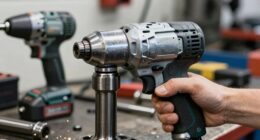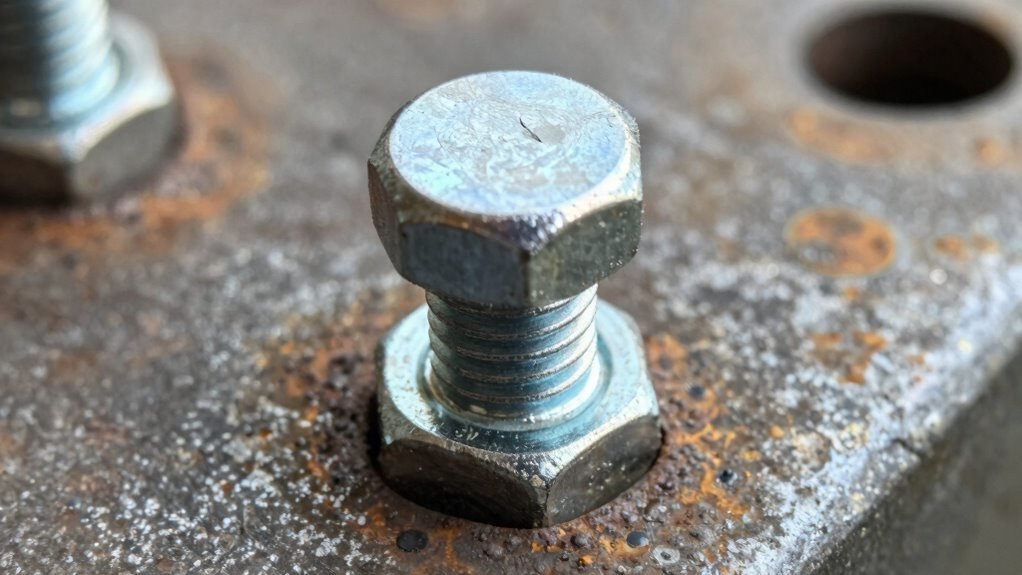

Even if you torque fasteners to the correct setting, they can still fail because torque alone doesn’t control thread stretch and preload accurately. Variations in thread friction, lubrication, or fastener condition can cause uneven preload, leading to loosening or failure over time. Using angle tightening after torque helps guarantee consistent thread stretch and preload, reducing these risks. If you want to understand how combining these methods boosts fastener reliability, keep exploring the details.

Get business pricing on garage and car supplies
- Business-only prices and quantity discounts
- Tax-exempt purchasing
- Multiple users, one account, clear invoices
Key Takeaways
- Sole reliance on torque ignores thread stretch variations, risking uneven preload and fastener failure.
- Over- or under-torquing can damage threads, reducing preload effectiveness despite “correct” torque values.
- Torque alone doesn’t account for lubrication, thread condition, or deformation, leading to inconsistent preload.
- Combining torque with angle tightening ensures more uniform preload and reduces fastener loosening risks.
- Inadequate tightening methods can cause fasteners to fail later, even if initial installation appeared correct.
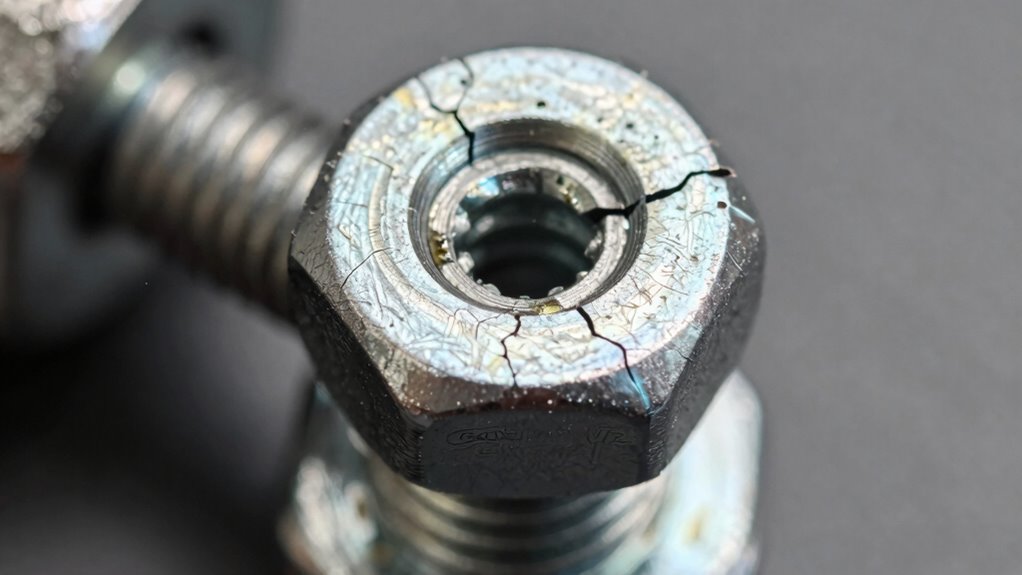
Even when you tighten fasteners correctly, they can still fail later on. This often happens because of issues related to thread stretch and preload consistency. When you torque a fastener, you’re applying a specific amount of rotational force to achieve a certain clamping force. However, if the thread stretch isn’t properly managed, or if the preload isn’t consistent from one fastener to another, problems can arise down the line. Thread stretch refers to the tiny elongation that occurs in the fastener threads as they are tightened. This stretch is essential for creating the necessary preload—the tension within the fastener that keeps parts securely clamped together. If the thread stretch isn’t uniform or if the preload isn’t consistent, the fastener may initially hold well but become loose over time or under stress. Proper preload management is crucial for ensuring long-term fastener reliability. Preload consistency is vital because it determines how evenly the load is distributed across all fasteners in an assembly. When you tighten using a torque wrench, small variations can cause some fasteners to have higher preload than others. These differences can lead to uneven stress, which might cause some fasteners to loosen or even fail prematurely. If the torque applied exceeds the fastener’s elastic limit, it can cause permanent deformation or thread damage, reducing preload effectiveness. Conversely, if the torque is too low, the fastener may not develop enough preload to maintain a secure connection, which can cause it to loosen with vibration or thermal cycling.
Another reason fasteners fail despite correct torque application relates to the tools and methods used. Relying solely on torque without considering angle tightening methods can leave you vulnerable to preload inconsistencies. Angle tightening involves rotating the fastener a specific number of degrees after reaching a certain torque value. This approach helps account for thread stretch more precisely, ensuring that each fastener achieves a uniform preload regardless of minor variations in thread condition or lubrication. When you combine torque with angle tightening, you gain better control over thread stretch and preload, reducing the risk of fastener failure.
As an affiliate, we earn on qualifying purchases.
Frequently Asked Questions
How Does Temperature Affect Torque and Angle Measurements?
Temperature changes impact torque and angle measurements through thermal expansion, causing fasteners to expand or contract. As temperatures rise, fasteners may loosen if not properly calibrated for thermal effects, leading to inaccurate readings. That’s why temperature calibration is vital; it ensures your torque and angle measurements stay accurate across different temperatures. Always consider thermal expansion when working in varying environments to prevent fastener failure or over-tightening.
Can Improper Lubrication Lead to Fastener Failure?
Improper lubrication can definitely lead to fastener failure. If you don’t use the right lubrication, it affects lubrication effects like increasing friction or preventing corrosion, which weakens the fastener over time. Without proper lubrication, fasteners are more prone to corrosion, leading to rust and degradation. This weakens the connection, increasing the risk of loosening or breaking, especially under stress or after long-term exposure to harsh environments.
What Are Signs of Fastener Loosening Over Time?
You’ll notice fastener loosening as thread stretching and vibration effects start to loosen their grip over time. Signs include gaps, movement, or rattling sounds—like a chain losing its links. You might also see leaks, misalignment, or uneven wear. These clues signal that the fastener’s holding power is waning, allowing the forces of vibration and thread stretching to gradually weaken its secure hold, risking failure if unchecked.
How Do Material Differences Influence Torque Requirements?
Material differences substantially influence torque requirements because material properties like strength, ductility, and thermal expansion vary. You need to verify fastener compatibility with the material you’re working with; otherwise, you risk either over-tightening or under-tightening. For example, softer materials require lower torque to prevent damage, while harder materials can tolerate higher torque. Understanding these material properties helps you apply the correct torque, ensuring reliable fastening without risking failure.
Are There Industry Standards for Torque and Angle Application?
Yes, industry standards provide specific torque specifications and angle application guidelines to guarantee fastener reliability. You should follow these standards, like those from ISO, ASTM, or OEMs, to prevent failures. These guidelines account for material differences and application needs, helping you apply the correct torque and angle. Adhering to industry standards minimizes risks and ensures your fasteners perform effectively over time.
As an affiliate, we earn on qualifying purchases.
Conclusion
Understanding torque versus angle shows that even a “correct” installation isn’t foolproof. Fasteners can still fail if you don’t consider all factors, like material properties and proper tightening techniques. Think of it like balancing on a tightrope—you might be steady at first, but a small shift can cause everything to collapse. So, always double-check your work and remember that precision isn’t just about the initial torque; it’s about the entire process.
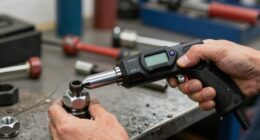
fastener preload measurement tool
As an affiliate, we earn on qualifying purchases.
As an affiliate, we earn on qualifying purchases.
As an affiliate, we earn on qualifying purchases.
Fall Picks
fall essentials
As an affiliate, we earn on qualifying purchases.