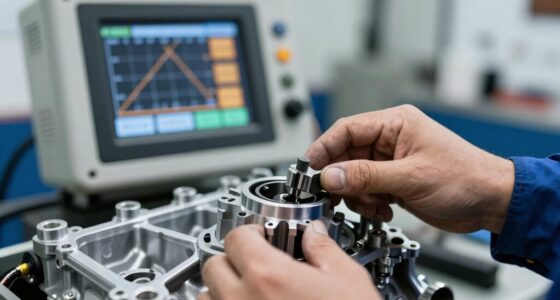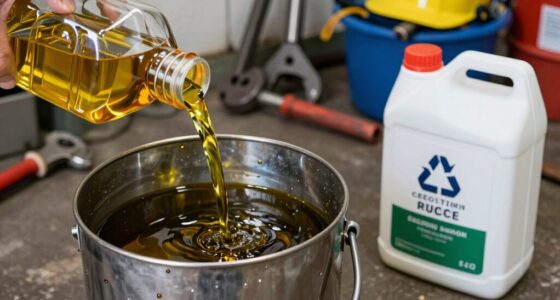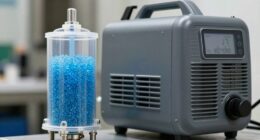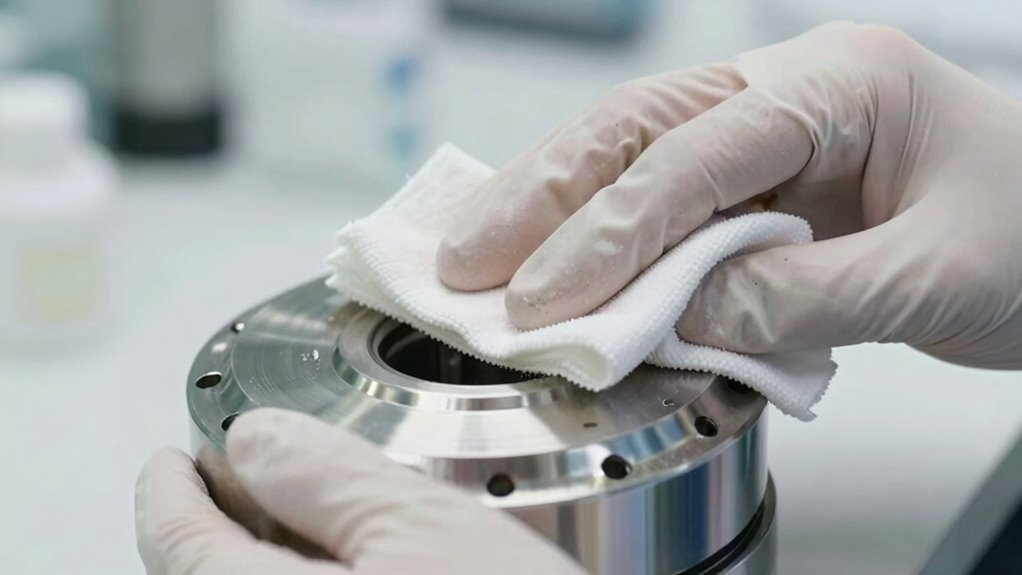

To achieve the right level of “clean,” you need to thoroughly remove dirt, oil, grease, and debris that can interfere with the fit and function of mating surfaces. Use compatible cleaners like solvent-based or ultrasonic methods, ensuring all residues are fully eliminated without scratching the surfaces. Make sure everything is dry and free of contaminants before assembly. If you want to know more about ideal cleaning techniques and tips, continue exploring how to prepare surfaces for long-lasting performance.
Key Takeaways
- Use compatible cleaning agents suited for the material to effectively remove dirt, oil, and residues without damaging surfaces.
- Ensure surfaces are thoroughly dry after cleaning to prevent moisture-related issues and residue buildup.
- Remove all residual lubricants and contaminants prior to assembly to avoid interference with mating and performance.
- Avoid abrasive cleaners or tools that can scratch or damage mating surfaces, compromising fit and function.
- Follow manufacturer guidelines for cleaning procedures and use appropriate drying methods for optimal surface cleanliness.

Cleaning mating surfaces is a crucial step to guarantee proper fit and function of mechanical components. If you skip or rush this process, you risk leaving behind surface contamination that can compromise the assembly’s performance. Surface contamination, such as dirt, oil, grease, or debris, can interfere with the mating process, leading to uneven load distribution, increased wear, or even premature failure. To avoid these issues, you need to pay close attention to lubrication considerations and confirm surfaces are adequately cleaned.
Proper cleaning of mating surfaces is essential to prevent contamination and ensure reliable mechanical performance.
When preparing surfaces, consider the type of lubrication used in the assembly. Some lubricants are designed to provide a protective barrier during operation, but if residual lubricant or contamination remains during assembly, it can trap dirt or particles between the mating surfaces. This trapped debris acts like an abrasive, accelerating wear and reducing the lifespan of components. Consequently, it’s essential to remove excess or incompatible lubricants thoroughly during cleaning, especially if the new lubricant will be applied afterward. Use cleaning agents compatible with the materials involved, and always follow manufacturer recommendations to prevent damaging surfaces or leaving residues that could attract dirt.
Surface contamination can come from many sources, including manufacturing processes, handling, or environmental exposure. Even tiny particles or films of oil can create gaps or prevent proper contact. This is particularly critical in high-precision assemblies where tight tolerances are essential for performance. Before cleaning, inspect the surfaces carefully. If contamination is evident, opt for cleaning methods that effectively remove oils, greases, and particles without leaving residues. Solvent-based cleaners or ultrasonic cleaning are often ideal, as they can penetrate small crevices and lift contaminants. Avoid using abrasive materials that could scratch or damage the surface, as scratches can harbor dirt and weaken the structure over time. Additionally, employing proper cleaning procedures can ensure the removal of stubborn residues and contaminants.
After cleaning, it’s essential to confirm the surfaces are completely dry and free of any leftover cleaning agents. Moisture or chemical residues can also interfere with lubrication and promote corrosion. Use lint-free wipes, compressed air, or short air blasts to dry the surfaces thoroughly. Once clean and dry, you can confidently apply the appropriate lubricant, ensuring it bonds properly and performs as intended. Remember, the goal isn’t just to make the surfaces look clean—it’s to achieve a level of cleanliness that supports ideal lubrication and prevents surface contamination from compromising the mechanical assembly’s integrity. Proper cleaning sets the foundation for a reliable, smooth-running, and long-lasting machine.

VEVOR 3L Sonic Cleaner with Heater Timer & Basket, Professional Digital Sonic Cavitation Machine, 120W Cleaning Machine for Watch Instruments, Glasses, Coin, Metal Parts, Tool
Powerful Cleaning Performance: The VEVOR Sonic Cleaner operates at an ultra-high frequency of 40kHz, generating millions of tiny…
As an affiliate, we earn on qualifying purchases.
As an affiliate, we earn on qualifying purchases.
Frequently Asked Questions
How Often Should Mating Surfaces Be Cleaned?
You should clean mating surfaces regularly, following the lubrication compatibility and cleaning frequency guidelines for your equipment. Typically, inspect and clean these surfaces whenever you notice dirt, debris, or changes in performance, often every few months or after maintenance. Proper cleaning prevents contamination, guarantees smooth operation, and extends the lifespan of your machinery. Always use recommended cleaning agents and methods to maintain ideal performance and avoid damage.
What Cleaning Agents Are Safest for Mating Surfaces?
Think of cleaning agents as gentle guardians for your mating surfaces. You should choose chemical-safe, non-abrasive cleaners, like mild detergents or alcohol-based solutions, that follow proper cleaning protocols. These protect the delicate parts without risking damage or contamination. Always verify the ingredient safety and use in well-ventilated areas. By doing so, you guarantee your surfaces stay clean, functional, and safe for ongoing use.
Can Over-Cleaning Damage Mating Surfaces?
Over-cleaning can definitely damage mating surfaces. When you scrub too harshly or use overly aggressive cleaning agents, you risk removing protective coatings or causing scratches, leading to surface damage. This can compromise the integrity of the mating surfaces, affecting their proper fit and function. To avoid over-cleaning risks, use gentle cleaners and avoid abrasive tools, ensuring the surfaces stay clean without sacrificing their durability or accuracy.
How to Identify Residual Contaminants After Cleaning?
You can identify residual contaminants through residual detection methods like visual inspection, swabbing, or using dye penetrants. Contamination identification involves checking for visible residues, unusual odors, or surface irregularities. Use proper testing techniques to detect tiny traces that may not be perceptible to the naked eye. Regular inspection and testing ensure your mating surfaces are thoroughly clean, preventing future issues caused by hidden residual contaminants.
Are There Industry Standards for Cleanliness Levels?
Think of industry standards as a lighthouse guiding your cleaning efforts. They set the benchmarks you compare your cleanliness against, guaranteeing contamination stays below thresholds that could compromise performance. You can find standards from organizations like ISO or ASTM, which specify acceptable contamination levels and help you measure your cleaning’s effectiveness. By aligning with these standards, you ensure your mating surfaces meet industry expectations for safety and performance.

B'laster 128-PWS Industrial Strength Parts Washer Solvent
Cuts Through Cutting Oil, Motor Oils and Grease
As an affiliate, we earn on qualifying purchases.
As an affiliate, we earn on qualifying purchases.
Conclusion
Remember, cleaning mating surfaces is like preparing a fresh canvas—you want it spotless to make certain a perfect fit. When you remove dirt, grease, and debris thoroughly, you prevent leaks and ensure smooth operation. Don’t rush the process; take your time to get it just right. A clean surface is the foundation of a reliable connection, much like a well-laid path that keeps your machinery running smoothly and efficiently.

Prep Wipe Lint Free Cleaning Towels Pack of 100 Sheets 9" x 17" (BLUE)
The Prep Wipe Blue Lint-Free Cleaning Towels are your dependable solution for wiping away dirt, oil, grime, and…
As an affiliate, we earn on qualifying purchases.
As an affiliate, we earn on qualifying purchases.
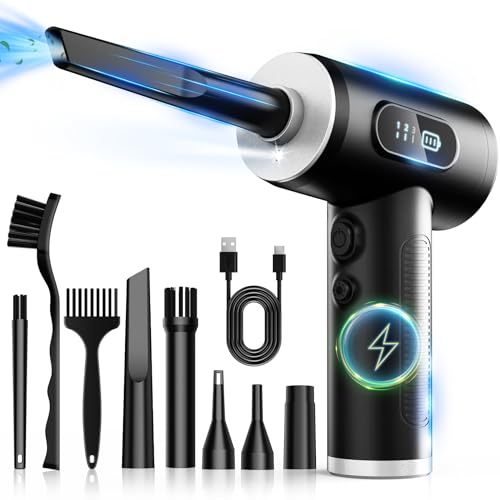
Compressed Air Duster-3 Gear Adjustable 100000RPM Electric Air Duster with LED Light, Rechargeable Cordless Air Blower for Keyboard Electric Devices Cleaning. Replaces Compressed Air Cans (Black)
Powerful Performance:The air duster has a maximum speed of 100000 RPM motor with 3 gear adjustable airflow settings,…
As an affiliate, we earn on qualifying purchases.
As an affiliate, we earn on qualifying purchases.