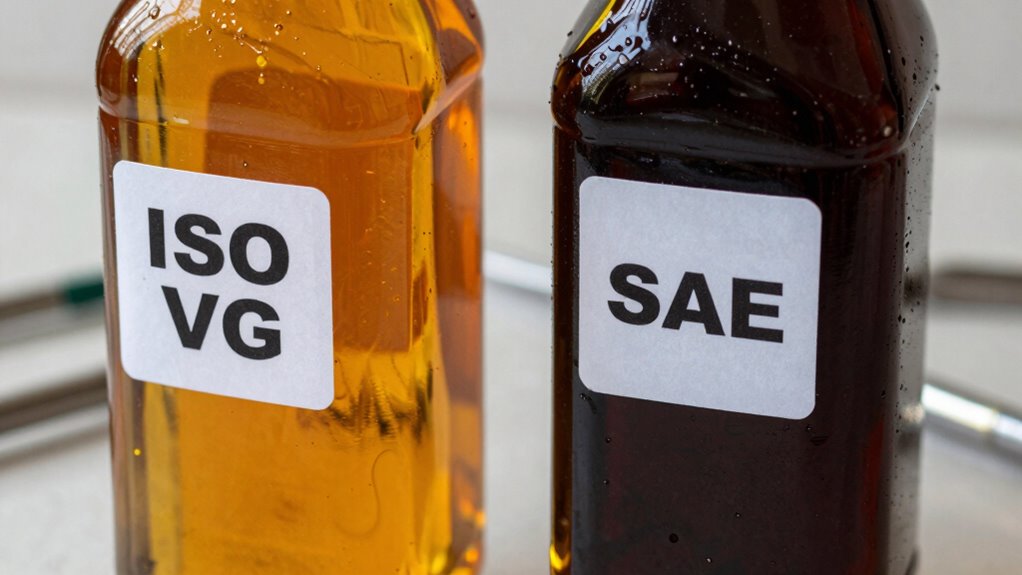

Converting between ISO VG and SAE viscosity grades isn’t a straightforward process because they measure viscosity at different temperatures and use different scales. Assuming a direct match can cause performance issues or equipment damage. It’s essential to understand the temperature differences, measurement methods, and the lubricant’s behavior across operating conditions. Stay aware of these nuances, or you might face costly mistakes—continue exploring to avoid the common pitfalls in viscosity grade conversions.
Key Takeaways
- Converting ISO VG to SAE grades is complex due to different temperature references (40°C vs. 100°C).
- Assumptions of direct equivalence can cause performance issues and equipment damage.
- Viscosity index and temperature stability are often overlooked, leading to inaccurate grade matching.
- Proper conversion requires precise viscosity measurements and understanding of temperature-viscosity relationships.
- Always verify operating conditions and lubricant compatibility before selecting or converting viscosity grades.
Digital Caliper Measuring Tool, Stainless Steel Vernier Caliper Digital Micrometer with Large LCD Screen, Easy Switch from Inch Metric Fraction, 6 Inch Caliper Tool for DIY/Household
【STAINLESS STEEL MATERIAL】The vernier caliper is made of high-strength stainless steel and is waterproof and dirt-proof. The service...
As an affiliate, we earn on qualifying purchases.
What Are ISO VG and SAE Viscosity Grades, and Why Do They Matter?
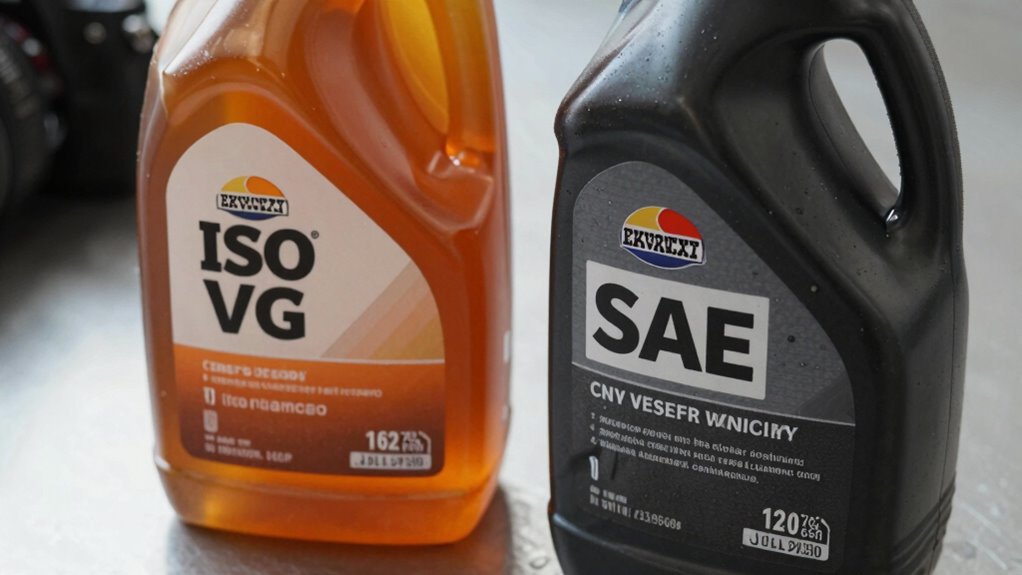
Have you ever wondered how lubricants are classified for different machinery and applications? It all comes down to viscosity measurement, which determines how thick or thin a lubricant is at specific temperatures. ISO VG and SAE viscosity grades help identify the appropriate industrial lubricants for various needs. ISO VG, based on the International Standard Organization, measures viscosity at 40°C, providing a clear, consistent way to compare lubricants worldwide. In contrast, SAE grades focus on viscosity at lower temperatures, mainly for automotive oils. Both systems matter because selecting the right grade guarantees ideal performance and protection for your equipment. Understanding these classifications helps you choose the right lubricant for your machinery’s temperature and load conditions, preventing wear and extending equipment life. Additionally, viscosity measurement techniques are crucial for ensuring that lubricants meet the required standards for specific applications. Being aware of the classification systems can help prevent common pitfalls caused by confusion between the two standards, which can lead to selecting incompatible lubricants.

Orion Motor Tech Oil Extractor Pump and Dispenser Tool Kit, 10L Pneumatic Transmission Fluid Bleeder Set, 2.6gal 2 Way Vacuum Fluid Evacuator and Filler Oil Change Kit 15 ATF Refill Adapters 3 Hoses
10L Extractor & Dispenser: Orion Motor Tech's 2.6 gallon vacuum fluid bleeder set uses compressed air up to...
As an affiliate, we earn on qualifying purchases.
How Are ISO VG and SAE Viscosity Ratings Different?

While both ISO VG and SAE viscosity ratings help identify suitable lubricants, they differ substantially in how they measure and describe viscosity. ISO VG uses viscosity measurement in millimeters squared per second (mm²/s) at 40°C, providing a precise grade comparison based on specific viscosity ranges. In contrast, SAE ratings are based on viscosity measurements at 100°C, with grades indicating whether the oil is suitable for low, medium, or high-temperature applications. This means that ISO VG offers a standardized, temperature-independent comparison, while SAE grades reflect viscosity behavior at different operating conditions. viscosity measurement techniques play a crucial role in ensuring accurate and consistent lubricant classification. Additionally, temperature-dependent viscosity characteristics influence how oils perform under various operational environments, making the choice of rating system critical for specific applications. Recognizing the measurement standards involved ensures that lubricants are properly matched to machinery requirements. Moreover, understanding viscosity behavior across temperature ranges helps prevent equipment failure due to improper lubrication.
Goodyear Oil Transfer Pump Air Operated Pneumatic 3.7GPM / 14LPM PRO Heavy Duty Double Action 5:1 Fast High Flow Rate for SAE240 Oils/Fluids (NOT for Gasoline or Diesel)
Typical fluids handled include motor oil, synthetic oil, hydraulic oil, gear oil and automatic transmission fluid
As an affiliate, we earn on qualifying purchases.
Why Is Converting Viscosity Grades Not Just a Simple Swap?
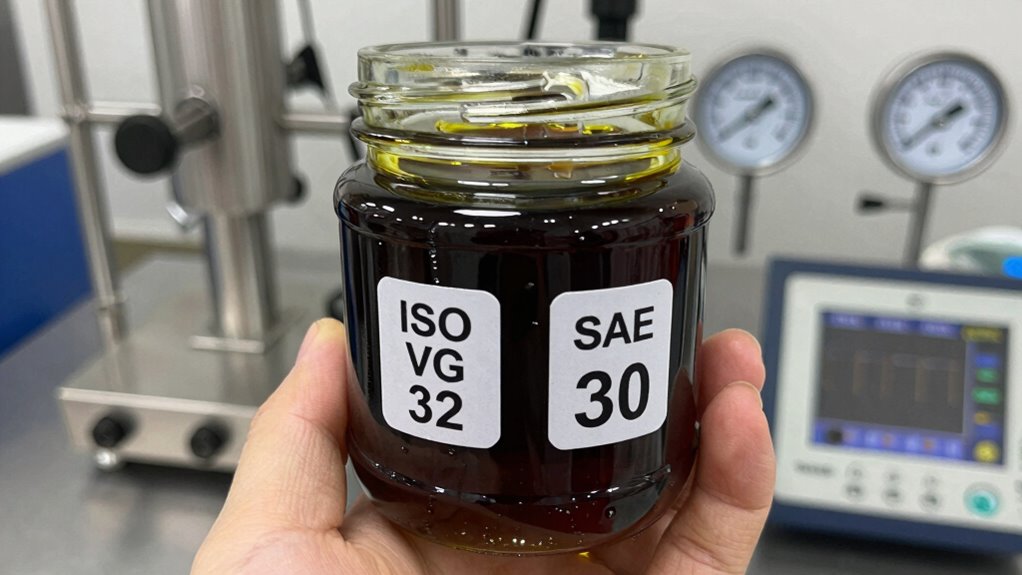
Converting viscosity grades between ISO VG and SAE isn’t straightforward because they measure viscosity differently at distinct temperatures and use different scales. You can’t assume a direct match without considering how viscosity stability and grade consistency vary across systems. Misjudging these differences can lead to oils that don’t perform reliably under operating conditions. Additionally, understanding viscosity measurement methods is crucial for accurate conversions, as it influences how you interpret the grades across different standards. Different temperature references impact viscosity readings, affecting viscosity stability. Small changes in conversion can alter grade consistency, risking performance issues. Overlooking these nuances may result in selecting the wrong grade, compromising lubrication effectiveness. Recognizing standardization differences is essential to ensure compatibility and performance across various applications. Being aware of temperature-dependent viscosity variations helps maintain the intended fluid properties during operation. Moreover, accurate conversion techniques are vital to prevent errors that could compromise equipment reliability. A thorough grasp of viscosity stability ensures your conversions reflect the true performance characteristics of the oils used. Understanding these distinctions helps ensure proper grade conversion, maintaining viscosity stability and preserving the intended performance of your lubricants. Don’t rely on simple swaps—know the complexities behind these conversions.
EWK 10L Pneumatic Transmission Fluid Pump, Extract & Refill System with 14 Universal Adapters, Heavy-Duty Fluid Evacuator for Clean, Efficient ATF Service, Ideal for DIY Owners, Technicians
【ATF & Gear Oil Service Made Easy】 EWK pneumatic ATF extractor/dispenser delivers fast extraction and clean, controlled refilling...
As an affiliate, we earn on qualifying purchases.
Avoid These Common Mistakes When Converting Viscosity Grades
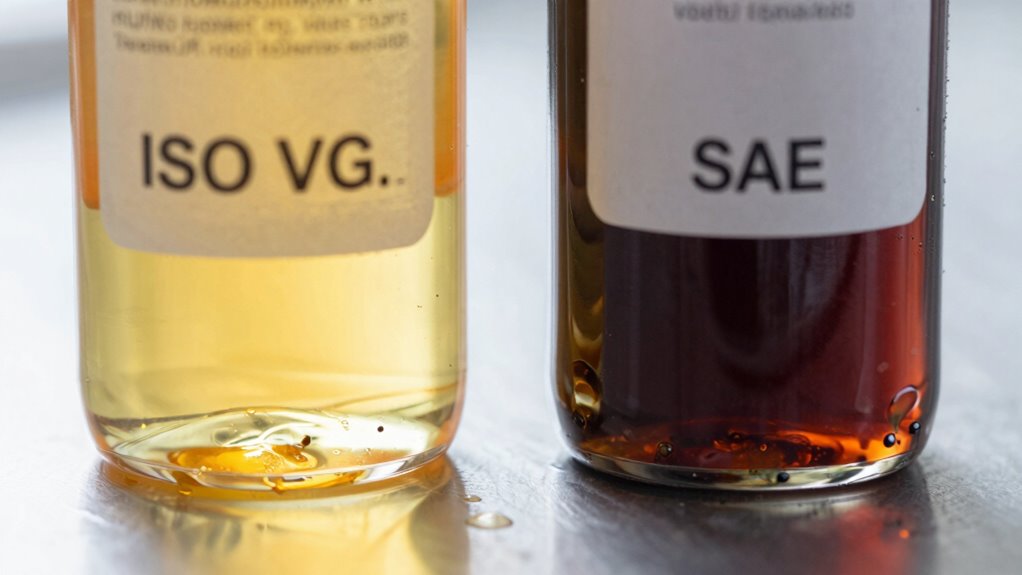
When switching between ISO VG and SAE viscosity grades, it’s easy to make mistakes that can compromise your equipment’s performance. One common error is ignoring the viscosity index, which affects how lubricants perform across temperature ranges. Failing to consider this can lead to selecting a lubricant that doesn’t provide proper protection or efficiency. Additionally, overlooking lubricant compatibility can cause chemical reactions, sludge buildup, or seal damage. Always verify that the viscosity grade you choose matches the operating conditions and is compatible with existing lubricants. Properly evaluating viscosity index and lubricant compatibility ensures you select the right grade, preventing equipment failure, reducing maintenance costs, and maintaining optimal performance. Understanding viscosity standards can help prevent these conversion pitfalls. Moreover, awareness of measurement units is crucial to avoid misinterpretations during the conversion process. Recognizing standardized testing procedures can further improve accuracy in selecting the appropriate viscosity grade.
Tips for Correctly Choosing and Converting Viscosity Grades Safely

To choose and convert viscosity grades safely, you need to comprehend the specific requirements of your equipment and operating conditions. Proper selection depends on considering lubricant compatibility and how temperature effects influence viscosity. Using the wrong viscosity can cause equipment wear or failure. Additionally, understanding dark psychology tactics can help you avoid being manipulated into unsafe choices regarding lubrication or maintenance decisions. Being aware of essential oil properties can also inform safer handling and application practices, minimizing risks associated with incorrect usage or contamination. Knowing how to verify synthetic lubricants ensures you select high-quality products that meet your equipment demands, and understanding temperature-viscosity relationships can further safeguard optimal performance. It is also important to consider pool feature compatibility to ensure that pool accessories and systems operate smoothly within your chosen lubricant parameters.
Frequently Asked Questions
Can I Use ISO VG Grades Directly as SAE Grades?
You can’t directly use ISO VG grades as SAE grades because viscosity measurement varies between the two standards. ISO VG grades specify viscosity in cubic millimeters per second at 40°C, while SAE grades are based on kinematic viscosity in centistokes. For grade compatibility, you must convert the viscosity values carefully. Always check the specific viscosity ranges to ensure the oil meets the required performance standards before switching between ISO and SAE grades.
How Do Environmental Factors Affect Viscosity Grade Conversions?
You might not realize it, but environmental factors like temperature fluctuations and contamination effects can markedly impact viscosity grade conversions. When temperatures drop or rise unexpectedly, viscosity can change, making your grade less reliable. Contaminants can also skew viscosity readings, leading to misclassification. So, you should always consider these environmental influences, perform regular testing, and avoid relying solely on standard conversions without accounting for these real-world variables.
Are There Industry Standards Governing Viscosity Grade Conversions?
Yes, industry standards govern viscosity grade conversions to guarantee conversion accuracy and industry compliance. Organizations like ASTM and ISO provide guidelines that help you accurately convert between ISO VG and SAE grades. Following these standards minimizes errors, maintains equipment safety, and ensures compatibility across different systems. Always consult the latest standards and manufacturer recommendations to avoid conversion pitfalls, ensuring your lubricant choices meet industry requirements reliably.
What Tools or Software Can Assist in Accurate Viscosity Conversions?
You can’t afford to trust just any tool for viscosity measurement conversions—they’re as essential as your life savings! Use industry-approved software like Petro-Canada’s Viscosity Calculator or Mobius’ Viscosity Conversion Tool to guarantee conversion accuracy. These programs help you navigate complex viscosity grade conversions effortlessly, minimizing errors. Always double-check results with reputable digital tools, so your conversions stay precise and dependable, saving you from costly mistakes and ensuring crucial lubrication performance.
How Do Viscosity Grades Impact Equipment Lifespan and Performance?
Viscosity grades directly impact equipment lifespan and performance by ensuring the right viscosity consistency, which reduces wear and prevents overheating. When you choose a lubricant with compatible viscosity, it maintains proper film strength and minimizes friction. This promotes smoother operation, extends component life, and prevents damage. Always consider lubricant compatibility with your equipment to optimize performance and durability, avoiding issues caused by incorrect viscosity levels.
Conclusion
Understanding the differences between ISO VG and SAE viscosity grades is like finding your way through a maze—you need the right map. Don’t let the conversion trap catch you off guard; it’s easy to make mistakes that could cost you dearly. By paying close attention and following the right tips, you’ll steer clear of pitfalls and keep your machinery running smoothly. Remember, in the world of lubricants, precision isn’t just recommended—it’s your guiding star.