If your transfer case foams, the usual causes are insufficient or degraded gear oil, which leads to aeration, and seal failures that allow contaminants and air to enter. Dirt, water, or debris can also get in if seals are damaged, worsening the foaming issue. Poor maintenance, like neglecting fluid checks or seal inspections, accelerates these problems. Understanding these root causes helps you prevent future damage—keep exploring to learn more about fixing and avoiding foam problems.
Key Takeaways
- Inadequate or degraded gear oil causes foaming due to loss of lubrication and increased aeration.
- Seal failure allows contaminants and air to enter, leading to foam formation inside the transfer case.
- Contaminants like dirt and water ingress through damaged seals, degrading fluid and promoting foaming.
- Improper maintenance, such as neglecting fluid checks or seal inspections, accelerates foaming issues.
- Excessive air entry from poor ventilation or early seal failure increases foam development in the transfer case.
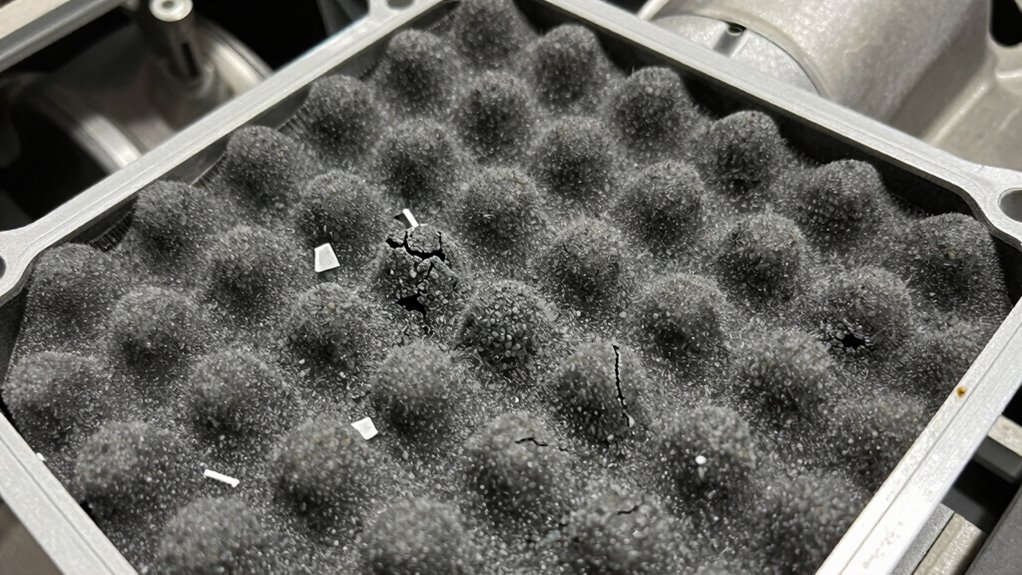
Transfer cases foam issues often stem from common root causes that can compromise vehicle performance. When you notice foam in your transfer case fluid, it’s a sign that something isn’t functioning properly. The primary culprits usually revolve around problems with gear lubrication and seal failure. These issues allow air to mix with the fluid or introduce contaminants, creating foam that can hinder the transfer case’s operation.
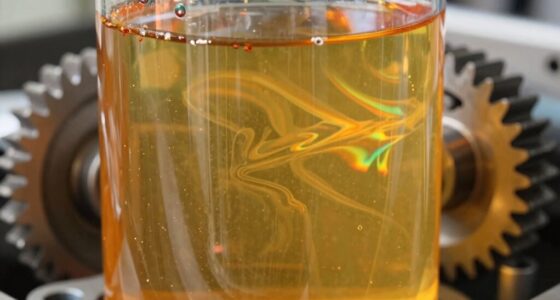
Gear lubrication plays an essential role in keeping your transfer case running smoothly. If the lubricant isn’t maintained at the right level or quality, it can lead to foaming. Over time, gear oil can become contaminated or break down, losing its ability to properly lubricate and cool the gears. When this happens, the oil’s viscosity changes, and it becomes more prone to aeration. As gears spin and generate heat, inadequate lubrication exacerbates wear and tear, increasing the risk of foam formation. Ensuring you use the correct type of gear oil and replacing it per your vehicle’s recommended intervals helps prevent these issues. Regular checks of fluid levels and quality are indispensable; low or degraded oil can introduce air into the system, leading to foaming and potentially damaging the transfer case.
Seal failure is another common root cause behind foam formation. Your transfer case relies on seals to keep dirt, water, and air out of the system. When these seals deteriorate or fail, they allow contaminants and air to seep into the fluid. This ingress of air mixes with the oil, creating foam that hampers lubrication and heat dissipation. Seal failure can result from age, exposure to extreme temperatures, or physical damage. Once seals fail, contaminants can also enter, further deteriorating the fluid and increasing foaming risks. Replacing worn or damaged seals promptly can prevent this from happening. Proper maintenance and inspection of seals during routine service are indispensable to keep the transfer case sealed tight and free from foam-inducing elements. Additionally, maintaining proper ventilation systems can help prevent excess air from entering the transfer case.
In many cases, foam in your transfer case is a sign of underlying problems that need addressing before they worsen. Whether it’s gear lubrication issues or seal failure, these root causes directly impact the performance and longevity of your vehicle’s transfer case. By staying vigilant and maintaining proper lubrication and sealing, you can prevent foam buildup, reduce wear, and keep your vehicle operating smoothly. Addressing these issues early not only saves you money but also ensures your transfer case functions reliably, especially when you need it most on challenging terrains or demanding drives.

Toyota Genuine Transfer Case Gear Oil LF 75W 1 Litre 08885-81080
Tested and approved by Toyota
As an affiliate, we earn on qualifying purchases.
As an affiliate, we earn on qualifying purchases.
Frequently Asked Questions
How Often Should Transfer Case Foam Be Replaced?
You should replace the transfer case foam every 50,000 to 75,000 miles, depending on your vehicle’s maintenance schedule. Regularly inspecting the foam material helps guarantee it remains effective in sealing and protecting components. If you notice wear, cracks, or deterioration, it’s time to replace it. Maintaining the foam as part of your routine schedule prevents leaks and prolongs your transfer case’s lifespan, keeping your vehicle running smoothly.
Can Transfer Case Foam Affect Vehicle Safety?
Think of transfer case foam as the unsung hero in your vehicle’s safety system. If it deteriorates, it can cause leaks or contamination, compromising transfer case maintenance and potentially leading to mechanical failures. Poor foam material properties may allow dirt or moisture to seep in, risking safety. Regularly inspecting and replacing foam guarantees your transfer case stays sealed and reliable, keeping your drive smooth and secure.
What Are Signs of Damaged Transfer Case Foam?
You’ll notice signs of damaged transfer case foam through unusual noises like grinding or knocking during operation, and you might see leaks or fluid spots underneath your vehicle. Foam deterioration from wear or age can compromise transfer case maintenance, leading to increased vibration and potential mechanical issues. If these signs appear, it’s essential to examine and replace the foam promptly to ensure your transfer case continues functioning smoothly and safely.
Is Transfer Case Foam Compatible With All Vehicle Models?
Transfer case foam compatibility varies depending on your vehicle model. You should check your vehicle’s specifications to confirm the foam materials are suitable. Not all transfer case foams work with every vehicle, so it’s crucial to verify compatibility before installation. Using the right foam materials ensures proper fit and function, preventing potential damage. Always consult your vehicle’s manual or a professional mechanic to confirm you’re selecting the correct foam for your specific model.
Are There DIY Methods to Replace Transfer Case Foam?
Think of DIY replacement as giving your transfer case a mini spa day. You can tackle foam sealing yourself with some basic tools and patience, but it’s not a walk in the park. Carefully remove the old foam, clean the area, and fit the new foam sealing snugly in place. Just remember, if you’re unsure, consulting a manual or expert guarantees you don’t turn your repair into a wild goose chase.
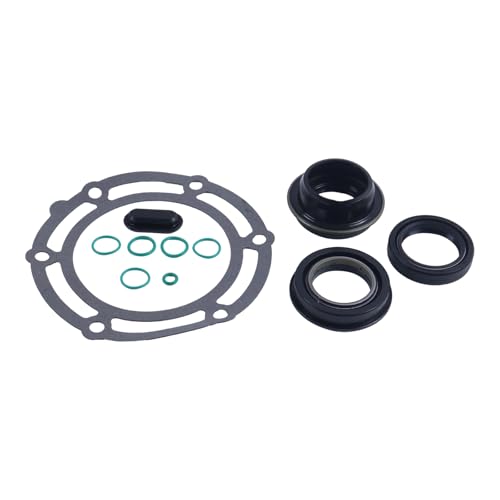
HOLDWELL Transfer Case Gasket & Seal Kit TSK-246 TSK246 compatible with NP246 NP149 1998-ON Transfer Case Chevy Avalamche 1500 2500 Blazer Suburban Tahoe GMC 1500 2500 3500
Part Name: Transfer Case Gasket & Seal Kit
As an affiliate, we earn on qualifying purchases.
As an affiliate, we earn on qualifying purchases.
Conclusion
So, next time your transfer case starts foaming, don’t pretend it’s just a quirky quirk. Maybe it’s trying to tell you something’s seriously wrong—like you’ve been ignoring those warning signs or neglecting regular maintenance. Remember, a little foam now could mean big, expensive trouble later. So, listen carefully, act quickly, and save yourself from the nightmare of costly repairs. After all, who knew a simple foam could be your vehicle’s way of giving you a sarcastic warning?

Fluid Pump for Standard Quart Bottles, 8cc Per Pump Stroke, Transmission Fluid Pump with 3rd Hand Adapter, Differential & Transmission Fluid,Transfer Gear Oil Transmission and Differential Fluid Pump
【Multiple Applications】This transmission fluid pump fits standard quart bottles come with 28mm bottle cap,with an 8cc per pump…
As an affiliate, we earn on qualifying purchases.
As an affiliate, we earn on qualifying purchases.
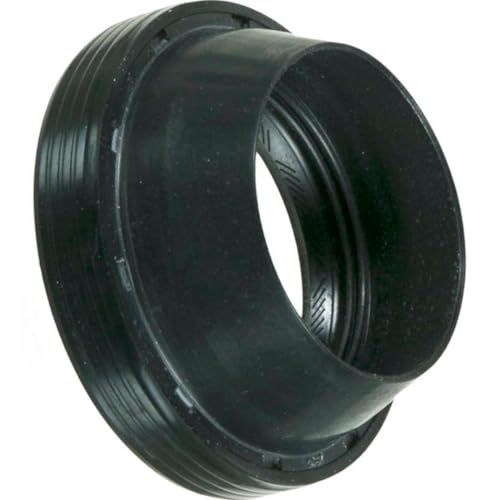
Rear Transfer Case Output Shaft Seal,Transfer Case Seal Replacement 2L14-7B215AA, 2L14-7B215-CA, 2L1Z-7B215-A 1 X for Ford Expedition,F-150 1987 1988 1989 1990 1991 1992 1993-2018
Vehicle Specific: Double-check your vehicle's compatibility with our product rear differential oil by consulting the comprehensive compatibility list…
As an affiliate, we earn on qualifying purchases.
As an affiliate, we earn on qualifying purchases.