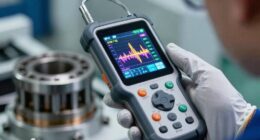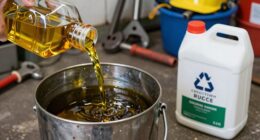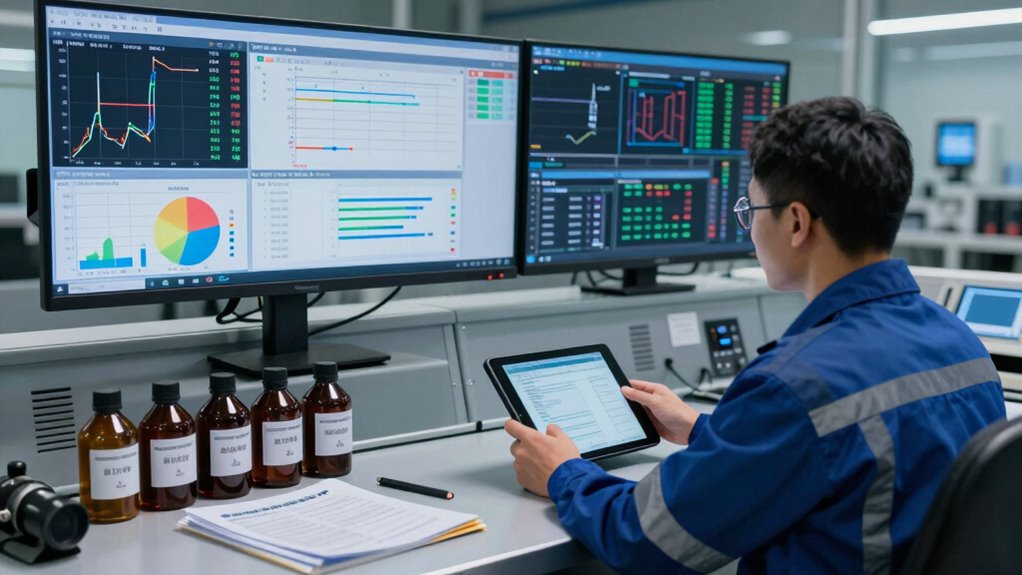

To build a fleet oil analysis program without drowning in data, focus on identifying and tracking only critical oil metrics like contaminant levels and wear particles. Establish standardized sampling procedures and schedule regular data collection, ensuring consistency. Use software that highlights actionable insights through dashboards and alerts, rather than trying to analyze every data point. Periodically review and refine your strategy to stay efficient—more tips on streamlining your approach are just ahead.
Key Takeaways
- Focus on critical metrics like contamination, wear metals, and additive levels; avoid collecting excessive or irrelevant data.
- Establish clear objectives for data collection to ensure relevance and prevent information overload.
- Implement standardized sampling procedures and regular calibration to maintain data accuracy and consistency.
- Use interactive dashboards and visualizations to monitor key indicators in real-time, reducing manual data analysis.
- Prioritize effective communication with clear visuals and actionable insights to prevent decision paralysis from data excess.

Undercarriage Pressure Washer Attachment, Siebwin 16" Dual-Function Water Broom for Pressure Washer Undercarriage Cleaner with 3 Pieces Extension Wand, 4000 PSI, Orange
【Dual Mode Undercarriage Pressure Washer】designed as both undercarriage cleaner and pressure washer water broom, delivering superior and faster...
As an affiliate, we earn on qualifying purchases.
Why a Fleet Oil Analysis Program Is Vital for Your Operations
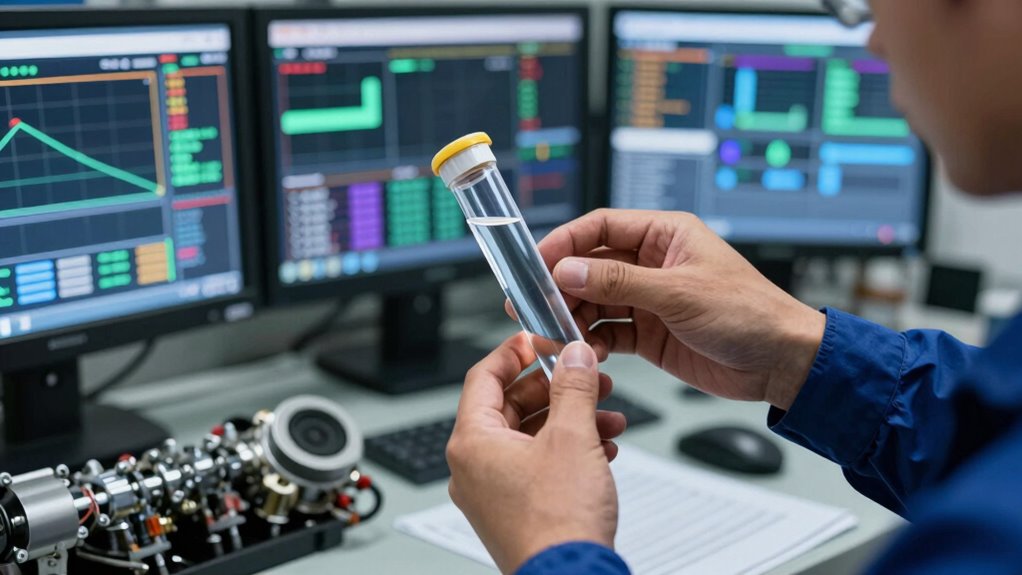
Implementing a fleet oil analysis program is essential because it helps you detect equipment issues early, preventing costly repairs and downtime. One key reason is that oil contamination can occur from dirt, water, or debris, which accelerates wear and damages engine components. Regular analysis reveals these contaminants, allowing you to take corrective action before severe damage occurs. Additionally, additive depletion reduces the oil’s ability to lubricate and protect engine parts effectively. Monitoring additive levels ensures you can schedule timely oil changes and maintain ideal engine performance. Understanding oil degradation processes can help you optimize maintenance schedules and improve overall fleet management. Recognizing the role of contaminants in oil breakdown allows for more targeted and efficient filtration strategies. Ultimately, a well-structured oil analysis program saves money, enhances reliability, and keeps your operations on track.

Tool Daily Dual-Function Undercarriage Cleaner,Surface Cleaner for Pressure Washer, 16 Inch, Underbody Car Wash Water Broom with 3 Pieces Extension Wand, 4000 PSI
NOTE: Working Pressure Range: 1500 PSI to 4000 PSI. 2500 PSI or higher will have better cleaning effect
As an affiliate, we earn on qualifying purchases.
How to Identify the Most Critical Oil Metrics for Your Fleet
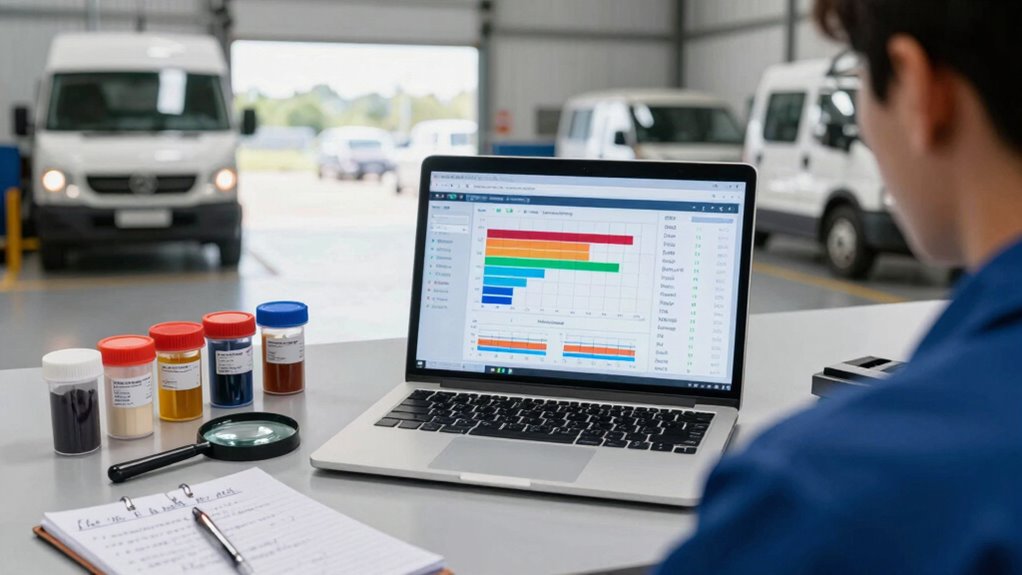
To effectively monitor your fleet’s health through oil analysis, you need to focus on the most impactful metrics. Proper metric prioritization helps you filter out unnecessary data and identify issues early. Start by understanding which oil sampling parameters directly reflect engine performance and wear. Incorporating high-quality testing methods ensures accurate results and better decision-making.
Prioritize key oil analysis metrics to detect engine issues early and maintain fleet health effectively.
Key metrics to contemplate include:
- Contaminant levels, such as dirt or water
- Wear particles indicating component degradation
- Additive levels showing oil condition

16 Inch Undercarriage Pressure Washer Attachment, Pressure Washer Undercarriage Cleaner, Under Car Washer Attachment with 3 Extension Wand, 4000 PSI
Powerful Cleaning Capability: This undercarriage pressure washer attachment delivers a robust cleaning performance with a 16-inch wide cleaning...
As an affiliate, we earn on qualifying purchases.
Creating Consistent Oil Sampling Procedures Your Team Can Follow
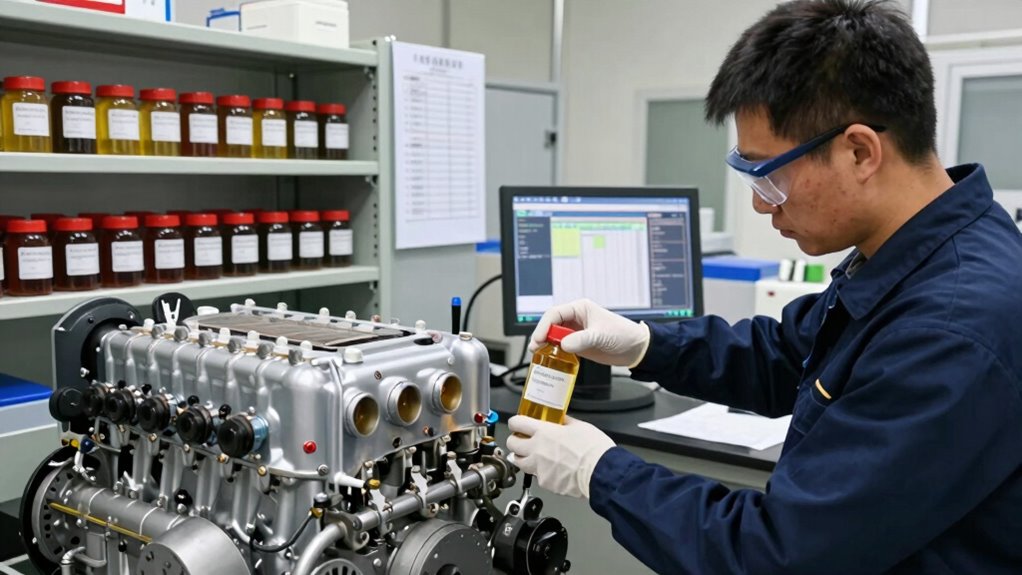
Establishing consistent oil sampling procedures is essential for obtaining reliable data that accurately reflects your fleet’s condition. To do this, define clear steps for sample collection, ensuring every technician follows the same process. Use clean containers, proper labeling, and consistent sampling points to avoid contamination. Set a regular sampling frequency based on manufacturer recommendations and operational demands, so you can track trends over time. Consistency in sample collection methods and timing helps identify real issues rather than anomalies. Train your team thoroughly, emphasizing the importance of following procedures precisely. Document your sampling protocol so everyone understands their responsibilities. Incorporating water management practices in your sampling routine can prevent issues caused by water ingress or contamination. When your team adheres to a standardized process, you’ll get meaningful data that guides maintenance decisions and keeps your fleet running smoothly.

Hourleey Pressure Washer Undercarriage Cleaner, 16 Inch Power Washer Surface Cleaner, Undercarriage Water Car Broom Attachment with Extension Wand, 4000 PSI
PRESSURE WASHER UNDERCARRIAGE CLEANER: This is a powerful pressure washer undercarriage cleaner with 4 nozzles and 2 casters,...
As an affiliate, we earn on qualifying purchases.
How to Interpret Oil Analysis Data to Make Better Maintenance Decisions
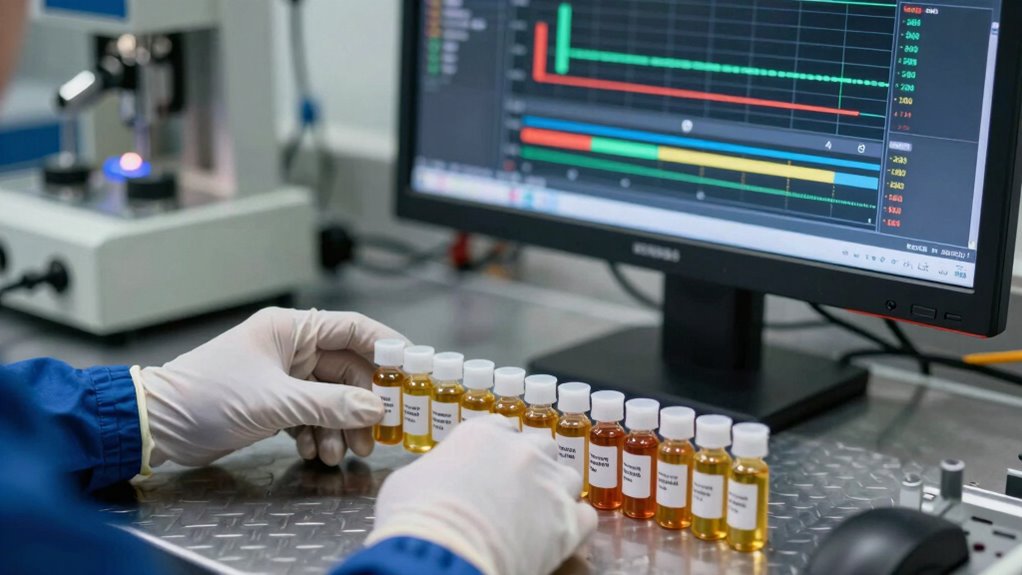
Understanding how to interpret oil analysis data is essential for making informed maintenance decisions. When reviewing reports, focus on key indicators like oil contamination levels and wear metals. Elevated wear metals suggest increased engine wear, signaling potential component issues. Oil contamination can accelerate wear and reduce lubricant effectiveness. To interpret data effectively, consider these points:
- Look for trends in wear metals over time to identify abnormal wear.
- Check contamination levels to determine if filters or seals need attention.
- Compare current results with previous analyses to spot sudden changes or gradual deterioration.
- Pay attention to the types of wear metals present, as different metals can indicate specific component issues.
- Additionally, understanding the sources of contamination can help in preventing future issues and extending equipment lifespan.
Choosing the Best Oil Analysis Tools and Software for Your Fleet

To choose the right oil analysis tools and software, you need to start by evaluating your fleet’s specific needs and maintenance goals. Make sure the software you select can easily integrate with your existing systems for seamless operation. Evaluating compatibility early helps you avoid costly adjustments later on and ensures you get the most out of your investment. Additionally, considering system compatibility considerations can provide insights into how to efficiently manage and access large amounts of data within your software systems. Understanding vehicle system integration can further optimize your data management and improve maintenance decision-making processes.
Assess Your Fleet Needs
Choosing the right oil analysis tools and software is essential to accurately assess your fleet’s needs and optimize maintenance strategies. To do this effectively, consider factors like fleet size, vehicle types, and operational demands. These will influence your choice of tools and help you align with your fleet budgeting and maintenance scheduling goals. Key considerations include:
- The scope of analysis features needed for different vehicle types
- Compatibility with existing fleet management systems
- Scalability to support fleet growth and data volume
- Understanding your privacy policy and data handling practices is also vital to ensure compliance and safeguard sensitive information.
Evaluate Software Compatibility
Selecting oil analysis tools that seamlessly integrate with your existing fleet management systems guarantees accurate data collection and streamlined operations. Focus on software integration to confirm the tools you choose communicate effectively with your current systems. Data compatibility is essential; incompatible software can lead to errors, duplicate data, or missed insights. Before committing, test how well different software options connect with your fleet’s hardware and management platforms. Look for features like real-time data transfer, customizable reporting, and easy user interface. Compatibility issues can cause delays and frustration, so prioritize solutions that are flexible and scalable. By evaluating software integration and data compatibility carefully, you’ll set a solid foundation for your fleet oil analysis program, enabling better maintenance decisions and reducing downtime.
Automate Fleet Monitoring With Alerts and Dashboards
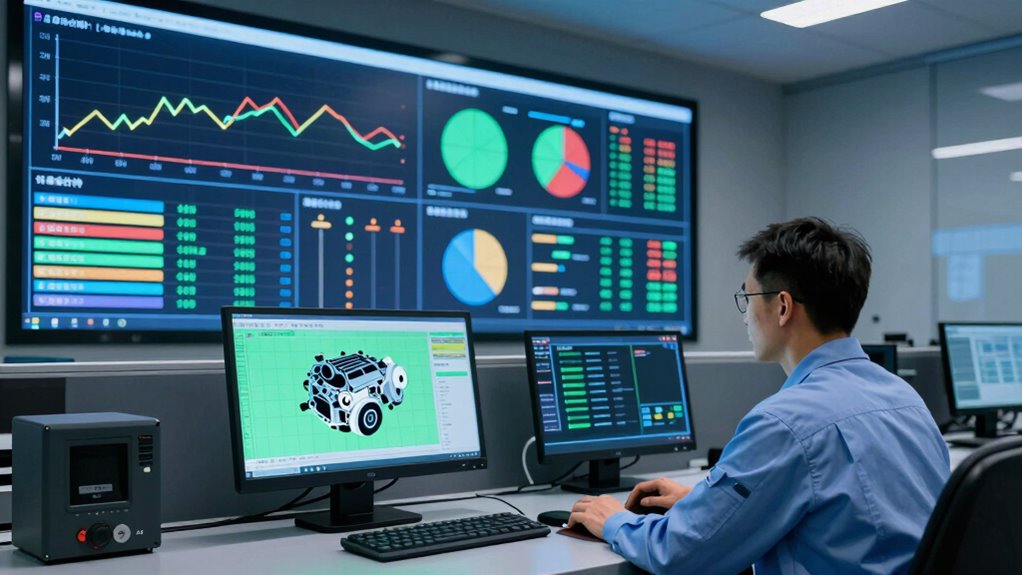
Automating fleet monitoring becomes easier when you set customized alert settings that notify you of critical oil analysis changes instantly. Interactive dashboards give you real-time insights, helping you make quick, informed decisions. By leveraging these features, you can improve your fleet’s maintenance efficiency and reduce downtime. Incorporating cybersecurity tactics into your fleet management can also help protect sensitive data from potential threats. To ensure sustainable operations, it’s essential to maintain a work-life balance, which can be supported through streamlined monitoring systems that reduce manual oversight and stress. Implementing data security measures can further safeguard your fleet information from cyber vulnerabilities, ensuring reliable and secure operations. Additionally, understanding ownership structures like ESOPs can motivate your team by aligning their interests with company success. Recognizing the importance of time management in daily fleet operations can help optimize maintenance schedules and reduce unforeseen issues.
Customized Alert Settings
Have you ever wondered how to keep your fleet running smoothly without constant manual oversight? Customized alert settings make this possible by letting you tailor notifications to your fleet’s specific needs. You can set thresholds based on sensor calibration to guarantee data accuracy and avoid false alarms. Data filtering helps eliminate noise, so alerts trigger only when genuinely necessary. To maximize efficiency, consider:
- Adjusting alert thresholds for different engine types or operating conditions
- Setting priority levels to focus on critical issues first
- Automating alerts for maintenance or oil analysis anomalies
This approach keeps you informed without overwhelming you, ensuring you react promptly to genuine issues and maintain fleet health effortlessly.
Interactive Dashboard Features
Ever wondered how to monitor your fleet’s performance in real-time and respond instantly to issues? Interactive dashboards make this possible by offering dynamic visualizations that highlight critical data points. These interactive visualizations allow you to drill down into specific metrics, making it easier to identify trends or anomalies quickly. The key is a user-friendly interface that simplifies complex data, so you don’t get overwhelmed. With customizable views, you can prioritize the most important information, like oil analysis results or maintenance alerts. Real-time updates ensure you’re always informed. By integrating these features, you create a proactive fleet monitoring system that saves time, reduces downtime, and improves decision-making—all without drowning in data.
Training Your Team to Effectively Communicate Oil Analysis Findings

Effective communication of oil analysis findings is essential for maximizing maintenance efficiency and preventing equipment failures. To achieve this, train your team to present data clearly and confidently. Focus on developing skills in effective communication and data visualization so team members can easily interpret complex results. Encourage practices like:
- Using clear visuals, such as charts and graphs, to highlight key trends
- Explaining technical data in simple language for non-specialists
- Emphasizing actionable recommendations based on analysis
- Promoting vetting of data accuracy to ensure reliable decision-making
Regularly Review and Improve Your Oil Analysis Strategy
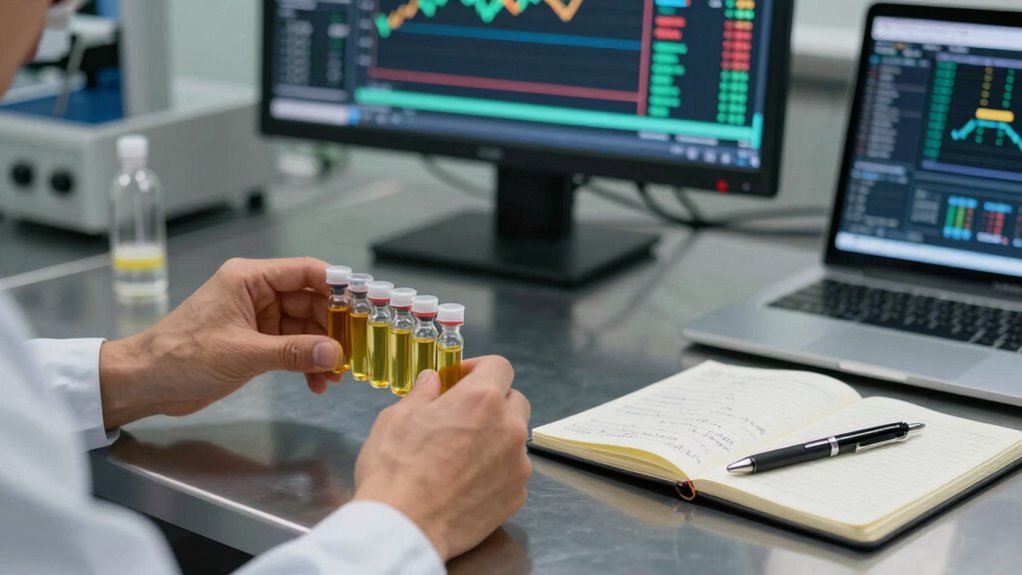
To optimize your oil analysis program, you need to regularly review and refine your strategy based on recent data and operational changes. Use data visualization tools to identify trends, patterns, and anomalies in your oil analysis results. These visuals can reveal when sampling frequency might need adjustment—perhaps increasing sampling during high-usage periods or reducing it once the fleet stabilizes. Consistently evaluate whether your current sampling schedule captures enough data to make informed decisions without drowning in unnecessary information. Adjust your approach accordingly to ensure you’re collecting relevant, timely insights. Regular reviews help you stay aligned with operational demands, prevent overlooked issues, and improve your overall maintenance strategy, keeping your fleet running efficiently and reducing unexpected failures. Incorporating media literacy skills can also help interpret data accurately and avoid misjudgments based on incomplete or misleading information. Additionally, understanding data quality principles ensures that your analysis is based on reliable and accurate information, which is crucial for making effective decisions. Regular assessment of your data collection and analysis methods can further enhance your data management practices, ensuring continuous improvement. Moreover, engaging in ongoing training and education ensures your team remains proficient in current data interpretation techniques and analysis tools.
Using Historical Oil Data to Predict Failures and Optimize Maintenance

By examining your historical oil data, you can spot patterns that indicate potential failures before they happen. Recognizing these trends helps you identify early warning signs of equipment issues. This approach allows you to optimize maintenance schedules and prevent costly breakdowns. Additionally, understanding proper firewood handling techniques can contribute to safer and more efficient operational practices. Incorporating reliable measurement tools ensures data accuracy, which is crucial for making informed maintenance decisions.
Analyzing Historical Trends
Analyzing historical oil data allows you to identify patterns that signal impending equipment failures or maintenance needs. By examining past trends, you can gain insights into how your fleet’s components behave over time. Use trend visualization to spot gradual changes in key parameters, and leverage anomaly detection to identify unusual spikes or drops that may indicate issues. This proactive approach helps prevent unexpected failures and minimizes downtime. To make the most of your data, focus on:
- Recognizing consistent patterns that precede failures
- Tracking shifts in lubrication quality or contaminant levels
- Comparing historical data to current readings for early warning signs
Identifying Failure Indicators
Understanding failure indicators in your fleet’s oil data is essential for predicting equipment issues before they escalate. By analyzing historical data, you can spot signs like increased metal wear, high particle counts, or abnormal viscosity changes that serve as failure indicators. Oil contamination—whether by dirt, water, or debris—often signals problems that precede mechanical failure. Recognizing these indicators early allows you to schedule maintenance proactively, reducing downtime and repair costs. Regularly monitoring trends in contamination levels and wear metals helps you identify patterns linked to impending failures. Implementing Free Floating monitoring techniques can further enhance your ability to detect subtle changes before they become critical. Utilizing modern sensors and monitoring technologies can provide real-time insights that speed up detection and response. This proactive approach ensures you catch issues before they cause significant damage, optimizing your maintenance strategies and extending equipment life. Ultimately, effective failure indicator identification enhances fleet reliability and operational efficiency.
Common Mistakes That Lead to Data Overload and How to Avoid Them
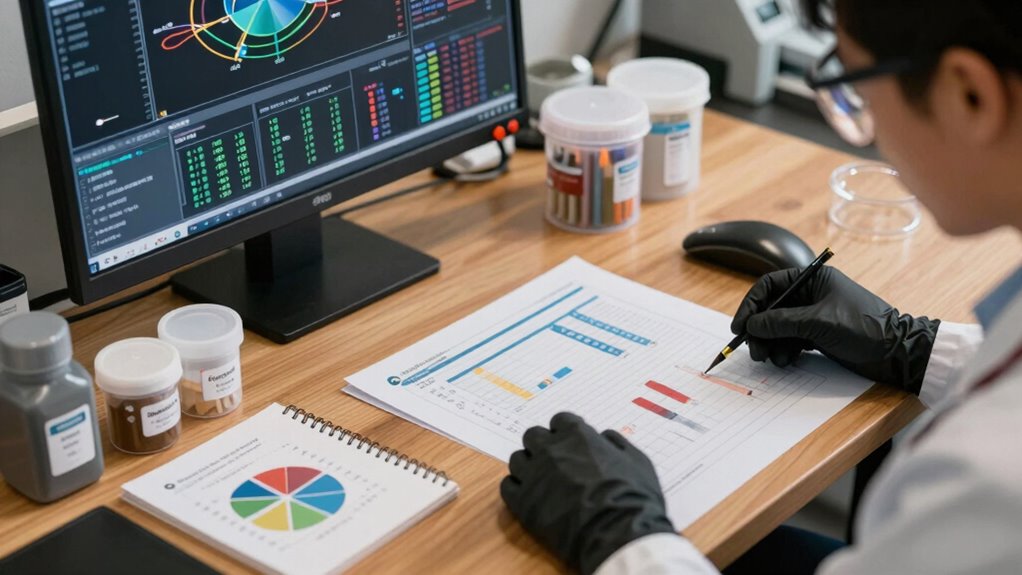
One common mistake that leads to data overload in fleet oil analysis programs is collecting too much information without a clear purpose. This often results in unnecessary data redundancy, making analysis confusing and inefficient. To avoid this, focus on essential metrics linked to failure indicators. Watch out for issues like improper sensor calibration, which can produce inaccurate data, and unnecessary data collection that doesn’t add value. Keep your data streamlined by:
- Regularly reviewing sensor calibration procedures to ensure accuracy
- Eliminating duplicate data points to prevent redundancy
- Setting specific objectives for each data collection effort
Frequently Asked Questions
How Often Should I Update My Fleet’s Oil Analysis Procedures?
You should update your fleet’s oil analysis procedures at least annually or whenever you notice sampling frequency issues or new engine technologies. Regular reviews guarantee your sampling frequency remains effective, and procedure updates address any changes in equipment or analysis methods. Keep an eye on fleet performance and industry standards, and adapt your procedures as needed. Consistent updates help you catch problems early and optimize maintenance practices.
What Are the Costs Associated With Implementing an Oil Analysis Program?
Implementing an oil analysis program is like planting a seed that grows into savings. The costs include lab testing fees, equipment, training, and ongoing maintenance, which can vary based on fleet size. Cost considerations should focus on balancing expenses with the benefits of early issue detection. Effective expense management guarantees you maximize value without overspending, making your fleet more reliable and reducing costly repairs in the long run.
How Do I Handle Inconsistent or Contaminated Oil Samples?
When handling inconsistent or contaminated oil samples, you should first identify signs of sample contamination or inconsistent testing, such as unusual results or discoloration. Re-sample immediately, guaranteeing proper collection and handling procedures to prevent contamination. Use clean tools and containers, and follow standardized testing protocols. If issues persist, review your sampling process, train staff, and consider working with a reputable lab to ensure accurate, reliable results.
Can Oil Analysis Replace Traditional Maintenance Schedules Entirely?
Oil analysis can’t completely replace traditional maintenance scheduling, but it can revolutionize your approach. By using oil analysis, you gain real-time insights into equipment health, allowing you to shift from rigid schedules to predictive maintenance. This proactive strategy prevents unexpected failures, saves costs, and extends machinery life. While traditional routines are still valuable, integrating oil analysis makes your maintenance smarter, more responsive, and ultimately more effective.
What Are the Best Ways to Train Staff on Oil Analysis Interpretation?
To train staff on oil analysis interpretation effectively, focus on hands-on training methods like workshops and case studies that develop interpretation skills. Encourage them to review real lab reports and understand key indicators such as wear metals and contaminants. Use visual aids and digital tools to reinforce learning. Regular assessments and ongoing education make certain your team stays sharp, confident, and capable of making data-driven maintenance decisions.
Conclusion
So, you’ve got your fleet oil analysis program set up—congratulations! Now, don’t go celebrating by drowning in data. Remember, more isn’t always better; it’s just more to sort through. Stick to your critical metrics, keep sampling simple, and use smart tools. Otherwise, you’ll end up buried under a mountain of numbers, wondering if your fleet’s health is improving or if you’ve just become a data hoarder. Keep it smart, keep it simple!