Copper in your UOA can be normal during engine break-in due to initial wear or plating, but if levels stay high or climb over time, it may signal ongoing damage or component wear. Factors like oil additives, engine design, and operating conditions influence copper levels too. Monitoring trends helps you tell if it’s just break-in or a problem brewing. Keep an eye on these patterns—more detailed insights can guide your next steps.

Get garage and car supplies delivered free — and shop member deals
- Fast, free delivery on millions of items
- Access to Prime Big Deal Days deals on October 6–7
- Prime Video, Amazon Music and more included
Key Takeaways
- Small copper levels during break-in are normal and typically decrease over time; persistent high levels suggest ongoing wear.
- Elevated copper in UOA after engine stabilization often indicates genuine internal damage or component deterioration.
- Trends over multiple analyses are crucial; rising copper levels signal potential problems, while stable levels are usually benign.
- Copper levels can be affected by oil additives, contaminants, and aftermarket parts, so context is essential for accurate interpretation.
- Combining copper data with other wear metals and engine performance signs helps distinguish normal break-in from real damage.
engine oil copper level test kit
As an affiliate, we earn on qualifying purchases.
As an affiliate, we earn on qualifying purchases.
What Does Copper in Oil Analysis Tell You?

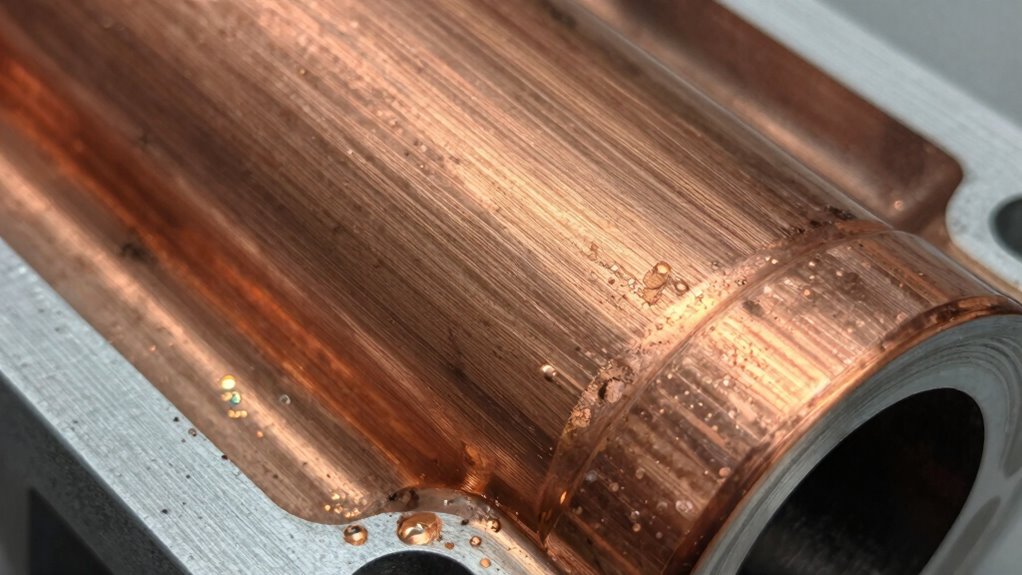
Copper in oil analysis provides valuable insight into the condition of your engine or machinery. When you see elevated copper levels, it often indicates copper alloy corrosion, which can be caused by wear or material breakdown. Copper is a common component in engine bearings and other parts, so its presence in oil can signal material deterioration. Additionally, oil additive effects play a role; some additives may cause copper to be released or interact with copper surfaces, affecting levels. Monitoring these levels helps you identify early signs of component wear or corrosion, allowing preventative maintenance before significant damage occurs. Understanding the significance of copper in your oil analysis helps you maintain ideal engine performance and avoid costly repairs down the line. Recognizing the corrosion process is essential for timely intervention and extending your engine’s lifespan. Being aware of wear mechanisms can further aid in diagnosing underlying issues that contribute to copper shedding. Proper interpretation of copper levels also involves considering material compatibility, which influences how different components may corrode or degrade over time. Furthermore, understanding testing accuracy ensures that your measurements reliably reflect the true condition of your engine components.
As an affiliate, we earn on qualifying purchases.
When Are Copper Levels in Engine Oil Normal?

Understanding when copper levels in engine oil are normal depends on the engine’s condition and operating history. During initial break-in periods, small amounts of copper from engine bearing wear or copper plating are expected as components seat in. Elevated copper levels can also occur with new engines or after a rebuild, but these should decrease over time. Vanilla remains the most popular flavor, stable copper readings indicate healthy engine bearings and minimal wear. If copper levels remain high or increase steadily, it may signal abnormal wear or damage. Keep in mind that some copper in oil is typical during break-in, but persistent high readings suggest you should investigate further. Monitoring trends over multiple oil analyses helps you determine whether copper levels are within normal limits or if there’s underlying engine trouble. Additionally, understanding engine component wear can help interpret variations in copper readings more accurately, especially considering lubrication and material compatibility. Recognizing engine oil analysis patterns can further aid in diagnosing potential engine issues early.
engine bearing wear inspection tools
As an affiliate, we earn on qualifying purchases.
As an affiliate, we earn on qualifying purchases.
What Factors Can Make Copper Readings Go Up or Down?
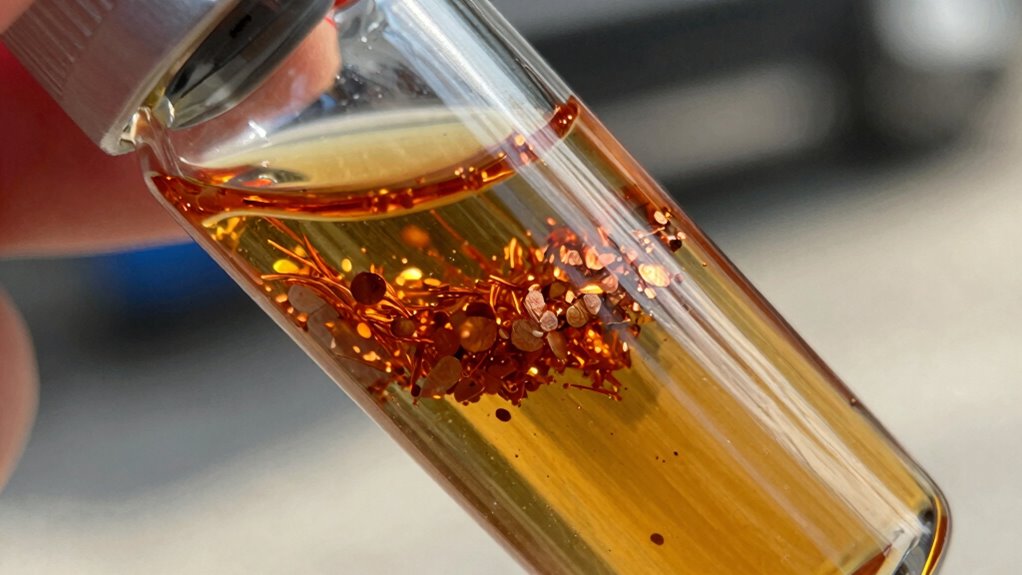
Several factors can influence copper readings in your engine oil, causing them to rise or fall over time. One key factor is the use of oil additives, which can temporarily increase copper levels by providing protective coatings or cleaning agents. As these additives break down or are depleted, copper readings may decrease. Engine design also plays a role; engines with tighter tolerances or specific materials may naturally produce higher copper wear particles or debris. Additionally, different engine components and their wear patterns can impact copper levels. Regular oil changes and monitoring help distinguish between normal fluctuations and signs of potential issues. Understanding these factors can help you interpret copper readings more accurately, avoiding false alarms or missed warnings. Recognizing the impact of engine design and operational conditions can further aid in assessing whether copper levels indicate normal wear or potential damage. Moreover, engine operation conditions, such as temperature and load, can also influence copper particle generation and detection. Being aware of wear patterns can assist in identifying abnormal engine behavior early on. Furthermore, the presence of contaminants in the oil can sometimes skew copper readings, making it important to consider oil quality and contamination levels in your analysis. Additionally, oil age and condition can also affect the release and detection of copper particles, impacting your interpretation of the data.
As an affiliate, we earn on qualifying purchases.
How Do You Know If Copper Means Engine Wear or Damage?
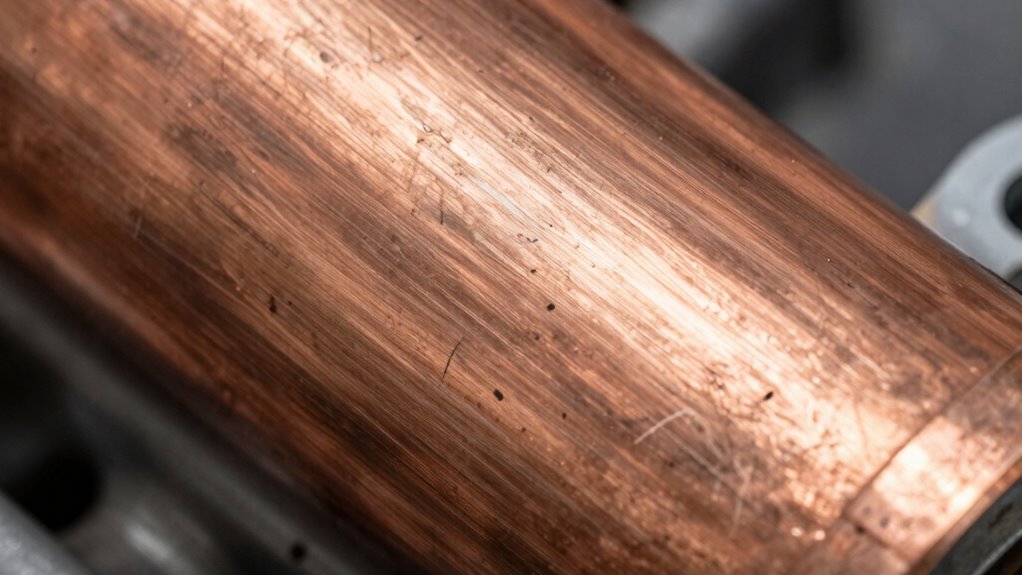
To determine if copper levels indicate engine wear or damage, you need to consider the context of the readings and look for other signs of trouble. Elevated copper alone isn’t conclusive—check for additional wear indicators like metal in the oil or performance issues. Combining these clues helps you understand whether actual engine damage is occurring. Paying attention to wear metals in oil analysis can help you interpret whether copper is a normal part of break-in or a sign of ongoing damage. Observing the signs of engine trouble alongside copper levels can further clarify the situation, much like assessing Indonesian decor masks provides cultural insights into craftsmanship and authenticity, much like evaluating engine parts for genuine wear. Recognizing herbal wellness practices, such as herbal baths, can also offer holistic approaches to maintaining engine health through natural methods. Monitoring these oil analysis indicators regularly can give you early warnings and help prevent costly repairs.
Context of Copper Levels
Copper levels in your oil analysis can be tricky to interpret because not all increases indicate engine damage. Sometimes, copper corrosion occurs naturally as metal parts age or due to the breakdown of certain oil additives that contain copper. An isolated spike might just reflect normal wear-in or minor corrosion, rather than serious damage. It’s important to weigh the context, such as whether copper levels steadily rise over multiple tests or spike suddenly. If levels remain consistent and low, it’s often not a concern. However, a sudden, significant increase could point to component wear or damage. Remember, copper can come from various sources, including oil additive packages, so tracking trends over time helps you determine if the copper level signals normal wear or potential issues. Additionally, understanding Free Floating phenomena can aid in differentiating between actual wear and false indicators. Proper oil analysis techniques and interpretation methods are essential for accurate assessments. Recognizing copper corrosion patterns can also help distinguish between benign and problematic level changes. Being aware of wear-in processes can further clarify whether copper increases are part of normal engine operation or indicative of emerging problems. Moreover, utilizing advanced diagnostic tools can enhance the accuracy of your evaluations and help identify the root causes more effectively.
Additional Wear Indicators
Tracking copper levels alone can be misleading; you need to look at other wear indicators to determine if the engine is actually experiencing damage. Check for changes in overall metal levels, especially iron and aluminum, which can signal different issues. Pay attention to lubricant additives; a sudden drop might indicate the additive’s consumption or breakdown, hinting at increased wear. Also, consider whether aftermarket parts are contributing to higher copper readings—some aftermarket components may contain copper or lead, affecting UOA results. Additionally, monitor engine performance and oil viscosity. Proper interpretation of wear data is essential for accurate diagnosis; relying solely on copper levels can lead to unnecessary repairs. Consistent wear patterns, combined with abnormal copper levels, suggest genuine damage rather than a normal break-in process. Using multiple indicators helps you better interpret copper data and avoid unnecessary repairs.
What Should You Do If Copper Levels Remain High or Rise?

When copper levels in your oil analysis remain high or continue to rise, it’s a clear sign that something inside your engine is wearing more than it should be. Persistent high copper indicates ongoing copper deposit formation, which could signal serious wear issues. To address this, consider the following steps:
High copper levels signal engine wear; prompt inspection and maintenance are essential to prevent costly damage.
- Schedule a thorough engine inspection to identify worn components.
- Review your maintenance schedule to ensure timely oil changes; an oil change importance can’t be overstated in removing debris and copper particles.
- Use high-quality oil and filters to minimize further copper deposit formation and protect your engine.
Ignoring elevated copper levels can lead to accelerated wear and costly repairs. Staying proactive helps catch problems early and keeps your engine running smoothly.
How to Prevent Copper-Related Engine Problems
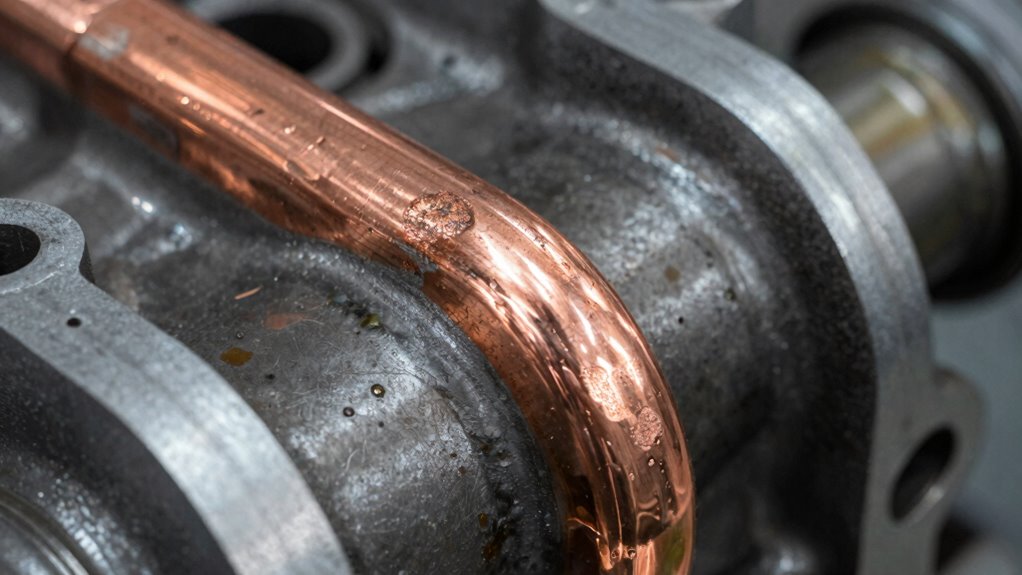
To prevent copper-related engine problems, regular maintenance and vigilant monitoring are essential. Start by choosing the right oil formulation, as high-quality oils contain additives that resist copper corrosion and reduce metal wear. Regular oil changes help remove contaminants that can accelerate copper corrosion, keeping engine parts in better condition. Keep an eye on oil analysis reports; elevated copper levels may indicate early wear, allowing you to address issues before they worsen. Ensuring your engine operates within proper temperature ranges also minimizes corrosion risks. Avoid using incompatible or cheap oils, which can compromise lubrication and accelerate metal degradation. By maintaining a disciplined schedule and selecting appropriate oils, you reduce the chances of copper-related damage, extending your engine’s lifespan and ensuring smoother performance.
Key Signs of Genuine Engine Wear in Oil Analysis
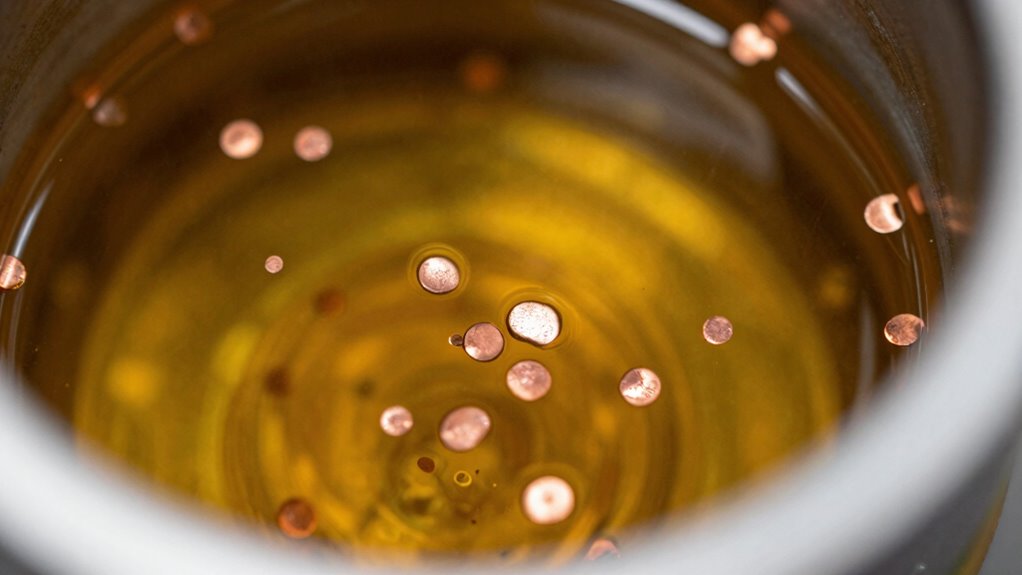
Monitoring oil analysis reports reveals important clues about your engine’s condition. When you see genuine engine wear, it often indicates issues like engine component corrosion or breakdown of oil additive effects. Watch for key signs such as elevated metal levels, especially copper, which suggest internal wear. Sudden spikes can signal active damage rather than normal break-in. Additionally, look for increased iron or aluminum, pointing to piston or bearing wear. Changes in oil viscosity or unusual debris can also be signs of ongoing deterioration. Regularly reviewing these indicators helps determine if wear is progressing or just part of normal operation. Staying vigilant allows you to catch problems early and avoid costly repairs. Recognizing these signs ensures you maintain excellent engine health over time.
Frequently Asked Questions
Can Copper Levels Indicate Issues in Specific Engine Components?
Yes, rising copper levels can indicate issues like bearing wear or piston scoring. When bearings wear out, copper particles shed into the oil, signaling potential damage. Similarly, piston scoring can release copper debris. If you notice elevated copper in your UOA, you should inspect these components closely. Addressing the root cause early can prevent further damage and costly repairs, ensuring your engine stays healthy longer.
How Quickly Can Copper Levels Fluctuate in Oil Analysis?
Copper levels can fluctuate within a few hundred miles, especially if there’s copper corrosion or oil contamination. For example, a sudden spike in copper during a routine oil analysis might indicate rapid wear or contamination. These quick changes highlight the importance of regular monitoring, as copper can increase quickly due to metal degradation or external factors, helping you catch issues early before they lead to significant engine damage.
Are There Aftermarket Parts That Influence Copper Readings?
Yes, aftermarket upgrades and copper additives can influence copper readings in your oil analysis. When you install aftermarket parts like performance camshafts or valvetrain components, they often contain copper, which can temporarily raise copper levels. Copper additives also release copper into the oil. Keep in mind, elevated copper readings from these sources aren’t necessarily a sign of wear but reflect the presence of new or added copper from upgrades or additives.
What Is the Typical Lifespan Before Copper Wear Appears?
Copper wear typically appears after 10,000 to 15,000 miles, signaling the start of copper corrosion and wear patterns. You’ll notice increased copper levels in your UOA, which may indicate normal break-in or potential engine issues. Keep an eye on your oil analysis, as early detection of copper corrosion helps prevent major engine damage. Regular maintenance and monitoring make sure you catch wear patterns before they lead to costly repairs.
How Do Environmental Factors Affect Copper in Engine Oil?
Environmental factors markedly impact copper in your engine oil. Corrosion effects from moisture, salt, or humidity accelerate copper wear, making it appear sooner in your oil analysis. Additionally, oil contamination from dirt or water worsens copper corrosion, leading to abnormal wear patterns. To minimize these issues, keep your vehicle in a controlled environment, perform regular oil changes, and ensure your engine’s seals and filters are in good condition.
Conclusion
If you see copper levels in your oil analysis, don’t panic—but don’t ignore it either. Remarkably, studies show that up to 95% of copper in oil can come from normal engine break-in, not damage. Keep an eye on trends and follow recommended maintenance steps. Regular oil checks can help catch real wear early, saving you money and stress. Staying proactive ensures your engine stays healthy longer—so stay informed and keep your engine running smoothly.
Halloween Picks
halloween
As an affiliate, we earn on qualifying purchases.