

Your UOA trend chart can be misleading if you don’t normalize properly. To get accurate insights, you need to correct for variables like engine hours, fuel intake, and test conditions. Proper normalization removes external influences that skew results, revealing true engine wear patterns. Accurate data handling and simple steps like calibration and consistent sampling are essential. Keep learning how to refine your process, and you’ll improve your maintenance decisions and avoid false assurances.
Key Takeaways
- Normalize UOA results by dividing by engine hours or fuel volume to account for different operating conditions.
- Proper sample handling prevents contamination and degradation, ensuring more accurate trend analysis.
- Regularly calibrate testing instruments to minimize measurement errors and improve data reliability.
- Compare samples over consistent intervals and external factors to avoid misleading trends.
- Use automated tools and dashboards to visualize normalized data for more accurate and timely insights.

Oil Analysis Premier Kit by Under My Hood with return postage included
NOT FOR USE ON AIRCRAFT!
As an affiliate, we earn on qualifying purchases.
As an affiliate, we earn on qualifying purchases.
Why You Need to Normalize UOA Data

Normalizing UOA data is essential because it guarantees that comparisons across different datasets are accurate and meaningful. When you perform oil analysis, raw data can vary due to factors like sample size, testing methods, or measurement units. Without standardization, these differences can distort your understanding of equipment health. By normalizing, you improve trend accuracy, making it easier to identify genuine issues versus anomalies. This process helps you track wear patterns more reliably over time, avoiding false alarms or missed signs of trouble. Additionally, statistical normalization techniques can further enhance the reliability of your trend analysis by accounting for variability in testing conditions and sample collection. Implementing standardization procedures can help mitigate the effects of measurement errors and testing inconsistencies, leading to more trustworthy insights. Moreover, understanding testing variability and how it impacts data quality can help you refine your normalization strategies. Recognizing the impact of measurement errors allows you to adjust your analysis methods appropriately. Ultimately, normalization ensures your UOA trend charts reflect true changes in your machinery, enabling better maintenance decisions and reducing downtime. It’s a critical step to make your oil analysis insights trustworthy and actionable. Additionally, understanding how clocks and time influence data interpretation can help you better grasp the timing of wear patterns and machinery lifecycle stages.
UOA normalization tools
As an affiliate, we earn on qualifying purchases.
As an affiliate, we earn on qualifying purchases.
How to Normalize UOA Data Step-by-Step

To normalize UOA data effectively, start by collecting all your raw datasets and ensuring they are organized consistently. Proper sample labeling is vital—label each sample accurately with details like date, engine type, and test conditions. Next, perform sensor calibration on your measurement instruments to account for any device drift or inaccuracies. Once calibrated, adjust the raw UOA values based on calibration factors to guarantee consistency across tests. Normalizing the data by dividing each UOA result by a relevant baseline, such as engine hours or fuel volume, to make comparisons meaningful. This step helps eliminate variability caused by differing test conditions. Additionally, understanding media literacy can help you interpret the data correctly and avoid being misled by inaccurate information. Being aware of measurement variability can further improve the accuracy of your normalization process. Incorporating standardized testing procedures can also enhance the comparability of your results across different tests. Following these steps ensures your UOA data is accurately normalized, enabling reliable trend analysis and better decision-making.

Oil Analysis Sampling Pump – Accurate Oil Extraction of Various Engine Oil
☆Match Bottle and Tubing Size : this Oil Analysis Sampler for standard bottle 38mm neck bottles and tubing…
As an affiliate, we earn on qualifying purchases.
As an affiliate, we earn on qualifying purchases.
Common Mistakes That Skew Your UOA Trends
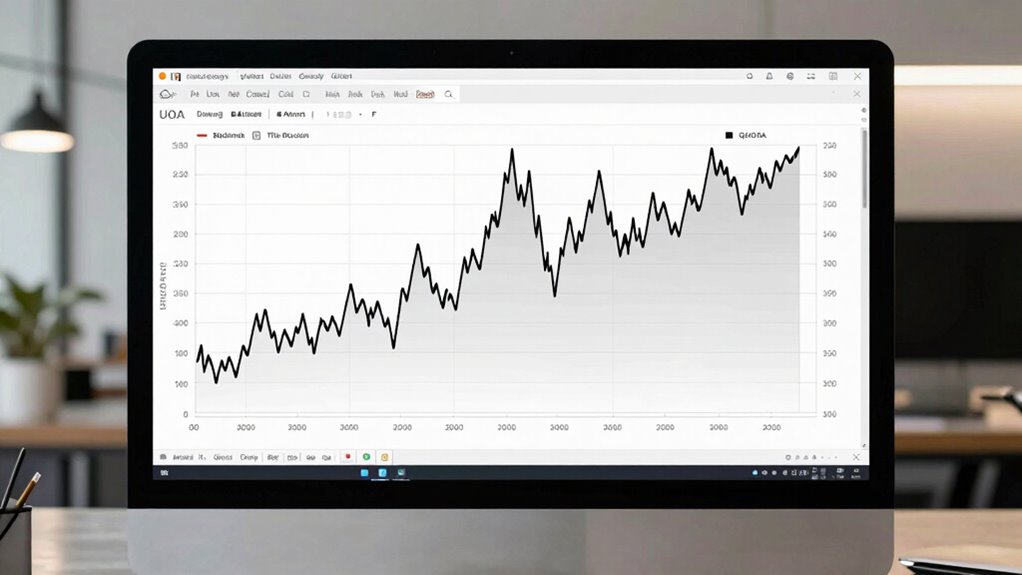
Ignoring oil change intervals can make your UOA trends misleading, as wear data may not guarantee actual engine conditions. If you don’t normalize your data properly, you risk drawing incorrect conclusions from the analysis. Paying attention to these common mistakes ensures more accurate and reliable trend charts.
Ignoring Oil Change Intervals
When you overlook oil change intervals in your UOA analysis, it can substantially distort the trend data. Inconsistent oil change timing affects the sampling frequency, making it harder to interpret trends accurately. If you don’t account for how long the oil has been in the engine, you risk comparing samples that cover different wear periods. This can lead to false conclusions about engine health or contamination levels. To get reliable results, track your oil change consistency and note the exact intervals between samples. Normalizing data without considering these intervals skews the trend line, giving a misleading picture of your engine’s condition. Always consider oil change timing to ensure your UOA analysis reflects true wear and contamination patterns over time.
Not Normalizing Data Properly
Failing to normalize your UOA data properly is a common mistake that can substantially distort your trend analysis. When you skip proper oil sample preservation, contaminants or degradation may skew results, making wear metals seem higher or lower than they truly are. Additionally, neglecting lab calibration can lead to inaccurate readings, giving you false indications of engine health. Without normalization, variations in sample handling or lab testing methods create inconsistencies, making it difficult to identify real trends. To avoid this, ensure you follow strict oil sample preservation protocols and verify that the lab calibrates equipment regularly. Proper normalization accounts for these variables, providing a more reliable picture of your engine’s condition and preventing misleading conclusions from your UOA trend chart. Recognizing drone bee health and hive stability is similarly dependent on consistent, properly normalized data to accurately assess colony conditions. Moreover, understanding laboratory calibration processes helps ensure that your data remains accurate and trustworthy over time. Additionally, implementing data normalization techniques can further improve the accuracy of your trend analysis and reduce the impact of external variables. Being aware of potential testing variability factors allows for more precise interpretation of your UOA results, especially when considering the influence of solar panel efficiency and environmental conditions on energy data accuracy.

WIX Filters – 24077 Oil Analysis Kit, Pack of 1
Country Of Origin: China
As an affiliate, we earn on qualifying purchases.
As an affiliate, we earn on qualifying purchases.
Techniques to Reduce Variability in UOA Data

To reduce variability in your UOA data, you need to establish consistent sampling procedures. Proper sample handling also guarantees your results remain reliable and comparable over time. Implementing these techniques helps you achieve more accurate trend analysis. Additionally, understanding the importance of accurate trend analysis can guide your efforts in maintaining data integrity. Regularly inspecting your survival gear ensures all items function correctly and are ready when needed. Recognizing the role of data consistency emphasizes the need for standardized methods in your data collection process. Incorporating scientific rigor into your sampling methods further minimizes errors and enhances the reliability of your results.
Consistent Sampling Procedures
Implementing consistent sampling procedures is essential for reducing variability in UOA data. When you ensure sampling consistency, you minimize the chances of discrepancies caused by different sampling methods or timings. This consistency helps you obtain more reliable data, which is critical for accurate trend analysis. To achieve this, always follow a standardized process for collecting samples, such as using the same tools, timing, and locations. Avoid mixing different sampling techniques or irregular intervals. By maintaining uniformity in your sampling approach, you improve data reliability and make your UOA trend charts more precise. Consistent sampling minimizes fluctuations that don’t reflect real engine conditions, allowing for clearer insights and better decision-making. Ultimately, it’s an indispensable step toward trustworthy and meaningful UOA analysis.
Proper Sample Handling
Proper sample handling plays a crucial role in reducing variability in UOA data because even small mistakes during collection or processing can skew results. To guarantee accuracy, focus on preventing sample contamination, which can alter analyte levels. Always use clean containers and wear gloves to avoid introducing foreign substances. Regular lab calibration ensures your equipment provides consistent, reliable measurements, minimizing errors. Handle samples promptly and store them at appropriate temperatures to prevent degradation. Additionally, label samples clearly to avoid mix-ups. Be cautious during transport, avoiding agitation that could affect sample integrity. Implement strict procedures for sample processing and storage. Recognizing the importance of sample integrity helps ensure accurate and reliable results. Proper sample preservation techniques further support consistent and trustworthy data. Incorporating quality control protocols during analysis further minimizes variability and enhances data accuracy. Employing standardized procedures is essential for maintaining consistency across tests. By controlling these factors, you minimize variability and improve the reliability of your UOA trend analysis. A comprehensive understanding of cultural artifacts can also contribute to more nuanced interpretations of the data.
How to Interpret Normalized UOA Trends for Better Decisions

Understanding how to interpret normalized UOA (Usage of Assets) trends is essential for making informed maintenance and operational decisions. When examining these trends, focus on the synthetic data created through normalization, which filters out external factors like seasonality or equipment size. This allows you to see the true performance patterns of your assets. Use trend analysis to identify consistent upward or downward shifts, indicating potential issues or improvements. Remember, normalized data reveals underlying changes that raw data might hide. By accurately interpreting these trends, you can schedule maintenance proactively, avoid unnecessary downtime, and optimize asset utilization. Clear understanding and proper analysis of normalized UOA trends empower you to make smarter, data-driven decisions that enhance efficiency and extend asset life.
Best Tools and Tips to Automate Normalization

Automating normalization of UOA trends can considerably streamline your data analysis process and improve decision-making speed. To achieve this, leverage tools that simplify sensor calibration and enhance data visualization. Automating these steps reduces manual errors and ensures consistent results. Consider using software like Excel macros, Python scripts, or dedicated analytics platforms that support normalization workflows. These tools can automatically adjust for sensor calibration discrepancies and prepare your data for clear visualization. Additionally, explore data visualization dashboards that update in real-time, giving you instant insights. Automating normalization saves time, improves accuracy, and helps you focus on interpreting trends rather than data prep. Incorporating system monitoring tools can further automate the detection of anomalies during normalization, ensuring higher data integrity. Utilizing automation methods can also facilitate regular updates and maintain the reliability of your UOA trend charts. With the right tools, you’ll maintain reliable UOA trend charts and make smarter, data-driven decisions faster.
Frequently Asked Questions
How Often Should I Update My UOA Normalization Process?
You should update your UOA normalization process every 6 to 12 months to maintain data consistency, especially if your engine experiences significant changes or repairs. Regular measurement frequency helps catch trends early and keeps your analysis accurate. By consistently updating, you guarantee your normalization reflects current conditions, improving decision-making. Don’t wait too long—stale data can mislead, so stay proactive and review your normalization process regularly.
Can Normalization Address All Types of UOA Data Variability?
Think of normalization as your compass in a storm; it guides you through data variability. While it can address many issues, it doesn’t solve every challenge. Data consistency improves with proper statistical adjustments, but some anomalies may still slip through. You must recognize that normalization is a essential tool, yet not a cure-all, requiring ongoing vigilance and supplementary methods to truly understand your UOA data’s story.
What Are the Best Practices for Handling Outliers in UOA Normalization?
To handle outliers in UOA normalization, you should start with effective outlier detection methods like statistical tests or visualization. Once identified, apply data smoothing techniques to minimize outlier impact without losing important trends. This approach guarantees your normalization process remains accurate, helping you interpret data correctly. Consistently monitor for anomalies, and adjust your methods as needed to keep your trend charts reliable.
How Does Normalization Impact Long-Term Trend Analysis Accuracy?
Normalization enhances long-term trend analysis accuracy by reducing data variability, making trends clearer. It helps you apply data smoothing techniques that minimize noise, so you don’t misinterpret short-term fluctuations as real changes. Without normalization, trend misinterpretation can occur, leading you to draw incorrect conclusions. Proper normalization ensures your UOA data accurately reflects true performance over time, allowing you to make informed decisions based on reliable trend insights.
Are There Industry-Specific Normalization Techniques I Should Consider?
Think of industry-specific normalization techniques as your secret compass guiding accurate trend analysis. You should consider industry benchmarks to set a reliable baseline and regional adjustments to account for geographic differences. These methods guarantee your data reflects real performance rather than external variations, helping you spot true trends. By customizing normalization to your industry, you avoid misleading conclusions and keep your insights sharp and trustworthy.
Conclusion
Without normalization, your UOA trend chart is like a ship without a compass—misleading and lost. By applying the right techniques, you’ll navigate data with clarity and confidence, turning raw numbers into a reliable map. Don’t let skewed figures steer your decisions astray. Embrace normalization as your secret weapon, transforming chaos into clarity. When your data is properly normalized, your insights will shine brighter than a lighthouse guiding ships home.