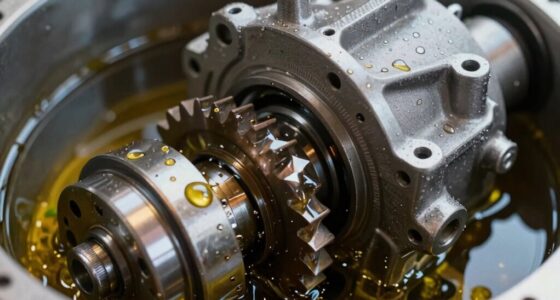
Brass wear metals in your machinery oil typically appear during normal operation, as tiny particles shed from components like bearings or gears. Small, steady levels usually aren’t a concern, but sudden spikes or high concentrations can signal problems such as increased wear, contamination, or lubrication issues. If lubrication isn’t maintained properly, brass particles can accelerate, indicating potential damage. To understand what your data really means, uncover more about the factors that influence brass wear and when it signals trouble.

Get garage and car supplies delivered free — and shop member deals
- Fast, free delivery on millions of items
- Access to Prime Big Deal Days deals on October 6–7
- Prime Video, Amazon Music and more included
Key Takeaways
- Normal brass wear particles are small and steady; sudden increases indicate potential issues.
- Proper lubrication minimizes brass metal shedding; inadequate lubrication can cause elevated wear metals.
- Brass alloy composition influences expected wear metal levels under operational stresses.
- Elevated brass wear metals often signal accelerated wear or component damage.
- Context, including lubrication condition and alloy type, is essential for accurate interpretation of wear metal data.
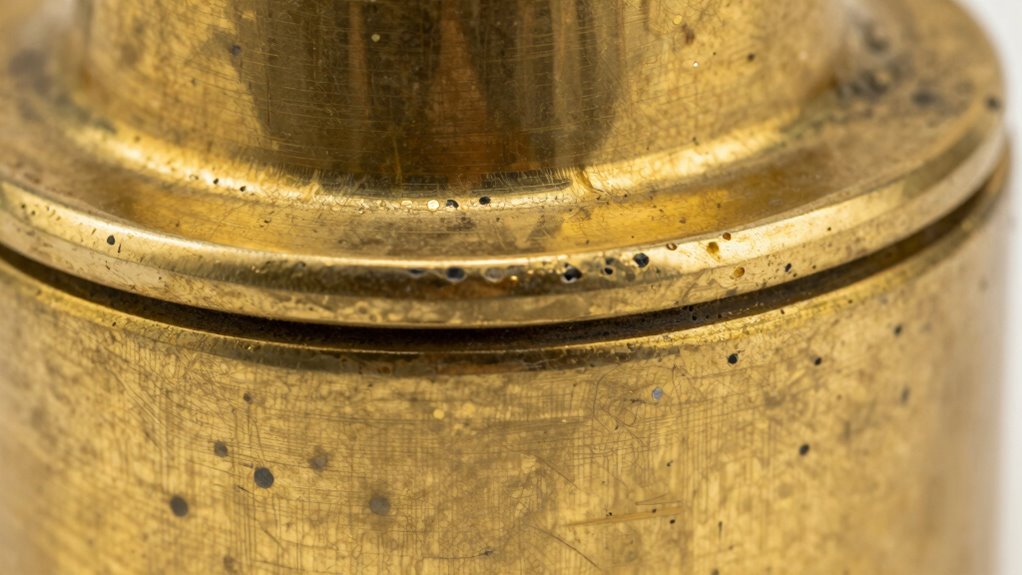
Brass wear metals are tiny particles that shed from brass components during operation, signaling wear and potential machinery issues. When you notice these particles in your lubrication analysis, it’s a sign that your equipment is experiencing some level of degradation. Understanding when this wear is normal and when it indicates trouble requires paying close attention to the context, especially considering lubrication challenges and alloy composition. Brass, an alloy of copper and zinc, can vary considerably in its response to operational stresses, affecting how and when wear metals are released.
One of the key factors influencing brass wear metals is lubrication. Proper lubrication reduces friction, minimizing metal-to-metal contact and slowing down wear. When lubrication is inadequate or degraded, you’ll often see an increase in wear metals, including brass particles. This is because dry or poorly maintained lubrication allows the components to rub against each other more aggressively, accelerating the shedding of metal particles. Conversely, consistent, high-quality lubrication can prevent excessive wear, and small, steady amounts of brass particles may be expected during normal operation. However, sudden spikes or an increase in brass wear metals often point to lubrication challenges, such as contamination, improper viscosity, or infrequent maintenance, which can cause accelerated wear and potential damage. Additionally, understanding the specific alloy composition of your brass parts can help predict how much wear is typical under certain operating conditions.
machinery oil wear metal analysis kit
As an affiliate, we earn on qualifying purchases.
As an affiliate, we earn on qualifying purchases.
Frequently Asked Questions
How Can I Prevent Excessive Brass Wear in My Machinery?
To prevent excessive brass wear in your machinery, focus on proper material selection and effective lubrication strategies. Choose compatible materials that reduce friction and wear, and make certain you maintain consistent lubrication to minimize metal-to-metal contact. Regularly inspect and replace worn components, and avoid operating under extreme loads or speeds. Implementing these practices helps extend your equipment’s lifespan and keeps brass wear within expected levels.
What Are the Early Warning Signs of Brass Wear Metal Issues?
Ever wondered how to spot brass wear issues early? You should watch for corrosion indicators like discoloration or pitting, which signal deterioration. Temperature fluctuations can accelerate wear, so if you notice inconsistent operation or unusual heat levels, it’s a warning sign. These early signs help you address problems before they cause costly damage, keeping your machinery running smoothly and extending its lifespan. Stay vigilant for these subtle but important clues.
Which Types of Lubricants Help Reduce Brass Wear?
You should use lubricants with specific additive packages to reduce brass wear. Synthetic oils with anti-wear additives, such as zinc dialkyldithiophosphate (ZDDP), provide excellent protection. These additives form a protective film on brass surfaces, minimizing metal-to-metal contact. Regularly choosing high-quality synthetic oils guarantees ideal lubrication, reducing wear and extending equipment life. Always verify that your lubricant meets your application’s requirements for best results.
How Does Brass Alloy Composition Affect Its Wear Characteristics?
Your brass alloy composition directly influences its wear characteristics. For example, adding zinc improves strength but can increase wear if not balanced properly. Incorporating small amounts of tin or lead can reduce wear by enhancing lubrication properties. Understanding how different alloy elements affect wear helps you select the right brass for your application, minimizing trouble and ensuring durability. Adjusting composition allows you to optimize wear resistance for specific operating conditions.
Can Brass Wear Metals Be Recycled or Reused Effectively?
Yes, brass wear metals can be recycled and reused effectively. You can recycle brass by melting it down and reforming it into new products, which helps conserve resources and reduce waste. Its reuse potential is high because brass maintains its properties after recycling, making it a sustainable choice. Proper recycling processes guarantee the metal stays pure and valuable, allowing you to reuse brass wear metals multiple times without significant quality loss.
As an affiliate, we earn on qualifying purchases.
Conclusion
As you keep a close eye on brass wear metals, you realize that subtle changes can signal either normal operation or looming trouble. Will those tiny traces become a warning sign, or just fade away unnoticed? The difference could mean the difference between smooth running and costly repairs. Stay vigilant, because in this game of metal, what you don’t see might be the trouble you can’t afford to ignore. The next clue could be closer than you think.
industrial lubrication oil tester
As an affiliate, we earn on qualifying purchases.
As an affiliate, we earn on qualifying purchases.
metal particle contamination detector
As an affiliate, we earn on qualifying purchases.
As an affiliate, we earn on qualifying purchases.
Halloween Picks
halloween
As an affiliate, we earn on qualifying purchases.