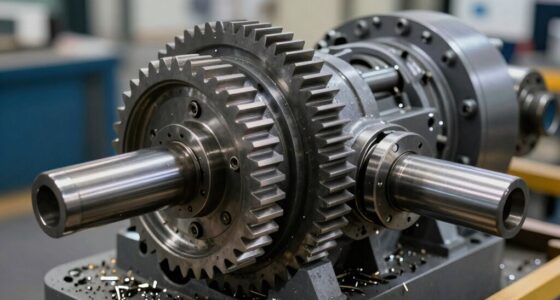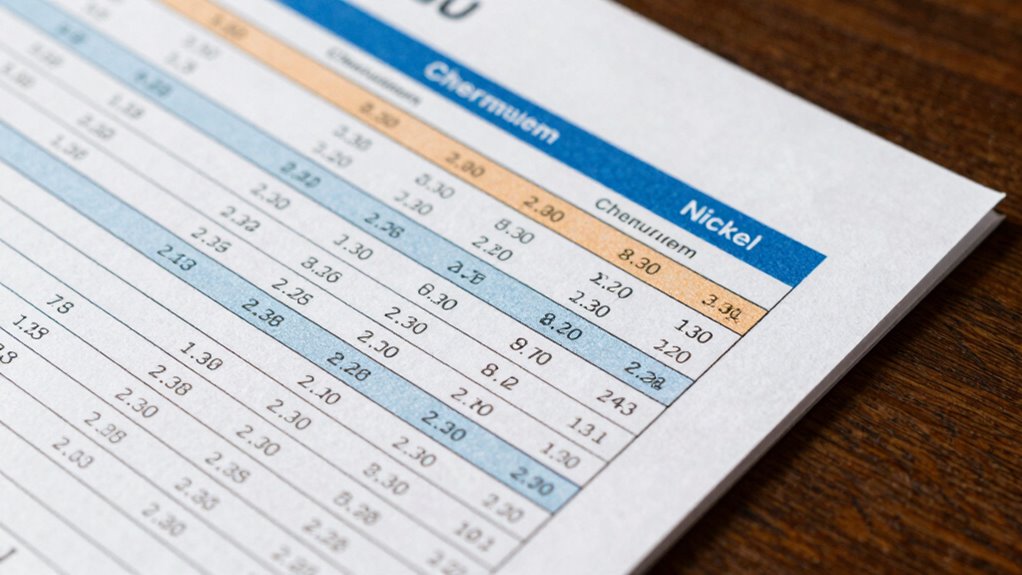
When you see high levels of chromium and nickel in gear oil reports, it usually indicates gear surface wear or corrosion. Elevated chromium suggests steel component deterioration, while increased nickel points to wear or corrosion of nickel-alloy parts. These metals can also signal surface breakdown, potentially caused by misalignment or overloading. Monitoring their levels over time helps spot issues early, so you can take appropriate maintenance steps. To understand how to interpret specific values, keep exploring further.
Key Takeaways
- Compare current chromium and nickel levels to established baseline or normal ranges for your equipment.
- Sudden increases in these metals suggest abnormal gear wear or corrosion, warranting further investigation.
- Elevated chromium indicates steel component corrosion, while high nickel points to wear or corrosion of nickel-alloy parts.
- Correlate metal levels with other analysis data like particle counts and viscosity for comprehensive assessment.
- Use trends over time to identify deterioration patterns and plan preventive maintenance to avoid gear failure.

Understanding the levels of chromium and nickel in gear oil is essential for evaluating gear health and predicting potential failure. These metals serve as valuable corrosion indicators and help identify wear metal sources, which are critical for diagnosing issues early. When analyzing gear oil reports, pay close attention to the concentrations of chromium and nickel, as elevated levels often point to specific problems within the gear system. High chromium levels can indicate corrosion of steel components, since chromium is a key alloying element that enhances corrosion resistance but can be released into the oil when protective layers break down. Similarly, increased nickel concentrations may signal wear or corrosion of nickel-alloy parts or signals that the gear surface is deteriorating. Recognizing these corrosion indicators early allows you to take corrective actions, such as adjusting the lubricant formulation, changing filters, or scheduling repairs before catastrophic damage occurs.
Additionally, understanding the environmental impact of wear metals like chromium and nickel can help inform more sustainable maintenance practices. Wear metal sources are often linked to the mechanical breakdown of gear components. As gears operate under load, surfaces rub against each other, generating wear particles that enter the oil. Chromium and nickel particles in the oil are direct indicators that gear surfaces are wearing down, which could stem from misalignment, inadequate lubrication, or excessive load. When you see a spike in these metals, it’s a sign that your gear system might be deteriorating faster than usual. This information helps you determine whether the wear is within acceptable limits or if immediate maintenance is needed.
Furthermore, interpreting these metals involves understanding their typical baseline levels in your equipment. Regular oil analysis provides a reference point, so sudden increases are easier to recognize. It’s also important to consider the context, such as operating conditions and maintenance history, to accurately interpret what elevated chromium and nickel levels mean for your gear system. By correlating these wear metal sources with other analysis data—like particle counts, viscosity changes, or other metal concentrations—you gain a detailed picture of your gear’s health.

Under My Hood Oil Analysis Kit – Oil Test Kit for Gasoline & Diesel Engines
- Aircraft Use Warning: Not for aircraft engine testing
- Monitor Equipment Health: Detects wear metals and contamination
- Universal Compatibility: Suitable for gasoline and diesel engines
As an affiliate, we earn on qualifying purchases.
As an affiliate, we earn on qualifying purchases.
Frequently Asked Questions
How Do Temperature Variations Affect Chromium and Nickel Readings?
Temperature variations can affect chromium and nickel readings because thermal expansion influences sensor calibration, leading to potential inaccuracies. As temperature increases, the metal parts in sensors expand, causing false high readings, while cooling can result in lower readings. To guarantee accurate results, you need to account for these variations through proper sensor calibration that compensates for temperature effects, maintaining reliable monitoring of metal wear in gear oil reports.
What Are the Typical Sources of Chromium and Nickel in Gear Oils?
You find chromium and nickel in gear oils mainly from material corrosion and wear debris. These metals originate from gear and bearing surfaces, especially when protective coatings or alloys contain them. As gears operate, wear debris releases tiny particles into the oil, revealing material degradation. Elevated levels indicate increased wear or corrosion, helping you assess equipment condition and prevent potential failures. Regular analysis guides maintenance and prolongs gear life.
Can Contamination Influence Chromium and Nickel Levels in Reports?
Oh, absolutely—contamination sources are the sneaky culprits messing with your chromium and nickel readings! They can elevate levels unexpectedly, making measurement interference a real headache. Dust, dirt, or even water ingress can skew reports, leading you to think there’s more wear than there truly is. So, always consider contamination sources when analyzing gear oil reports; otherwise, you might chase phantom issues instead of actual problems.
How Often Should Gear Oil Testing Be Performed for Accurate Monitoring?
You should perform gear oil testing regularly, ideally every 3 to 6 months, to guarantee accurate monitoring of lubrication. Consistent testing intervals help you detect wear metals like chromium and nickel early, allowing timely maintenance. Adjust lubrication frequency based on equipment usage and operating conditions. Regular testing provides reliable data, prevents unexpected failures, and keeps your gear systems running smoothly. Don’t skip scheduled tests to maintain ideal gear performance.
Are There Industry Standards for Acceptable Chromium and Nickel Levels?
Imagine a giant ruler measuring wear—industry benchmarks set the acceptable limits for chromium and nickel levels in gear oil, guiding you through the chaos. While specific thresholds vary by equipment and manufacturer, most standards aim to keep contaminant levels below critical thresholds to prevent damage. Always compare your test results to these benchmarks; if levels exceed them, it’s time to act before costly failures happen.

Handheld XRF Metal Analyzer Gun – Portable XRF Analyzer for Precious Metals | Gold Tester, Alloy & Element Detector with High-Resolution Sensor Data Transmission
- Versatile Metal Testing: Identifies elements in jewelry and alloys
- Fast & User-Friendly: Results in 1-2 seconds with touch screen
As an affiliate, we earn on qualifying purchases.
As an affiliate, we earn on qualifying purchases.
Conclusion
So, next time you see chromium and nickel in your gear oil report, remember—they’re just tiny clues about wear and tear. Ironically, these minuscule traces can tell you more about your gear’s health than a thousand hours of operation. Instead of ignoring them, embrace the mystery—they’re your gear’s secret memoirs. After all, who knew that a little metal could reveal so much, all while quietly sneaking into the report?

MOLUCKFU Engine Oil Comparator Tool and Transmission Oil Viscosity Tester Acrylic Stand for Accurate Car Maintenance and Quality Testing
- Versatile Oil Testing: Tests engine and transmission oil viscosity
- Precise Oil Comparison: Accurately compares oil quality
- Easy to Use: Simple insertion for accurate results
As an affiliate, we earn on qualifying purchases.
As an affiliate, we earn on qualifying purchases.
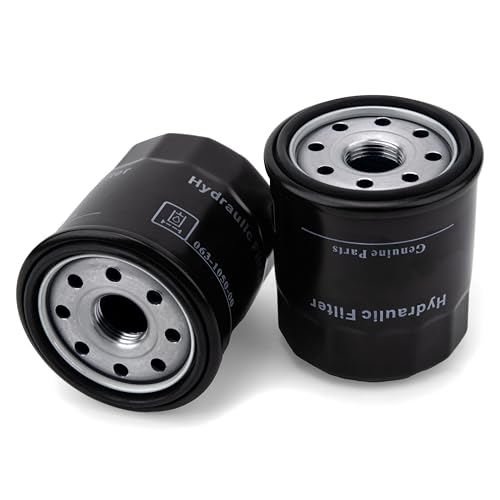
Transmission Filters/Hydraulic Filters/Oil Filters, for bad boy Hydro Gear
- Product: Pack of 2 Transmission Filters…
- Tech Info: Thread: 3/4"-16 OD: 2 11/16"…
- Fits:Ariens – Bad Boy Bush Hog – Exmark…
As an affiliate, we earn on qualifying purchases.
As an affiliate, we earn on qualifying purchases.