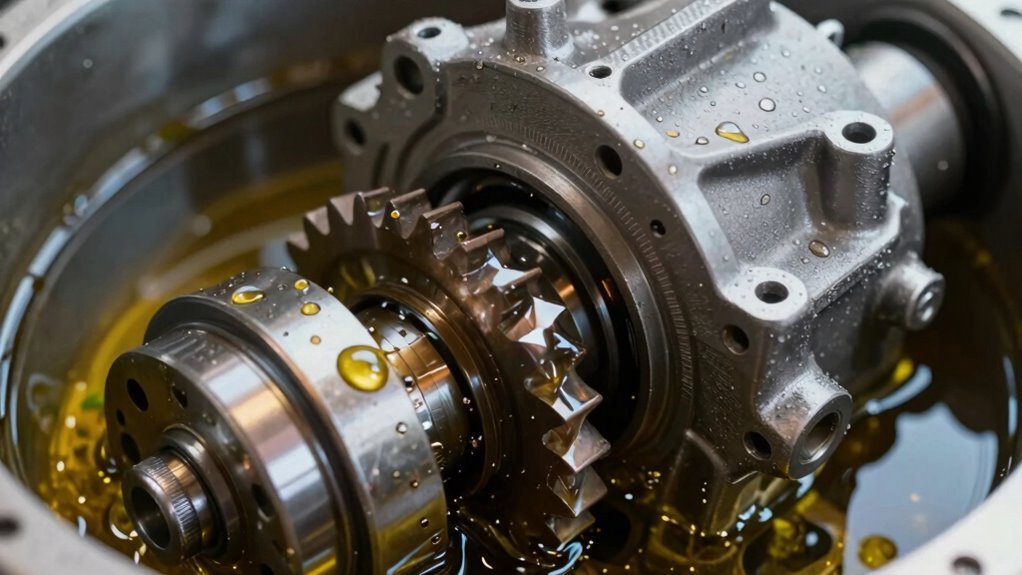

Fuel dilution isn’t a gearbox issue because it happens when fuel leaks into the engine oil, often due to faulty injectors, poor tuning, or incomplete combustion. This contamination reduces lubrication, speeds up wear, and can cause engine knocking or oil pressure drops. It’s a sign of engine problems, not a gearbox fault. To understand how to prevent and fix fuel dilution effectively, keep exploring the causes and solutions that follow.
Key Takeaways
- Fuel dilution occurs when fuel mixes with engine oil due to incomplete combustion, not because of the gearbox.
- Faulty fuel injectors or engine tuning issues lead to excess fuel entering the engine oil.
- Fuel in oil reduces lubrication, causes engine wear, and can lead to knocking and oil pressure problems.
- Synthetic oils resist breakdown but can still be contaminated by fuel, requiring regular monitoring and maintenance.
- Addressing engine faults and maintaining proper tuning prevent ongoing fuel dilution and protect engine health.
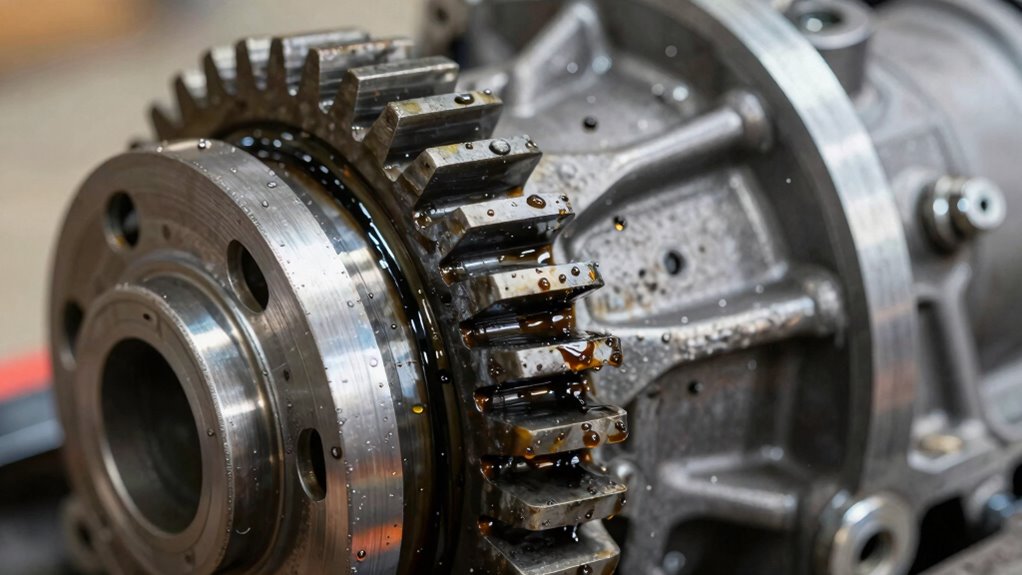
Fuel dilution in gearboxes occurs when engine oil becomes contaminated with fuel, often due to incomplete combustion or faulty injectors. While it might seem like a gearbox issue at first glance, the root cause typically lies within the engine itself. When fuel mixes with the oil, it reduces lubrication effectiveness, accelerates wear, and can lead to serious engine damage if left unaddressed. Recognizing this early is essential, especially if you rely on synthetic oils, which are popular for their superior stability and longer maintenance intervals. Synthetic oils can handle higher temperatures and resist breakdown better than conventional oils, but they’re not immune to fuel contamination. That’s why regular maintenance intervals become more critical when fuel dilution is a concern.
If you notice signs like increased engine knocking, rough idling, or a drop in oil pressure, you should check for fuel dilution. These symptoms point to the oil’s diminished lubricating properties, which could be caused by excess fuel mixing into the oil. Since synthetic oils can last longer, it’s tempting to extend maintenance intervals, but fuel dilution demands more frequent oil checks and changes. Extending your typical schedule without monitoring can lead to degraded oil quality and increased engine wear. To prevent this, follow your vehicle manufacturer’s recommended maintenance intervals meticulously, especially if you drive under conditions that promote incomplete combustion, such as short trips or heavy stop-and-go traffic.
Addressing fuel dilution isn’t just about changing the oil more often; it involves diagnosing the underlying cause. Faulty or clogged fuel injectors can cause excess fuel to seep into the combustion chamber, which then leaks into the crankcase. Engine tuning or repairing these components becomes essential to prevent ongoing contamination. If you’re using synthetic oils, you might get away with longer intervals between oil changes under normal conditions, but fuel dilution accelerates oil breakdown regardless. Regular oil analysis can help you determine if the fuel content in your oil exceeds safe limits, guiding you on when to change it.
Ultimately, you need to stay vigilant about your vehicle’s condition. Fuel dilution isn’t a gearbox problem but a symptom of engine issues that require prompt attention. Proper maintenance intervals, combined with high-quality synthetic oils, can extend the lifespan of your engine, but only if you’re proactive. Regular inspections, timely oil changes, and addressing engine faults early will ensure your vehicle runs smoothly, avoiding costly repairs down the line. Remember, keeping your engine clean and well-maintained is the best way to prevent fuel contamination from turning into a bigger, more expensive problem.

Lucas Oil 10003 Fuel Treatment – 1 Quart
The world’s #1 fuel additive for both gasoline and diesel engines
As an affiliate, we earn on qualifying purchases.
As an affiliate, we earn on qualifying purchases.
Frequently Asked Questions
How Can Fuel Dilution Affect Other Engine Components?
Fuel dilution can negatively impact other engine components by contaminating the fuel system, which leads to poor engine performance. When excess fuel mixes with oil, it reduces lubrication, increasing wear on pistons, rings, and bearings. This contamination can cause sluggish acceleration, rough idling, and higher emissions. You might notice decreased fuel efficiency and potential long-term damage if fuel dilution isn’t addressed promptly, ultimately compromising your engine’s reliability and longevity.
What Are the Signs of Fuel Dilution in a Vehicle?
Your engine’s warning signs are clear: you’ll notice a strong fuel smell, rough idling, and increased exhaust emissions. Engine oil contamination from fuel dilutes the oil, reducing its lubricating power, while fuel system corrosion can lead to poor performance. If you see these signs, don’t ignore them—fuel dilution is an enemy that can cause serious engine damage if left unchecked. Stay vigilant and get your vehicle checked promptly.
Are Certain Vehicle Models More Prone to Fuel Dilution?
Certain vehicle models are more prone to fuel dilution due to model susceptibility and manufacturer differences. You’ll find that some engines, especially those with direct injection or turbocharging, tend to experience more fuel mixing. Manufacturer design choices, like fuel system components or crankcase ventilation, also impact susceptibility. So, it’s worth checking your vehicle’s specific model and manufacturer details, and staying vigilant for signs of fuel dilution to prevent potential engine issues.
How Does Fuel Quality Influence Dilution Levels?
Fuel quality acts like the foundation of a house—if it’s weak, everything else suffers. Poor-quality fuel often contains more water and impurities, making it easier for fuel additives to break down and cause dilution. Using fuel stabilization products helps protect against this, maintaining cleaner combustion and reducing dilution. So, when you choose high-quality fuel, you help prevent fuel dilution and keep your engine running smoothly.
Can Fuel Dilution Be Prevented Through Regular Maintenance?
Yes, you can prevent fuel dilution through regular maintenance routines. Focus on inspecting and cleaning your fuel system to guarantee no leaks or blockages develop. Regularly changing filters and checking injectors help keep fuel quality high. By staying proactive with maintenance routines, you reduce the risk of fuel mixing with oil, which can lead to fuel dilution. Consistent upkeep keeps your engine running smoothly and prolongs its lifespan.

Oil Analysis Premier Kit by Under My Hood with return postage included
NOT FOR USE ON AIRCRAFT!
As an affiliate, we earn on qualifying purchases.
As an affiliate, we earn on qualifying purchases.
Conclusion
So, next time you notice that strange smell or feel your gearbox slipping, remember—fuel dilution isn’t the gearbox’s fault; it’s like a leaky faucet dripping unwanted trouble into your system. Think of it as a silent invader sneaking into your engine’s home, muddying the waters and causing chaos. Stay vigilant, catch the signs early, and keep your transmission running smoothly like a well-oiled machine gliding effortlessly down the road.
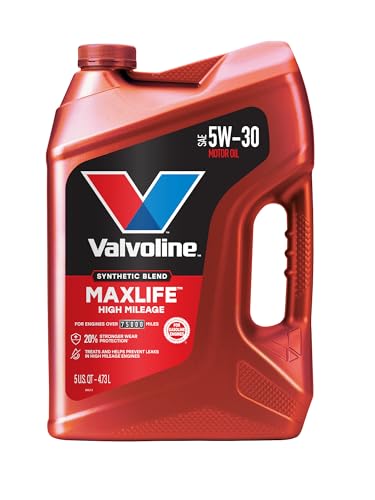
Valvoline MaxLife High Mileage 5W-30 Synthetic Blend Motor Oil 5 Quart
Formulated for engines with 75,000 miles or more, Valvoline MaxLife High Mileage synthetic blend is formulated with seal…
As an affiliate, we earn on qualifying purchases.
As an affiliate, we earn on qualifying purchases.

B3C Fuel Solutions DEF 7-040-9 Diesel-Exhaust-Fluid Contamination Test Strips (Pack of 100)
DEF 7-040-9 Contamination Test quickly detects contamination in diesel fuel, oil, gasoline, and other hydrocarbons
As an affiliate, we earn on qualifying purchases.
As an affiliate, we earn on qualifying purchases.