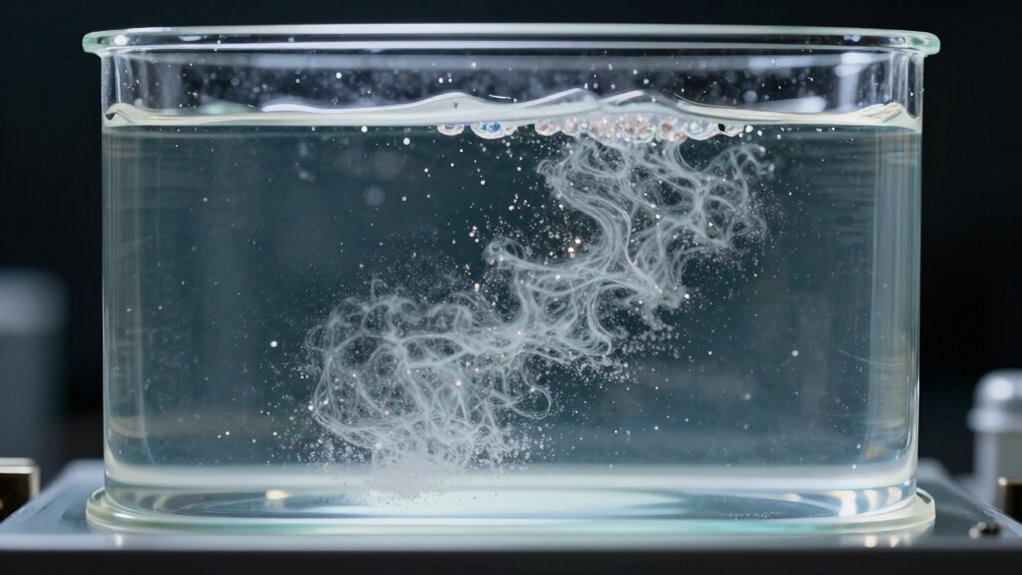

Particle Count ISO 4406 helps you measure and interpret oil cleanliness levels using standardized codes that show contamination in hydraulic or lubrication systems. It involves collecting samples, analyzing particle sizes, and using three numbers to assess contamination severity. Understanding these codes allows you to evaluate filtration effectiveness and prevent equipment failures. By following proper testing practices, you can maintain system health and extend machinery life. Keep exploring to discover how simplifying this process benefits your maintenance routines.

Get garage and car supplies delivered free — and shop member deals
- Fast, free delivery on millions of items
- Access to Prime Big Deal Days deals on October 6–7
- Prime Video, Amazon Music and more included
Key Takeaways
- ISO 4406 provides a standardized method to measure and communicate oil cleanliness by counting particles of specific sizes.
- Particle counts are translated into three-number codes indicating contamination levels for particles >4, >6, and >14 microns.
- Proper sampling and calibrated particle counters are essential for accurate ISO 4406 code determination.
- Lower ISO 4406 codes represent cleaner oil, while higher codes indicate increased contamination.
- Regular monitoring helps maintain optimal oil quality, protect equipment, and prevent contamination-related failures.
ISO 4406 particle counter for oil cleanliness
As an affiliate, we earn on qualifying purchases.
As an affiliate, we earn on qualifying purchases.
What Is ISO 4406 Particle Count and Why Is It Important?

ISO 4406 Particle Count is a standardized method for measuring and classifying contamination levels in hydraulic and lubrication oils. This system helps you determine how much particle contamination is present, which directly impacts machinery performance and longevity. By adhering to cleanliness standards set by ISO 4406, you can prevent equipment failures caused by dirt and debris. The particle count provides a clear, quantifiable indicator of oil cleanliness, allowing you to monitor and maintain ideal operating conditions. Regular testing ensures your oils meet the required cleanliness standards, reducing wear and extending equipment life. Understanding ISO 4406’s importance helps you make informed maintenance decisions and keeps your hydraulic systems running smoothly and efficiently.
hydraulic oil contamination test kit
As an affiliate, we earn on qualifying purchases.
As an affiliate, we earn on qualifying purchases.
How Does ISO 4406 Measure Oil Contamination Levels?
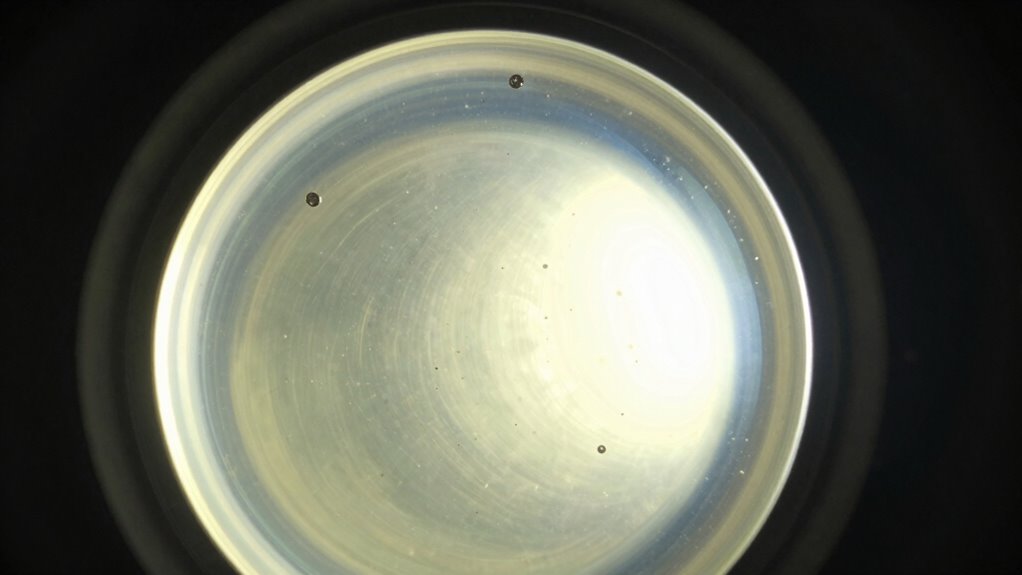
To measure oil contamination levels accurately, a standardized process is followed that involves counting particles suspended in the lubricant. This process helps determine contamination sources and assess filtration effectiveness. Using a particle counter, you analyze a sample of oil, classifying particles by size ranges. These counts are then translated into ISO 4406 codes, which represent contamination levels. The codes reflect the number of particles per milliliter, indicating how clean or dirty the oil is. Here’s a simple way to visualize the process:
| Particle Size Range | Count per mL | ISO 4406 Code |
|---|---|---|
| 4 µm to 6 µm | 1-23,999 | 20-21 |
| 6 µm to 14 µm | 0-1,999 | 18-19 |
| 14 µm to 21 µm | 0-199 | 15-16 |
This method objectively measures oil cleanliness based on contamination sources and filtration effectiveness. Additionally, understanding particle size distribution is crucial for evaluating the overall performance of filtration systems. Recognizing the contamination level helps in making informed maintenance decisions and optimizing equipment lifespan.
As an affiliate, we earn on qualifying purchases.
Decoding the ISO 4406 Code: What the Numbers Mean
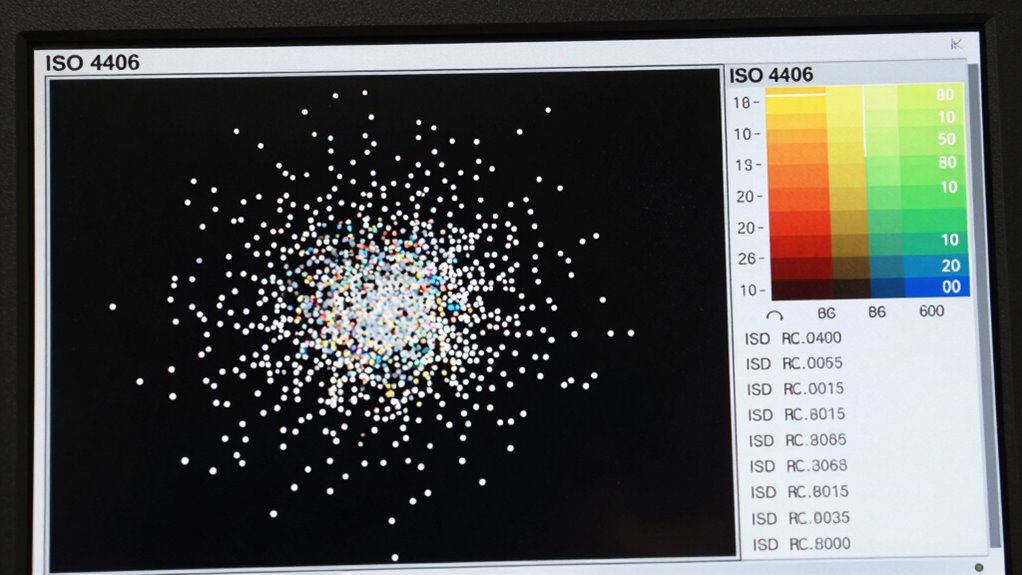
Decoding the ISO 4406 code is essential for understanding how clean or contaminated your oil truly is. The code consists of three numbers, each representing a different range of particle counts, which helps you assess contamination control effectively. The first number indicates the concentration of particles larger than 4 microns, the second for particles over 6 microns, and the third for particles over 14 microns. Lower numbers mean cleaner oil, while higher numbers signal increased contamination. Knowing these values allows you to make informed decisions about maintenance scheduling, ensuring equipment runs smoothly and avoiding costly failures. By interpreting these codes accurately, you can set appropriate contamination control measures and plan maintenance proactively to extend equipment lifespan and optimize performance.
lubrication system filtration monitor
As an affiliate, we earn on qualifying purchases.
As an affiliate, we earn on qualifying purchases.
How to Read and Interpret ISO 4406 Cleanliness Codes
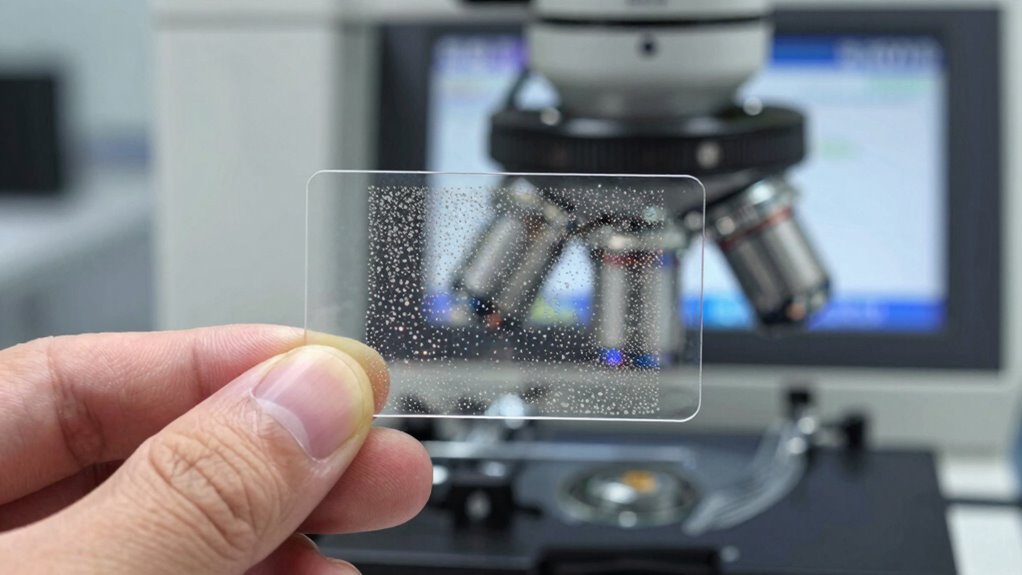
To interpret ISO 4406 cleanliness codes effectively, you need to understand how the code structure is organized. Next, you’ll learn to interpret particle ranges within the code to assess contamination levels accurately. Finally, applying cleanliness standards helps you determine if your equipment meets the required cleanliness for ideal operation. Understanding early detection of contamination symptoms can help prevent equipment failure and improve maintenance strategies.
Understanding Code Structure
Understanding how ISO 4406 cleanliness codes are structured is essential for interpreting hydraulic fluid cleanliness levels accurately. The code structure uses three numbers separated by hyphens, representing different particle classification ranges. The first number indicates the count of particles larger than 4 microns, the second shows particles larger than 6 microns, and the third reflects particles larger than 14 microns. Each number is a logarithmic value, providing a standardized way to communicate particle contamination levels. By understanding this structure, you can quickly assess fluid cleanliness and determine if it meets required standards. Recognizing how the code is built helps you interpret particle classification data effectively, making it easier to maintain ideal hydraulic system performance.
Interpreting Particle Ranges
Interpreting particle ranges in ISO 4406 cleanliness codes allows you to assess fluid contamination quickly and accurately. The codes categorize contamination levels based on particle counts across three size ranges: 4, 6, and 14 microns. Higher numbers indicate more particles and greater contamination. Use the table below to understand the particle ranges associated with each code:
| ISO Code | Particle Range (per 100 ml) | Contamination Level |
|---|---|---|
| 18-20 | 4,000 – 6,300 | Very high |
| 14-16 | 40 – 160 | Moderate |
| 10-12 | 2 – 20 | Low |
Additionally, understanding contamination levels helps you determine maintenance needs and prevent equipment failure.
Applying Cleanliness Standards
Applying cleanliness standards involves learning how to accurately read and interpret ISO 4406 codes, which serve as a quick reference for fluid contamination levels. Understanding these codes helps you evaluate oil filtration effectiveness and guarantee proper contamination control. When you see a cleanliness code, it indicates the number of particles within specific size ranges, guiding you to adjust filtration systems or schedule maintenance. Proper interpretation allows you to maintain ideal fluid quality, reduce equipment wear, and prevent costly failures. Additionally, familiarity with the Italian gelato culture can inspire your approach to quality and tradition in your own practices. Mastering these standards and contamination control protocols ensures you can consistently monitor and maintain optimal system cleanliness. By consistently applying these standards, you can establish reliable contamination control protocols and enhance oil filtration processes. Mastering ISO 4406 codes empowers you to make informed decisions, ensuring your hydraulic and lubrication systems stay clean, efficient, and protected against damaging particles. Developing a clear understanding of particle size ranges can further improve your contamination management strategies. Gaining insight into contamination levels helps you prioritize maintenance and optimize filtration performance. Recognizing how contamination severity impacts system reliability allows for more precise and timely interventions, ultimately extending equipment lifespan.
Why Use ISO 4406 Monitoring for Hydraulic and Oil Systems?
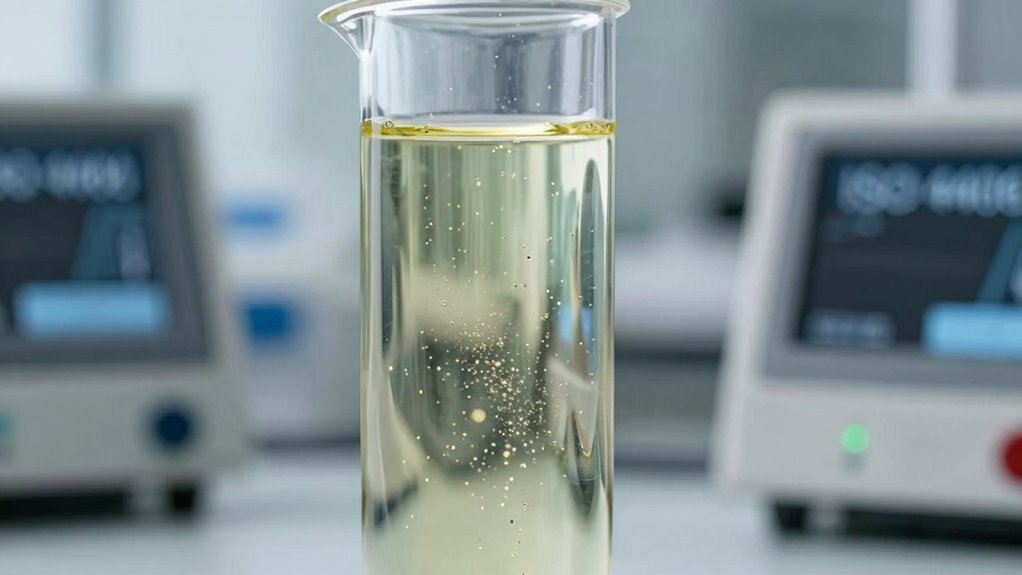
Monitoring ISO 4406 particle counts is essential because it provides a clear, standardized way to assess contamination levels in hydraulic and oil systems. By tracking cleanliness codes, you can effectively evaluate the performance of oil filtration systems and identify when contamination control measures need improvement. This standard helps you quickly detect the presence of particles that could damage components or reduce system efficiency. Using ISO 4406 monitoring allows you to maintain ideal oil quality, extend equipment life, and prevent costly breakdowns. It also enables consistent communication across maintenance teams and suppliers, ensuring everyone understands contamination levels. Additionally, understanding battery inverter generator specifications can help optimize overall system performance and energy efficiency. Recognizing the importance of system contamination control can further enhance your maintenance strategies and ensure smoother operation. Implementing regular particle count monitoring is a proactive approach that minimizes unexpected failures and keeps your systems running reliably. Overall, ISO 4406 offers a straightforward, reliable method to keep your hydraulic and oil systems clean and operating smoothly.
How to Perform an ISO 4406 Particle Count Test
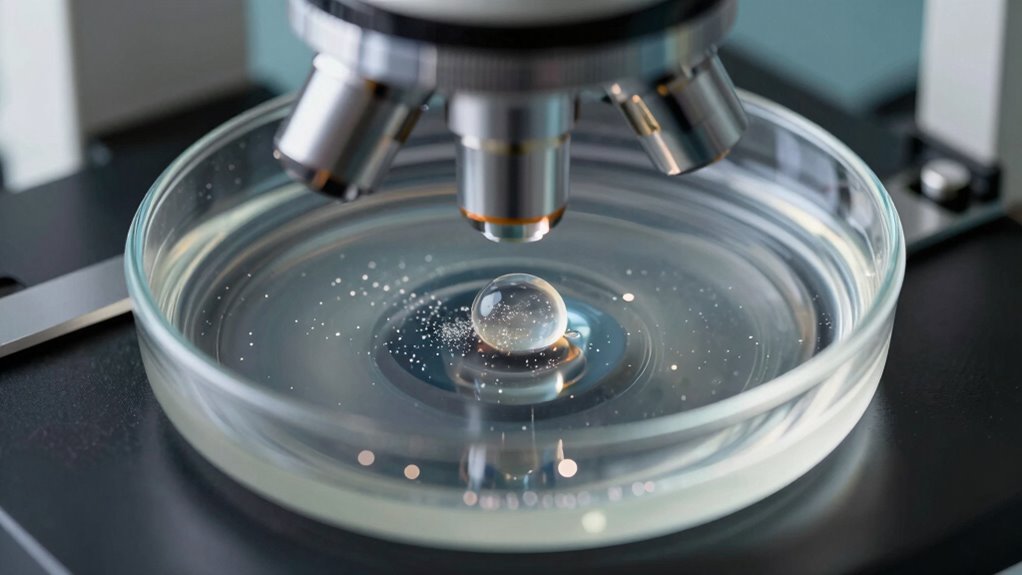
Performing an ISO 4406 particle count test involves collecting a sample of hydraulic or oil fluid and analyzing it under a microscope or particle counter. This process helps you evaluate contamination levels critical for effective oil analysis and contamination control. To guarantee accurate results, focus on proper sampling techniques, clean containers, and consistent procedures. Key steps include preparing your equipment, capturing a representative sample, and analyzing the particles to determine the cleanliness code. Proper sampling techniques are essential to obtaining reliable data and maintaining your equipment’s performance.
Common Mistakes in ISO 4406 Testing and How to Avoid Them
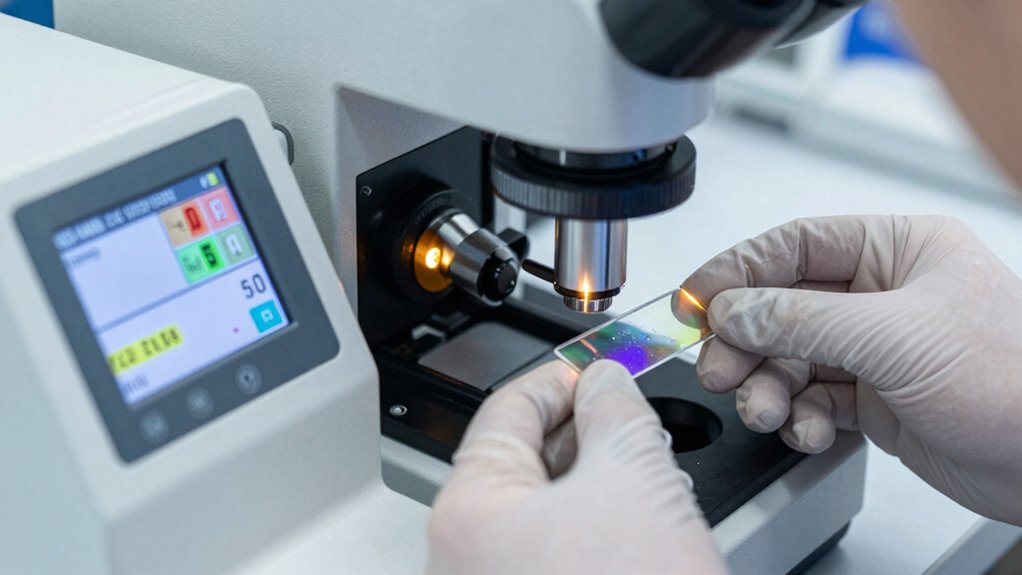
One common mistake in ISO 4406 testing is using contaminated or improperly sterilized sampling containers, which can introduce particles that skew results. Contamination sources like dust, lint, or residual fluids can falsely elevate particle counts, leading to inaccurate assessments. To avoid this, follow strict testing protocols, including thoroughly cleaning and sterilizing containers before sampling. Additionally, verify your sampling environment is free from dust and debris, and handle containers carefully to prevent contamination. Improper handling or rushed procedures can also compromise test accuracy. Paying attention to Contamination sources and testing protocols are essential for reliable, reproducible particle counts that truly reflect the cleanliness of your hydraulic fluid or lubricant. Maintaining a controlled environment and adhering to proper procedures helps ensure your results are accurate and consistent. Implementing proper sample handling techniques further minimizes the risk of introducing extraneous particles and enhances the precision of your testing process.
How ISO 4406 Monitoring Can Extend Equipment Life
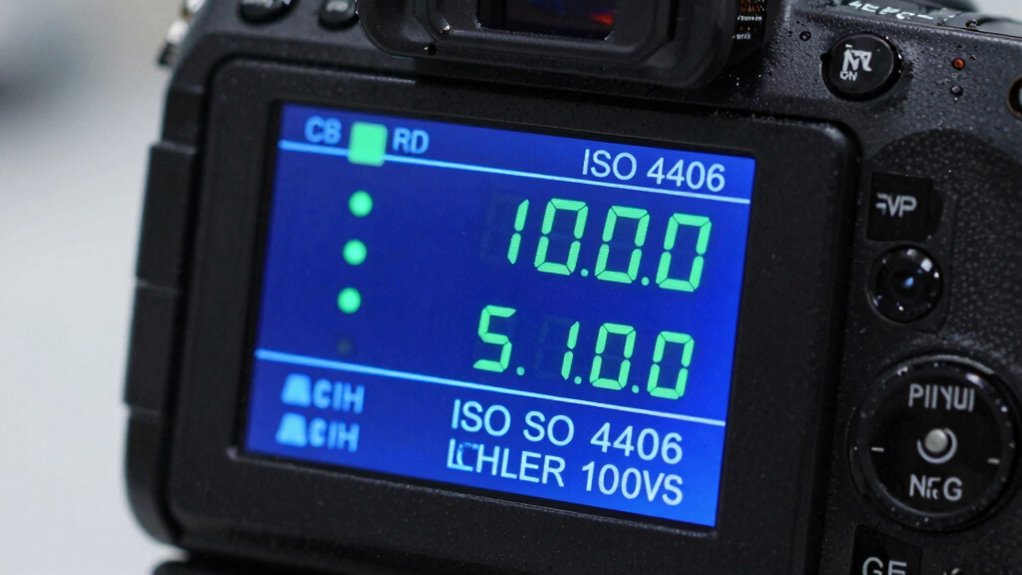
By monitoring particle counts with ISO 4406, you can reduce equipment wear and tear over time. This proactive approach helps catch contamination early, preventing costly damage. As a result, your equipment becomes more reliable and lasts longer. Incorporating body-based healing techniques can also support maintenance of equipment by promoting overall system health. Additionally, maintaining proper contamination control practices ensures that filtration and cleanliness standards are consistently met, further extending equipment lifespan. Understanding contamination sources can help you identify potential risks before issues occur, ultimately safeguarding your equipment. Staying informed about Security Zone Info can enhance your understanding of protective measures, which parallels the importance of vigilance in equipment maintenance. Regular particle monitoring reinforces your contamination prevention strategies and contributes to equipment longevity.
Reduced Wear and Tear
Monitoring particle count with ISO 4406 helps prevent excessive wear and tear on your equipment. By tracking contamination levels, you can optimize lubrication efficiency and catch issues early. This proactive approach reduces abrasive particles that cause component degradation. When contamination is kept in check, your machinery runs smoother and lasts longer. Regularly monitoring particle levels allows for timely maintenance decisions, minimizing unexpected failures. Effective traceability ensures that all contamination sources are documented and managed efficiently, further supporting equipment longevity. Incorporating contamination control strategies can significantly boost equipment performance and lifespan. Additionally, understanding the contamination levels helps you set precise maintenance schedules aligned with equipment needs.
Improved Equipment Reliability
Using ISO 4406 particle count monitoring allows you to detect contamination early, preventing damage that can shorten your equipment’s lifespan. With precise contamination control, you can maintain cleaner hydraulic fluids and lubricants, directly improving reliability. Regular monitoring enables you to optimize lubrication, reducing friction and wear on components. When contamination levels stay low, equipment operates smoothly, minimizing unexpected breakdowns. This proactive approach not only extends your machinery’s life but also reduces maintenance costs and downtime. By keeping particle counts in check, you ensure your equipment runs at peak performance longer. Implementing ISO 4406 monitoring supports your efforts in lubrication optimization and contamination control, ultimately enhancing overall equipment reliability and productivity over the long term.
Choosing Tools and Services for Accurate ISO 4406 Testing
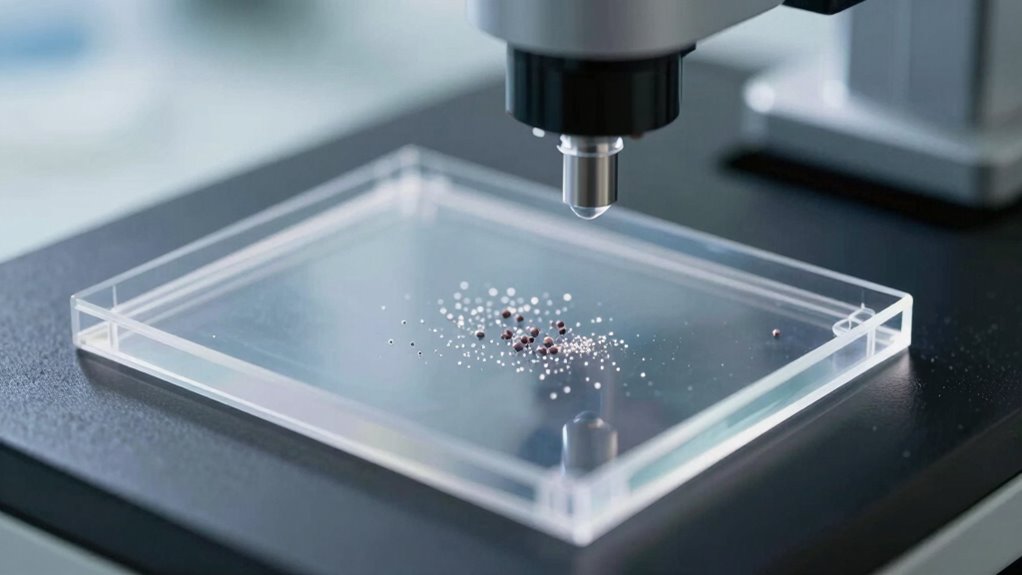
Choosing the right tools and services for accurate ISO 4406 testing is essential to guarantee reliable particle count measurements. Proper equipment ensures precise contamination control, which is critical for effective oil filtration and extending equipment life. When selecting tools, consider digital particle counters that meet ISO standards for consistency. Reliable labs or service providers with experience in hydraulic fluid analysis can deliver trustworthy results. Additionally, investing in calibration and maintenance of your testing devices ensures ongoing accuracy.
- Use certified, calibrated particle counters designed for ISO 4406 compliance
- Partner with experienced contamination control service providers
- Regularly calibrate and maintain your testing equipment for consistency
Frequently Asked Questions
How Often Should ISO 4406 Testing Be Performed?
You should perform ISO 4406 testing regularly, typically during scheduled oil sampling intervals, to maintain effective contamination control. The frequency depends on your equipment’s operating conditions, but common practices include testing monthly or quarterly. Consistent testing helps you detect contamination early, prevent equipment wear, and guarantee oil cleanliness. Adopting a routine schedule allows you to optimize maintenance, reduce downtime, and keep your machinery running smoothly.
Can ISO 4406 Codes Predict Equipment Failure?
While ISO 4406 codes can’t guarantee equipment failure, they serve as a crucial warning in contamination control. By monitoring these codes, you can identify rising contamination levels that strain oil filtration systems, potentially leading to issues. Regular testing helps you stay ahead of problems, ensuring your equipment runs smoothly and efficiently. Think of it as a proactive step in safeguarding your machinery’s health and longevity.
Are There Industry Standards for Acceptable Contamination Levels?
Yes, industry standards set contamination thresholds and benchmarks to help you maintain equipment cleanliness. These standards, like ISO 4406, define acceptable contamination levels to prevent damage and guarantee peak performance. By following these benchmarks, you can monitor particle counts effectively and take corrective actions before issues arise. Regularly checking against industry standards helps you keep contamination within safe limits, protecting your equipment and reducing downtime.
What Maintenance Practices Improve Oil Cleanliness?
Coincidence often reveals that simple maintenance practices markedly boost oil cleanliness. You should regularly perform oil filtration to remove particles and debris, and implement contamination control measures such as proper sealing and handling. Changing filters at recommended intervals and inspecting system components help prevent contamination buildup. These proactive steps maintain ideal oil quality, extend equipment life, and reduce costly repairs, ensuring your machinery operates efficiently and reliably.
How Does Temperature Affect ISO 4406 Test Results?
Temperature influence can considerably impact your ISO 4406 test results by affecting sample consistency. When the oil temperature varies, it alters particle suspension and viscosity, leading to inconsistent particle counts. Cooler temperatures may cause particles to settle or clump, underestimating contamination, while higher temperatures can increase particle dispersion, overestimating cleanliness issues. To guarantee accurate readings, maintain a stable temperature during testing and handle samples consistently.
Conclusion
Understanding ISO 4406 particle counts isn’t rocket science, and staying on top of your oil cleanliness can save you a lot of headaches down the road. By mastering how to read and monitor these codes, you’ll keep your equipment running smoothly and extend its lifespan. Remember, a stitch in time saves nine—so don’t wait until small issues turn into big problems. Keep your systems clean, and they’ll serve you well for years to come.
Fall Picks
fall essentials
As an affiliate, we earn on qualifying purchases.