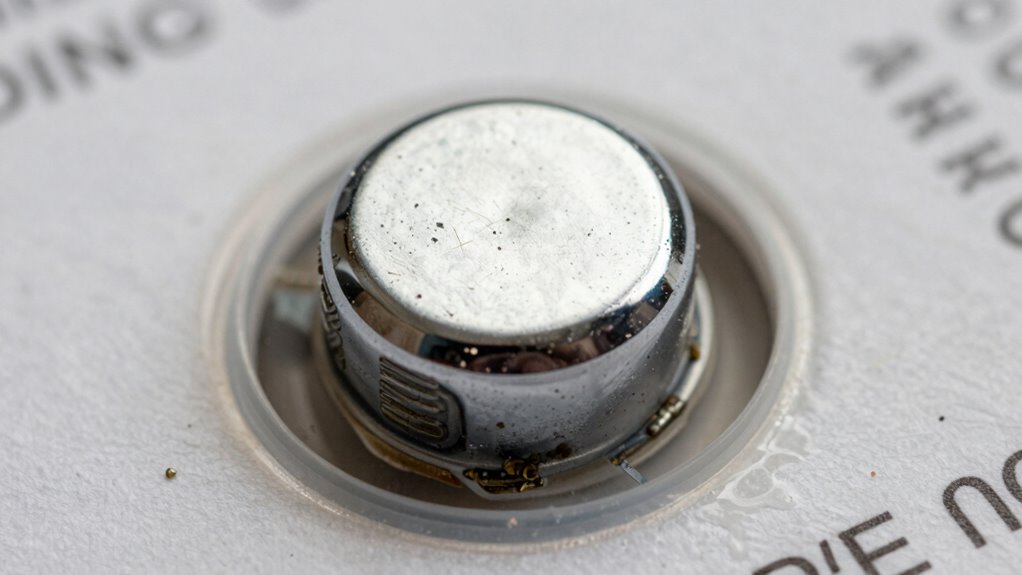

Drain plug magnets in manuals can help you spot metal shavings from normal wear or bigger issues, giving clues about transmission health. They trap ferrous debris but can’t detect non-magnetic particles or internal problems hidden inside non-magnetic components. It’s important to interpret debris trends carefully—small amounts are often normal, but sudden increases or jagged shavings can signal trouble. Keep exploring to discover more about what these magnets can and can’t reveal.
Key Takeaways
- Drain plug magnets capture ferrous metal shavings, indicating wear but not revealing non-magnetic debris or internal issues.
- They help monitor transmission health by showing wear patterns, but cannot diagnose specific internal component problems.
- Magnetic particles reflect normal or abnormal wear; large or jagged shavings may signal early transmission issues.
- Magnet data should be interpreted alongside other indicators like fluid condition and vehicle performance for accurate assessment.
- Regular inspection of magnets and combining findings with comprehensive diagnostics ensures proper transmission maintenance.

DEEFILL M16*1.5 Stainless Steel Manual Transmission Drain Plug w/Magnet Fit for Select 85-23 Hyundai 03-24 Kia, Models, Engine Oil Drain Plug Fit for Subaru BRZ WRX Forester Legacy, Mini John Deere
PROTECT YOUR VEHICLE – 5000 Gauss magnet offers exceptional adsorption capabilities and effectively attracts and removes metal debris…
As an affiliate, we earn on qualifying purchases.
As an affiliate, we earn on qualifying purchases.
What Are Drain Plug Magnets and How Do They Help in Manual Transmissions?
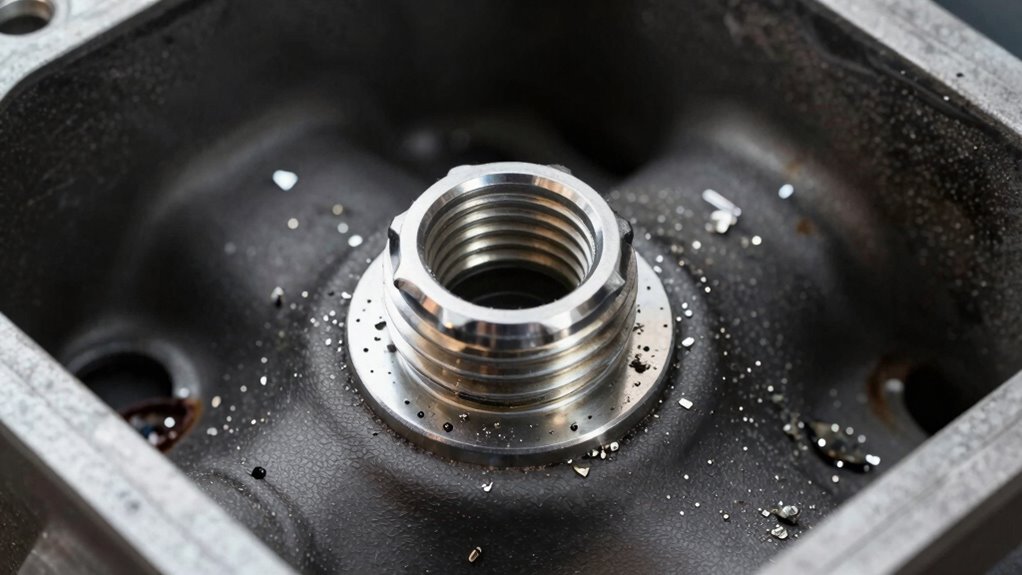
Drain plug magnets are small, specially designed metal pieces placed on the drain plug of a manual transmission. They work through magnetic filtration, attracting and capturing metal shavings and debris that accumulate over time. This prevents metal particles from circulating within the transmission fluid, helping reduce oil degradation. By catching these particles early, drain plug magnets help maintain ideal lubrication and protect transmission components from wear and damage. Their presence allows you to monitor the amount of debris collected, giving insight into the health of your transmission. Regular inspection and cleaning of these magnets can extend the lifespan of your transmission fluid and components. Additionally, understanding transmission health can help you identify early signs of potential issues. Proper maintenance practices, including the use of drain plug magnets, are essential for transmission longevity and optimal performance. For instance, monitoring the debris collected can indicate early warning signs of transmission problems. Overall, drain plug magnets serve as a simple yet effective tool for maintaining transmission cleanliness and performance.

A-qrenium 17892 Transmission Drain Pan with 2 Pcs 22'' Oil Drain Splash Pad, Universal Fluid Drain Funnel Compatible with 87031, 87032 Large Capacity for Oil, Coolant & Transmission Fluid Changes
Prevents Messy Splashes: Includes Two 22-inch oil drain splash pads designed to effectively contain fluid splatter during draining….
As an affiliate, we earn on qualifying purchases.
As an affiliate, we earn on qualifying purchases.
What Types of Metal Shavings Do Drain Plug Magnets Usually Catch? And What Do They Indicate?

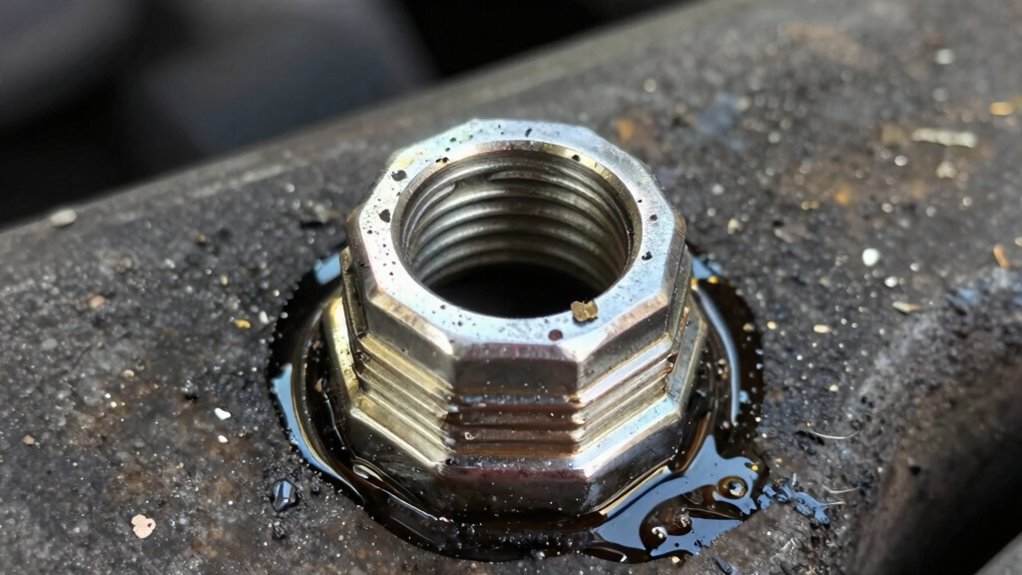
Metal shavings caught on drain plug magnets typically include tiny steel or iron particles that come from normal wear and tear within your transmission. These metal shavings are magnetic particles that naturally break off from gears, bearings, and other metal components. Usually, you’ll find small, fine particles, which are a sign of normal activity. However, larger or more jagged metal shavings could indicate increased wear or impending failure. If you notice a sudden surge of metal shavings after changing your transmission fluid, it might suggest components are wearing faster than usual. While some metal shavings are normal, paying attention to their size, amount, and type can help you identify early signs of trouble and prevent costly repairs. Regular inspection and understanding metal particle analysis can also help in diagnosing issues early. Being aware of wear patterns and how they evolve over time can further aid in predictive maintenance, allowing you to address potential problems before they escalate. Recognizing the types of metal involved can also provide clues about which components might be affected.

VOTEX – Made in USA – Stainless Steel (External Head) Automatic Transmission Neodymium Magnetic Oil Drain Plug fits Buick/Cadillac/Chevrolet/GMC/Hummer/Pontiac – Part Number 8654382/444613
EASY TO INSTALL – Simple installation with a 7/16" wrench. The magnet is easy to clean; simply wipe…
As an affiliate, we earn on qualifying purchases.
As an affiliate, we earn on qualifying purchases.
What Are the Limits of Using Drain Plug Magnets to Check Transmission Health?
While drain plug magnets can reveal useful information about your transmission’s condition, they have notable limitations. They are not thorough tools for evaluating overall health. Relying solely on magnetic field strength or wear particle analysis can be misleading because:
Drain plug magnets offer limited insight; always complement with comprehensive diagnostics.
- Small metal particles might not indicate serious wear.
- Not all metal debris is captured by the magnet.
- They can’t detect issues inside non-magnetic components.
- Wear particle analysis requires more detailed testing for accuracy.
- Magnetic particle capture is limited to ferrous particles only, so non-magnetic debris can go unnoticed.
- Dream symbolism suggests that relying only on surface clues can overlook deeper issues.
- Understanding transmission diagnostics involves multiple testing methods to accurately assess component health.
- Recognizing the limitations of magnetic analysis is essential to avoid false assumptions about transmission condition.
- Incorporating comprehensive diagnostic techniques ensures a more accurate assessment of transmission health.
Magnet data can show early signs of wear but won’t provide a complete picture of transmission health. Use them as an initial indicator, not a definitive diagnosis. Always combine magnet readings with other diagnostic methods for a full evaluation.

HORUSDY 4PCS Telescoping Magnetic Pick Up Tool Kit, Magnetic Sweepers Set with 360° Inspection Mirror, 2 Telescoping Magnetic Pickup Tools (5–25.6/6.9–29.5 in) & 24 in Flexible Claw Grabber
4-IN-1 MAGNETIC SWEEPERS KIT : Includes telescoping inspection mirror (9.4–37.4 in), telescoping magnetic pickup tool (5–25.6 & 6.9–29.5…
As an affiliate, we earn on qualifying purchases.
As an affiliate, we earn on qualifying purchases.
How Can You Interpret Magnet Data Without Overreacting?
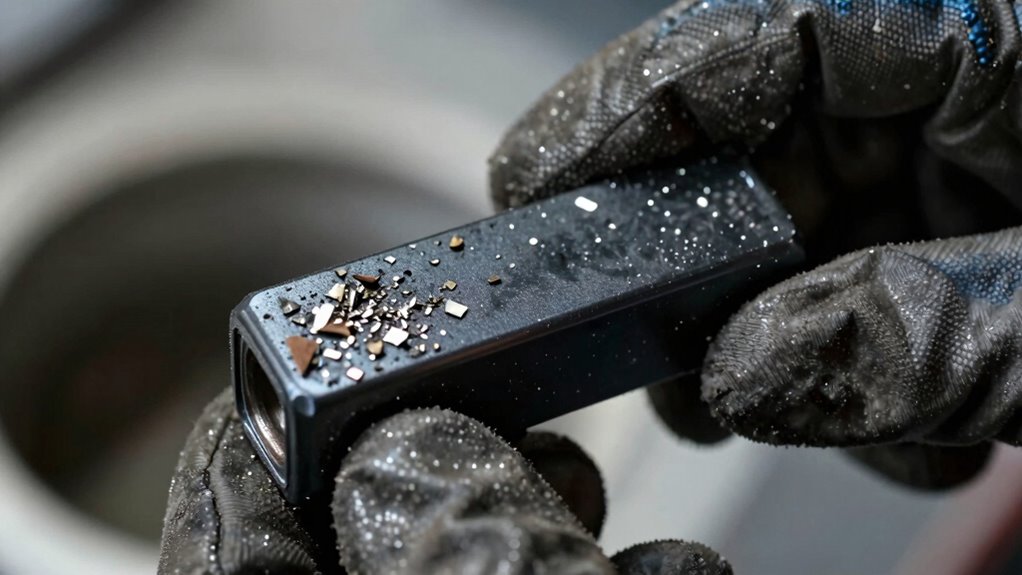
Interpreting magnet data requires a balanced approach to avoid unnecessary concern. When you examine the magnet, don’t jump to conclusions based solely on the amount of debris or metal particles. Remember, some metal can be normal wear and tear, not necessarily a sign of imminent failure. Focus on trends over time rather than isolated readings. If you notice an increase in particles, consider the context—driving conditions, recent maintenance, or parts replacement. Avoid overreaction risks by combining magnet data with other signs of engine health, like fluid analysis or performance issues. Staying aware of wear patterns helps prevent unnecessary repairs or worry. Recognizing Free Floating conditions can also influence how you interpret debris, as some particles may originate from normal operation rather than damage. Being aware of metal particle size distribution can aid in distinguishing between harmless debris and potential problems. Regular inspections and understanding engine component behavior can further improve your assessment accuracy. Additionally, understanding magnet attractivity can provide insights into the severity of wear occurring inside the engine.
What Other Signs and Maintenance Tips Should You Follow Alongside Magnet Checks?
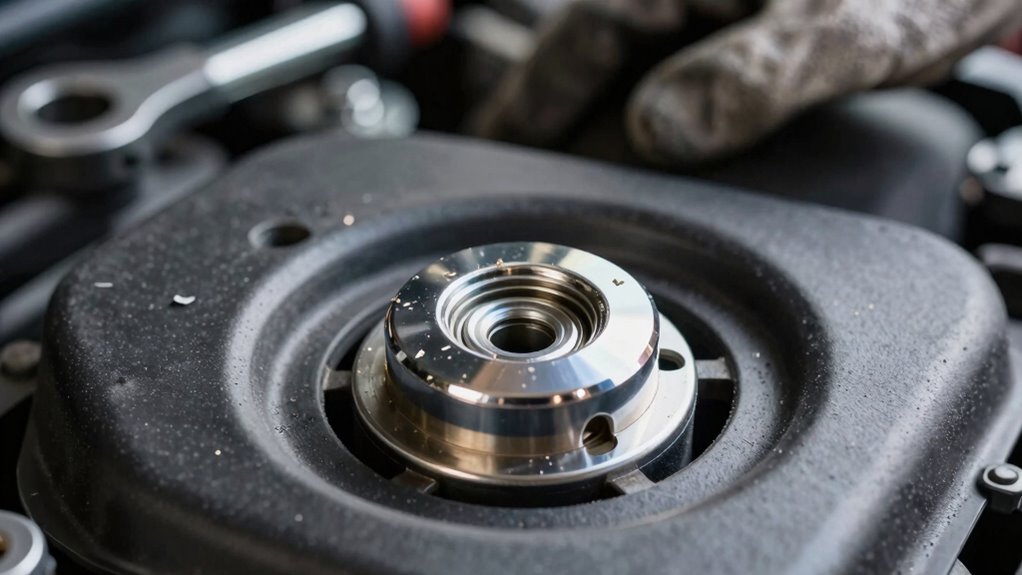
To get a thorough view of your engine’s health, you should look beyond magnet checks and pay attention to other signs of potential issues. Regularly monitor fluid levels; low or dirty oil can indicate problems. Keep an eye on tire pressure, as underinflated tires can affect vehicle performance and safety. Listen for unusual noises or vibrations while driving, which may signal wear or damage. Observe for warning lights on your dashboard—ignoring them can lead to bigger issues. Additionally, inspect for leaks, unusual exhaust smoke, or a decrease in fuel efficiency. Engine diagnostics can provide additional insights into engine performance and potential problems. Incorporating AI-driven diagnostics can further enhance your ability to detect early engine problems. Understanding sensor data and how it correlates with engine health allows for more accurate maintenance decisions. Regularly reviewing maintenance schedules ensures that all critical components are checked before issues escalate. Utilizing diagnostic tools helps identify hidden issues that may not be immediately apparent. Combining magnet checks with these maintenance tips helps you catch problems early and maintain your vehicle’s longevity. Stay proactive and attentive to these signs for smoother, safer driving.
Frequently Asked Questions
Can Drain Plug Magnets Detect Early Transmission Issues Before Symptoms Appear?
Drain plug magnets can provide an early warning of transmission issues through magnetic inspection, but they can’t detect all problems before symptoms appear. As you perform routine checks, the magnets collect metal debris that indicates wear or damage. While this helps you catch potential problems early, it’s essential to combine magnetic inspection with other diagnostics for a thorough understanding of your transmission’s health.
Are There Specific Types of Metal Shavings That Indicate Severe Damage?
Think of metal shavings as the trail of breadcrumbs leading to trouble. Sharp, coarse, or irregular-shaped shavings often signal severe damage, acting as severity indicators for your transmission. Fine, uniform shavings might just be normal wear. If you notice thick, jagged metal bits, it’s time to act fast—these signs point to serious internal issues that need professional attention before they escalate into costly repairs.
How Often Should Drain Plug Magnets Be Inspected for Optimal Maintenance?
You should inspect your drain plug magnets every 3,000 to 5,000 miles or during regular oil changes. This guarantees you monitor the magnet material’s effectiveness and catch metal shavings early. Regular inspection intervals help prevent engine damage, as the magnet collects ferrous debris. If you notice an increase in metal shavings, consider more frequent checks. Proper maintenance keeps your engine running smoothly and extends its lifespan.
Do Different Manual Transmission Models Use Magnets Differently?
You might be surprised to discover that different manual transmission models use magnets differently. Some rely on strong magnets embedded in unique plug designs to catch metallic debris, while others use weaker magnets or different placements. The magnet strength and plug design vary, affecting how well they attract particles. Always check your vehicle’s manual to understand the specific magnet system, ensuring you maintain ideal transmission health and catch issues early.
Can Magnetic Particles Be Safely Cleaned From the Drain Plug Without Replacing It?
Yes, you can safely clean magnetic particles from the drain plug magnet without replacing it. Use magnetic particle cleaning methods, like removing the magnet and wiping it with a cloth or using a gentle brush to eliminate debris. Regular drain plug magnet maintenance helps prevent buildup and keeps your transmission running smoothly. Just make sure you handle the magnet carefully to avoid damage, and re-install it securely afterward.
Conclusion
Don’t underestimate the power of drain plug magnets—they’re like tiny detectives hunting down metal shavings that could lead to disaster. While they won’t reveal everything, ignoring them means risking a silent, creeping catastrophe in your transmission. Keep a close eye, interpret the signs wisely, and stay proactive. With these magnets, you hold a secret weapon—use it wisely before tiny metal bits turn into a full-blown transmission nightmare!