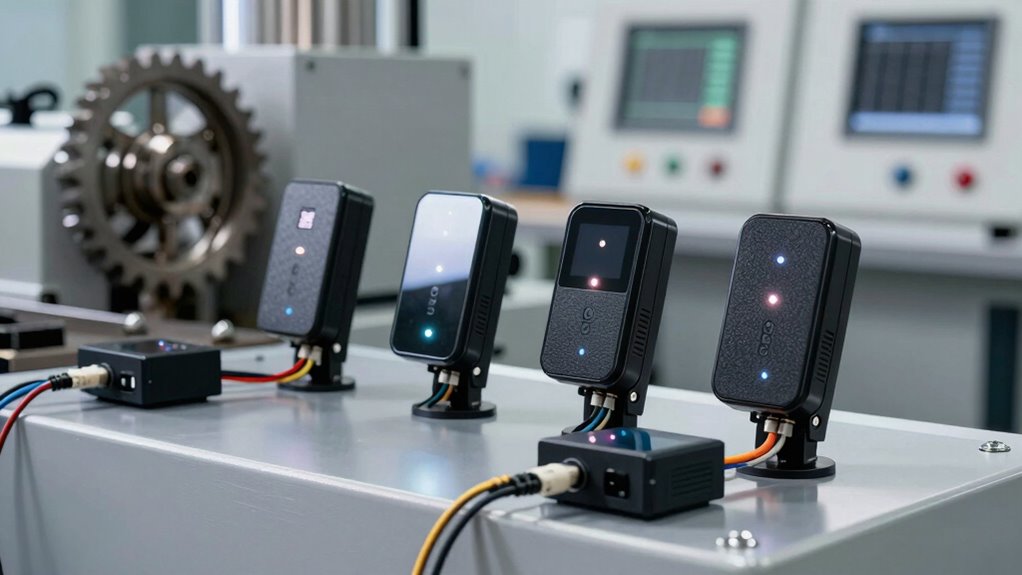

Choosing the right wireless vibration sensor kit for machinery depends heavily on your specific application, environment, and technical expertise. For those seeking a versatile, easy-to-integrate option, the ThirdReality Zigbee Vibration Sensor 3 Pack offers strong compatibility with popular smart home hubs and adjustable sensitivity, but requires a Zigbee hub and might be overly loud for some environments. If real-time data and portability are priorities, the WTVB01-BT50 Bluetooth Module excels with its 3-axis sensing and app-based analysis, though its limited battery life and setup complexity can be drawbacks. For long-range monitoring of larger areas or equipment, the YoLink LoRa Sensor & Hub Kit supports up to a quarter mile, but depends on stable WiFi and additional accessories. The WiFi Vibration Sensor is ideal for remote home or equipment monitoring via app notifications, offering high sensitivity and easy app integration, but it relies on WiFi and battery life. Lastly, the ThirdReality Zigbee Sensor with Alarm balances automation and security with a loud siren and long-lasting batteries, yet it needs a Zigbee hub and is limited to vibration detection. Your choice hinges on your connectivity preferences, environment, and whether you prioritize ease of use or advanced features.

Get business pricing on garage and car supplies
- Business-only prices and quantity discounts
- Tax-exempt purchasing
- Multiple users, one account, clear invoices
Complete the kit


Key Takeaways
- Compatibility with existing smart home hubs can simplify installation and integration.
- Battery life and power options vary significantly, influencing maintenance frequency.
- Range and environmental suitability differ, with LoRa offering long-distance coverage.
- Sensor sensitivity and alert volume are adjustable but may require fine-tuning for optimal performance.
- Tradeoffs include setup complexity, device ecosystem requirements, and feature limitations.
| ThirdReality Zigbee Vibration Sensor 3 Pack with 110dB Alarm, Compatible with SmartThings, Home Assistant, Echo Devices |  | Best for Versatile Smart Home Integration | Compatibility: Zigbee 3.0, SmartThings, Home Assistant, Echo, Hubitat | Sensitivity: Four adjustable levels | Alarm Volume: 110dB | VIEW ON AMAZON | See Our Full Breakdown |
| WTVB01-BT50 Smart Vibration Module – 3-Axis Wireless Vibration and Temperature Sensor for Arduino | 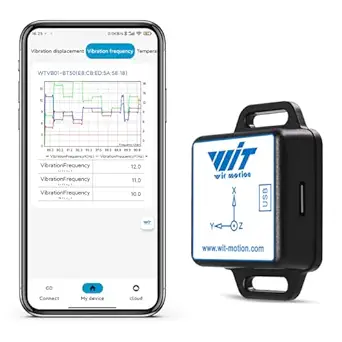 | Best for Technical Users and Data Analysis | Vibration Range: 0~30000um | Speed: 0~50mm/s | Temperature Range: -20°C~60°C | VIEW ON AMAZON | See Our Full Breakdown |
| YoLink LoRa Smart Vibration Sensor & Hub Starter Kit |  | Best for Long-Range, Industrial Monitoring | Range: 1/4 mile (open air) | Batteries: 2 AAA (included) | Connectivity: LoRa wireless | VIEW ON AMAZON | See Our Full Breakdown |
| WiFi Vibration Sensor with App Notifications for Home Security |  | Best for Remote Home or Equipment Monitoring | Connectivity: WiFi | App Compatibility: Tuya Smart, Smart Life | Sensitivity: Adjustable | VIEW ON AMAZON | See Our Full Breakdown |
| ThirdReality Smart Vibration Sensor with 110dB Alarm, Zigbee Hub Required, Adjustable Sensitivity, Compatible with SmartThings, Home Assistant, Echo Devices |  | Best for Seamless Zigbee Integration with Long Battery Life | Compatibility: Zigbee 3.0, SmartThings, Home Assistant, Echo | Sensitivity Levels: 4 adjustable | Alarm Volume: 110dB | VIEW ON AMAZON | See Our Full Breakdown |
| wireless vibration sensor kit for machinery | Compatibility | Batteries | Battery Life |
|---|---|---|---|
| ThirdReality Zigbee Vibration | Zigbee 3.0, SmartThings, Home Assistant, Echo, Hubitat | Not specified | Not specified |
| WTVB01-BT50 Smart Vibration Mo | — | — | 8 hours |
| YoLink LoRa Smart Vibration Se | Android/iOS, WiFi | 2 AAA (included) | — |
| WiFi Vibration Sensor with App | — | — | — |
| ThirdReality Smart Vibration S | Zigbee 3.0, SmartThings, Home Assistant, Echo | 2 AAA | Approximately 1 year |
More Details on Our Top Picks
ThirdReality Zigbee Vibration Sensor 3 Pack with 110dB Alarm, Compatible with SmartThings, Home Assistant, Echo Devices
This set stands out for its compatibility with a broad range of Zigbee platforms, making it an excellent choice for users who want to incorporate vibration detection into a larger smart home system. The adjustable sensitivity allows for tailoring the response to different objects, whether doors, drawers, or machinery. The 110dB siren provides a strong alert, but could be disruptive in noise-sensitive environments. Compared with other options, its reliance on a Zigbee hub means extra setup and compatibility considerations. Still, for those already invested in Zigbee ecosystems, this sensor offers seamless integration and long-term reliability.
Pros:- Easy to integrate with multiple Zigbee hubs
- Adjustable sensitivity for different applications
- Loud 110dB siren for effective alerts
- Versatile for monitoring various objects
Cons:- Requires a Zigbee hub for operation
- Physical switches may be less precise than digital controls
- Alarm volume might be too loud for some settings
Best for: Homeowners or facility managers seeking multi-object monitoring within Zigbee-compatible smart home systems
Not ideal for: Users without a Zigbee hub or those needing standalone, app-based alerts
- Compatibility:Zigbee 3.0, SmartThings, Home Assistant, Echo, Hubitat
- Sensitivity:Four adjustable levels
- Alarm Volume:110dB
- Included:3 sensors
- Batteries:Not specified
- Battery Life:Not specified
Our verdict“A flexible, reliable choice for Zigbee users wanting multi-object vibration monitoring with strong alerts.”
WTVB01-BT50 Smart Vibration Module – 3-Axis Wireless Vibration and Temperature Sensor for Arduino
This compact Bluetooth sensor excels in capturing precise 3-axis vibration and temperature data, making it ideal for detailed machinery condition monitoring. Its portability means you can attach it to hard-to-access parts without extensive wiring. The real-time data analysis via smartphone or PC software is a major advantage, especially for users comfortable with technical setup. However, its limited battery life of around 8 hours means frequent recharges or replacements, and setup can be complex for those unfamiliar with Arduino or Bluetooth configurations. Compared to other options, it offers detailed insights but at the cost of ongoing maintenance and setup effort.
Pros:- Wireless, portable design for hard-to-access parts
- Real-time 3-axis vibration and temperature data
- Compatible with Android and iOS
- Supports PC software analysis
Cons:- Limited battery life (~8 hours)
- Requires smartphone or PC for data review
- Setup can be complex for non-technical users
Best for: Technical professionals or hobbyists needing detailed vibration data on machinery
Not ideal for: Users seeking long-term, maintenance-free solutions or non-technical users
- Vibration Range:0~30000um
- Speed:0~50mm/s
- Temperature Range:-20°C~60°C
- Wireless Tech:Bluetooth 5.0
- Battery Life:8 hours
- Weight:2.11 ounces
Our verdict“A precise, data-rich sensor best suited for technical users who can manage its setup and charging needs.”
YoLink LoRa Smart Vibration Sensor & Hub Starter Kit
This kit stands out for its impressive 1/4 mile open-air range, making it ideal for monitoring large machinery yards or industrial setups. The LoRa technology supports device pairing without relying on WiFi or power sources, providing a flexible, low-maintenance option for remote areas. While the long-range is a major advantage, it does mean additional setup with a compatible smartphone app and stable WiFi connection for initial pairing. The need for other accessories and limited frequency band (2.4 GHz WiFi) could be limitations depending on your environment. Overall, this kit suits applications where long-distance coverage outweighs the need for detailed real-time data.
Pros:- Long-range wireless connectivity up to 1/4 mile
- Supports device pairing without mains power
- Includes batteries, supports many devices
Cons:- Requires stable WiFi and compatible smartphone app
- Additional accessories sold separately
- Limited to 2.4 GHz WiFi band
Best for: Industrial sites or large facilities needing remote, long-range vibration monitoring
Not ideal for: Small-scale or indoor setups lacking LoRa infrastructure
- Range:1/4 mile (open air)
- Batteries:2 AAA (included)
- Connectivity:LoRa wireless
- Compatibility:Android/iOS, WiFi
- Supports:300+ devices
Our verdict“An excellent choice for remote, large-area machinery monitoring where long-distance coverage is critical.”
WiFi Vibration Sensor with App Notifications for Home Security
This WiFi sensor is tailored for remote alerts via the Tuya Smart App, making it suitable for monitoring windows, equipment, or doors. Its high sensitivity and adjustable settings help tailor detection to specific needs, while app notifications provide instant updates wherever you are. The reliance on WiFi and battery life can be limiting—continuous operation depends on a stable connection and power management. Compared with dedicated industrial sensors, this model is more consumer-focused, ideal for home or light equipment use rather than heavy-duty machinery environments.
Pros:- Real-time app notifications
- High sensitivity and adjustable settings
- Low power consumption for extended battery life
- Simple app integration
Cons:- Dependent on WiFi stability
- Battery life may require regular maintenance
- Limited to WiFi networks
Best for: Homeowners or small business owners needing remote alerts via WiFi
Not ideal for: Industrial environments or areas with unreliable WiFi
- Connectivity:WiFi
- App Compatibility:Tuya Smart, Smart Life
- Sensitivity:Adjustable
- Power:Low power, long battery
- Application:Windows, doors, equipment
Our verdict“A user-friendly, app-based vibration sensor suitable for remote home or light equipment monitoring where WiFi is reliable.”
ThirdReality Smart Vibration Sensor with 110dB Alarm, Zigbee Hub Required, Adjustable Sensitivity, Compatible with SmartThings, Home Assistant, Echo Devices
This sensor combines a loud 110dB siren with adjustable sensitivity, making it suitable for various vibration detection needs around the home or facility. Its seamless Zigbee integration with platforms like SmartThings and Home Assistant simplifies smart automation, while its long battery life—around a year—reduces maintenance. Compared to other Zigbee options, it offers a good balance of alert volume, ease of use, and longevity, but it does require a Zigbee hub and may be less flexible if you prefer app-only monitoring. Its focus on vibration detection makes it a solid choice for security applications involving physical shocks or tampering.
Pros:- Seamless Zigbee integration
- Adjustable sensitivity
- Long-lasting batteries (~1 year)
- Built-in loud siren
Cons:- Requires Zigbee hub
- Physical mute switch might be inconvenient
- Limited to vibration detection
Best for: Users seeking Zigbee-compatible vibration detection with long battery life and integrated alarms
Not ideal for: Those without a Zigbee hub or needing multi-modal sensors beyond vibration
- Compatibility:Zigbee 3.0, SmartThings, Home Assistant, Echo
- Sensitivity Levels:4 adjustable
- Alarm Volume:110dB
- Batteries:2 AAA
- Battery Life:Approximately 1 year
Our verdict“A dependable, long-lasting Zigbee sensor that pairs well with existing smart home ecosystems for security and automation.”

How We Picked
In selecting these products, I focused on a range of use cases—from basic machinery monitoring to comprehensive security setups. Key criteria included wireless connectivity type, ease of installation, sensor sensitivity, battery life, and platform compatibility. I prioritized products that are well-reviewed, widely compatible with popular smart home ecosystems, and offer meaningful tradeoffs such as battery longevity versus setup complexity. Devices were also evaluated for their suitability in industrial or machinery environments, considering factors like durability and alert capabilities. The goal was to highlight options that serve different needs—whether for simple alerts or integrated automation—while ensuring each choice offers a clear advantage or tradeoff for specific types of buyers.
| wireless vibration sensor kit for machinery | Compatibility |
|---|---|
| ThirdReality Zigbee Vibration | Zigbee 3.0, SmartThings, Home Assistant, Echo, Hubitat |
| WTVB01-BT50 Smart Vibration Mo | — |
| YoLink LoRa Smart Vibration Se | Android/iOS, WiFi |
| WiFi Vibration Sensor with App | — |
| ThirdReality Smart Vibration S | Zigbee 3.0, SmartThings, Home Assistant, Echo |
Factors to Consider When Choosing Wireless Vibration Sensor Kit For Machinery
When selecting a wireless vibration sensor kit for machinery, key factors include the type of wireless technology, compatibility with your existing systems, battery life, and the environment where the sensors will be installed. Understanding these aspects helps optimize your investment and ensures reliable, long-term monitoring. The right choice depends on whether you prioritize ease of setup, range, data granularity, or platform ecosystem.
Wireless Connectivity Options
Wireless technology varies among sensors—Zigbee, Bluetooth, LoRa, and WiFi are common options. Zigbee and Zigbee-based sensors excel in smart home ecosystems, offering reliable mesh networks but needing a hub. Bluetooth modules are portable and suitable for localized, detailed data collection, yet have limited range and battery life. LoRa provides extensive range for large facilities but requires compatible infrastructure and may lack real-time detailed data. WiFi sensors are straightforward for home use but depend heavily on network stability and power sources.
Compatibility and Ecosystem
Matching sensors with your existing setup simplifies installation and management. Zigbee sensors work well with platforms like SmartThings or Hubitat, while Bluetooth modules suit users comfortable with custom setups or Arduino. WiFi sensors integrate easily with smartphone apps but may lack integration with broader smart home systems. Consider your current ecosystem and future expansion plans when choosing.
Battery Life and Power Options
Long battery life reduces maintenance, especially in hard-to-access areas. Many Zigbee sensors last around a year on two AAA batteries, while Bluetooth modules often need daily recharges. LoRa devices can operate for months or years without intervention, making them ideal for remote or industrial settings. Always balance power needs with your monitoring frequency and environment.
Range and Environment Suitability
Indoor environments typically require sensors with shorter, reliable ranges—Bluetooth or Zigbee are suitable here. For outdoor or large-area industrial applications, LoRa’s extended range is advantageous. Consider environmental durability—moisture, dust, and temperature—when selecting sensors for machinery or outdoor setups. Some sensors are rated for harsh conditions, which is vital for machinery monitoring.
Frequently Asked Questions
How do wireless vibration sensors communicate with other devices?
Wireless vibration sensors transmit data via specific protocols such as Zigbee, Bluetooth, LoRa, or WiFi. Zigbee sensors send data to a central hub, which then relays information to your smart home or monitoring system. Bluetooth sensors typically connect directly to smartphones or PCs within a close range. LoRa sensors use long-range radio communication suitable for large-scale industrial sites, while WiFi sensors transmit data over your local network, enabling remote alerts through apps. The choice depends on your environment, range needs, and existing infrastructure.
What factors should I consider when choosing a wireless vibration sensor for machinery?
Key considerations include compatibility with your current systems, the environment where sensors will be installed, and your monitoring needs. Battery life is crucial if sensors are hard to access; longer-lasting batteries reduce maintenance. Range matters greatly—long-range sensors like LoRa suit outdoor or large facilities, while Zigbee and Bluetooth are better for indoor or smaller spaces. Additionally, sensitivity adjustment allows for precise detection, and alert types—sound alarms, app notifications—should match your operational preferences. Durability and ease of setup further influence your choice.
Can these sensors be used for industrial machinery monitoring?
Many wireless vibration sensors are suitable for industrial applications, especially those with rugged design, long-range communication, and high sensitivity. Devices like the LoRa-based YoLink kit are specifically designed for large-area, remote monitoring, making them ideal for industrial environments. However, some sensors intended for home security or light use may lack the durability or range needed for heavy machinery. Always verify the environmental ratings and robustness of the sensor before deploying in industrial settings.
How important is sensor sensitivity, and can it be adjusted?
Sensitivity determines how easily a sensor detects vibrations or shocks and helps avoid false alarms or missed events. Most advanced models offer adjustable sensitivity, either via physical switches or digital controls, allowing customization based on the machinery or environment. Proper adjustment ensures you get meaningful alerts without unnecessary notifications, especially in noisy industrial or home environments. Fine-tuning sensitivity is often essential for optimal performance and reducing maintenance needs.
What are the typical power sources for wireless vibration sensors?
Most wireless vibration sensors are powered by batteries, such as AA, AAA, or specialized lithium batteries like CR123A. Battery life varies widely—from several months to over a year—depending on the technology and usage. Some sensors, particularly LoRa devices, can operate for extended periods without changing batteries, making them suitable for remote or hard-to-access locations. Replacing batteries regularly is a consideration in choosing a sensor, especially for industrial or large-scale deployments where maintenance can be costly or time-consuming.
Conclusion
For users seeking simple, DIY solutions or home security, WiFi or Bluetooth sensors with app notifications are ideal, providing straightforward setup and remote alerts. Facility managers or those with existing smart ecosystems should consider Zigbee sensors for seamless integration and long-term reliability, especially when automation is desired. Industrial operators needing extensive range and durability should lean toward LoRa-based systems, accepting the tradeoff of additional infrastructure requirements for long-distance coverage. Ultimately, your choice depends on your environment, connectivity infrastructure, and whether you prioritize ease of use or advanced data capabilities.