
Dirt is a silent killer for your gear systems, damaging components through abrasion, surface pitting, and chemical reactions that weaken their integrity. Contaminants often come from dust, environmental pollutants, or maintenance activities, but you can combat this with effective contamination control strategies. Using proper seals, filters, and routine inspections, coupled with staff training and a culture of cleanliness, can markedly extend your gear life. Keep going to discover practical ways to minimize dirt-related failures and protect your equipment.

Get business pricing on garage and car supplies
- Business-only prices and quantity discounts
- Tax-exempt purchasing
- Multiple users, one account, clear invoices
Key Takeaways
- Implement effective sealing and filtration systems to prevent dirt ingress into gear systems.
- Regularly inspect and maintain seals, filters, and lubrication practices to detect and eliminate contaminants early.
- Train staff on proper handling, lubrication, and contamination control procedures to foster a culture of cleanliness.
- Use resistant materials and surfaces that reduce dirt adherence and simplify cleaning processes.
- Establish routine maintenance and contamination monitoring to ensure ongoing gear protection and longevity.
As an affiliate, we earn on qualifying purchases.
Why Dirt Is a Silent Gear Killer
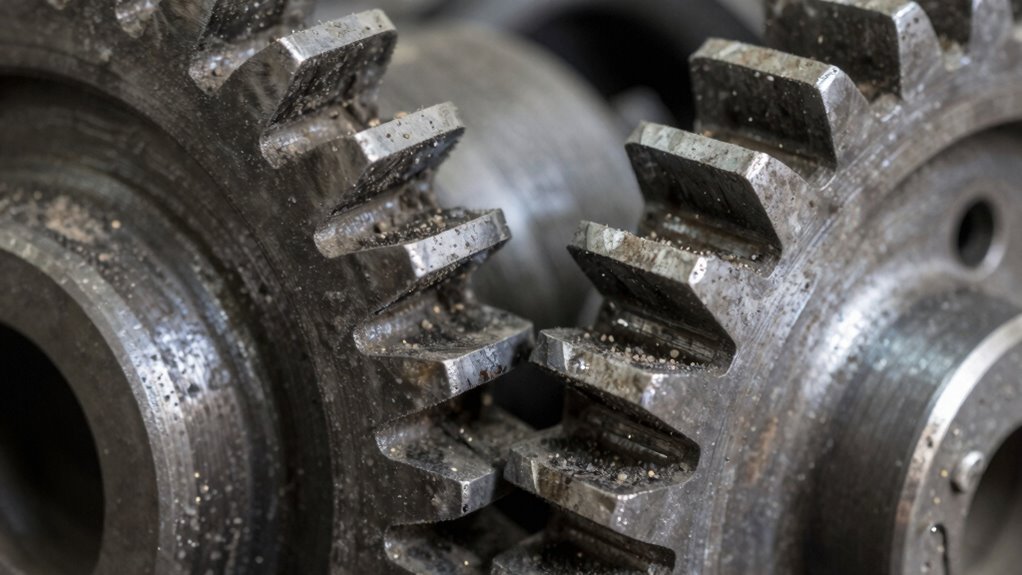
Dirt often goes unnoticed until it causes a problem, which is why it’s a silent gear killer. When dirt contaminates your gear system, it can compromise lubrication quality, leading to increased friction and wear. Poor lubrication allows dirt particles to embed into gear surfaces, accelerating damage. Additionally, dirt can affect material compatibility; some contaminants react chemically with gear materials, weakening structural integrity over time. Even tiny particles can create micro-abrasions that undermine gear performance. Because dirt buildup is often invisible, you might not realize its impact until significant damage occurs. Maintaining clean environments and using proper filtration help preserve lubrication quality and prevent dirt from disrupting material compatibility, ultimately extending your gear’s lifespan and ensuring smooth operation. Incorporating regular maintenance practices is essential for early detection and removal of dirt contaminants before they cause serious harm. Implementing contamination control protocols can significantly reduce the risk of dirt-induced failures and improve overall gear reliability. To effectively manage dirt, understanding contamination pathways and addressing potential sources is crucial for long-term gear health. Regular inspection routines can help identify dirt intrusion early, preventing costly repairs. Being aware of environmental factors such as dust and humidity can further enhance your contamination prevention strategies.
contamination control for gear systems
As an affiliate, we earn on qualifying purchases.
As an affiliate, we earn on qualifying purchases.
Understanding How Dirt Damages Gear Systems
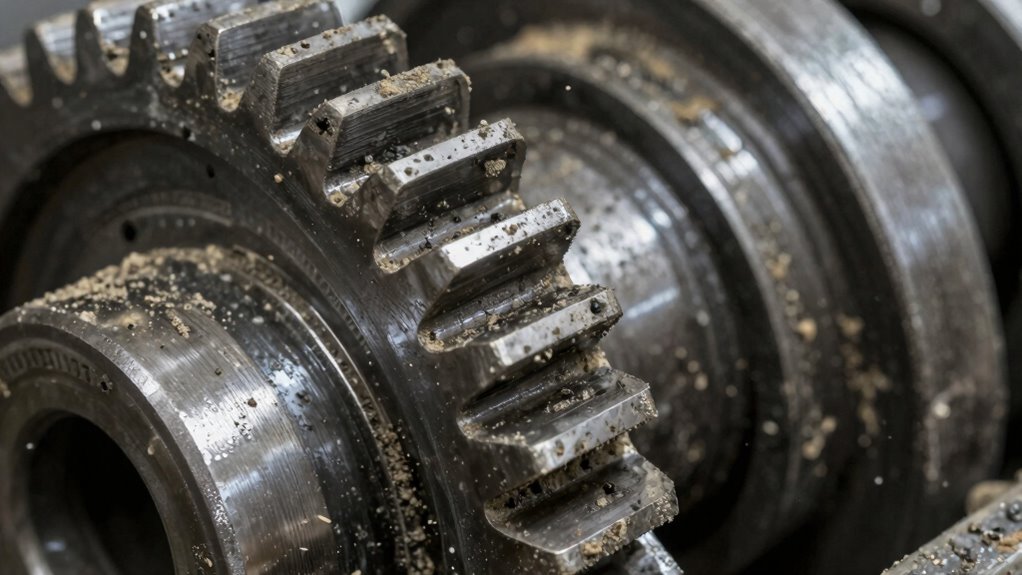
Understanding how dirt damages gear systems requires recognizing its direct impact on moving parts. Dirt acts like tiny abrasives, disrupting lubrication effects and accelerating wear. It infiltrates gear tooth surfaces, causing pitting and surface fatigue. The gear material composition influences susceptibility; softer metals wear faster, while harder materials resist damage better. Dirt can also interfere with proper lubrication, leading to increased friction and heat, which further degrades the system. Additionally, heat buildup from contamination can accelerate material degradation and reduce gear lifespan. The table below highlights how different factors contribute to damage:
| Factor | Effect on Gears | Result |
|---|---|---|
| Lubrication effects | Dirt mixes with lubricant, reducing its film strength | Increased wear and tear |
| Gear material composition | Softer materials wear faster when contaminated | Shortened gear lifespan |
| Dirt infiltration | Direct contact with moving parts | Surface pitting, fatigue |
A thorough understanding of contamination control measures is essential for maintaining gear integrity and extending operational life. Implementing effective cleaning protocols can significantly minimize the impact of dirt and prolong the lifespan of gear systems, especially when combined with protective sealing techniques to prevent dirt entry. Regular inspections and preventive maintenance are also critical components of a comprehensive contamination management strategy.
As an affiliate, we earn on qualifying purchases.
Common Sources of Dirt and Debris That Threaten Gear Systems
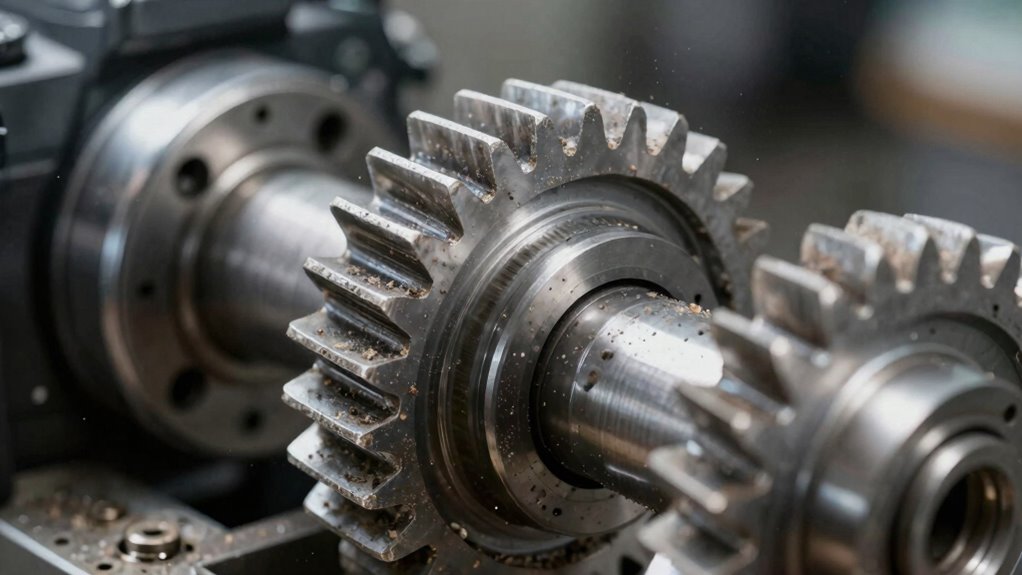
Many common sources introduce dirt and debris into gear systems, posing significant threats to their longevity. Dust accumulation is a primary culprit, often from nearby construction, unpaved roads, or indoor environments with poor filtration. Environmental pollutants like soot, smoke, and chemical residues can settle on gear components, accelerating wear. Machinery operated outdoors is especially vulnerable to dirt carried in by wind, rain, or mud, which can infiltrate seals and joints. Even routine maintenance activities can inadvertently introduce contaminants if proper procedures aren’t followed. Additionally, human activity, such as handling or working in dusty environments, can transfer dirt directly onto gear surfaces. Recognizing these sources helps you implement better contamination controls and protect your gear system from premature failure. Proper maintenance procedures are essential to minimize the risk of introducing contaminants during service. Implementing contamination prevention measures can further enhance gear longevity and performance. To effectively combat these issues, understanding environmental contamination and actively managing it is crucial for maintaining reliable gear systems.
lubrication and contamination monitoring equipment
As an affiliate, we earn on qualifying purchases.
As an affiliate, we earn on qualifying purchases.
Essential Contamination Control Strategies for Longer Gear Life
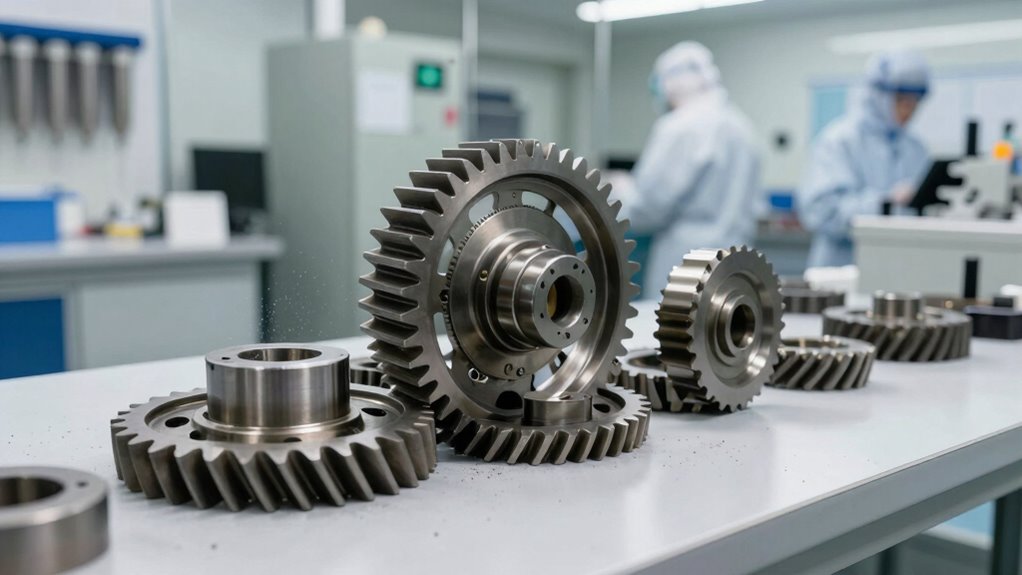
Implementing effective contamination control strategies is essential to extend the lifespan of your gear systems. First, focus on proper lubrication practices; use the right lubricant type and maintain regular application to minimize wear and prevent dirt ingress. Second, prioritize material selection by choosing gear materials resistant to dirt and corrosion, which enhances durability. Third, establish a clean environment by regularly inspecting and cleaning gear components to reduce debris buildup. Fourth, implement routine maintenance schedules that include checking lubrication levels and replacing worn seals. Additionally, employing contamination barriers can significantly prevent dirt and debris from entering critical components. Combining these strategies ensures contaminants are kept at bay, reducing abrasive damage. By carefully selecting materials and maintaining ideal lubrication practices, you markedly improve gear longevity and performance. Staying proactive in contamination control preserves your gear systems longer and saves costs over time.
How to Use Filters and Seals to Protect Your Gears

Filters and seals act as critical barriers that prevent dirt, dust, and other contaminants from reaching your gear components. To keep them effective, perform regular filter maintenance, replacing or cleaning filters according to manufacturer guidelines. Proper filter maintenance guarantees ideal airflow and contaminant removal, reducing wear on gears. When inspecting seals, check them for cracks, tears, or signs of degradation. Damaged seals can allow contaminants to bypass protective barriers, accelerating gear damage. When inspecting seals, look for signs of hardening or swelling and replace them promptly if any issues are found. Regularly monitoring filter indicators can help ensure timely maintenance and prevent contamination issues. Incorporating contamination prevention strategies into your maintenance routine further enhances gear protection. Conducting seal integrity checks periodically ensures that seals are functioning correctly and haven’t been compromised. Establishing a routine for filter replacement based on operational hours or environmental conditions can significantly extend gear lifespan. Combining diligent filter maintenance with thorough seal inspection creates a reliable defense against dirt intrusion, extending gear life and minimizing unexpected failures caused by contamination. Additionally, understanding the material properties of seals can help select the most durable options for specific operating environments.
Monitoring and Maintaining Your Dirt Prevention Measures
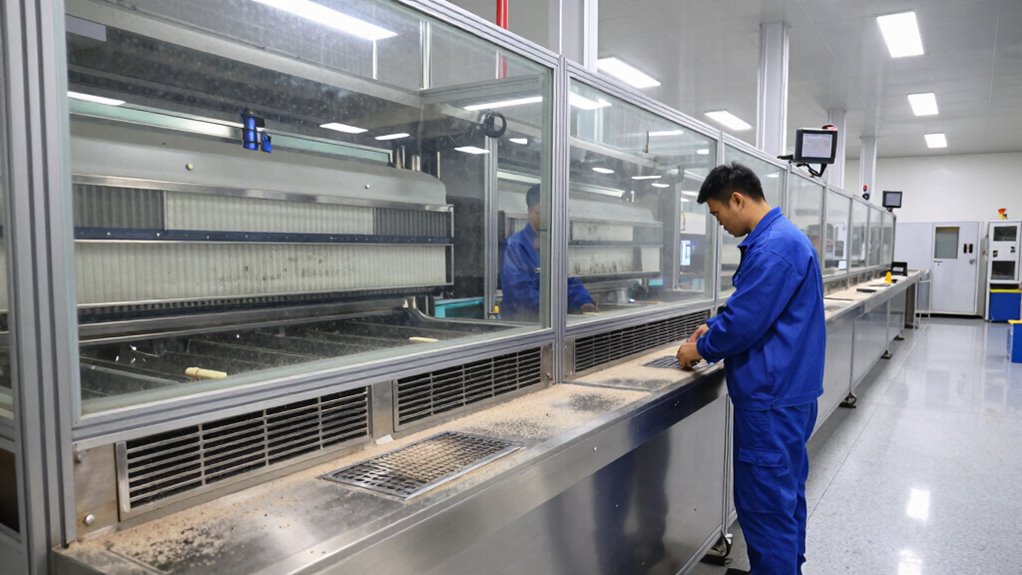
To keep your dirt prevention measures effective, you need a consistent inspection routine to spot issues early. Make sure your team verifies cleanliness regularly and follows proper procedures. Training staff on these steps guarantees everyone stays vigilant and maintains gear protection properly. Regular piercing care and hygiene practices are essential to prevent contamination and ensure long-term effectiveness. Incorporating contamination control protocols into daily routines further strengthens your overall dirt prevention strategy. Moreover, utilizing preventive maintenance techniques can help identify potential problems before they lead to significant contamination. Additionally, emphasizing floor scrubber maintenance helps sustain cleaning equipment performance and reduces the risk of dirt buildup. Regularly updating your contamination prevention techniques ensures your strategy remains effective against evolving challenges.
Regular Inspection Routine
Regular inspections are essential to keep dirt and debris from damaging your equipment. During each check, focus on key areas to ensure dirt isn’t hiding or accumulating.
- Verify lubrication practices—proper lubrication prevents dirt buildup and ensures smooth machine operation.
- Inspect seals and gaskets for wear or leaks that could allow contaminants inside.
- Review equipment calibration to confirm sensors and controls are functioning correctly, preventing unnecessary wear.
- Clean and wipe down surfaces to remove any dirt or debris that might have settled during operation.
Consistently monitoring these aspects helps maintain effective dirt prevention and prolongs equipment life. By catching issues early, you reduce the risk of contamination, minimizing costly repairs and downtime.
Cleanliness Verification Steps
Ensuring your dirt prevention measures stay effective requires consistent cleanliness verification. Regularly check your lubrication practices to prevent oil or grease buildup that can trap dirt, and verify that your lubrication intervals align with manufacturer recommendations. Material selection also plays a vital role; choose surfaces and components that resist dirt adherence and are easy to clean. Implement routine surface inspections, using visual aids or swabs to detect contaminants early. Record cleanliness levels and compare them against your standards to identify trends. This proactive approach helps you catch issues before they escalate. By maintaining strict verification steps, you guarantee your dirt prevention strategies remain robust, reducing gear wear and extending equipment lifespan. Staying vigilant with these verification steps keeps your contamination control plan on point.
Staff Training Procedures
Effective staff training is essential for maintaining your dirt prevention measures. Proper training guarantees your team consistently follows best practices, including lubrication practices and equipment calibration. To keep these measures effective, focus on these key steps:
- Teach proper lubrication techniques to prevent contamination from excess or improper application.
- Train staff to perform regular equipment calibration, ensuring accuracy and reducing dirt ingress.
- Emphasize the importance of cleanliness during maintenance and daily operations.
- Conduct periodic refresher courses to reinforce procedures and update staff on new contamination control methods.
Diagnosing and Fixing Common Dirt-Related Gear Failures
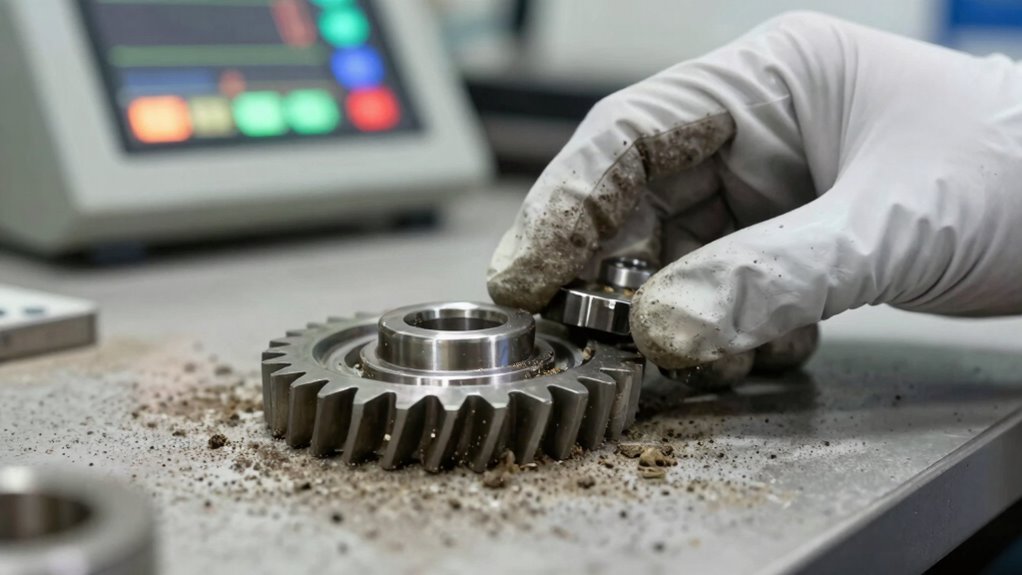
When dirt contaminates your gear, you’ll notice signs like unusual noise, increased friction, or sluggish performance. Identifying these symptoms quickly helps you determine if common contaminants like mud, dust, or grease are the culprits. Using effective removal methods guarantees your gear stays clean and functions smoothly.
Common Dirt Contaminants
Have you ever wondered what types of dirt most often cause gear failures? The main culprits include:
- Environmental dust, which settles on gears during operation, leading to abrasion and wear.
- Lubricant contamination, where dirt mixes with oil or grease, reducing lubrication effectiveness.
- Metal shavings from gear wear, which can circulate and cause further damage.
- Organic debris like leaves or plant material that can enter gear housings in outdoor settings.
These contaminants compromise gear performance, accelerate wear, and increase the risk of failure. Environmental dust and lubricant contamination are particularly common sources, often overlooked during maintenance. Regular inspection and proper sealing help prevent these dirt types from infiltrating your gear system.
Signs of Gear Failure
Dirt contamination often leaves telltale signs that your gear system needs attention. You might notice unusual noises, increased vibrations, or irregular operation. Lubrication issues caused by dirt can lead to metal-on-metal contact, accelerating wear. Vibration analysis helps detect early faults before catastrophic failure occurs. Look for symptoms like gear slipping, overheating, or visible debris. The table below highlights common signs and their causes:
| Sign | Possible Cause | Action Needed |
|---|---|---|
| Excessive vibration | Dirt, misalignment | Conduct vibration analysis |
| Unusual noise | Lubrication issues, debris | Check lubrication and clean gears |
| Overheating | Friction from dirt buildup | Improve sealing and maintenance |
| Gear wear or pitting | Contaminants, poor lubrication | Schedule inspection and repair |
Effective Removal Methods
To effectively address dirt-related gear failures, you need to accurately diagnose the problem before applying the right removal methods. First, inspect the gear for signs of contamination and determine if poor lubrication practices caused dirt buildup. Second, choose appropriate cleaning agents that won’t damage the gear material, considering material selection. Third, perform thorough cleaning, removing dirt from all contact surfaces and crevices. Fourth, reapply lubrication carefully, ensuring dirt isn’t trapped by excess lubricant. Using proper lubrication practices prevents dirt from sticking and accelerates wear. Additionally, selecting materials resistant to dirt adhesion helps prolong gear life. Regular maintenance, combined with effective cleaning and smart material choices, minimizes dirt-related failures and keeps gears running smoothly.
Training Your Team to Keep Gear Systems Clean and Efficient
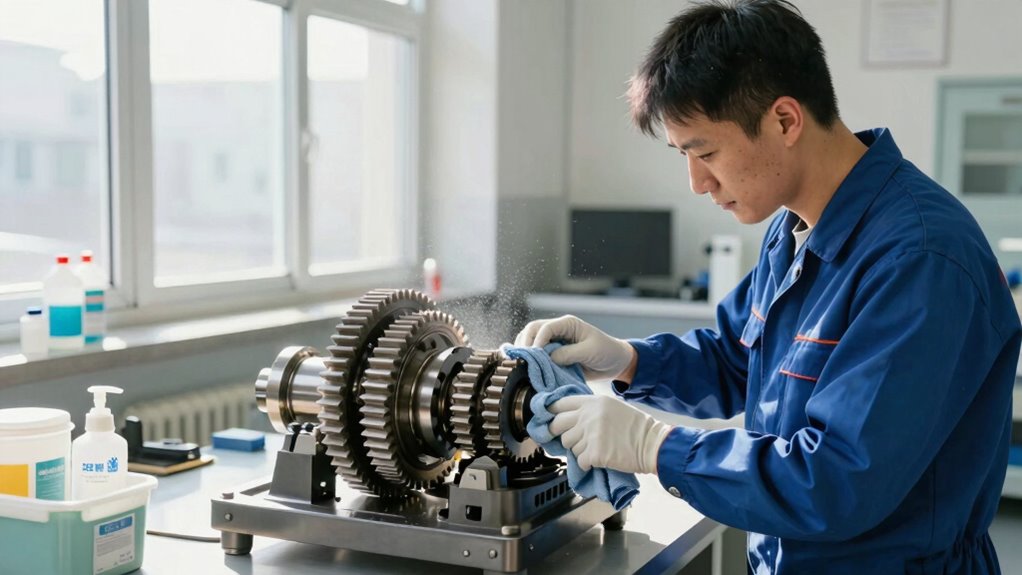
Training your team to keep gear systems clean and efficient is essential for preventing costly breakdowns and extending equipment lifespan. Start by teaching proper lubrication techniques, ensuring lubricants are applied correctly to minimize friction and prevent dirt from sticking. Emphasize the importance of selecting the right gear material, as durable materials resist contamination and wear better. Your team should understand how to inspect gear surfaces regularly and recognize signs of contamination early. Incorporate hands-on training for cleaning procedures, emphasizing the use of appropriate tools and techniques. Clear communication about maintenance schedules and cleanliness standards helps maintain system efficiency. By empowering your team with knowledge and practical skills, you create a proactive environment that reduces dirt ingress and gear damage, ultimately saving costs and boosting reliability.
Building a Culture of Cleanliness to Reduce Gear Damage
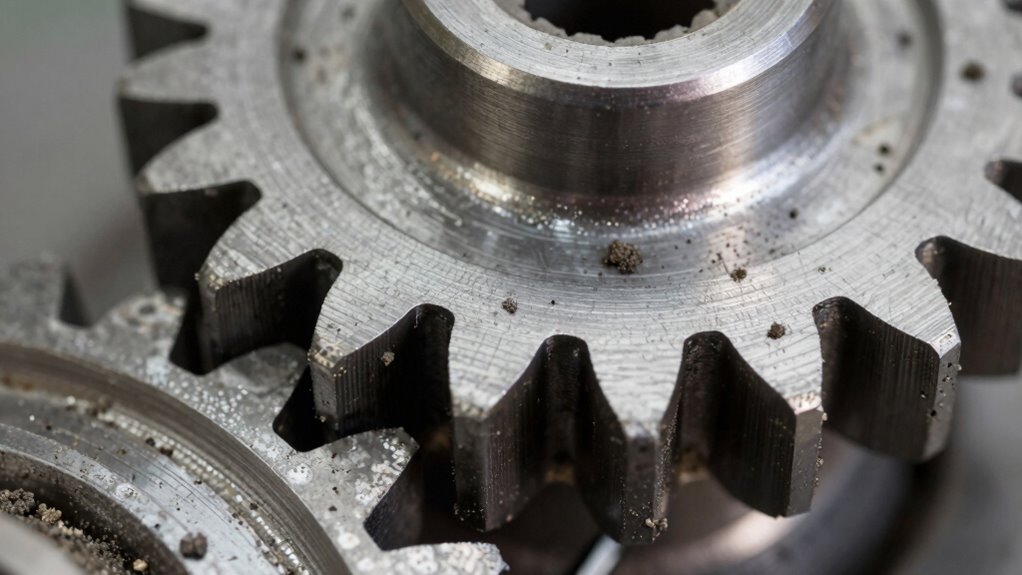
Building a culture of cleanliness requires everyone on your team to prioritize maintenance practices consistently. You set the tone for a clean environment by emphasizing proper lubrication practices and strict storage protocols. To reinforce this, focus on these key actions:
- Regularly train staff on correct lubrication techniques to prevent contamination.
- Implement clear storage protocols, ensuring gear parts are stored in clean, sealed containers.
- Enforce routine inspections to identify and address dirt or debris early.
- Promote accountability, encouraging team members to report potential contamination issues immediately.
Frequently Asked Questions
How Often Should Gear Systems Be Inspected for Dirt Buildup?
You should inspect gear systems for dirt buildup during regular inspection intervals, which often depend on your operational environment. Ideally, check them at least monthly, especially if lubrication practices involve frequent or heavy use. More frequent inspections are necessary in dirty or dusty conditions to prevent contamination. Consistent inspections help catch dirt early, reducing wear and prolonging gear life, ensuring your machinery runs smoothly and efficiently.
What Are the Signs of Dirt-Related Gear Failure?
If you ignore dirt buildup, your gear could fail catastrophically overnight. Signs include uneven wear, strange noises, and reduced lubrication effectiveness, which can cause overheating or sudden breakdowns. Pay close attention to gear material compatibility; incompatible materials may wear faster or corrode. These warning signs indicate dirt’s damaging effects, so regular inspections help catch problems early, preventing costly repairs and ensuring your gear’s longevity.
Can Dirt Contamination Void Warranty Coverage?
Yes, dirt contamination can void warranty coverage. When dirt gets into your gear, it causes wear and damage that may be considered misuse or neglect, leading manufacturers to deny warranty claims. To protect your warranty coverage, you must maintain proper contamination control, regularly clean your equipment, and follow the manufacturer’s guidelines. Preventing dirt contamination is essential to guarantee your gear stays in top condition and your warranty remains valid.
Are There Specific Cleaning Agents Recommended for Gear Maintenance?
You should choose cleaning agents specifically designed for gear maintenance, as they guarantee effective cleaning protocols. Look for products that target dirt, grease, and grime while being gentle on the gear material. Check the agent effectiveness through manufacturer recommendations or testing, as some agents may be more suitable for your gear type. Properly selected cleaning agents help prevent contamination, extend gear life, and maintain peak performance.
How Does Humidity Influence Dirt Accumulation on Gears?
Imagine you’re in a 19th-century factory, unaware of modern science—humidity impact is real. High humidity increases dirt adhesion on gears, making dirt cling more stubbornly. It accelerates accumulation, risking gear wear and failure. To combat this, control humidity levels and guarantee proper sealing. You can’t ignore humidity’s role, because it directly influences how dirt sticks, turning routine maintenance into an essential step for gear longevity and performance.
Conclusion
Remember, dirt is the silent assassin lurking in your gear system. By staying vigilant and implementing effective contamination control strategies, you can keep your gears running smoothly for miles to come. Think of it as tending a garden—you must regularly weed out the debris to guarantee healthy growth. Stay proactive, train your team, and build a culture of cleanliness. That way, dirt won’t sneak in and turn your gear’s lifespan into a ticking time bomb.
Fall Picks
fall essentials
As an affiliate, we earn on qualifying purchases.