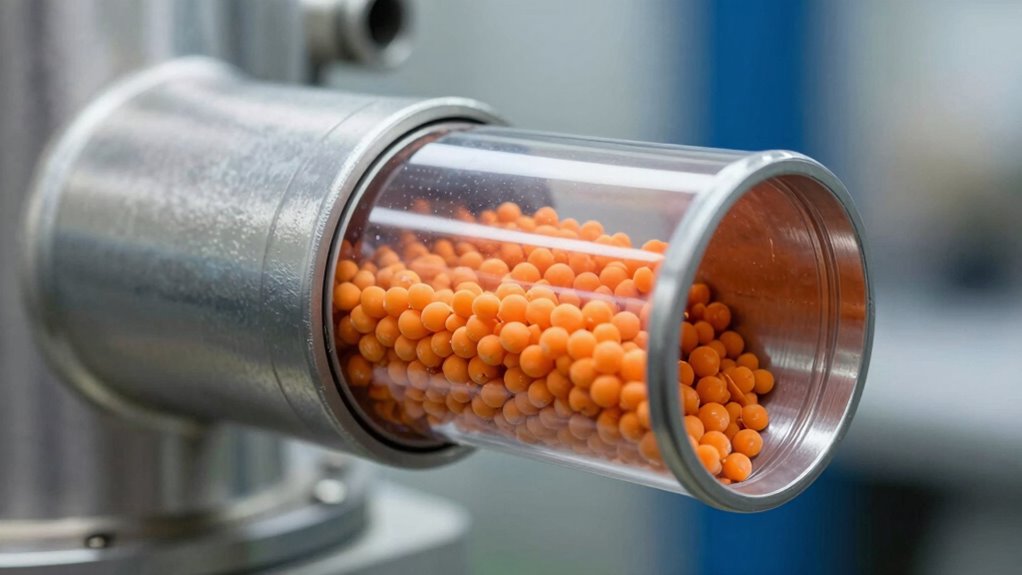
Desiccant breathers are worth it when your equipment faces dusty, humid, or dirty conditions, helping prevent oil contamination and extending lifespans. They filter dust, absorb moisture, and keep internal environments clean—reducing maintenance costs. However, in controlled, clean environments or sealed systems, they may be unnecessary. To make the right choice and keep them working effectively, you need to understand their benefits and proper maintenance, which you’ll discover if you continue exploring further.

Get garage and car supplies delivered free — and shop member deals
- Fast, free delivery on millions of items
- Access to Prime Big Deal Days deals on October 6–7
- Prime Video, Amazon Music and more included
Key Takeaways
- Use desiccant breathers in dusty, humid, or dirty environments to prevent moisture and contaminants from entering equipment.
- They are unnecessary in clean, controlled indoor settings with sealed systems and minimal exposure to airborne debris.
- Regular maintenance and filter monitoring are essential to ensure breathers effectively remove moisture and dirt over time.
- Consider installation when protecting critical equipment or extending oil and component lifespan justifies the investment.
- Evaluate environmental conditions and equipment design to determine if the benefits outweigh costs, especially in low-risk areas.
desiccant breather for industrial equipment
As an affiliate, we earn on qualifying purchases.
As an affiliate, we earn on qualifying purchases.
What Do Desiccant Breathers Do and How Do They Work?
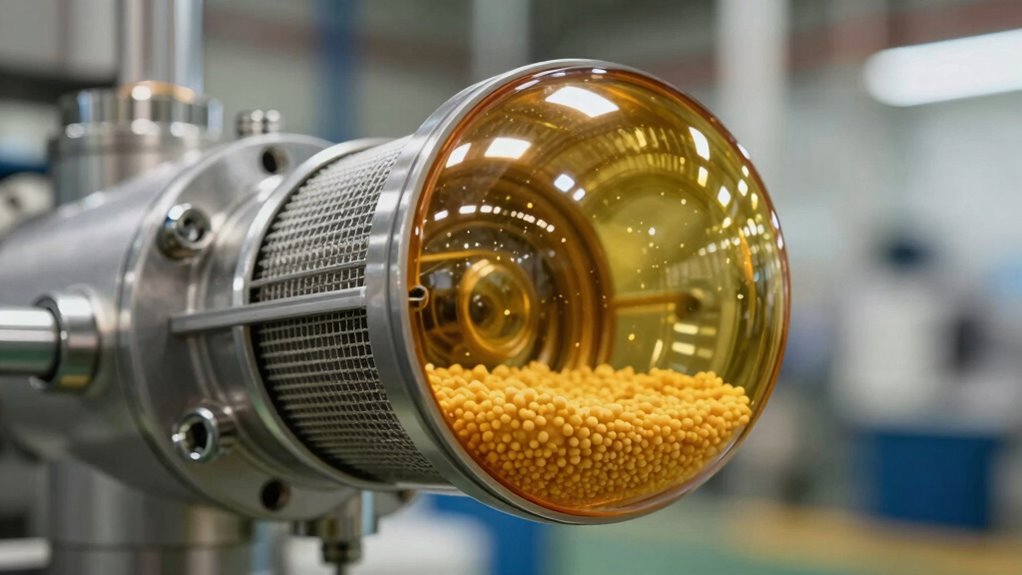
Have you ever wondered how desiccant breathers protect industrial equipment? They work by preventing oil contamination and managing moisture control. When equipment is exposed to the environment, dust, dirt, and humidity can enter through vents, leading to corrosion, mold, and oil degradation. Desiccant breathers act as filters, removing moisture from incoming air before it reaches sensitive components. The desiccant material inside absorbs water vapor, keeping the internal environment dry and free from excess moisture. This process helps maintain oil quality, preventing issues like sludge buildup or oxidation. Moisture management is critical for extending equipment lifespan and ensuring operational reliability. Proper use of desiccant materials is essential for optimal moisture absorption and equipment protection. Additionally, selecting the right type of desiccant breather can optimize humidity control based on specific environmental conditions, which is vital for maintaining equipment performance in various operational settings.
As an affiliate, we earn on qualifying purchases.
Do You Need a Desiccant Breather for Your Equipment?
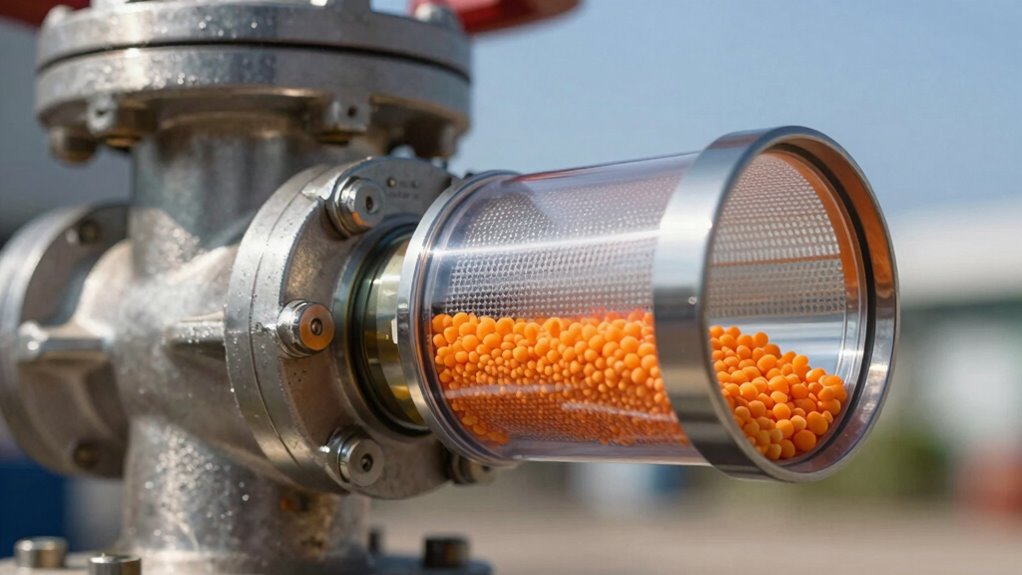
Determining whether your equipment needs a desiccant breather depends on several factors, including its exposure to harsh environments and the importance of maintaining clean, dry oil. If your equipment operates in dusty, humid, or dirty conditions, air filtration through a desiccant breather can prevent contaminants from entering. This helps keep the oil clean and dry, which directly impacts equipment longevity. Even in less severe settings, if maintaining ideal performance is critical, a desiccant breather can be a worthwhile investment. Consider how often your equipment is exposed to moisture or airborne debris. If these risks are high, installing a desiccant breather is a simple, effective way to protect your investment and extend its service life. Proper air filtration can also help optimize engine performance and prevent costly repairs. Additionally, selecting the right filter materials that align with your environment can enhance both protection and aesthetic appeal. Incorporating environmental considerations such as humidity levels and particulate matter can further refine your choice of filtration solutions. Using natural filtration systems, such as those involving native plants, can further complement your efforts in maintaining a clean environment around your equipment.
As an affiliate, we earn on qualifying purchases.
What Are the Benefits and Costs of Using Desiccant Breathers?
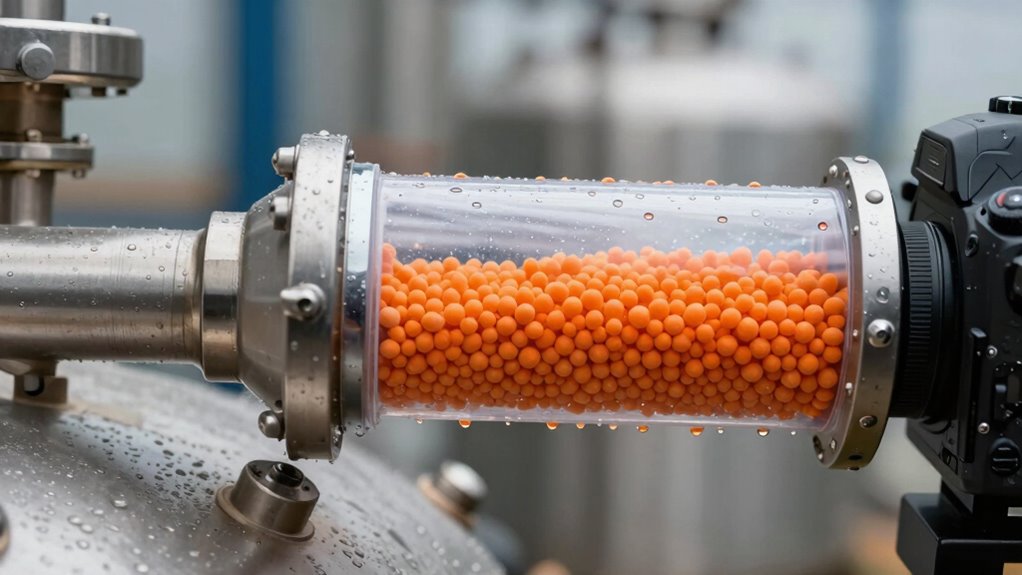
Using desiccant breathers offers several key benefits that can substantially enhance your equipment’s performance and lifespan. They prevent moisture and contaminants from entering, reducing corrosion and wear. This can lower maintenance costs over time. Additionally, desiccant breathers are often designed with advanced filtration to better trap fine particles and moisture, further protecting your machinery. Consider the cost considerations, as high-quality desiccant breathers can be an upfront investment. They also have an environmental impact—many are designed to be reusable or environmentally friendly, which helps reduce waste. Additionally, selecting the right desiccant breather can optimize moisture control and ensure your equipment stays protected in various operating conditions. Proper selection and maintenance of desiccant breathers can also prevent unexpected shutdowns caused by moisture-related issues, ensuring reliable operation over time.
- Minimize equipment downtime due to fewer repairs
- Extend the lifespan of machinery components
- Reduce environmental footprint with sustainable options
While the benefits are clear, balance these advantages against initial costs and environmental factors to decide if desiccant breathers are right for your operation.
dust and moisture filter for machinery
As an affiliate, we earn on qualifying purchases.
As an affiliate, we earn on qualifying purchases.
When Might You Not Need a Desiccant Breather?
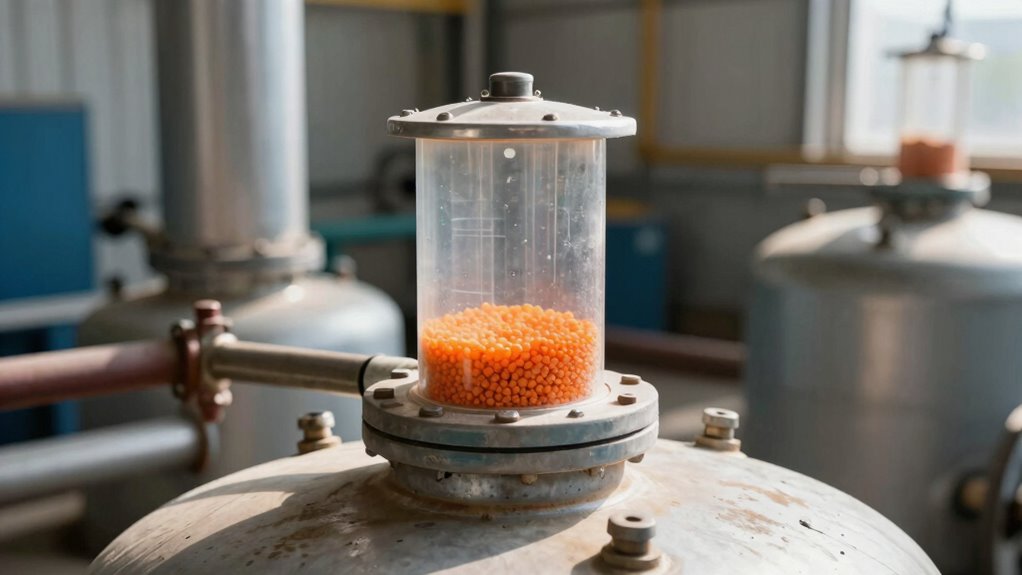
While desiccant breathers offer many benefits, there are situations where they might not be necessary. If your equipment operates in a clean, low-moisture environment, the environmental impact of using a breather may outweigh its benefits. For example, in controlled indoor settings or sealed systems with minimal exposure to dust and humidity, a breather could be redundant. Additionally, consider equipment compatibility—some machinery is designed to operate without external venting, making a desiccant breather unnecessary or even disruptive. In such cases, installing one could introduce contamination risks or interfere with proper ventilation. Evaluating your environment and equipment specifications carefully before deciding is essential, as unnecessary use might lead to increased maintenance or environmental concerns without offering significant protective advantages. Proper AI-powered data analytics can help monitor environmental conditions to determine whether a breather is truly needed.
How to Choose and Maintain Desiccant Breathers for Best Performance
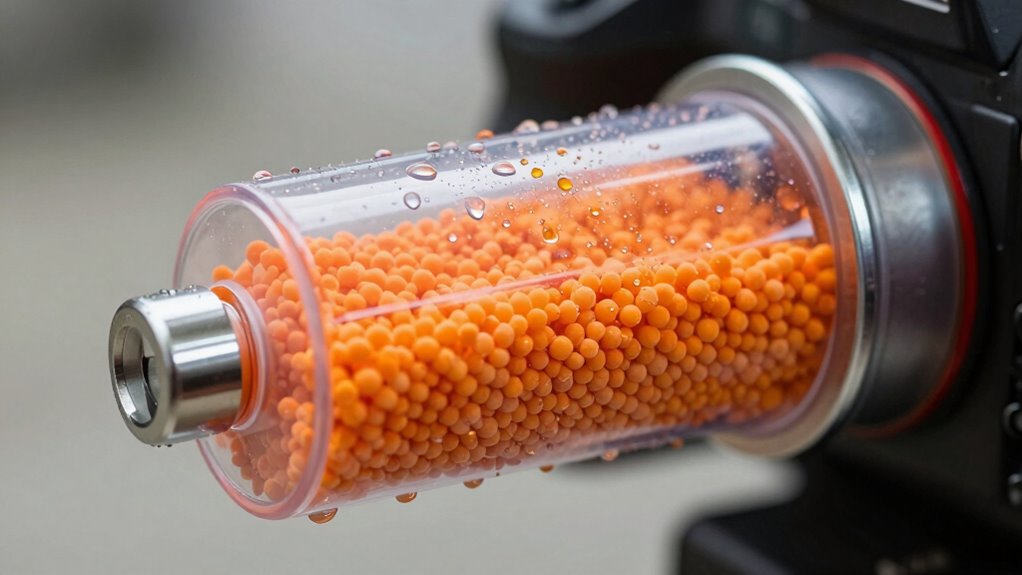
Choosing and maintaining desiccant breathers correctly guarantees your equipment stays protected and performs efficiently. To do this, regularly monitor the filter’s condition and replace it as needed, especially during maintenance checks. Proper selection depends on your environment—harsh conditions require more robust breathers. Keep an eye on maintenance frequency to avoid moisture buildup or dust ingress. Additionally, staying informed about free crypto opportunities can provide extra funds for equipment upgrades or maintenance. Consider these key points:
- Schedule routine inspections to assess desiccant condition and filter integrity
- Replace filters promptly when moisture or dirt saturation is evident
- Choose breathers rated for your specific environment and equipment needs
- Understanding cookie categories helps in managing data and privacy preferences effectively
Consistent maintenance ensures desiccant breathers function at their best, preventing contamination and extending equipment lifespan. Proper care minimizes downtime and maximizes protection against moisture ingress.
Frequently Asked Questions
How Long Do Desiccant Breathers Typically Last Before Replacement?
You’ll typically need to replace desiccant breathers every 6 months to a year, depending on your maintenance frequency and environmental conditions. Keep an eye on replacement indicators like color-changing desiccant or moisture buildup, which signal it’s time for a change. Regular inspections help guarantee peak performance, especially in humid or dusty environments. By monitoring these indicators, you can prevent equipment damage and extend the lifespan of your machinery.
Can Desiccant Breathers Be Used in Extreme Temperature Conditions?
Think of desiccant breathers as the Swiss Army knives of equipment protection—they can handle extreme temperatures if you choose the right one. Their temperature resilience depends on material selection, so look for breathers with specialized desiccants and durable housings designed for harsh conditions. In high or low extremes, guarantee you pick breathers rated for those temps, or their efficiency could plummet, leaving your equipment vulnerable.
Are There Specific Industry Standards for Desiccant Breather Performance?
Yes, industry standards do exist for desiccant breather performance, focusing on oil cleanliness and filtration efficiency. You should look for certifications like ISO or NAMUR standards that ensure the breather maintains proper moisture control and contaminant removal. These standards help you select products that effectively protect equipment, reduce downtime, and maintain oil quality. Always verify that the breather meets or exceeds these standards before installation to guarantee peak performance.
How Do Environmental Factors Influence Breather Effectiveness?
Environmental factors greatly influence your desiccant breather’s effectiveness. High humidity increases the moisture load, making it harder for the desiccant to keep air dry, while dust can clog filters and reduce dust filtration efficiency. You need to monitor humidity levels and guarantee filters are clean. By doing so, you maintain ideal moisture control and dust filtration, extending the breather’s lifespan and protecting your equipment effectively.
Can Desiccant Breathers Prevent All Types of Contamination?
Desiccant breathers can’t prevent all types of contamination, especially oil contamination and particulate filtration. They effectively remove moisture and limit airborne particles, but oils and larger contaminants can bypass or overwhelm their filters. You need to combine breathers with other filtration and sealing systems for thorough protection. Relying solely on desiccant breathers leaves gaps, so understanding their limitations helps you choose the right approach for your equipment.
Conclusion
Ultimately, knowing when to use a desiccant breather can save you from pouring good money after bad. Don’t let small issues snowball into costly repairs—stay ahead of the game by evaluating your equipment’s needs carefully. When you choose the right breather and keep it maintained, you’re hitting two birds with one stone. Remember, sometimes it’s better to be safe than sorry—don’t wait until it’s too late to protect your machinery.
Evergreen bestsellers Picks
bestsellers
As an affiliate, we earn on qualifying purchases.