To trust your sensors, you need to understand calibration basics. Regularly checking your instruments against known standards guarantees they give accurate and reliable results. By comparing sensor output to precise references and making necessary adjustments, you prevent errors caused by environmental factors or wear. Following established procedures and guidelines helps maintain accuracy over time. If you want to learn how simple calibration routines can greatly boost your confidence in sensor data, keep exploring this essential process.

Get business pricing on garage and car supplies
- Business-only prices and quantity discounts
- Tax-exempt purchasing
- Multiple users, one account, clear invoices
Key Takeaways
- Regularly compare sensors against traceable reference standards to identify and correct inaccuracies.
- Follow manufacturer guidelines and industry standards for calibration procedures and intervals.
- Use precise reference signals to detect sensor drift and maintain measurement reliability.
- Document calibration results to track sensor performance and ensure compliance.
- View calibration as an ongoing process to sustain sensor accuracy over time and prevent costly errors.
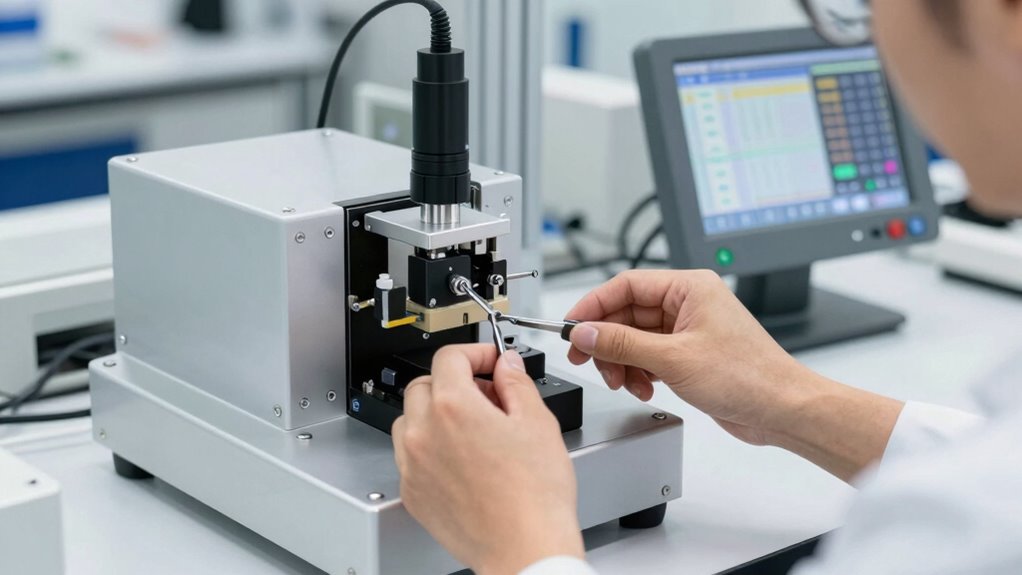
Calibration is an essential process that guarantees your measuring instruments provide accurate and reliable results. When it comes to sensors, maintaining their accuracy is critical because even small deviations can lead to significant errors in your data or operations. If you rely on sensors for vital measurements, understanding how calibration impacts their accuracy is indispensable. Proper calibration ensures that your sensors perform consistently over time, reducing measurement uncertainty and giving you confidence in your readings. Without it, you might unknowingly base decisions on flawed data, which can have costly or dangerous consequences.
Calibration ensures sensors deliver accurate, reliable data over time, preventing costly errors and maintaining measurement integrity.
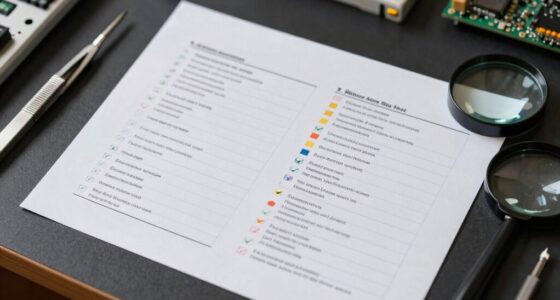
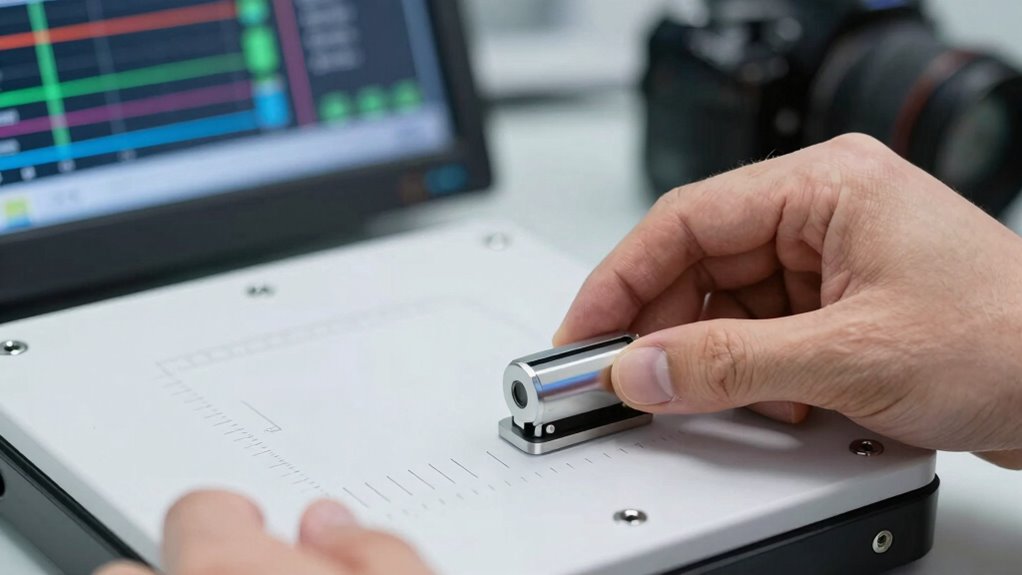
The key to effective calibration lies in following well-structured calibration procedures. These procedures are designed to systematically check and adjust your sensors against known standards or reference signals. Typically, calibration procedures involve comparing your sensor’s output to a precise reference, identifying any discrepancies, and then making the necessary adjustments. This process not only corrects the sensor’s readings but also confirms that it operates within specified tolerances. By regularly performing calibration procedures, you help maintain sensor accuracy and prevent drift, which can occur due to environmental factors, aging, or wear and tear.
To get the most out of your calibration efforts, it’s essential to use the right reference standards. These standards should be traceable to national or international measurement systems to ensure their precision. When you calibrate your sensors, you’ll often follow manufacturer instructions or industry standards, which specify calibration intervals and procedures. These guidelines help you establish a routine that keeps your sensors performing reliably. Consistent calibration procedures make it easier to identify when a sensor is beginning to drift or malfunction, allowing you to replace or recalibrate it before errors impact your processes. Additionally, regular calibration helps you understand the importance of calibration and its role in maintaining measurement integrity.
Furthermore, calibration isn’t just a one-time task; it’s an ongoing process. Regular calibration ensures your sensors maintain their accuracy over time and helps you detect issues early. When you understand the importance of calibration procedures, you become proactive about sensor maintenance. This proactive approach minimizes downtime and reduces costly rework caused by inaccurate measurements. It also enhances the overall quality of your data, allowing you to make better-informed decisions. Whether you’re working in manufacturing, laboratory testing, or environmental monitoring, keeping your sensors calibrated is a fundamental step toward ensuring trustworthy results.
sensor calibration reference standards
As an affiliate, we earn on qualifying purchases.
As an affiliate, we earn on qualifying purchases.
Frequently Asked Questions
How Often Should Sensors Be Recalibrated for Optimal Accuracy?
You should recalibrate your sensors regularly, typically every few months, to counteract sensor drift and maintain accuracy. Calibration intervals depend on your specific sensor type, usage intensity, and environmental conditions. If you notice inconsistent readings or performance issues, recalibrate sooner. Following manufacturer recommendations helps guarantee your sensors stay reliable. Regular calibration keeps your data precise, reduces errors, and ensures ideal performance over time.
What Are Common Signs Indicating a Sensor Needs Recalibration?
You’ll notice sensor drift when readings become inconsistent or deviate from expected values, signaling it’s time for recalibration. If your measurements fluctuate unexpectedly or don’t match reference points, it’s a clear sign. Keep in mind your calibration frequency to prevent inaccuracies. Regularly monitoring sensor performance helps catch these signs early, ensuring your data remains trustworthy and your system functions most effectively.
Can Calibration Improve Sensor Lifespan and Durability?
Ever wondered if calibration can boost your sensor’s lifespan? Absolutely. Regular calibration techniques help maintain accuracy, reduce wear and tear, and prevent early failure. By keeping your sensors properly calibrated, you enhance their longevity and durability. This proactive approach minimizes the risks of malfunction, saving you money in repairs or replacements. So, yes, consistent calibration is a smart move to extend sensor longevity and ensure reliable performance over time.
Are There Specific Calibration Procedures for Different Sensor Types?
Yes, there are specific calibration procedures for different sensor types. You follow these procedures to guarantee your sensor calibration aligns with factory standards, which vary depending on the sensor’s function and design. Proper calibration involves using the correct reference standards and methods tailored to each sensor type. By doing this, you maintain accuracy, reliability, and extend your sensor’s lifespan, making sure it performs at its best in your applications.
What Are the Risks of Neglecting Sensor Calibration?
Neglecting sensor calibration risks inaccurate readings due to sensor drift, which can lead to faulty data and poor decision-making. When you ignore proper calibration intervals, your sensors may lose precision over time, increasing the chance of errors. This can cause equipment malfunctions, safety issues, and costly downtime. To avoid these risks, regularly calibrate your sensors and monitor their performance, ensuring reliable and accurate measurements at all times.
digital calibration tools for sensors
As an affiliate, we earn on qualifying purchases.
As an affiliate, we earn on qualifying purchases.
Conclusion
Think of calibrating your sensors like tuning a musical instrument. When you make small adjustments, everything plays in harmony. Without calibration, your readings are out of tune, like a guitar needing a quick tune-up. By regularly calibrating, you ensure your sensors hit the right note every time. Just as a musician trusts their instrument to create beautiful music, trust your sensors to deliver accurate data. Keep calibrating, and your measurements will always stay in harmony.
As an affiliate, we earn on qualifying purchases.
As an affiliate, we earn on qualifying purchases.
Fall Picks
fall essentials
As an affiliate, we earn on qualifying purchases.