
Early signs of failure usually show up first as subtle changes like increased vibration, unusual noises, or less efficient operation. These symptoms often appear before any major breakdown happens. Mechanical parts like bearings or gears, or electrical components such as switches, tend to give these warning signals first. Recognizing these early indicators can help you catch problems early, so if you keep exploring, you’ll discover how to better anticipate and prevent failures.
Key Takeaways
- Mechanical components like bearings and gears typically show initial signs before electrical issues appear.
- Vibration increases or unusual noises are often the earliest indicators of impending failure.
- Symptoms usually start subtly and progressively worsen if not addressed promptly.
- Early warning signs enable preventative maintenance, reducing the risk of sudden, catastrophic failure.
- Electrical problems, such as flickering relays, generally occur after mechanical symptoms have emerged.

Understanding how different components fail over time is essential for effective maintenance and reliability planning. When you’re trying to predict and prevent costly breakdowns, recognizing the typical symptom progression and failure patterns becomes fundamental. Failure patterns often follow a predictable sequence, and by understanding these, you can better anticipate what might go wrong first. This knowledge allows you to implement targeted inspections and timely interventions, reducing downtime and extending equipment lifespan.
In most cases, failure doesn’t happen suddenly. Instead, it begins with subtle signs, or early symptoms, that gradually develop. For example, you might notice increased vibration, unusual noises, or slight drops in efficiency before a complete failure occurs. These early indicators are part of the symptom progression, and tracking them helps you identify which components are starting to wear out. Recognizing these signs early on is indispensable because it enables you to address issues before they escalate into catastrophic failures. Failure patterns tend to follow a certain order, often starting with minor malfunctions that worsen as the component deteriorates.
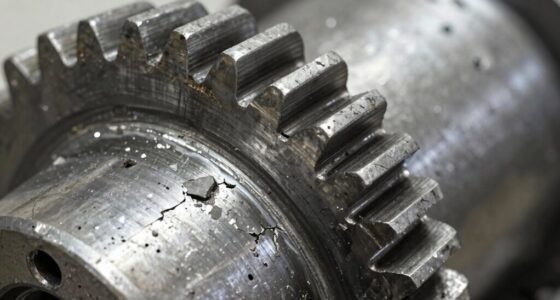
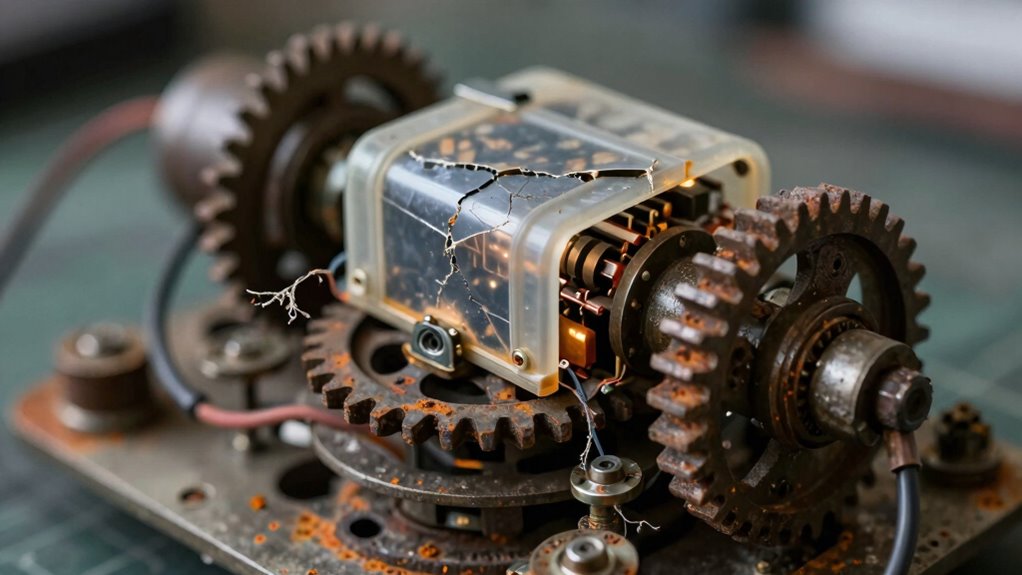
Typically, the first failure signs appear in components that endure the highest stress or are most susceptible to wear and tear. Mechanical parts like bearings, belts, or gears often show symptoms first, such as increased noise or slight misalignments. Electrical components, like relays or switches, may exhibit flickering or inconsistent operation before completely failing. The pattern of failure is usually progressive; initial symptoms are mild and easily overlooked, but if ignored, they intensify over time, leading to more severe problems. This progression often follows a predictable timeline, with each symptom serving as a warning sign of impending failure. Monitoring early warning signs can help prevent unexpected breakdowns and guide maintenance decisions effectively.
Understanding these failure patterns allows you to develop a proactive maintenance strategy. Instead of waiting for a component to break down completely, you can schedule inspections or replacements based on symptom progression observations. For instance, if you notice vibration increases in a motor, you can plan for bearing replacement before a total motor failure. Recognizing which symptoms appear first and how they evolve helps you prioritize maintenance tasks, avoid unexpected outages, and optimize resource allocation.
![[BLE Vibration Sensor] WTVB01-BT50 Smart Vibration Module Ar-duino, 3-axis Vibration(Amplitude+Frequency+Displacement+Speed) Detector, Wireless Acceleration Shock Motor Monitor](https://m.media-amazon.com/images/I/41va7oLvGmL._SL500_.jpg)
[BLE Vibration Sensor] WTVB01-BT50 Smart Vibration Module Ar-duino, 3-axis Vibration(Amplitude+Frequency+Displacement+Speed) Detector, Wireless Acceleration Shock Motor Monitor
- Integrated 3-Axis Vibration and Temp: Real-time vibration and temperature data
- Long-Range Bluetooth 5.0: 50m transmission, 8-hour battery life
- Universal Smartphone Compatibility: Supports Android and iOS devices
As an affiliate, we earn on qualifying purchases.
As an affiliate, we earn on qualifying purchases.
Frequently Asked Questions
How Can I Prevent Early Failures in My System?
To prevent early failures in your system, you should use predictive analytics to identify potential failure modes before they escalate. Regularly monitor key indicators and perform proactive maintenance based on data insights. By understanding common failure modes, you can address issues early, reducing downtime and extending your system’s lifespan. Stay vigilant with trend analysis, and adjust your maintenance strategies accordingly to stay ahead of potential problems.
Are There Specific Signs Before a Failure Occurs?
You might think failures come out of nowhere, but in reality, predictive indicators and warning signs often appear first. Look for subtle changes like unusual vibrations, temperature fluctuations, or inconsistent performance. Ironically, ignoring these signs might seem easier, yet they’re your system’s way of signaling trouble. Pay close attention to these early warning signs, and you’ll catch problems before they escalate, saving time and costly repairs.
What Tools Are Best for Diagnosing Early Issues?
You should use diagnostic tools like thermal cameras, vibration analyzers, and fluid analysis kits to catch early issues. Predictive analytics can help by analyzing data trends to identify potential failures before they happen. Combining these tools enables you to monitor equipment more effectively, spot signs of trouble early, and prevent costly breakdowns. Regular inspections with these diagnostic tools and predictive analytics give you the best chance of addressing problems early.
How Does Environmental Exposure Affect Failure Timelines?
Environmental exposure accelerates failure timelines through corrosion buildup and moisture ingress. You’ll notice corrosion weakens components over time, leading to cracks or failures, especially in humid or salty conditions. Moisture ingress causes electrical short circuits and rust, which can damage parts quickly. To prevent these issues, you should regularly inspect and protect equipment from harsh environments, using sealants and corrosion-resistant materials to extend the lifespan and avoid early failures.
Can Regular Maintenance Extend the Failure Timeline?
Absolutely, regular maintenance can considerably extend the failure timeline. When you perform preventive maintenance, you catch potential issues early and prevent failures before they start. This proactive approach not only minimizes downtime but also saves money in the long run. Think of it as giving your equipment a health check-up—each check-up boosts its longevity and keeps failure at bay, making your system more reliable and resilient over time.

Orion Motor Tech OMT Bearing Puller Set, Bearing Splitter Tool Kit
- Versatile Bearing Puller: Suitable for various bearing removal tasks
- All-in-One Tool Kit: Includes multiple jaws, screws, and legs
- Wide Application: Compatible with vehicles, ATVs, and light trucks
As an affiliate, we earn on qualifying purchases.
As an affiliate, we earn on qualifying purchases.
Conclusion
As you navigate the shifting tides of machinery, remember that each failure is a whisper from the engine’s soul. The first sign, like a flickering candle in the darkness, hints at deeper issues lurking beneath. Ignoring these signals is like silencing a lighthouse’s call—risking your journey’s end. Stay vigilant, listen closely, and trust the subtle symbols. Because in the end, understanding the timeline keeps your engine’s light shining bright, guiding you safely home.

Performance Tool 3009 12-Volt 4- and 5-Pin Automotive Relay Tester
- Portable Relay Testing: Test relays outside vehicle quickly
- Battery-Free Operation: Self-contained with instant, accurate results
- Clear Indicator Lights: Green for pass, red for fail
As an affiliate, we earn on qualifying purchases.
As an affiliate, we earn on qualifying purchases.

OMT Wheel Bearing Press Kit for Front Wheel Bearing Removal & Installation
- Complete Wheel Bearing Puller Set: Includes everything for removal and installation
- Universal Compatibility: Fits most front wheel drive vehicles
- Easy and Quick Operation: Smooth bearing removal without damage
As an affiliate, we earn on qualifying purchases.
As an affiliate, we earn on qualifying purchases.