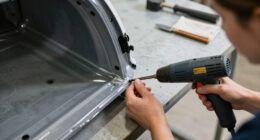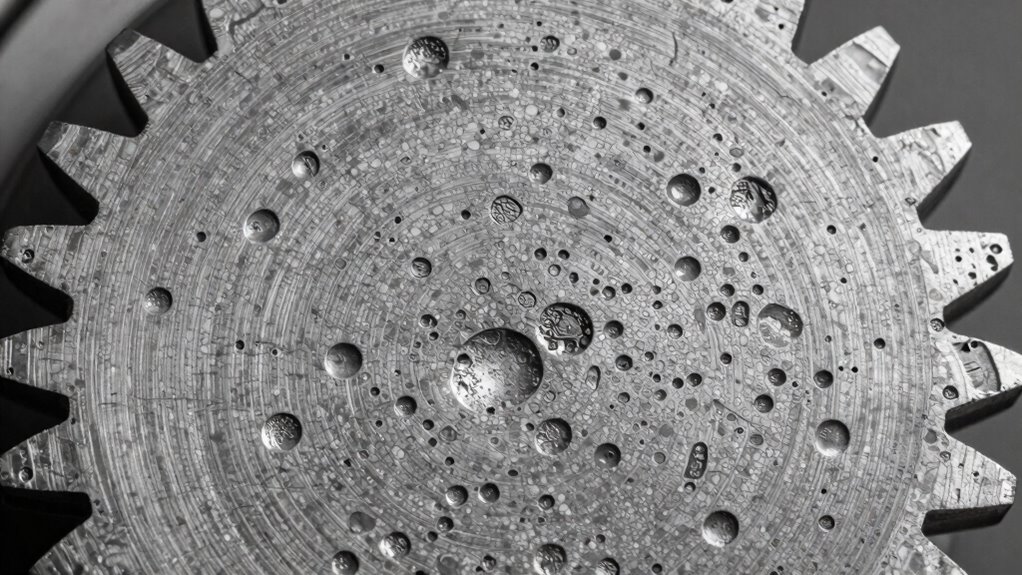

Micropitting is a surface fatigue issue where tiny pits develop on gear teeth from repeated contact stresses, weakening the surface over time. These small defects lead to increased friction, wear, and a higher risk of gear failure, especially if left unchecked. Factors like improper lubrication, high loads, contamination, and surface roughness accelerate damage. If you want to know how to spot, prevent, and fix micropitting before it worsens, there’s more you should understand.

Get garage and car supplies delivered free — and shop member deals
- Fast, free delivery on millions of items
- Access to Prime Big Deal Days deals on October 6–7
- Prime Video, Amazon Music and more included
Key Takeaways
- Micropitting involves tiny surface cracks and pits caused by surface fatigue from repeated contact stresses.
- These microcracks develop beneath the surface, weakening gear teeth and increasing wear and failure risk.
- Improper lubrication and high loads accelerate micropitting by reducing protective film and concentrating stresses.
- Early detection includes visual inspection, surface roughness analysis, and magnification to identify small surface flaws.
- If left unchecked, micropitting can grow, significantly impairing gear performance and potentially leading to catastrophic failure.
gear micropitting inspection tools
As an affiliate, we earn on qualifying purchases.
As an affiliate, we earn on qualifying purchases.
What Is Micropitting and Why Does It Damage Gear Surfaces?
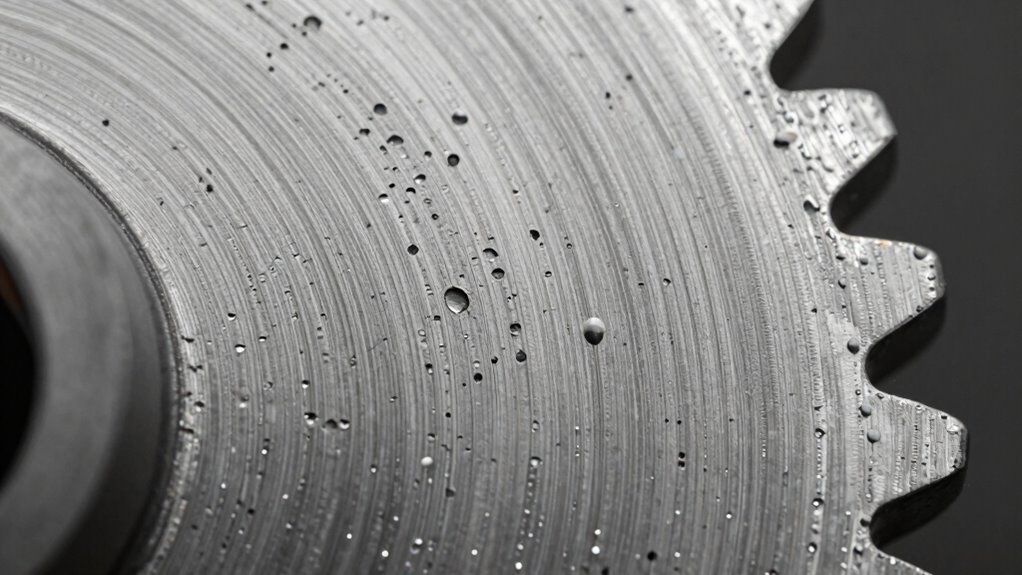
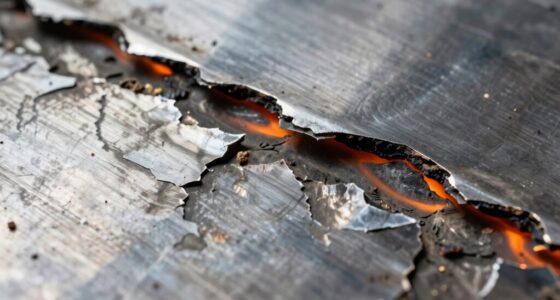
Micropitting is a form of surface fatigue that occurs on gear teeth under repeated stress, often unnoticed until it causes significant damage. This tiny surface damage results from material fatigue, where the repeated contact stresses weaken the material over time. Surface roughness plays a vital role in micropitting development because rougher surfaces concentrate stress, accelerating fatigue. As the gear teeth experience cyclic loads, microscopic cracks form beneath the surface, gradually growing until they reach the top layer. These small pits may seem insignificant initially but undermine the gear’s integrity, leading to increased friction, wear, and eventually, failure. Understanding how material fatigue and surface roughness contribute to micropitting helps in designing gears that resist this form of surface damage longer.
As an affiliate, we earn on qualifying purchases.
What Causes Micropitting in Mechanical Components?
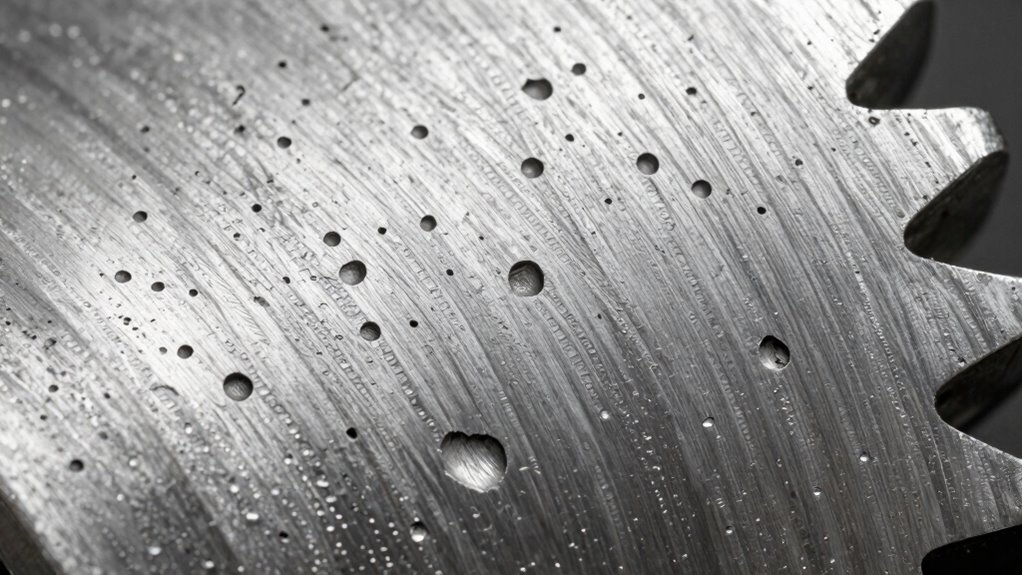
Micropitting occurs when mechanical components are subjected to repeated contact stresses that exceed the material’s fatigue limit. This often results from lubrication breakdown, which reduces the film’s ability to prevent metal-to-metal contact. Over time, surface fatigue develops as microcracks form and propagate beneath the surface, leading to tiny pits. Factors like high load, improper lubrication, and contamination accelerate this process. Understanding these causes helps you prevent micropitting effectively. Additionally, monitoring stress distribution during operation can identify areas at higher risk for damage. Implementing proper lubrication practices and using materials with better fatigue resistance can further reduce the likelihood of micropitting. Regular inspection and maintenance of lubrication systems can help detect early signs of failure before significant damage occurs. Paying attention to surface finish quality can also minimize the initiation sites for micropitting. In addition, selecting appropriate materials with enhanced fatigue properties can significantly improve component durability.
As an affiliate, we earn on qualifying purchases.
How Can You Detect Micropitting Early? Signs and Inspection Tips
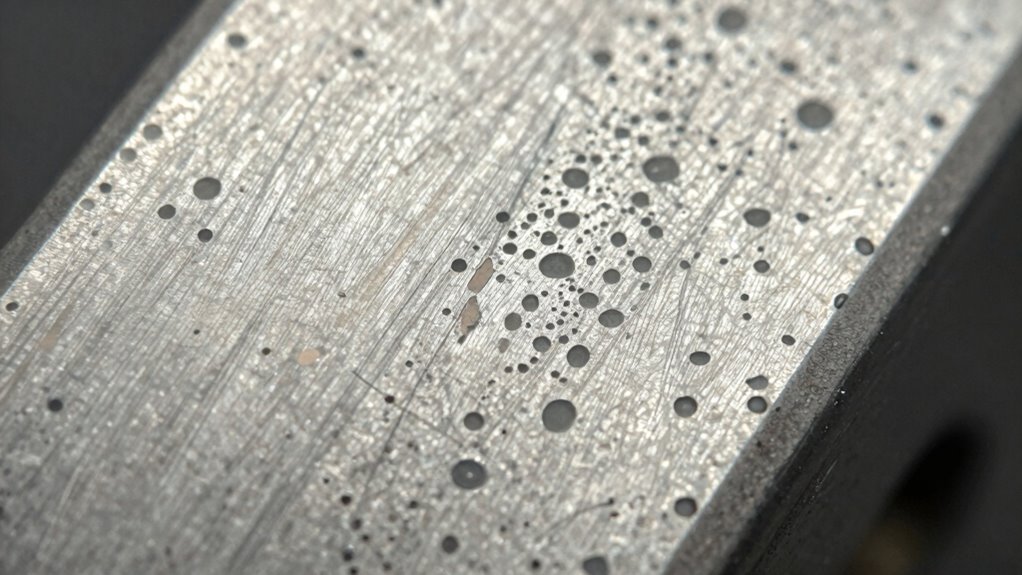
To catch micropitting early, you need to know what to look for during inspections. Focus on visual techniques to spot initial signs and pay attention to changes in wear patterns over time. Recognizing these clues helps you take action before damage worsens.
Visual Inspection Techniques
Early detection of micropitting relies heavily on careful visual inspections, which can reveal subtle signs before significant damage occurs. Look closely at the surface roughness and check for fine, shallow cracks or pitting spots that indicate material fatigue. Regular inspections help you catch early signs before they worsen. To effectively identify micropitting, focus on these key techniques:
- Examine surface roughness for irregularities or rough patches that might signal early damage.
- Use magnification tools to detect tiny pits or cracks that are difficult to see with the naked eye.
- Compare current surfaces to previous inspection images to identify any new signs of material fatigue or surface deterioration.
Consistent visual checks are your best defense against progressing micropitting.
Recognizing Early Signs
Detecting micropitting early requires you to stay alert for subtle surface changes that often go unnoticed at first glance. Look for tiny, shallow pitting or roughness on gear surfaces, especially in areas with high contact stress. Regular inspections, combined with proper lubrication practices, help reveal early signs before damage worsens. Pay attention to any slight changes in noise or vibration during operation, as these can signal surface irregularities. Material selection plays an essential role; tougher, well-chosen materials can resist early damage. Using magnification tools or dye penetrant inspections can uncover microscopic flaws you might miss with the naked eye. Staying proactive with these inspection tips ensures you catch micropitting early, reducing the risk of more significant, costly damage down the line. Surface deterioration monitoring is also vital, as it provides insight into the progression of damage and helps determine the appropriate maintenance actions. Incorporating preventive maintenance strategies can further mitigate the development of micropitting before it becomes critical.
Monitoring Wear Patterns
How can you identify micropitting through wear patterns before it causes serious damage? By closely inspecting surface roughness and lubrication quality, you can spot early signs. Look for subtle changes in surface texture, such as increased roughness or small pitting marks. Regular monitoring helps catch issues early. Here are key tips:
- Check for uneven wear or rough patches that suggest surface degradation.
- Evaluate lubrication effectiveness; poor lubrication often accelerates micropitting.
- Perform periodic surface inspections using magnification tools to detect tiny pits before they expand.
- Understand the importance of surface condition monitoring to maintain equipment integrity and prevent failure. Additionally, tracking changes in wear patterns can provide valuable insights into potential issues before they escalate. Incorporating advanced inspection techniques can further enhance early detection efforts. Regular analysis of lubricant condition is also crucial, as contaminants or degraded oil can mask or contribute to micropitting development. Staying vigilant about surface wear analysis helps you maintain optimal surface conditions over time. Consistent monitoring allows you to detect changes in wear patterns early, enabling timely maintenance. This proactive approach minimizes the risk of severe damage and prolongs component life. Remember, early detection of micropitting is essential for maintaining ideal surface condition and avoiding costly repairs.
As an affiliate, we earn on qualifying purchases.
How Does Micropitting Affect Gear Performance and Longevity?
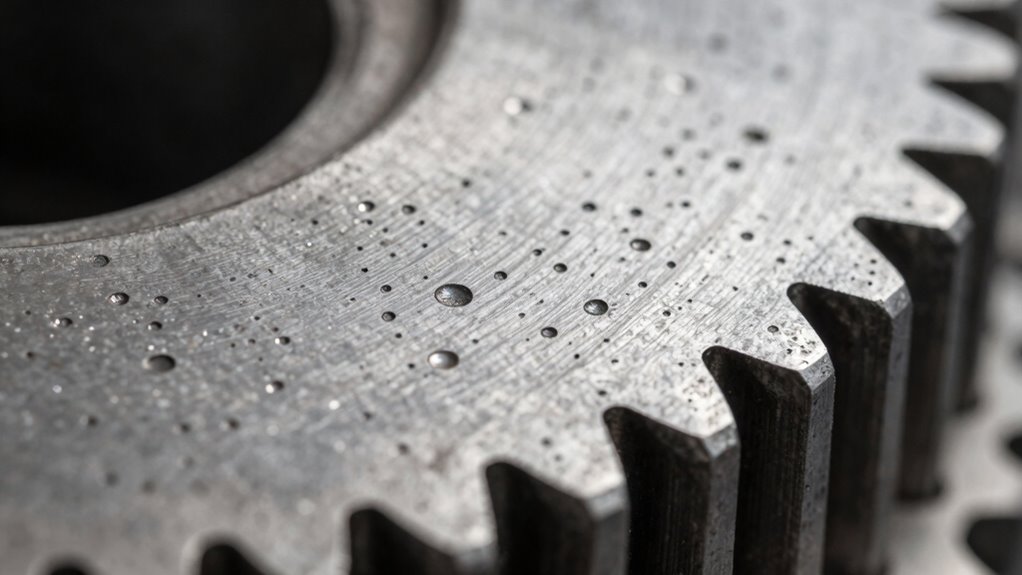
Micropitting can considerably diminish gear performance and reduce their lifespan by creating microscopic surface cracks that weaken the contact area. As these tiny pits develop, they cause increased surface fatigue and reduce load-carrying capacity. This process can be exacerbated by testing accuracy issues, leading to undetected early damage. Proper lubrication techniques are essential to minimize micropitting by reducing friction and preventing surface wear. Using the right lubricant viscosity and additives helps form a protective film, shielding gear surfaces from damage. Material selection also plays a critical role; choosing gear materials with higher fatigue strength and better surface resilience can delay micropitting onset. Additionally, caregiver emotional health practices such as stress management and self-awareness can help technicians maintain focus during inspections, reducing the risk of missed signs. Moreover, understanding material fatigue mechanisms can aid in selecting more durable gear compositions and implementing preventive measures. Recognizing lubricant film formation and its importance can guide better lubricant application practices. Addressing early detection of micropitting is crucial for avoiding costly repairs and downtime, thereby prolonging equipment life. Ignoring these factors accelerates deterioration, compromising gear efficiency and longevity. Addressing micropitting early ensures smoother operation and extended equipment life.
How to Prevent Micropitting and Extend Equipment Life
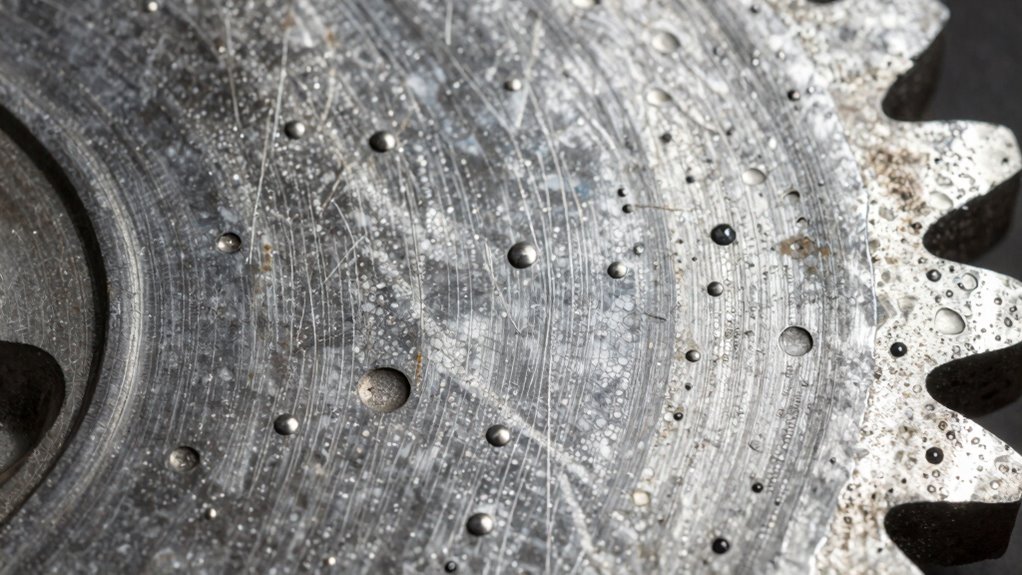
Preventing micropitting starts with implementing proper lubrication practices, as effective lubrication forms a protective film that minimizes metal-to-metal contact and reduces surface wear. To achieve this, focus on these key steps:
- Maintain the correct lubrication frequency to ensure a continuous film, preventing metal exposure.
- Choose materials with high wear resistance to better withstand micropitting stress.
- Regularly inspect and replenish lubricants to prevent contamination and degradation.
- Use manufacturer-recommended lubricants to ensure compatibility and optimal protection.
- Understand the metal-to-metal contact process to better prevent surface damage and extend equipment life. Additionally, understanding the regional flavor profiles can help in selecting lubricants that perform well under specific operating conditions, much like how regional coffee and tea flavors are paired for optimal taste and experience. Incorporating lubricant compatibility considerations can further optimize equipment performance and lifespan. Recognizing the importance of lubrication conditions can also help tailor maintenance schedules to prevent micropitting effectively.
Signs It’s Time to Repair or Replace Micropitted Parts
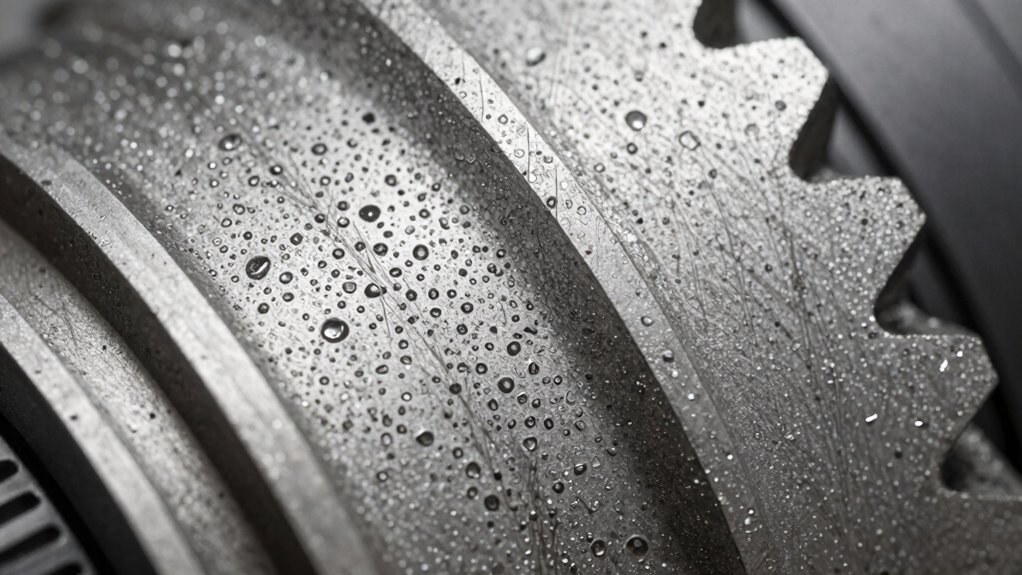
Recognizing the signs that indicate your equipment needs repair or part replacement can save you from costly failures and downtime. One key indicator is persistent lubrication issues, such as unusual noise, increased friction, or inconsistent oil film, which often signal micropitting damage. Additionally, material fatigue becomes evident when parts show cracks, flaking, or surface roughness. If you notice these symptoms, it’s likely to inspect and consider repairing or replacing affected components. Regular monitoring of lubrication performance and surface condition helps catch issues early. Addressing micropitting promptly ensures peak operation, reduces repair costs, and prolongs the life of your machinery. Proper maintenance techniques can help prevent or slow micropitting development and improve overall equipment longevity. Moreover, understanding the material properties involved in your machinery can guide better material choices to resist surface damage, especially when considering surface treatments that enhance durability. Staying informed about failure mechanisms can also help in designing maintenance schedules that mitigate such issues before they escalate. Incorporating advanced diagnostic tools can further aid in early detection of micro-level surface damage, enabling proactive maintenance strategies.
Key Maintenance Strategies to Avoid Micropitting
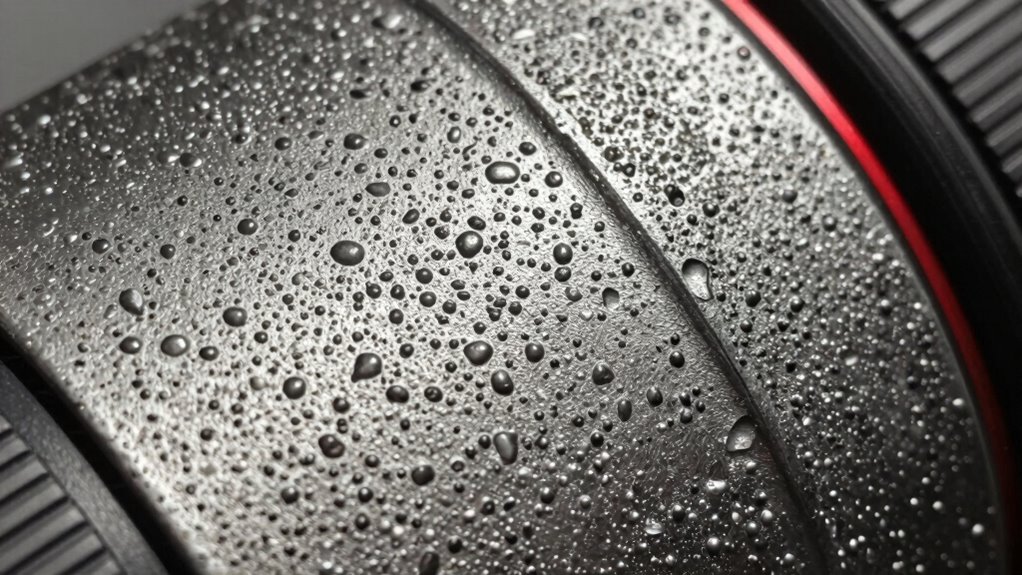
To prevent micropitting, you need to stay on top of regular lubrication checks, ensuring the parts are adequately protected. Managing loads properly also reduces stress on components, lowering the risk of damage. Additionally, using high-quality components helps maintain durability and minimizes micropitting susceptibility.
Regular Lubrication Checks
Regular lubrication checks are essential for maintaining the health of your machinery and preventing micropitting. Consistent inspections ensure your lubrication schedules stay on track, reducing wear and tear. To achieve this, focus on three key actions:
- Follow a strict lubrication schedule to prevent under- or over-lubrication, which can cause surface fatigue.
- Regularly inspect and replace filters to remove contaminants that accelerate micropitting.
- Check lubricant quality and levels, guaranteeing proper viscosity and cleanliness for maximum protection.
Proper Load Management
Proper load management is crucial for preventing micropitting, as excessive or uneven loads can cause surface fatigue and initiate microscopic damage. To achieve this, focus on lubrication optimization and balanced load distribution. Proper load distribution ensures no single gear or bearing bears excessive stress, reducing micropitting risk. Regularly assess load patterns and adjust operational parameters accordingly. Consider implementing load-sharing techniques to evenly spread forces across components. Use the table below to understand key strategies:
| Strategy | Benefits | Implementation Tips |
|---|---|---|
| Lubrication Optimization | Reduces surface wear | Use high-quality lubricants |
| Load Distribution | Minimizes concentrated stress | Balance gear loads |
| Monitoring | Detects uneven loads early | Use sensors and inspections |
Effective load management protects surfaces and prolongs equipment life.
Use of Quality Components
Using high-quality components is essential in preventing micropitting, as subpar parts are more prone to surface fatigue and microscopic damage. Choosing the right material selection guarantees the components can withstand operational stresses, reducing the risk of tiny cracks developing. Manufacturing precision also plays a critical role; tightly controlled manufacturing processes produce smoother surfaces and accurate dimensions, minimizing stress concentrations. To optimize component quality:
- Select materials with proven fatigue resistance suited for your application’s load conditions.
- Verify manufacturing processes emphasize precision to ensure proper surface finish and dimensional accuracy.
- Regularly inspect components for signs of wear or manufacturing defects, replacing parts before damage progresses.
Investing in quality components reduces micropitting risk and extends equipment life, leading to better performance and lower maintenance costs.
Frequently Asked Questions
Can Micropitting Occur in Non-Gear Mechanical Components?
Yes, micropitting can occur in non-gear mechanical components. You might notice surface fatigue or tiny surface cracks forming on parts like bearings, camshafts, or hydraulic components. These small damages result from repeated stress cycles, leading to surface fatigue that resembles micropitting. Over time, this can cause larger failures if not detected early. Regular inspections and proper lubrication are essential to prevent micropitting in these non-gear parts.
What Materials Are Most Resistant to Micropitting?
You should know that ceramics and hardened steels are most resistant to micropitting, with durability ratings often exceeding 90%. These materials withstand surface fatigue better, especially when combined with advanced surface coatings that enhance wear resistance. By selecting materials with superior durability and applying protective coatings, you markedly reduce the risk of micropitting, preserving component integrity and extending service life in demanding mechanical environments.
How Does Lubrication Quality Influence Micropitting Development?
Poor lubrication quality critically influences micropitting development. When lubrication breaks down, it exposes surfaces to metal-to-metal contact, accelerating damage. Using high-quality lubricants with effective additives helps prevent this breakdown, maintaining a protective film on surfaces. Proper lubrication reduces stress and heat, minimizing micropitting risk. You should regularly check lubricant condition and guarantee it contains suitable additives to protect your equipment from tiny, yet damaging, surface pitting.
Are There Specific Operating Conditions That Worsen Micropitting?
Yes, high operating temperatures and lubricant contamination can worsen micropitting. When your equipment runs hot, it accelerates lubricant degradation, reducing its protective qualities and increasing metal fatigue. Contaminants in the lubricant, like dirt or debris, can also cause abrasive wear, making micropitting more likely. To prevent this, keep operating temperatures in check and verify your lubricant stays clean and properly maintained, reducing the risk of microscopic damage turning into bigger issues.
What Advanced Technologies Can Help in Micropitting Mitigation?
Micropitting can be dramatically reduced with advanced tech like real-time lubrication monitoring, so you stay ahead of trouble. Surface coatings also act as a super shield, preventing tiny damage from escalating. These innovations create a fortress around your equipment, making failures nearly impossible. By integrating these technologies, you optimize performance and extend lifespan, ensuring your machinery runs smoother and longer than you ever thought possible.
Conclusion
Think of micropitting like tiny cracks forming on a fragile ice sheet—at first barely noticeable, but they can quickly grow and cause a collapse. Catching early signs and maintaining proper lubrication can prevent small issues from turning into big failures. Just like regularly checking your car’s oil keeps the engine running smoothly, vigilant maintenance keeps your gear surfaces healthy. Stay proactive, and your equipment will stay strong, avoiding costly surprises down the road.
Evergreen bestsellers Picks
bestsellers
As an affiliate, we earn on qualifying purchases.