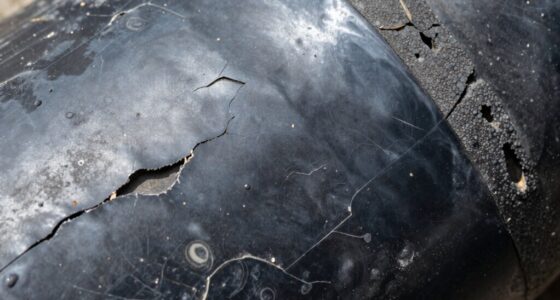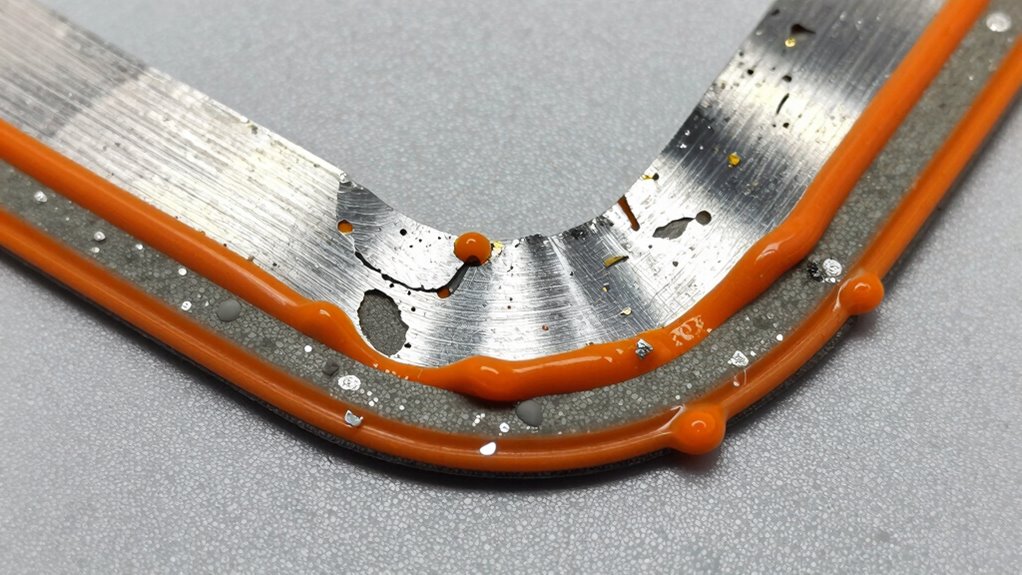

Gasket squeeze-out happens when you over-tighten or use improper pressure during installation, pushing gasket material beyond the flanges. This excess material can cause leaks by preventing a proper seal and lead to debris buildup around the gasket area. When debris accumulates or the seal is compromised, fluid can escape, risking contamination or damage. If you want to prevent these issues, understanding the causes and proper installation techniques can help you maintain a reliable seal.

Get business pricing on garage and car supplies
- Business-only prices and quantity discounts
- Tax-exempt purchasing
- Multiple users, one account, clear invoices
Key Takeaways
- Excessive gasket compression during installation can lead to squeeze-out, creating gaps that cause leaks.
- Gasket squeeze-out can trap debris around the sealing surface, increasing contamination risks.
- Incompatibility between gasket material and surfaces may cause uneven compression and squeeze-out.
- Improper tightening torque can result in over-compression and gasket distortion, leading to leaks and debris buildup.
- Surfaces that are unclean or uneven promote uneven gasket contact, increasing the likelihood of squeeze-out and leak paths.
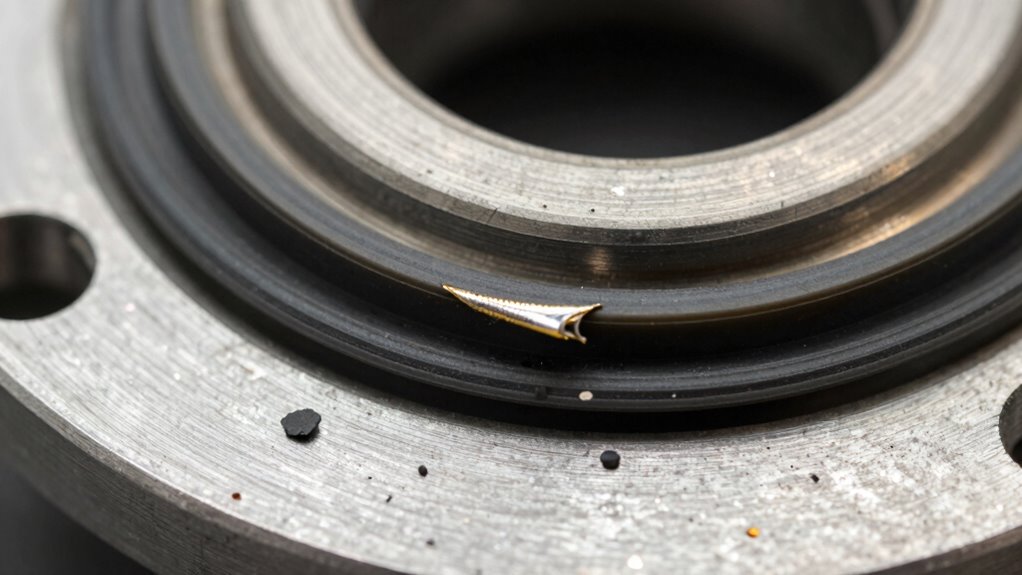
Have you ever noticed excess gasket material squeezing out when you tighten a bolt? That’s a common sight during assembly, but it’s more than just a visual cue—it can signal underlying issues that lead to leaks and debris buildup. Gasket squeeze-out occurs when the gasket material is over-compressed or incompatible with the surrounding materials, which can compromise the seal’s integrity. To prevent this, you need to pay close attention to material compatibility. Not all gasket materials work well with every surface or fluid, so selecting the right gasket for your specific application is vital. For example, using a rubber gasket with a high-temperature environment won’t hold up well and can cause excessive squeeze-out, while a gasket made from the appropriate material can form a reliable seal without excess material protruding.
One of the key factors in avoiding squeeze-out is mastering proper installation techniques. When tightening bolts, it’s important to apply even, incremental torque rather than rushing through the process. This ensures the gasket compresses uniformly, creating a tight seal without excess material being forced out. Many installers forget to follow the manufacturer’s recommended torque specifications, leading to over-tightening. This over-tightening not only causes squeeze-out but can also distort the gasket or damage the flange surfaces, resulting in leaks. Using a torque wrench and tightening in a crisscross pattern helps distribute pressure evenly, reducing the chance of excess gasket material squeezing out uncontrollably.
Proper tightening techniques prevent gasket squeeze-out and ensure a reliable seal.
Another important aspect of installation is preparing the surfaces correctly. Clean, dry, and smooth flange surfaces promote better gasket contact and reduce the likelihood of excess material. Applying a thin layer of gasket sealant or lubricant, if recommended, can also improve the sealing process and make it easier to achieve proper compression without excessive squeeze-out. Keep in mind that some gasket materials are more forgiving and can accommodate slight imperfections, but others require precise surface preparation to function efficiently. Additionally, understanding the properties of your gasket material helps you anticipate how it will behave during installation and how it interacts with the environment, preventing potential issues like leaks or debris intrusion. Ultimately, paying attention to material compatibility and following proper installation procedures ensures your gasket performs as intended, preventing leaks, debris intrusion, and costly repairs down the line.
gasket installation torque wrench
As an affiliate, we earn on qualifying purchases.
As an affiliate, we earn on qualifying purchases.
Frequently Asked Questions
How Can Gasket Squeeze-Out Be Prevented During Installation?
To prevent gasket squeeze-out during installation, you should use proper installation techniques and guarantee thorough surface preparation. Apply the correct gasket material and thickness, and tighten bolts evenly to avoid uneven pressure. Clean and smooth the mating surfaces before installation, and follow manufacturer torque specifications. These steps help maintain proper gasket compression, reducing squeeze-out, leaks, and debris buildup, ensuring a reliable, long-lasting seal.
What Types of Gaskets Are Most Susceptible to Squeeze-Out?
Rubber gaskets, foam gaskets, and soft elastomer gaskets are most susceptible to squeeze-out. You should watch for rubber degradation, gasket deformation, and excessive compression that cause these gaskets to extrude material beyond the sealing surface. When these gaskets experience high compression or poor material resilience, they’re more likely to squeeze out, leading to leaks and debris. Always select gaskets suited for your application to minimize these risks.
Does Gasket Squeeze-Out Impact the Overall Lifespan of Machinery?
Yes, gasket squeeze-out can reduce your machinery’s lifespan if it leads to leaks or debris buildup. Regular maintenance routines help you spot issues early, preventing damage. Ensuring proper material compatibility also minimizes squeeze-out, as incompatible materials are more prone to this problem. Addressing squeeze-out promptly keeps your equipment running smoothly, extends its service life, and reduces costly repairs, making it an essential aspect of effective machinery management.
Are There Specific Materials That Reduce the Risk of Squeeze-Out?
Yes, choosing materials with better chemical resistance and appropriate flexibility can reduce the risk of gasket squeeze-out. Material selection plays a vital role, as high-quality elastomers or composites designed for specific operating conditions help maintain gasket integrity. By selecting materials suited to your application’s chemical exposure and pressure demands, you can minimize squeeze-out, preventing leaks and debris buildup, ultimately extending your machinery’s lifespan and ensuring reliable performance.
How Does Temperature Affect Gasket Squeeze-Out and Sealing Effectiveness?
Temperature can dramatically impact gasket squeeze-out and sealing integrity, almost like a rollercoaster ride. When temperatures rise, thermal expansion causes gasket materials to soften, increasing the risk of squeeze-out and leaks. Conversely, cold temperatures make materials contract, potentially compromising sealing effectiveness. You must consider temperature fluctuations to maintain a reliable seal, choosing materials that withstand thermal changes and prevent squeeze-out, ensuring your gasket performs flawlessly under all conditions.
As an affiliate, we earn on qualifying purchases.
Conclusion
So, next time you see a gasket squeeze-out, imagine it as the gasket’s overenthusiastic handshake spilling too much glue—leaving leaks and debris everywhere. It’s like inviting chaos to your seal, only to wonder why your machine’s dripping or clogged. Remember, a little squeeze-out might seem harmless, but it’s really the gasket’s way of throwing a messy party you didn’t RSVP for. Keep it tidy, or prepare for the aftermath of sloppy sealing!
As an affiliate, we earn on qualifying purchases.
As an affiliate, we earn on qualifying purchases.
Fall Picks
fall essentials
As an affiliate, we earn on qualifying purchases.