Sealing surfaces fail mainly because of microscopic issues that develop gradually over time. Environmental factors like moisture, UV rays, and chemicals weaken materials and cause surface flaws such as tiny scratches or cracks. These imperfections reduce the seal’s ability to conform properly, leading to leaks and system failures. Often, these problems are subtle and hard to detect early. If you want to understand how these small issues escalate and how to prevent them, keep exploring further.

Get business pricing on garage and car supplies
- Business-only prices and quantity discounts
- Tax-exempt purchasing
- Multiple users, one account, clear invoices
Key Takeaways
- Microscopic surface imperfections like scratches and pits weaken seal integrity and initiate crack formation.
- Material degradation from environmental factors reduces elasticity and increases brittleness, leading to failure.
- Tiny damage often remains undetected during inspections but causes leaks over time.
- Surface flaws diminish a seal’s ability to conform, increasing vulnerability to leaks and contamination.
- Lack of proper maintenance and surface preparation accelerates microscopic deterioration and seal failure.
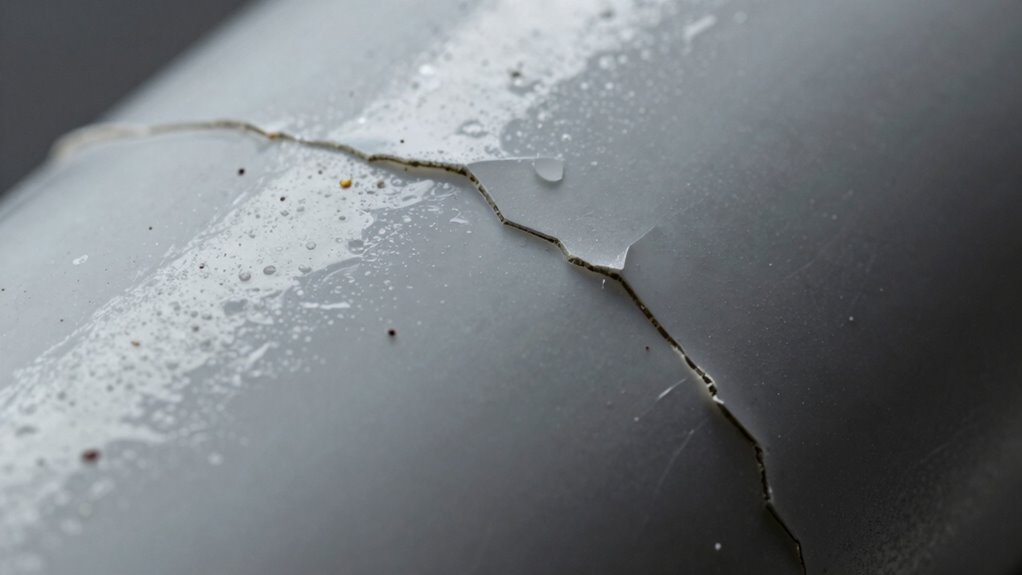
Sealing surfaces are often overlooked until they fail, but when they do, the consequences can be costly and disruptive. The truth is, many of these failures begin on a microscopic level, rooted in material degradation and surface imperfections that develop over time. You might not notice these subtle signs at first, but they play a vital role in the longevity of your seals. Material degradation occurs due to exposure to environmental factors such as temperature fluctuations, moisture, chemicals, and UV radiation. These elements gradually weaken the sealing material, causing it to lose elasticity, become brittle, or develop cracks. When the material deteriorates, it can’t perform its primary function—creating a reliable barrier—leading to potential leaks and system failures. Additionally, environmental stressors can accelerate the breakdown process, making early detection even more critical.
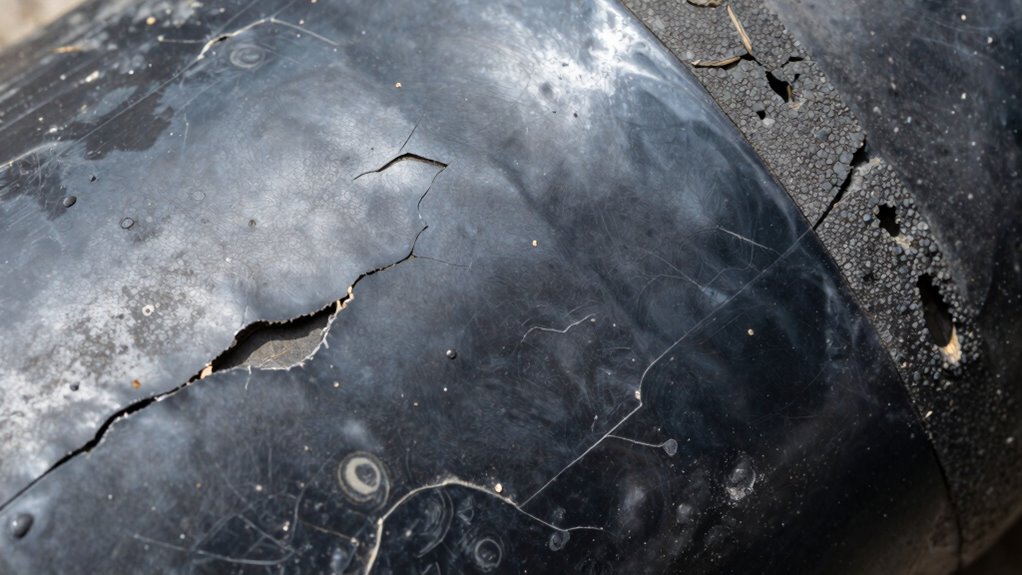
Surface imperfections are another key factor that accelerates sealing surface failure. Tiny scratches, pits, or uneven areas on the sealing surface might seem insignificant, but they can drastically compromise the integrity of the seal. These imperfections serve as initiation points for cracks or tears, especially under stress or pressure. When the surface isn’t perfectly smooth, the seal’s ability to conform to the mating surfaces diminishes, allowing fluids, gases, or contaminants to seep through. Over time, the combination of material degradation and surface imperfections creates a domino effect—small flaws expand, weakening the entire sealing system.
You might think that routine inspections are enough to catch these issues, but microscopic damage often goes unnoticed until it manifests as a leak or failure in the system. That’s why understanding the underlying causes of surface deterioration is essential. Proper material selection, considering the operating environment, can extend the lifespan of sealing surfaces. For example, using materials resistant to chemical attack or UV damage can slow degradation. Regular maintenance and meticulous surface preparation—smoothing out imperfections before sealing—can also prevent premature failure. When you ignore these details, you risk costly downtime, repairs, and safety hazards.
In essence, sealing surface failures are rarely sudden; they are the culmination of ongoing material degradation and surface imperfections. Recognizing that these microscopic issues are the root causes helps you adopt better preventive measures. By paying close attention to material compatibility, surface finish, and environmental conditions, you can substantially improve the durability and reliability of your sealing surfaces. Remember, the key to avoiding failure lies in understanding and addressing these tiny but critical factors long before they lead to major problems.
As an affiliate, we earn on qualifying purchases.
Frequently Asked Questions
How Do Environmental Factors Accelerate Sealing Surface Degradation?
Environmental factors accelerate sealing surface degradation by speeding up corrosion mechanisms and causing thermal expansion. Exposure to moisture, chemicals, or salt increases corrosion, weakening the seal’s integrity. Thermal fluctuations lead to expansion and contraction, stressing the surface and creating microscopic cracks. Over time, these processes combine, compromising the seal’s effectiveness and leading to failure faster than under controlled conditions. You can mitigate this by choosing resistant materials and controlling environmental exposure.
What Role Do Manufacturing Imperfections Play in Sealing Failures?
Think of manufacturing imperfections as tiny cracks in a fortress wall. They create weak points where material flaws and surface roughness can develop, making your sealing surface vulnerable. These flaws act like entry points for corrosion and debris, accelerating wear. When you overlook manufacturing quality, you risk compromising the seal’s integrity, leading to leaks or failure. Addressing imperfections early helps guarantee your seal stays strong and reliable under stress.
Can Surface Treatments Improve Sealing Longevity?
Yes, surface treatments can improve sealing longevity by enhancing the seal design and reducing microscopic imperfections. Applying coatings or surface modifications helps prevent wear and corrosion, extending the seal’s lifespan. Incorporate regular maintenance strategies to monitor surface conditions and address issues early. These combined efforts ensure your sealing surfaces stay effective longer, reducing downtime and costly repairs. Proper surface treatments and proactive maintenance are key to maintaining ideal sealing performance over time.
How Do Microscopic Contaminants Affect Seal Integrity?
Microscopic contaminants weaken seal integrity by adhering to surface porosity, creating tiny gaps that compromise the seal. When contaminants stick to the surface, they prevent proper adhesion of sealing materials, leading to leaks over time. You can reduce this risk by controlling contaminant adhesion and minimizing surface porosity through proper cleaning and surface treatments. This guarantees a stronger, longer-lasting seal, protecting your system from failure caused by microscopic debris.
Are There Advanced Materials That Resist Microscopic Failure?
Could you imagine sealing surfaces that resist microscopic failure? You can, thanks to nanostructured coatings and self-healing materials. These advanced materials are designed to repair tiny cracks and prevent contaminant ingress, effectively enhancing seal longevity. Nanostructured coatings create a barrier at the microscopic level, while self-healing materials actively restore integrity after damage. Together, they offer a smarter, more resilient solution to microscopic failure, ensuring your seals remain intact longer.
As an affiliate, we earn on qualifying purchases.
Conclusion
So, next time your sealing surface fails, remember—it’s not just about poor material or rough contact. No, it’s the microscopic truths lurking beneath, quietly sabotaging your efforts. Ironically, what seems insignificant often holds the key to failure, reminding you that even the tiniest flaws can topple the strongest seals. So, embrace the microscopic, because sometimes, the smallest details are the biggest culprits in your sealing struggles.
surface preparation tools for sealing
As an affiliate, we earn on qualifying purchases.
As an affiliate, we earn on qualifying purchases.
As an affiliate, we earn on qualifying purchases.
Fall Picks
fall essentials
As an affiliate, we earn on qualifying purchases.