
Many so-called “lifetime” transmission fluids actually need replacement over time, despite claims otherwise. Heat, friction, and contaminants break down lubricants, causing shifting issues and internal wear. Regular inspections and fluid changes are essential to keep your manual transmission running smoothly and prevent costly repairs. Ignoring recommended service intervals can shorten your transmission’s lifespan. Want to understand the true maintenance needs of your vehicle? Keep going to discover more about how to keep your transmission in top shape.
Key Takeaways
- “Lifetime” transmission fluids often degrade over time due to heat and contaminants, requiring periodic replacement.
- Regular inspection of clutch wear and pedal feel helps detect early signs of transmission issues.
- Many manufacturers’ “lifetime” fluid claims don’t account for real-world driving conditions and environmental factors.
- Following recommended service intervals, rather than relying solely on “lifetime” labels, prolongs transmission lifespan.
- Proper maintenance, including fluid changes, prevents costly repairs and ensures smooth shifting performance.
Maintaining your manual transmission is essential for smooth driving and long-term reliability. One of the most critical aspects of this maintenance is keeping an eye on clutch wear and fluid degradation. Over time, the clutch, which is responsible for engaging and disengaging the engine from the transmission, experiences wear. This wear can lead to slipping, difficulty shifting, or a spongy pedal feel. If you ignore these signs, your clutch may need premature replacement, which is often more costly than regular inspections and maintenance. Regularly inspecting the clutch pedal feel and engagement points can help catch early signs of wear before they become serious problems.
Regular clutch and transmission inspections prevent costly repairs and ensure smooth shifting.
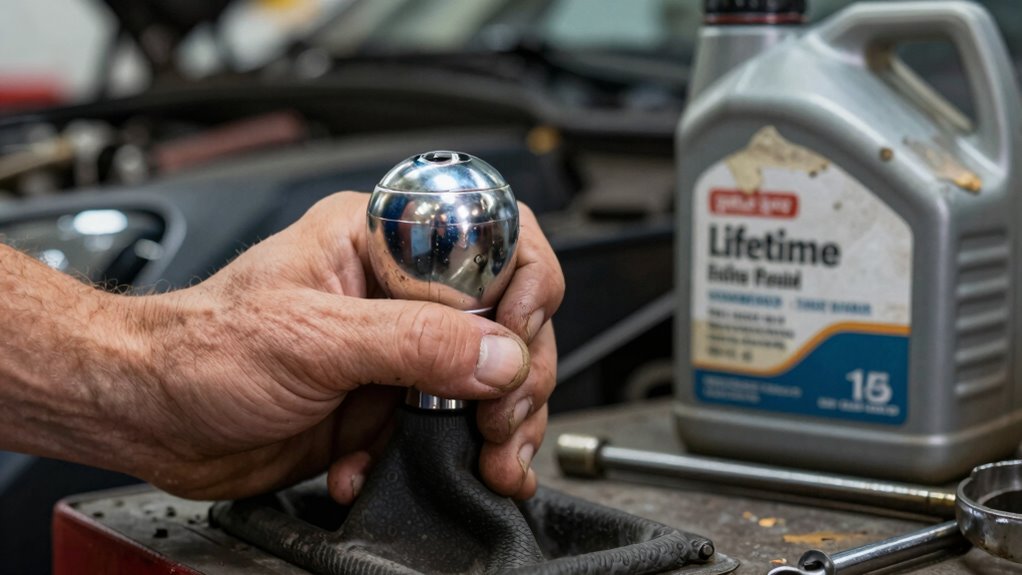
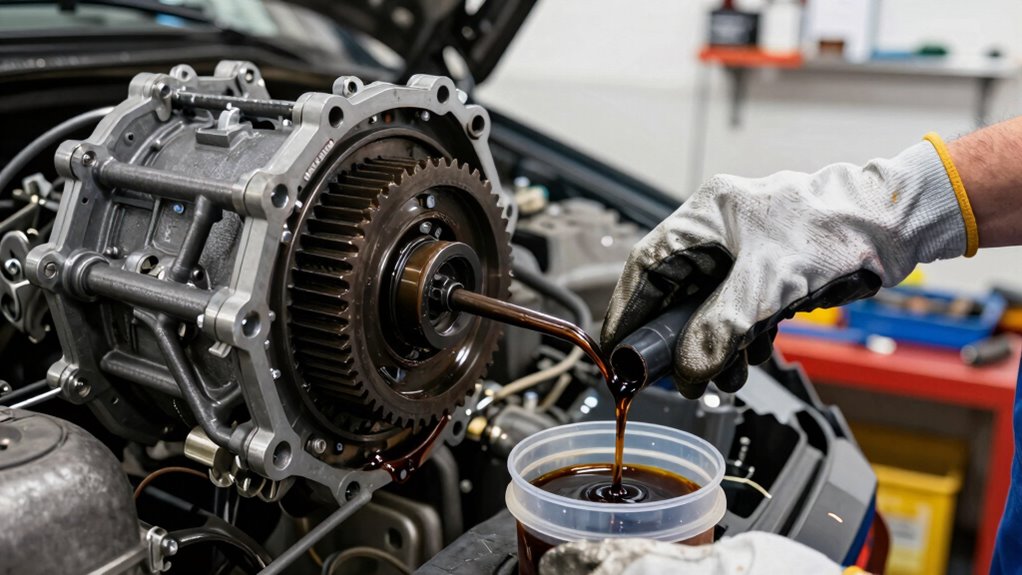
Fluid degradation is another key factor that directly affects your transmission’s health. Many manufacturers promote “lifetime” transmission fluids, but in reality, these fluids don’t last forever. Heat, friction, and contaminants gradually break down the lubricant, reducing its ability to protect internal components. When transmission fluid degrades, shifting can become rough, and internal parts are more vulnerable to wear and damage. Maintaining proper fluid levels and replacing the fluid at recommended intervals ensures your transmission remains well-lubricated and protected from premature wear.
While some vehicle owners assume that “lifetime” fluids mean they never need changing, this is a misconception. Modern transmission fluids are engineered to last a long time, but they’re not immune to age and use. Over time, they collect debris and lose their lubricating properties, which can cause increased clutch wear and internal component damage. It’s wise to follow your vehicle manufacturer’s service intervals or consult with a professional mechanic to determine when a fluid change is necessary. Doing so can prevent costly repairs down the line and keep your transmission shifting smoothly.
Additionally, paying attention to how your vehicle drives can help you identify issues early. If you notice grinding noises, difficulty shifting, or a burning smell, it’s time to have your clutch and transmission fluid inspected. Regular maintenance not only extends the life of your clutch and internal transmission components but also helps you avoid unexpected breakdowns. Remember, what’s considered “lifetime” for fluids varies based on driving habits, environment, and vehicle use, so don’t rely solely on the label. Instead, stay proactive with inspections and fluid changes, and your manual transmission will reward you with reliable performance for miles to come.
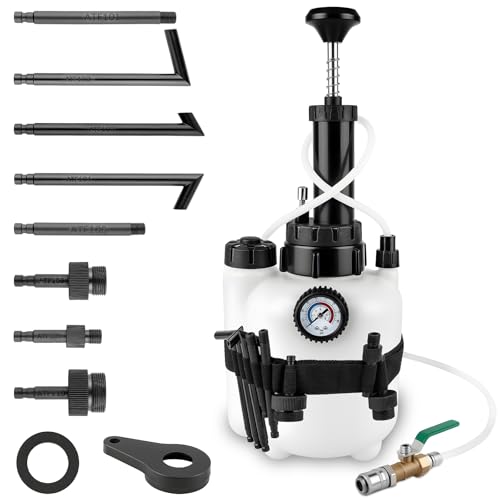
Crizendo Transmission Fluid Pump Kit 3L Manual Refill 8pcs ATF Adapters
- 3L Pressure Reservoir with Gauge: Enables solo brake fluid replacement
- Includes 8 ATF Adapters: Fits specific car models for tight seals
- Durable Fluid-Tolerant Body: Resists brake fluid and prevents leaks
As an affiliate, we earn on qualifying purchases.
As an affiliate, we earn on qualifying purchases.
Frequently Asked Questions
How Do I Know if My Manual Transmission Fluid Needs Changing?
You’ll know it’s time to change your manual transmission fluid if you notice increased transmission noise or difficulty shifting gears. Check the fluid quality—if it looks dark, gritty, or has a burnt smell, it’s a sign it’s degraded. Regularly inspect the fluid level and condition, especially if you drive in harsh conditions. Maintaining fresh fluid keeps your transmission running smoothly and prevents costly repairs down the line.
Are There Signs of Manual Transmission Fluid Degradation?
Yes, you’ll notice signs of manual transmission fluid degradation. If you experience fluid contamination, it can cause gears to shift less smoothly. You might feel increased resistance or grinding when shifting gears, and the gear shift may become less responsive. These issues indicate that your fluid has broken down or become contaminated, so it’s time to check and possibly replace your transmission fluid to maintain smooth gear operation.
Can I Change Manual Transmission Fluid Myself?
Yes, you can change your manual transmission fluid yourself if you’re comfortable with drivetrain maintenance. Start by locating the fill and drain plugs, then carefully drain the old fluid to prevent fluid contamination. Make sure to refill with the correct type of fluid specified for your vehicle. Doing it yourself saves money and guarantees your transmission stays in good shape, but always follow proper safety procedures and consult your owner’s manual.
What Are the Risks of Ignoring Manual Transmission Service Intervals?
Ignoring manual transmission service intervals risks transmission overheating and fluid contamination, which can cause significant damage. Over time, dirty or degraded fluid loses its lubrication properties, increasing wear on gears and bearings. This can lead to slipping, difficulty shifting, or even complete transmission failure. Regular maintenance helps prevent these issues, ensuring your manual transmission stays smooth, reliable, and lasts longer. Don’t neglect service intervals—your vehicle’s performance depends on it.
How Does Climate Affect Manual Transmission Fluid Longevity?
Climate impact profoundly influences your manual transmission fluid‘s longevity. In hot climates, high temperatures break down fluid viscosity faster, causing it to thin and lose lubricating properties. Conversely, cold environments can make the fluid thick, hindering proper flow and shifting. Regularly checking and changing your transmission fluid based on climate conditions guarantees peak performance and prevents premature wear, especially if you experience extreme temperatures.

VAINELY 5035 Truck Clutch Adjustment Gauge Set Tools for Accurately Measuring and Adjusting Pull-Type Clutches, Alignment Tool Replacement for Heavy Duty Truck
- Easy Alignment: Compatible with heavy-duty pull-type clutches
- Precision Measurement: Inspects clutch pedal clearance accurately
- Accurate Detection: Verifies release travel for proper operation
As an affiliate, we earn on qualifying purchases.
As an affiliate, we earn on qualifying purchases.
Conclusion
Think of your manual transmission like a garden that needs regular watering. I once ignored my car’s fluid change, and it eventually hiccuped on a long trip—reminding me that “lifetime” fluids are more like seasonal plants than permanent fixtures. Regular maintenance keeps your transmission happy and smooth, just like consistent watering keeps a garden thriving. Don’t wait for a breakdown—stay proactive, and your car will thank you with reliable performance season after season.

TYRAREX Automotive Transmission Fluid Tester Oil Analyzer Detector with Temperature Sensor, Gasoline & Diesel Gearbox Oil Diagnostic Tool with 31.5in Hose 2.8in Backlight Display (T20)
- Transmittance Testing: Detects impurities and sediments in fluid
- Universal Compatibility: Works with all transmission fluid types
- Large LCD Display: Features 2.8-inch high-definition screen
As an affiliate, we earn on qualifying purchases.
As an affiliate, we earn on qualifying purchases.
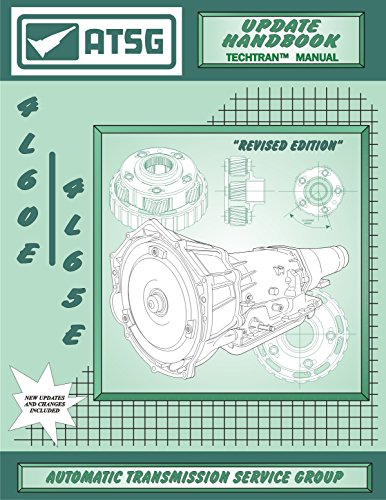
ATSG 4L60E /4L65E Update Handbook GM THM Transmission Update Repair Manual (4L60E Transmission Rebuild Kit – 4L60E Shift Kit 4L60E Valve Body – Best Repair Book Available!)
- Repair and overhaul guidance: Step-by-step repair instructions
- Detailed charts included: High-quality transmission charts
- Identification and wiring info: Valve body, electrical diagrams, wiring locations
As an affiliate, we earn on qualifying purchases.
As an affiliate, we earn on qualifying purchases.