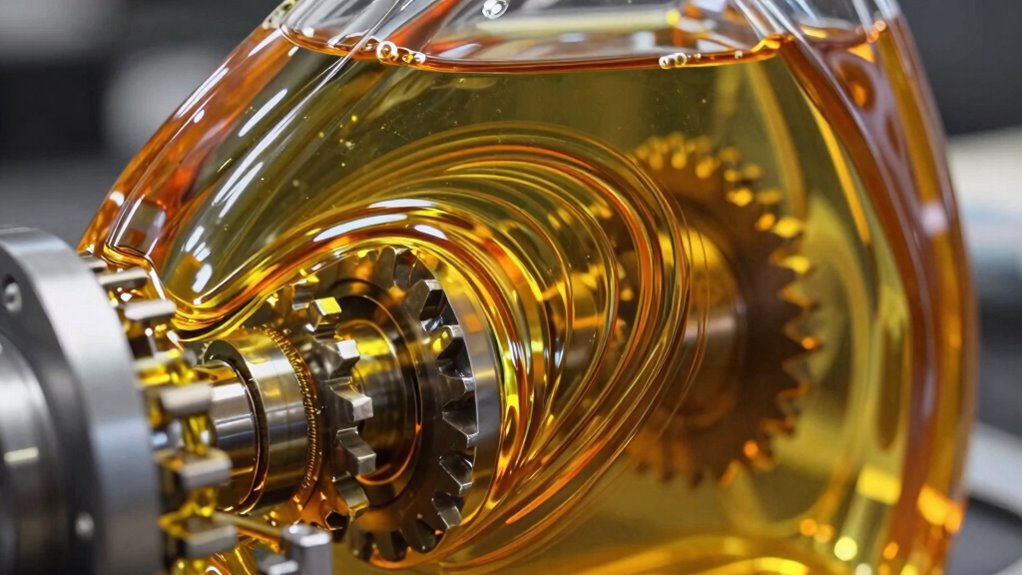

Multi-grade gear oils behave differently from engine oils because they’re designed to handle extreme pressure and temperature changes in gear systems. They contain specialized additives that resist high shear forces and maintain a stable viscosity across a wide temperature range. Engine oils focus more on quick circulation and protecting engine parts during temperature fluctuations. Understanding these differences can help you choose the right lubricant for your equipment, and there’s more to uncover about how these oils work under various conditions.
Key Takeaways
- Multi-grade gear oils have additives that maintain consistent viscosity under extreme pressure and shear forces, unlike engine oils.
- They are formulated to withstand high mechanical stresses and temperature fluctuations in gear systems.
- Gear oils focus on high-pressure film formation to prevent metal contact, requiring different additive chemistry from engine oils.
- Their viscosity index and additive packages are designed for stability across a wide temperature range, unlike engine oils.
- Engine oils prioritize rapid flow and engine cleanliness, while gear oils emphasize stability and protection under high load conditions.
When it comes to lubricants, many people wonder how multi-grade gear oils compare to engine oils. The key difference lies in their behavior under varying temperatures, which is influenced primarily by their viscosity index and additive chemistry. The viscosity index is a measure of how much a lubricant’s thickness changes with temperature. Multi-grade gear oils are designed to maintain more consistent viscosity across a wide temperature range, making them suitable for demanding applications where temperature fluctuations are common. Engine oils also have a viscosity index, but their formulation focuses more on protecting engine parts and reducing wear during rapid temperature changes inside an engine. Gear oils, on the other hand, need to stay thick enough at low temperatures to prevent gear slippage but thin enough at high temperatures to avoid excessive power loss. This balancing act is achieved through careful selection of base oils and additive chemistry. viscosity index plays a crucial role in determining how well these oils perform under temperature variations. Additive chemistry plays a critical role in how these oils behave. In gear oils, additives are formulated to enhance load-carrying capacity, reduce friction, and prevent corrosion. These additives include extreme pressure (EP) agents, anti-wear compounds, and rust inhibitors. Their chemistry is tailored to withstand the intense pressure and shear forces typical of gear mechanisms. Engine oils also contain additives, but their chemistry emphasizes detergents, dispersants, and antioxidants to keep engine parts clean and free of sludge. Because gear oils experience high shear forces, their additive chemistry must be designed to remain effective under such conditions, which often means they are more robust and specialized than those in engine oils. The differences in additive chemistry and viscosity index directly affect how each oil behaves in its respective application. Multi-grade gear oils are engineered for stability under extreme mechanical stresses, maintaining proper film thickness to prevent metal-to-metal contact. Engine oils, meanwhile, focus on quick circulation, thermal stability, and engine cleanliness. This is why multi-grade gear oils tend to have a more complex additive package tailored for high-pressure environments, while engine oils prioritize detergency and oxidation resistance. Ultimately, understanding these differences helps you choose the right lubricant for each application, ensuring optimal performance and longevity of your machinery.

CAT 562-9507 (5629507) GO SYN Gear Oil – 1 Gallon – SAE 75W-140, API GL-5
Genuine CAT GO SYN Gear Oil – 1 Gallon – Multi-grade gear oil designed for extreme-pressure applications
As an affiliate, we earn on qualifying purchases.
As an affiliate, we earn on qualifying purchases.
Frequently Asked Questions
How Do Multi-Grade Gear Oils Perform at Extreme Temperatures?
At extreme temperatures, multi-grade gear oils maintain excellent temperature stability, ensuring they perform well whether it’s hot or cold. Their viscosity behavior adapts to changes, flowing easily in cold conditions for smooth shifts and thickening in high heat to protect gears. This balance prevents wear and tear, keeping your gear system reliable and efficient, regardless of the temperature fluctuations you encounter.
Are Multi-Grade Gear Oils Compatible With All Types of Gear Materials?
You’ll find that multi-grade gear oils are generally compatible with most gear material types, but it’s important to verify material compatibility first. Different gear material types, like steel, bronze, or composites, may react differently to certain oils. Always consult manufacturer recommendations to ensure the oil you choose suits your gear materials. Proper compatibility prevents corrosion and wear, ensuring your gears operate smoothly and last longer.
What Are the Long-Term Effects of Using Multi-Grade Gear Oils?
Using multi-grade gear oils long-term helps maintain oxidation stability, preventing oil breakdown and sludge buildup that can harm your gears. They also offer excellent wear protection, reducing metal-to-metal contact and extending gear life. However, if not chosen carefully, they may deteriorate faster under extreme conditions. Regular oil analysis and timely changes ensure you maximize their benefits, keeping your gears protected and performing smoothly over time.
How Do Additive Packages Differ Between Gear and Engine Oils?
Did you know gear oils contain up to 60% more anti-wear additives than engine oils? The additive packages differ mainly due to formulation differences; gear oils focus on extreme pressure and load-carrying additives, while engine oils emphasize detergents and dispersants. Additive chemistry varies to match each oil’s specific function, ensuring ideal protection, lubrication, and performance under very different operating conditions.
Can Multi-Grade Gear Oils Be Used in Electric Vehicle Transmissions?
You shouldn’t use multi-grade gear oils in electric vehicle transmissions because electric vehicle lubrication requirements differ markedly. Electric transmissions need specialized fluids that guarantee proper cooling and friction characteristics, which multi-grade gear oils may not provide. Always check transmission compatibility before using any lubricant. Using the correct fluid assures peak performance, prevents damage, and extends the lifespan of your electric vehicle’s transmission system.

Valvoline Daily Protection 80W-90 Gear Oil 1 Quart
Extreme pressure additives deliver outstanding high pressure performance, load carrying capacity and durability for towing and hauling
As an affiliate, we earn on qualifying purchases.
As an affiliate, we earn on qualifying purchases.
Conclusion
So, when you choose multi-grade gear oils, remember they’re designed to handle different temperatures, to protect your gears, and to perform reliably under varying conditions. They’re built to adapt, to resist wear, and to maintain viscosity. Unlike engine oils, they’re formulated for gear needs, for protection, and for consistency. By understanding these differences, you guarantee your equipment runs smoothly, lasts longer, and performs better—because choosing the right oil means choosing reliability, durability, and peace of mind.
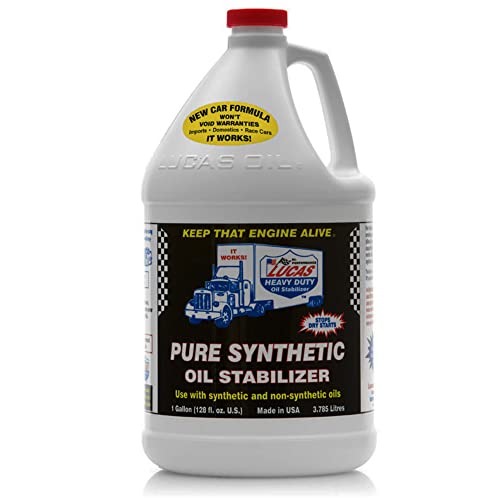
Lucas Oil 10131 Pure Synthetic Oil Stabilizer – 1 Gallon
World’s #1 synthetic oil additive
As an affiliate, we earn on qualifying purchases.
As an affiliate, we earn on qualifying purchases.

International Chemical Company ZURNOIL EP 95, Case of 12 Quarts
ISO 220
As an affiliate, we earn on qualifying purchases.
As an affiliate, we earn on qualifying purchases.