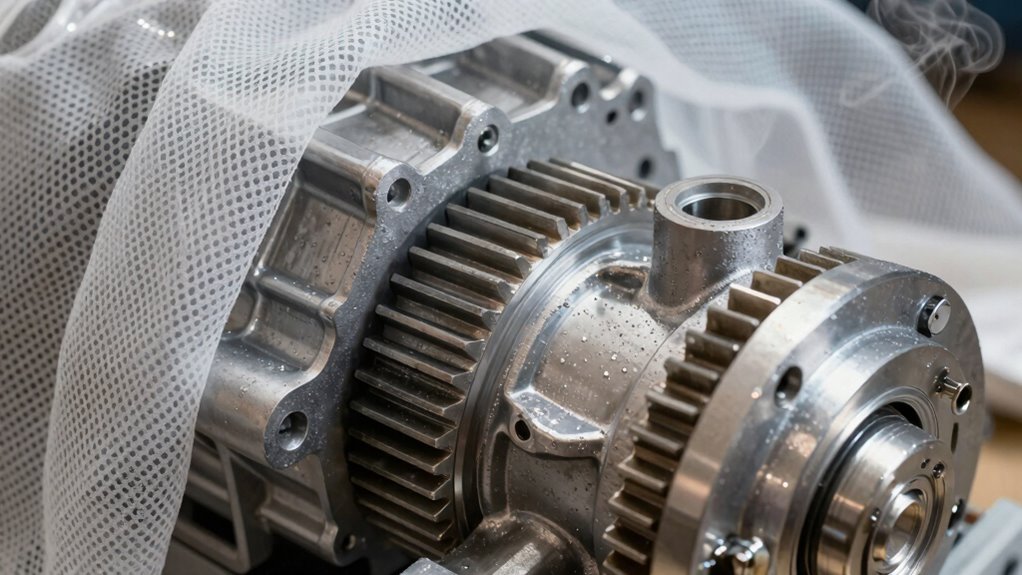

Venting your gearbox helps by releasing excess heat and moisture, preventing internal damage and keeping lubricants effective. However, over-venting can let in dirt, water, or dust, which may cause corrosion or abrasive wear. The key is balancing ventilation to suit your environment—sealed options work best in dusty or wet conditions, while proper venting aids in dry, clean settings. To learn how to optimize your gearbox’s breathability, keep exploring the details below.
Key Takeaways
- Venting helps by releasing excess heat and moisture, preventing internal corrosion and extending gearbox lifespan.
- Excessive venting can allow dust, water, and contaminants to enter, risking lubrication failure and component damage.
- Breathability is beneficial in dry, clean environments but may be harmful in dusty or wet conditions.
- Proper material selection, such as breathable seals and vents, balances heat dissipation with protection against external elements.
- Assessing environmental factors ensures venting enhances performance without compromising internal cleanliness.
Gearbox Breathability
When it comes to maintaining essential performance and longevity, gearbox breathability plays a crucial role. Your gearbox’s ability to vent excess heat and moisture directly impacts how long it lasts and how efficiently it functions. Proper ventilation helps manage moisture, preventing condensation that can lead to corrosion or internal damage. If moisture builds up inside the gearbox, it compromises material durability, weakening the components over time and increasing the risk of failure. By ensuring good breathability, you help maintain an optimal environment where moisture doesn’t accumulate, and the lubricants stay effective. This is especially important in environments with fluctuating temperatures or high humidity, where moisture intrusion is more likely.
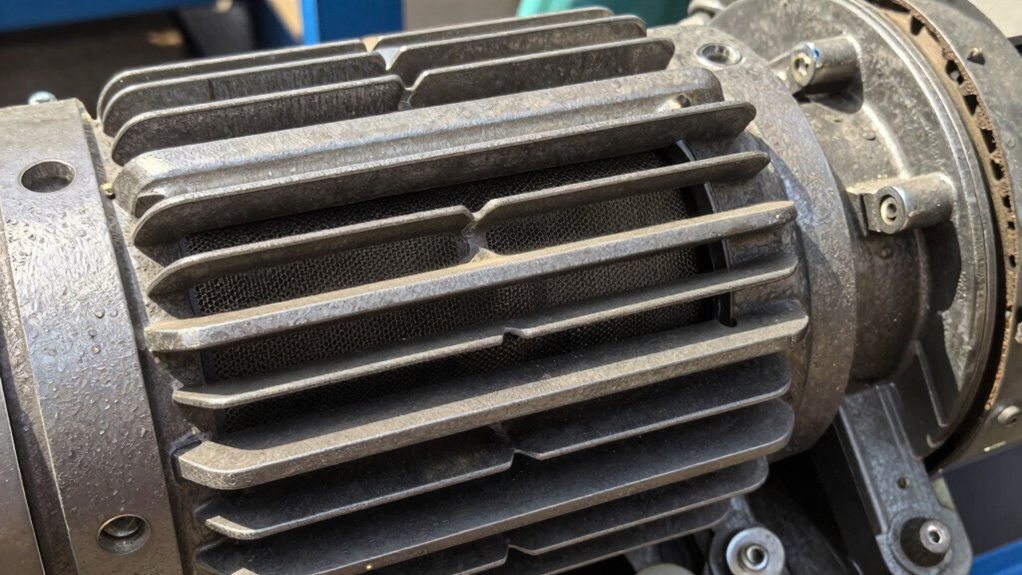
Choosing the right materials for your gearbox enclosure is vital for effective moisture management. Materials with high breathability allow air to pass through, facilitating the exchange of heat and moisture. This prevents the formation of damp spots that could cause rust or corrosion. Conversely, using non-breathable materials traps moisture inside, creating a humid environment that accelerates wear and reduces material durability. When selecting materials, consider ones that balance strength with permeability, so you protect the internal parts without sacrificing structural integrity. Ventilation features like vents, breathable seals, or mesh panels can significantly improve moisture management, helping your gearbox stay dry and functioning at its best.
However, venting isn’t always beneficial. If you vent excessively or in unsuitable conditions, you risk letting dust, dirt, or water ingress into the gearbox. This contamination can compromise the lubrication and cause abrasive wear on gears and bearings. In such cases, increased airflow can do more harm than good, leading to accelerated degradation of internal components. It’s essential to evaluate your operating environment carefully. In dusty or wet conditions, sealed or semi-sealed gearboxes with minimal venting are often better suited, preventing external contaminants from compromising internal parts while still allowing just enough airflow for heat dissipation. Additionally, understanding the environmental conditions helps determine the optimal level of breathability needed for your gearbox.
Ultimately, the key to effective gearbox breathability lies in striking the right balance. You want enough ventilation to manage heat and moisture, preserving material durability and ensuring smooth operation. But you also need to prevent external elements from entering and causing damage. Proper design, material selection, and environmental assessment are critical to achieving this balance. When venting is used thoughtfully, it enhances performance and extends the lifespan of your gearbox. When misapplied, it can invite problems that lead to costly repairs. Understanding your specific needs and conditions will help you make the best choices for your gearbox’s breathability strategy.

Gearbox Repair Kit, 3015377 (1 EA)
As an affiliate, we earn on qualifying purchases.
As an affiliate, we earn on qualifying purchases.
Frequently Asked Questions
How Does Gearbox Breathability Impact Overall Vehicle Performance?
Your gearbox breathability directly impacts overall vehicle performance by aiding pressure regulation and thermal management. When your gearbox vents properly, it prevents pressure buildup that could cause leaks or damage, while also dissipating heat efficiently. This keeps your transmission running smoothly and prevents overheating. Conversely, poor breathability can lead to excessive heat and pressure, reducing performance and risking long-term damage. Ensuring proper venting optimizes your vehicle’s reliability and efficiency.
Are There Specific Conditions Where Venting Always Harms the Gearbox?
Venting always harms your gearbox in sealed environments, high-pressure scenarios, and extreme weather conditions. When you maintain a sealed environment, venting lets moisture and dirt in, compromising lubrication and causing corrosion. In high-pressure scenarios, venting can lead to pressure imbalances, risking leaks or damage. Similarly, during extreme cold or heat, venting exacerbates temperature fluctuations, reducing efficiency and risking mechanical failure. So, avoid venting in these adverse conditions to protect your gearbox.
Can Improper Venting Cause Long-Term Gearbox Damage?
Yes, improper venting can cause long-term gearbox damage. If you don’t vent correctly, oil leaks may occur, leading to loss of lubrication. Additionally, contamination risks increase as dirt and debris can enter the gearbox through unsealed vents. Over time, this can cause wear and corrosion, reducing gearbox lifespan. Always guarantee your venting system functions properly to prevent these issues and protect your gearbox’s health.
What Types of Gearboxes Benefit Most From Breathability Features?
You benefit most from breathability features in gearboxes that handle high temperatures or heavy loads. Proper airflow optimization prevents overheating and reduces wear, making ventilation essential. Material selection also plays a key role—using breathable, durable materials helps maintain ideal operating conditions. If your gearbox experiences frequent stress or heat, investing in breathability features ensures longevity and reliable performance by managing moisture and heat effectively.
How Does Climate Influence the Need for Gearbox Venting?
Climate considerably impacts your need for gearbox venting because in hot, humid environments, proper venting enhances climate adaptation by reducing pressure buildup and preventing moisture accumulation. Conversely, in cold or dry climates, venting might reduce efficiency by allowing unwanted elements inside. You should assess venting efficiency based on your climate conditions, ensuring your gearbox remains protected without risking contamination or moisture-related issues.
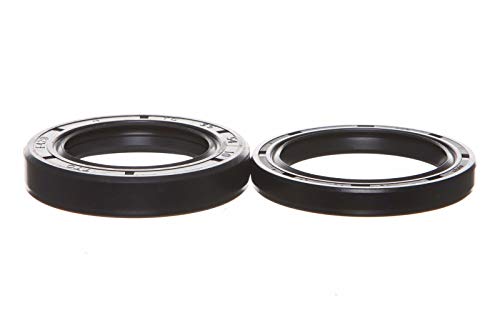
Input and Output Shaft Seal for Rotary Cutter Gearbox King Kutter 40HP&50HP
- Compatibility: Fits 40HP & 50HP rotary cutters
- Spline Compatibility: 12-spline output shaft
- OEM Part Numbers: Replaces various OEM seals
As an affiliate, we earn on qualifying purchases.
As an affiliate, we earn on qualifying purchases.
Conclusion
Understanding when to vent your gearbox is like walking a tightrope—you need just the right balance. Venting helps prevent moisture buildup and keeps parts cool, but too much can let dirt and water sneak in, causing damage. By paying attention to your gearbox’s environment and needs, you’re steering a steady course through potential pitfalls. When venting is used wisely, it’s like opening a window on a fresh, breezy day—refreshing and beneficial.

Belzona 1212 Surface Tolerant Epoxy Resin 450g Kit for Repair Composite Plate Bonding Engine Gearbox Sealing with Strong Adhesion Rapid Cure Wet Oil Underwater Solvent Free Base 205g
- Surface Tolerant Epoxy: Suitable for wet and underwater repairs
- Kit Composition: 205g Base A + 245g Solidifier B
- Application Areas: Metal, pipelines, tanks, engines, hulls
As an affiliate, we earn on qualifying purchases.
As an affiliate, we earn on qualifying purchases.

3/8" NPT Breather Cap with 40 Micron Filtration | C-Type Hydraulic Tank Cap & Vent Cap for Gearboxes, Coolant Reservoirs | Alloy Breather Filter Plug | Fits Hydraulic Tank, Valve Cover Breather
- 40 Micron Air Filtration: Balances pressure and reduces overheating
- Durable Materials: Corrosion-resistant steel and alloy construction
- Easy Installation: No tools required, universal NPT threads
As an affiliate, we earn on qualifying purchases.
As an affiliate, we earn on qualifying purchases.