
Long highway drives expose seals to extended heat, pressure, and vibration, which speed up their wear and tear. The heat thins lubricants, reducing their protective ability, while constant vibration causes tiny cracks and fatigue. Pressure fluctuations worsen micro-damage, leading to eventual leaks or failure. Over time, the materials degrade from high temperatures and UV exposure. Understanding these factors helps you see why seals often fail after long trips and how to prevent it.
Key Takeaways
- Prolonged heat and vibration cause material fatigue and micro-tears in seals.
- Extended drives lead to lubricant breakdown, reducing seal flexibility and increasing wear.
- Continuous pressure fluctuations accelerate micro-damage and material degradation.
- Exposure to UV rays and contaminants weakens seal materials over time.
- Lack of regular inspections allows early damage to go unnoticed, resulting in failures.
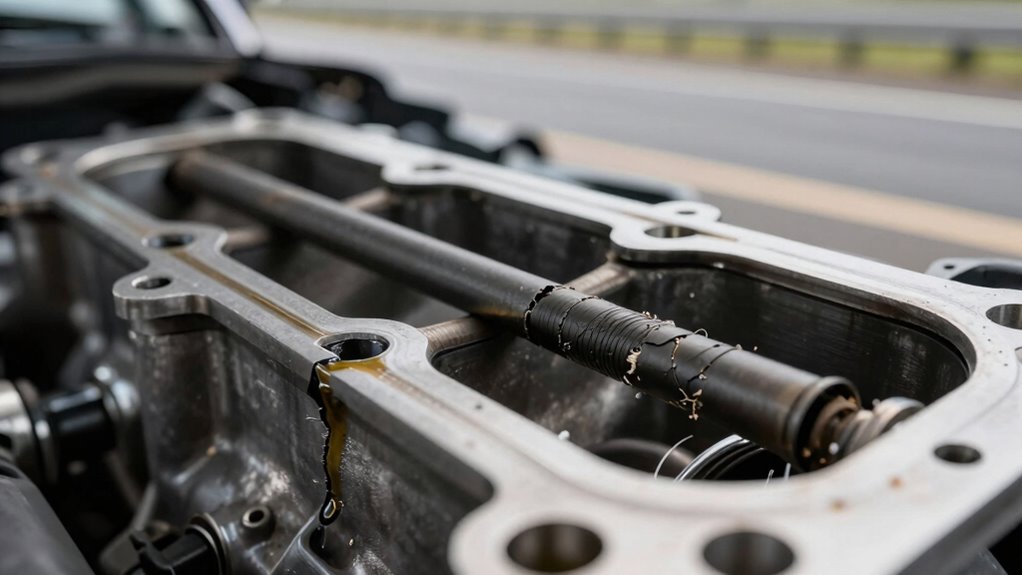
Long highway runs can take a toll on your vehicle’s seals, causing them to fail unexpectedly. When you’re cruising at high speeds for extended periods, the constant exposure to heat, pressure, and vibration stresses the seals, leading to common issues like lubrication problems and material degradation. These factors work together to weaken the seals over time, making failure more likely after long stretches on the road.
Long highway drives accelerate seal wear due to heat, pressure, and vibration stresses.
Lubrication issues are a primary contributor. Many seals rely on a thin film of lubricant to maintain their integrity, preventing metal-to-metal contact and reducing wear. During prolonged highway driving, the heat generated by friction can cause the lubricant to thin out or break down. If the lubricant isn’t replenished or if the seal design isn’t ideal, this can result in dry spots or gaps where contaminants can enter and cause further damage. As lubrication diminishes, the seal’s ability to flex and conform to mating surfaces diminishes as well, increasing the risk of leaks or complete failure.
Material degradation is another critical factor. Over time, exposure to extreme temperatures, UV rays, and road contaminants can weaken the materials used in seals, such as rubber or elastomers. High heat accelerates the breakdown of these materials, making them brittle, cracked, or less elastic. When the seal material deteriorates, it loses its ability to form a tight, flexible barrier, which can lead to leaks or the entry of dirt and moisture. Long highway runs exacerbate this process because sustained heat exposure and the constant movement cause cumulative wear. This degradation reduces the seal’s effectiveness, especially if it’s not designed to withstand such conditions or if it’s already aged.
Additionally, the constant vibration and pressure fluctuations experienced during long trips can cause micro-tears or fatigue within the seal material. Over time, these small damages compound, leading to larger failures that might not be immediately noticeable but become problematic once the vehicle cools down or is parked. If you neglect routine inspections or ignore signs of seal wear, the cumulative effects of lubrication issues and material degradation can catch you off guard, resulting in costly repairs and potential breakdowns.
Furthermore, proper maintenance practices can significantly extend the lifespan of seals during long highway journeys. In essence, long highway runs challenge your vehicle’s seals by pushing them to their limits. The combination of lubrication issues and material degradation accelerates their failure, especially if you don’t take proactive steps like regular maintenance and inspections. Recognizing these vulnerabilities helps you better understand why seals fail after long highway trips and underscores the importance of keeping your vehicle in good shape for those extended journeys.
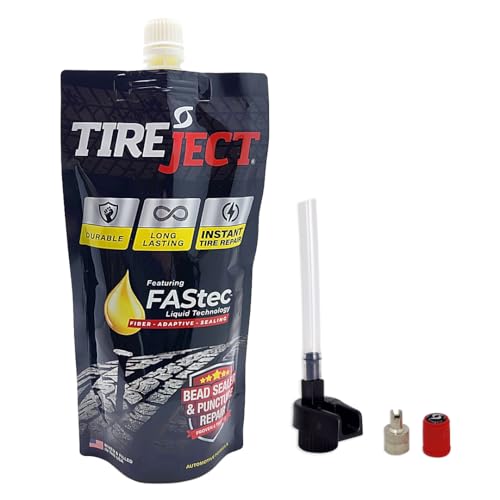
TireJect Automotive Full-Size Truck/SUV 2-in-1 Tire Sealant & Bead Sealer Kit for tire Repair of leaks and punctures
- Kit Includes: 8oz sealant, dispensing cap, valve core remover, valve cap
- Seals Bead and Tread Leaks: Up to 1/4 inch punctures
- Emergency Tire Repair: Ideal for roadside repairs
As an affiliate, we earn on qualifying purchases.
As an affiliate, we earn on qualifying purchases.
Frequently Asked Questions
Can Seal Failure Be Prevented With Regular Maintenance?
Yes, seal failure can often be prevented with regular maintenance. You should perform seal inspections regularly to catch any signs of wear or damage early. Additionally, seal lubrication is vital to reduce friction and prevent deterioration. By maintaining these practices, you help guarantee your seals stay in good condition longer, reducing the risk of failure during long highway runs. Consistent upkeep keeps your equipment running smoothly and efficiently.
Do Certain Seal Materials Last Longer Than Others?
You’ll find that synthetic seal materials often last longer than rubber because of their superior durability and resistance to chemicals and temperature changes. While rubber seals may be more affordable, synthetic options provide better seal material durability over time. Choosing the right material depends on your specific application, but for long highway runs, synthetic seals tend to withstand wear and tear better, reducing failure risks.
How Does Temperature Affect Seal Longevity?
Temperature considerably affects seal longevity by causing thermal expansion, which can lead to material fatigue and cracks. High temperatures accelerate oil degradation, weakening the seal’s ability to maintain a proper barrier. When you operate in extreme heat, you risk faster seal failure due to these combined effects. To extend seal life, guarantee proper cooling and choose materials resistant to high temperatures and oil degradation.
Are There Specific Signs Indicating Imminent Seal Failure?
You might find it ironic, but the signs of imminent seal failure are often subtle. Watch for unusual leaks, increased friction, or strange noises—these are your early detection clues. Seal wear progresses quietly, so catching these signs early can save you from costly repairs. Ignoring small leaks or vibrations only accelerates failure, making it clear that staying vigilant with regular inspections is your best defense against unexpected seal breakdowns.
What Are the Costs Associated With Seal Replacement?
Seal replacement costs vary depending on the seal material and the machinery involved. Generally, you can expect to spend anywhere from a few hundred to several thousand dollars, including labor and parts. High-quality seal materials may cost more initially but last longer, reducing overall replacement expenses. To minimize costs, consider investing in durable seals and regular maintenance, which can prevent frequent replacements and extend the life of your equipment.
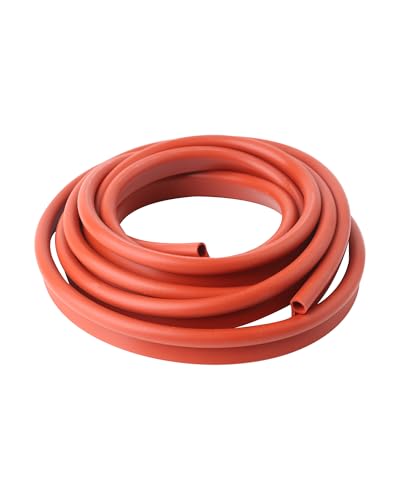
Zorqon 13ft Silicone P-Gasket Seal, Thick 7/16" Wide 7/8"
- Product Dimensions: 13ft long, 7/16 inch thick, 7/8 inch wide
- High-Temperature Resistance: Withstands up to 500°F (260°C)
- Premium Silicone Material: Made of durable, high-quality silicone
As an affiliate, we earn on qualifying purchases.
As an affiliate, we earn on qualifying purchases.
Conclusion
So, next time you hit the highway, remember that seals are like loyal guards—they work tirelessly but can wear down over time. Just as a river wears away stone, long runs can weaken these essential components, risking leaks and repairs. Don’t let your engine’s silent protectors become forgotten heroes; give them the care they deserve. After all, isn’t it better to prevent a leak than to deal with a flood? Keep those seals happy on every journey.

Cutting Fluid Friction and wear Tester, 230W Digital Display wear Tester, evaluates Lubricant Performance in Automotive and Industrial Applications
- High-Precision Testing: Ensures accurate and reliable results
- Multiple Testing Capabilities: Evaluates anti-wear and temperature tolerance
- Stable Operation: Provides smooth and reliable testing experience
As an affiliate, we earn on qualifying purchases.
As an affiliate, we earn on qualifying purchases.

CartClan 290cc Engine Gasket Kit & Seal for Club Car DS Precedent Gas Golf Cart 1992-UP FE290 Kawasaki Engine
- Compatibility: Fits Club Car DS & Precedent 1992-up
- Complete Kit: Includes gaskets and seals for 290cc engine
- High Quality Materials: Ensures long engine life and performance
As an affiliate, we earn on qualifying purchases.
As an affiliate, we earn on qualifying purchases.