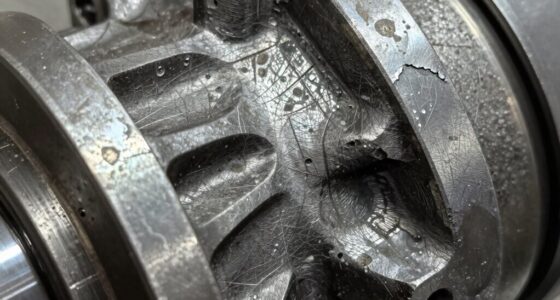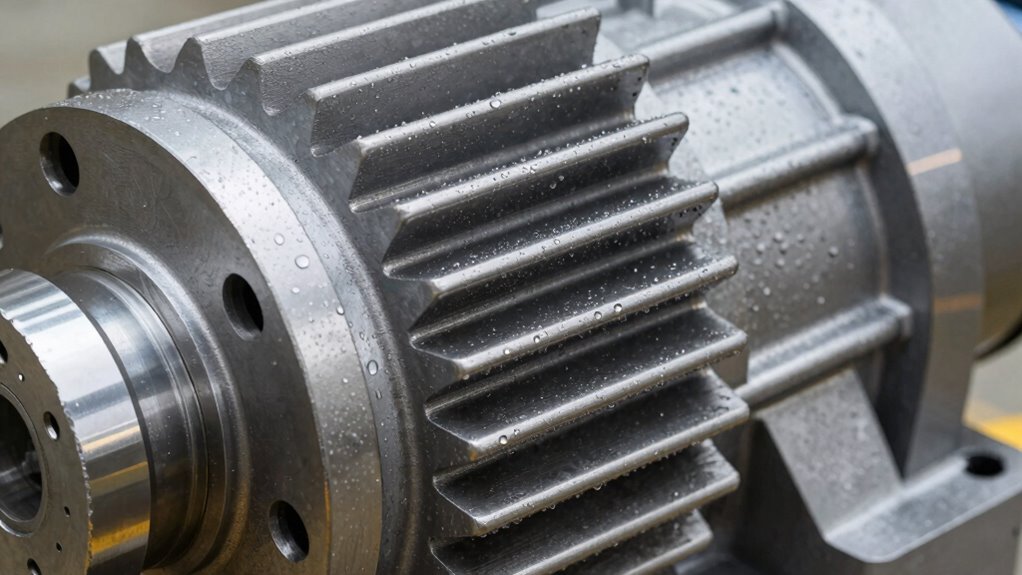

Understanding the condensation loop in industrial gearboxes involves recognizing how temperature changes and moisture buildup can cause internal humidity. When warm, moist air inside cools rapidly, it forms water droplets on surfaces, leading to corrosion and lubrication issues. Proper breathability—using venting, filters, and temperature controls—helps moisture escape and prevents condensation. Managing these factors improves equipment reliability. If you explore further, you’ll discover effective strategies to break this cycle and enhance gearbox longevity.
Key Takeaways
- Breathability allows moisture to escape, preventing condensation buildup inside the gearbox.
- Temperature fluctuations cause warm, moist air to cool and condense on internal surfaces.
- Proper venting and breather filters facilitate moisture release while blocking external contaminants.
- Insufficient breathability leads to moisture accumulation, accelerating corrosion and lubricant degradation.
- Managing internal temperature and humidity levels breaks the condensation cycle, preserving gearbox integrity.
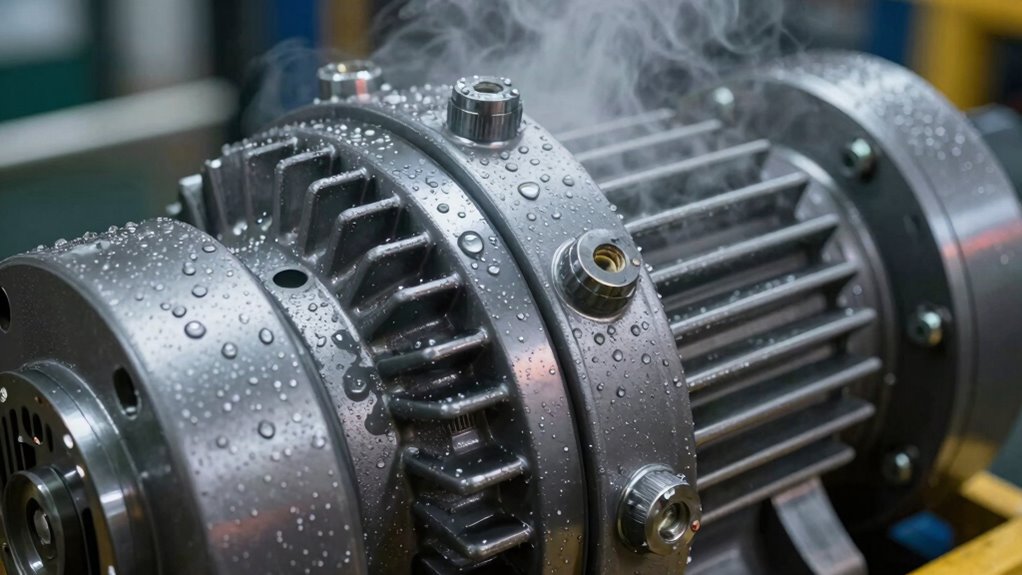
Have you ever wondered how industrial gearboxes stay reliable under demanding conditions? One key factor is effective breathability, which helps manage internal moisture and prevent damage. When gearboxes operate in variable environments, moisture can seep inside, leading to condensation that accelerates wear and corrosion. To combat this, engineers focus on lubrication optimization and temperature regulation. Proper lubrication not only reduces friction but also creates a barrier against moisture intrusion. Using the right lubricants ensures that internal components are shielded from humidity, while regular lubrication maintenance keeps the system sealed and functioning smoothly. Additionally, implementing recycled materials in gardening can contribute to more sustainable maintenance practices for equipment and facilities.
Temperature regulation plays an essential role in maintaining the gearbox’s integrity. Fluctuations in temperature cause air inside the gearbox to expand and contract, creating a cycle that encourages condensation formation. When warm, moist air cools quickly, water vapor condenses into droplets on cooler surfaces. This condensation loop can be relentless if not controlled, leading to rust and mechanical failures over time. By implementing temperature regulation strategies—such as heating elements, controlled ventilation, or insulation—you help maintain a stable internal environment. Keeping the gearbox at an ideal temperature minimizes the temperature differential that triggers condensation, effectively breaking the cycle.
Breathability design must also consider how gases and vapors escape or circulate within the gearbox. Proper venting allows excess moisture-laden air to exit, preventing pressure buildup that could force moisture inside. Some systems incorporate breather filters that allow air exchange while blocking dust and water ingress. These filters maintain internal dryness and prevent the formation of condensation loops. When combined with lubrication optimization and temperature regulation, breathability becomes a thorough approach to prolonging gearbox lifespan and ensuring reliable operation under strenuous conditions.
Ultimately, understanding the condensation loop helps you see why managing internal humidity is so essential. When moisture condenses inside a gearbox, it accelerates corrosion and deteriorates lubricants, leading to increased maintenance costs and downtime. By focusing on strategies like lubrication optimization and temperature regulation, you can effectively break this cycle. Proper breathability design ensures that moisture doesn’t accumulate, that internal temperatures stay within safe limits, and that your industrial gearboxes maintain peak performance even in challenging environments. It’s about creating a balanced internal environment—one that resists the damaging effects of condensation and keeps your equipment running reliably for longer.
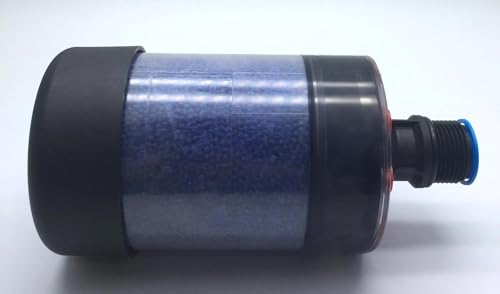
Hydraulic Reservoir Tank Desiccant Breather 934331T Breather Filter suitable for Parker Dehumidification Filter Element Compatible with All Hydraulic Reservoirs
934331T For Use With Parker All Hydraulic Reservoirs
As an affiliate, we earn on qualifying purchases.
As an affiliate, we earn on qualifying purchases.
Frequently Asked Questions
How Does Humidity Affect Gearbox Performance Over Time?
Humidity affects your gearbox by promoting condensation, which can lead to corrosion and wear over time. When humidity rises, moisture accumulates inside, increasing the risk of damage. To prevent this, you should guarantee proper ventilation and use condensation prevention measures, such as breathers or desiccants. Maintaining low humidity levels inside your gearbox helps extend its lifespan and keeps it running efficiently, avoiding costly repairs caused by moisture-related issues.
What Are the Signs of Condensation Buildup Inside a Gearbox?
You might notice rust or corrosion on gears, strange noises, or inconsistent performance—classic signs of condensation buildup. If you ignore these, moisture can cause serious damage. To prevent this, make certain proper ventilation solutions are in place and use moisture barriers to keep humidity out. Don’t let condensation turn your gearbox into a rust bucket; act early and keep it dry and running smoothly.
Can Breathability Issues Lead to Gearbox Failure?
Yes, breathability issues can lead to gearbox failure. Poor ventilation efficiency causes moisture buildup, which promotes corrosion and wear. If sealing techniques are inadequate, humidity enters, exacerbating condensation problems. Over time, this moisture deteriorates internal components, increasing the risk of mechanical failure. Ensuring proper ventilation and effective sealing techniques helps maintain ideal breathability, reducing condensation and extending your gearbox’s lifespan.
Are There Specific Materials Better at Preventing Condensation?
Think of materials like armor against condensation—some are more effective than others. You’ll find that corrosion-resistant steels, specialized plastics, and ceramics excel at preventing moisture buildup. Coating solutions, such as hydrophobic paints or vapor barriers, enhance material effectiveness by sealing out humidity. Choosing the right combination helps keep your gearbox dry, reducing the risk of condensation and ensuring smoother, more reliable operation over time.
How Often Should Breathability Systems Be Inspected or Maintained?
You should inspect and maintain your breathability system regularly, ideally every 3 to 6 months, to guarantee peak ventilation efficiency. Regular maintenance scheduling helps identify any issues with moisture buildup or ventilation blockages early, preventing condensation problems. Keep an eye on signs of reduced airflow or increased humidity inside the gearbox. Consistent upkeep ensures your system functions effectively, prolongs equipment life, and minimizes unexpected downtime.
gearbox temperature regulation devices
As an affiliate, we earn on qualifying purchases.
As an affiliate, we earn on qualifying purchases.
Conclusion
Now that you understand the condensation loop and how breathability impacts your gearbox, you might think you’ve got it all figured out. But there’s more beneath the surface—hidden factors that could silently threaten your equipment’s longevity. Will your system handle future challenges? Stay alert, because the next breakthrough in breathability technology could change everything. Keep watching, because what you learn next might just save your gearbox when you least expect it.

Gearbox Vision Eye Protection with Hard Case, Black Frame/Clear Lens
As an affiliate, we earn on qualifying purchases.
As an affiliate, we earn on qualifying purchases.

BLACKHAWK PERFORMANCE Lithium EP00 Grease for Centralized Lubrication Systems and Gear Boxes – 32 oz EZ Squeeze Pouch (2 pk)
High Performance Lubrication: Delivers reliable flow and protection in centralized lubrication systems, reducing friction and wear under demanding…
As an affiliate, we earn on qualifying purchases.
As an affiliate, we earn on qualifying purchases.