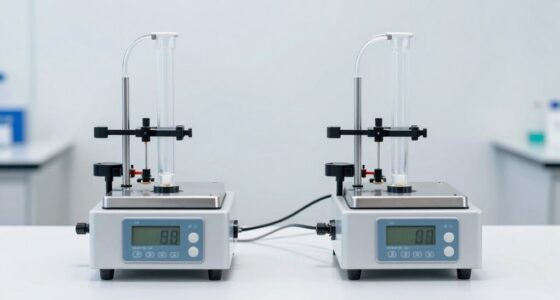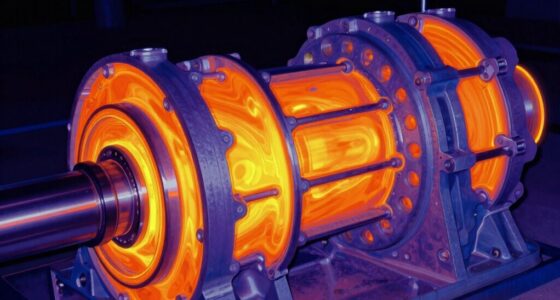

Cooldown curves are powerful tools that reveal how your device cools after use, offering insights into thermal performance, heat dissipation, and overheating risks. By analyzing these graphs, you can identify components that generate excess heat and see if your cooling strategies are effective. Understanding these curves helps you optimize device settings, extend battery life, and prevent damage. Keep exploring to uncover how mastering cooldown curves can revolutionize your device management.
Key Takeaways
- Cooldown curves reveal thermal performance, helping identify overheating issues and optimize cooling solutions effectively.
- They provide insights into how quickly devices dissipate heat, influencing design improvements and maintenance routines.
- Analyzing these graphs aids in preventing thermal throttling, extending device lifespan, and enhancing overall reliability.
- Cooldown curves help monitor component heat generation, guiding workload management to reduce thermal stress.
- Despite their value, cooldown curves are underutilized tools for proactive thermal management and device optimization.
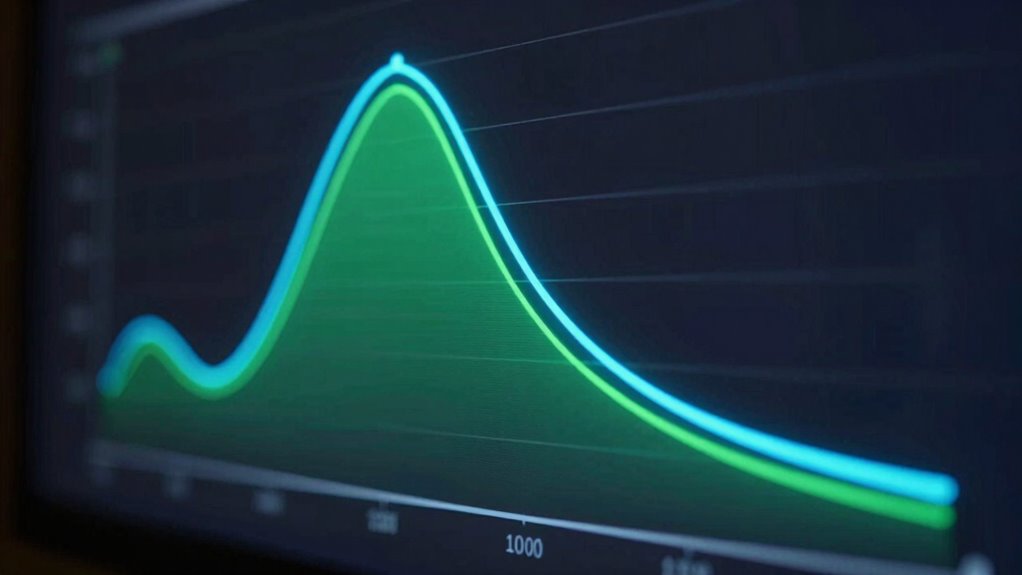
Cooldown curves are graphical representations that show how temperature decreases over time after a device is turned off. At first glance, they might seem simple—just a line sloping downward—but their real power lies in revealing the thermal dynamics of your system. When you study these curves, you discover how different factors, like ambient temperature, device design, or cooling mechanisms, affect the cooling rate. For example, a device with efficient heat dissipation will have a steeper descent in its cooldown curve, indicating it cools faster. Conversely, poor thermal design results in a sluggish slope, which can signal potential issues that might compromise performance or even cause overheating in subsequent uses. Analyzing cooldown curves also helps identify whether cooling strategies are effective or need adjustment. Understanding cooldown curves can greatly enhance your approach to performance optimization. By analyzing how quickly your device cools, you can identify if certain components generate excessive heat or if your cooling systems need improvement. For example, if a smartphone’s temperature remains high long after use, it suggests inefficient heat dissipation—something that could drain the battery faster or reduce performance over time. Using the data from cooldown curves, you can tweak system settings, improve cooling solutions, or adjust usage patterns to guarantee the device operates within ideal temperature ranges. This proactive approach helps prevent thermal throttling, which reduces performance to avoid overheating, ultimately maintaining a device’s peak performance longer. Moreover, cooldown curves give you a practical way to extend battery life. Heat is a major factor in battery degradation. The hotter a battery gets, the faster it wears out. By understanding the cooling characteristics of your device, you can implement strategies to keep it cooler for longer periods, such as adjusting workload or improving airflow. This not only preserves battery health but also enhances overall device lifespan. In essence, cooldown curves serve as a diagnostic tool, empowering you with the knowledge needed to fine-tune your equipment for better efficiency and durability. Recognizing the importance of thermal management can lead to better device design and maintenance practices. In short, cooldown curves are a vital, yet underused, resource in managing electronic devices. They provide a clear window into thermal performance, helping you optimize both performance and battery longevity. Once you start paying close attention to these curves, you’ll see how they can guide smarter decisions about device design, maintenance, and usage habits—saving you time, money, and frustration in the long run.
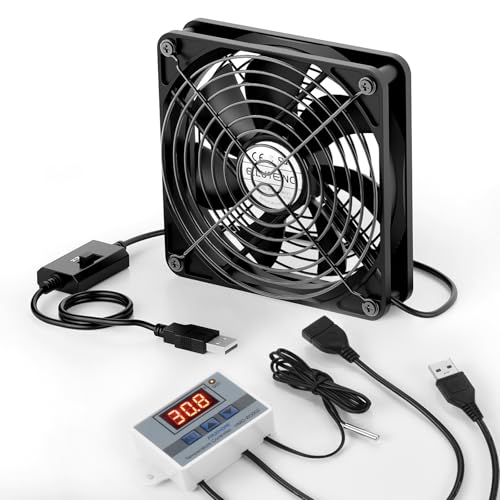
ELUTENG USB Fan 120mm with Digital Temperature Controller, 5V USB Powered PC Computer Fan 1500RPM 3 Adjustable Speeds Electronic Cooling Lufter with Metal Grill for Laptop/TV Box/AV Cabinet/PS5/Router
【120mm USB Fan with Digital Temperature Controller】This USB cooling fan features a digital display thermostat that precisely tracks…
As an affiliate, we earn on qualifying purchases.
As an affiliate, we earn on qualifying purchases.
Frequently Asked Questions
How Can Cooldown Curves Improve Manufacturing Efficiency?
Cooldown curves can improve your manufacturing efficiency by providing detailed thermal analysis, helping you identify ideal cooling rates. By analyzing these curves, you can fine-tune your process to reduce energy use, minimize defects, and accelerate production times. This process optimization ensures your materials cool uniformly, preventing warping or cracking, ultimately saving costs and boosting overall quality. Incorporating cooldown curves into your workflow makes your manufacturing process more precise and efficient.
What Equipment Is Needed to Generate Accurate Cooldown Curves?
You’ll need thermal analysis equipment, like infrared or thermocouple sensors, to generate accurate cooldown curves. Ensure the sensors are properly calibrated for precise temperature readings. Use data loggers and software to record and analyze thermal data. Proper calibration is vital to avoid errors, and selecting reliable, high-quality equipment ensures your cooldown curves accurately reflect cooling behavior, helping optimize manufacturing processes effectively.
Can Cooldown Curves Predict Long-Term Material Performance?
Yes, cooldown curves can help you predict long-term material performance by informing thermal modeling. By analyzing how materials cool and their thermal properties, you can identify potential issues like thermal fatigue or degradation. These curves provide insights into how materials respond over time, allowing you to optimize designs and maintenance schedules, ultimately extending the lifespan of components and ensuring reliable performance in the long run.
How Do Environmental Factors Affect Cooldown Curve Accuracy?
Environmental factors like thermal variability and ambient influence can profoundly affect cooldown curve accuracy. When temperature fluctuations or changes in surrounding conditions occur, they alter the cooling rate, making the curve less reliable for predictions. You need to take these factors carefully, possibly adjusting your data or controlling environmental conditions to guarantee the curve reflects true material behavior. Ignoring these influences can lead to inaccurate assessments of cooling performance.
Are There Software Tools Available for Analyzing Cooldown Curves?
Think of software tools as your personal lighthouse, guiding you through the fog of data. Yes, there are many options for analyzing cooldown curves, offering powerful software analysis and curve visualization features. These tools turn complex data into clear, actionable insights, letting you see trends and anomalies with ease. Whether you’re a seasoned engineer or just starting out, they’re your secret weapon for mastering cooldown behavior and optimizing performance.

TempPro TP50 Digital Hygrometer Indoor Thermometer Room Thermometer and Humidity Gauge with Temperature Humidity Monitor(Previously ThermoPro)
Wellness Indicator: This humidity meter with humidity level icon indicates air conditions – DRY/COMFORT/WET, allowing this humidity sensor…
As an affiliate, we earn on qualifying purchases.
As an affiliate, we earn on qualifying purchases.
Conclusion
By now, you realize how cooldown curves can transform your understanding of system performance. Did you know that analyzing these curves can reduce downtime by up to 30%? That’s a game-changer for efficiency and reliability. So, next time you’re troubleshooting or optimizing, don’t overlook this powerful tool. Embrace cooldown curves, and watch your insights deepen, making your work smarter and more impactful. The difference is just a graph away.

Kootek Laptop Cooling Pad, Laptop Cooler with 5 Quiet Fans for 12"-17" Computer PC Notebook Gaming Laptop Fan, Height Adjustable Laptop Cooling Stand Laptop Accessories, Blue
Whisper-Quiet Operation: Enjoy a noise-free and interference-free environment with super quiet fans, allowing you to focus on your…
As an affiliate, we earn on qualifying purchases.
As an affiliate, we earn on qualifying purchases.

PHOOZY Apollo Thermal Phone Case | Insulated Phone Pouch Extends Battery Life 3X | Heat Resistant Drop Protection | Military Grade Water Resistant | Large | Gold
FITS YOUR LARGE PHONES: Large interior dimensions of 6.5" by 3.6" by 0.4" accommodate Max and Plus phones…
As an affiliate, we earn on qualifying purchases.
As an affiliate, we earn on qualifying purchases.