Water in industrial gear oil can quietly reduce effectiveness, accelerate corrosion, and increase wear, making it a hidden drain interval killer. To prevent this, you need to control entry points like seals and ventilation, detect water early through tests or visual cues, and use filtration or separation systems to remove it. Proper maintenance and monitoring help avoid unexpected failures. If you want to learn how to master water control and extend your gear’s lifespan, keep exploring this topic.

Get garage and car supplies delivered free — and shop member deals
- Fast, free delivery on millions of items
- Access to Prime Big Deal Days deals on October 6–7
- Prime Video, Amazon Music and more included
Key Takeaways
- Water contamination accelerates gear oil degradation, leading to increased wear and shortened drain intervals.
- Proper sealing, filtration, and water separation techniques prevent water ingress and extend oil life.
- Regular oil analysis detects water presence early, allowing timely maintenance before drain intervals are compromised.
- Environmental factors like humidity and condensation are common water sources that threaten gear oil longevity.
- Implementing maintenance best practices, including seal inspections and water removal technologies, helps control water-related drain interval issues.
As an affiliate, we earn on qualifying purchases.
Why Water Contamination in Gear Oil Matters
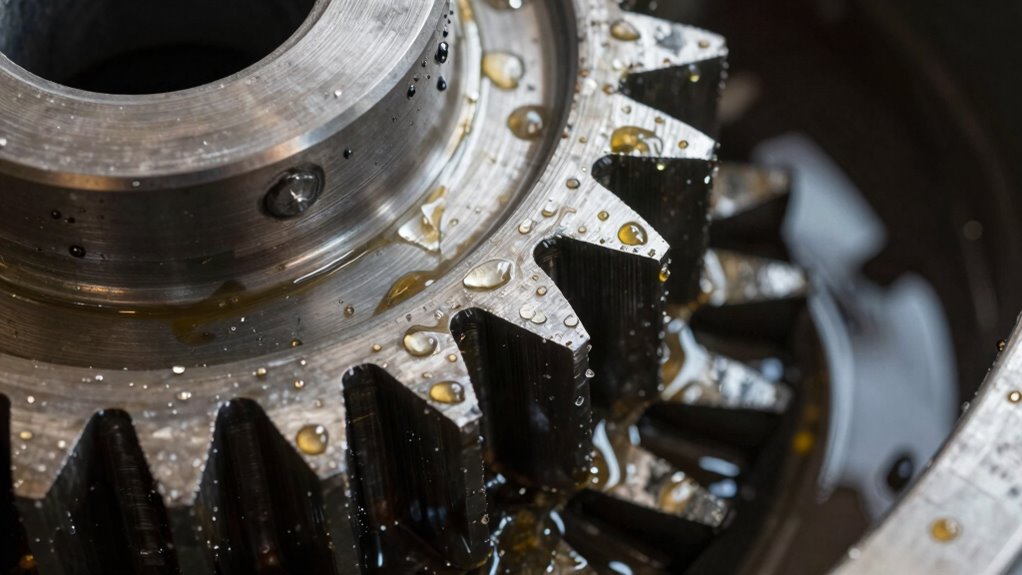
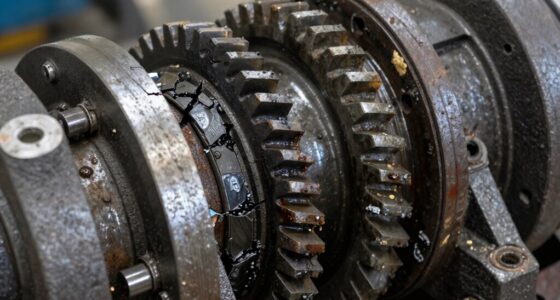
Water contamination in gear oil can markedly compromise the performance and longevity of industrial gear systems. When water enters the lubricant, it can dilute essential lubricant additives, reducing their effectiveness. This weakening diminishes the oil’s ability to prevent wear and tear on gears. Additionally, water promotes corrosion, especially if corrosion prevention measures aren’t in place. Corrosion damages gear surfaces, leading to increased friction, heat, and eventual failure. You might notice increased maintenance costs and unexpected breakdowns. By understanding why water contamination matters, you realize that controlling water ingress is essential for maintaining ideal gear operation. Proper filtration, sealing, and regular oil analysis are indispensable to prevent water-related issues and preserve the integrity of your gear systems over time. Awareness of water ingress can help identify potential vulnerabilities before significant damage occurs, and implementing water control strategies is vital for gear system reliability. Furthermore, understanding the impact of water on gear oil can guide more effective maintenance practices to extend equipment life.
industrial gear oil filtration system
As an affiliate, we earn on qualifying purchases.
As an affiliate, we earn on qualifying purchases.
How Water Enters Industrial Gearbox Systems (Sources of Water)
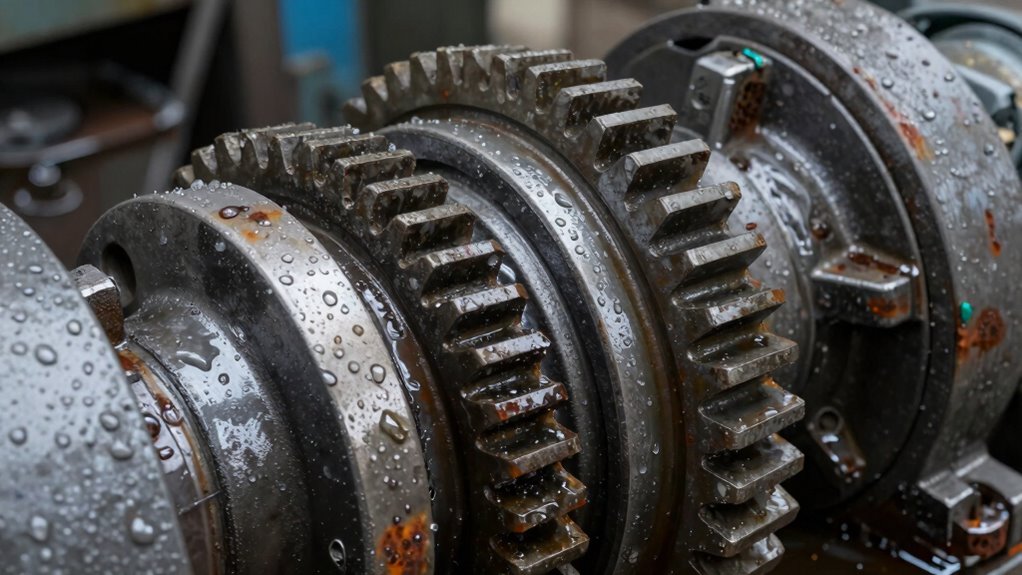
Water can enter your industrial gearboxes through environmental moisture or leaks, especially in humid conditions. Maintenance and handling errors also create pathways for water to contaminate the oil. Understanding these sources helps you better prevent water intrusion and protect your equipment. Proper filtering techniques and regular maintenance can further reduce the risk of water contamination in gear oils. Additionally, implementing water separation methods can effectively remove accumulated moisture from the oil before it causes damage. Incorporating water ingress prevention strategies such as sealed enclosures and proper sealing practices can significantly minimize the entry of water into gear systems. Elevating awareness of contamination sources can help prevent costly gear failures due to water damage. Recognizing environmental influences allows for proactive measures to control moisture levels effectively.
Environmental Moisture Intrusion
Environmental moisture can find its way into industrial gearboxes through various pathways, often compromising the integrity of the gear oil. Humidity, condensation, and leaks are common sources that allow water to infiltrate the system. When moisture enters, it challenges your corrosion protection efforts, increasing the risk of rust and wear on gears. To combat this, you need robust environmental safeguards, such as sealed enclosures and proper venting, to minimize water ingress. Regular inspections help identify breaches early, preventing moisture buildup. By understanding how environmental moisture penetrates your gearboxes, you can implement effective barriers and monitoring systems, ensuring your gear oil remains free of water contamination. Additionally, employing moisture control techniques can significantly reduce the risk of water ingress, extending equipment life and maintaining optimal lubrication performance. Understanding water ingress pathways allows you to develop targeted preventative measures, further safeguarding your gear systems. Paying close attention to environmental conditions such as humidity levels and temperature fluctuations can further help in designing effective water intrusion prevention strategies. Incorporating monitoring systems can also provide real-time data, enabling prompt responses to any environmental changes that might lead to water intrusion, and utilizing sealing technologies can provide an extra layer of defense against moisture entry.
Maintenance and Handling Errors
Many maintenance and handling errors can introduce water into your industrial gearboxes, often unintentionally. For example, improper storage or opening the gear housing without proper sealing can allow moisture to enter. Using contaminated or improperly filled lubricant additives can also introduce water, compromising the gear material and lubrication quality. Failing to follow manufacturer recommendations for draining and refilling gear oil increases the risk of water ingress. Additionally, neglecting to inspect seals and gaskets regularly can lead to leaks, letting water seep in over time. These mistakes undermine the protective properties of the lubricant, accelerate corrosion, and shorten gear life. Regularly monitoring water levels and performing routine inspections can help identify potential issues early and prevent water entry. Ensuring proper handling procedures during maintenance further reduces the chance of water contamination. Proper seal maintenance is essential for maintaining a watertight environment in gearboxes, preventing contaminants from entering. Implementing a comprehensive preventive maintenance plan can significantly reduce the likelihood of water ingress and extend gear lifespan. Being aware of water intrusion sources and how they occur helps in designing effective safeguards. By handling gear systems carefully and ensuring proper procedures, you minimize water entry and preserve ideal gear performance.
gear oil water detection test kit
As an affiliate, we earn on qualifying purchases.
As an affiliate, we earn on qualifying purchases.
Detecting Water in Gear Oil: Signs, Tests, and Monitoring Methods
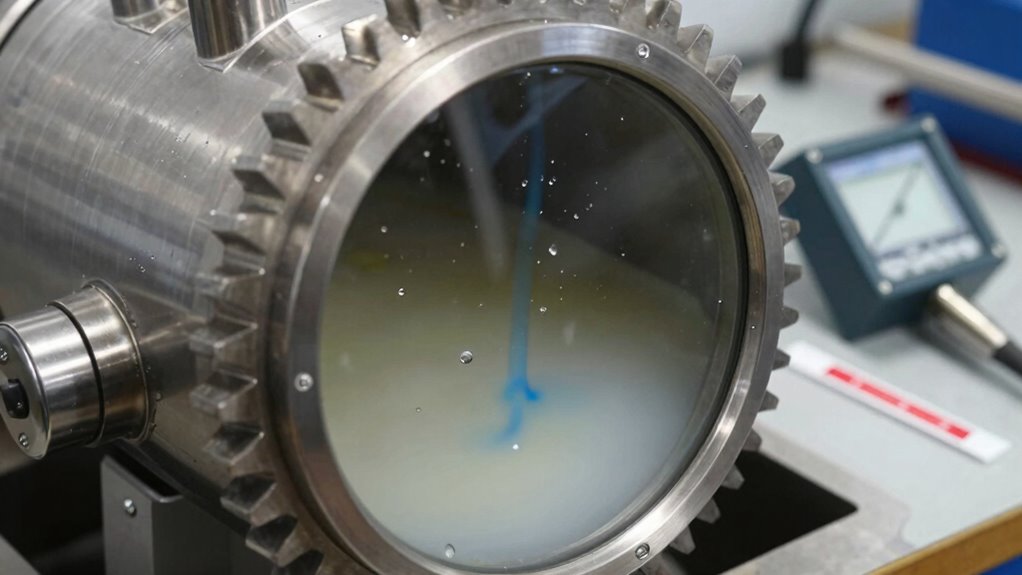
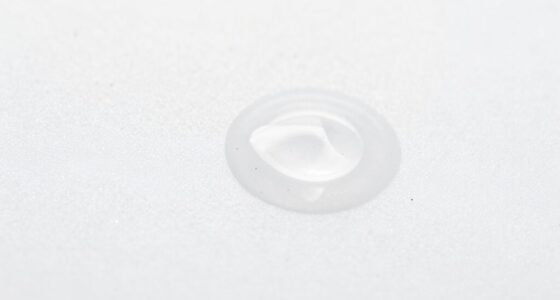
How can you tell if water has contaminated your gear oil? Look for visible signs like milky or cloudy fluid, which indicate water presence. Conduct a simple test by taking a sample and letting it sit; separation of water from oil confirms contamination. Monitoring methods include using water sensors or test kits that change color in contact with water. Keep in mind, water can affect oil additive compatibility and alter gear oil viscosity, leading to reduced lubricating performance. Regular testing helps you catch water ingress early before it causes damage. Here’s a quick overview:
| Test Method | What to Look For |
|---|---|
| Visual Inspection | Milky appearance, water separation |
| Test Kits | Color change indicating water presence |
| Viscosity Checks | Unexpected viscosity shifts, indicating water contamination |
Additionally, understanding the water ingress process can help you implement preventative measures to protect your gear oil. Recognizing the signs of water contamination early can save significant maintenance costs and prevent equipment failure. Being aware of the effects of water on oil properties is essential in maintaining optimal gear performance. Regular monitoring and proper sealing techniques are key components in preventing water entry into gear systems.
As an affiliate, we earn on qualifying purchases.
How Water Affects Gear Oil Films and Increases Wear
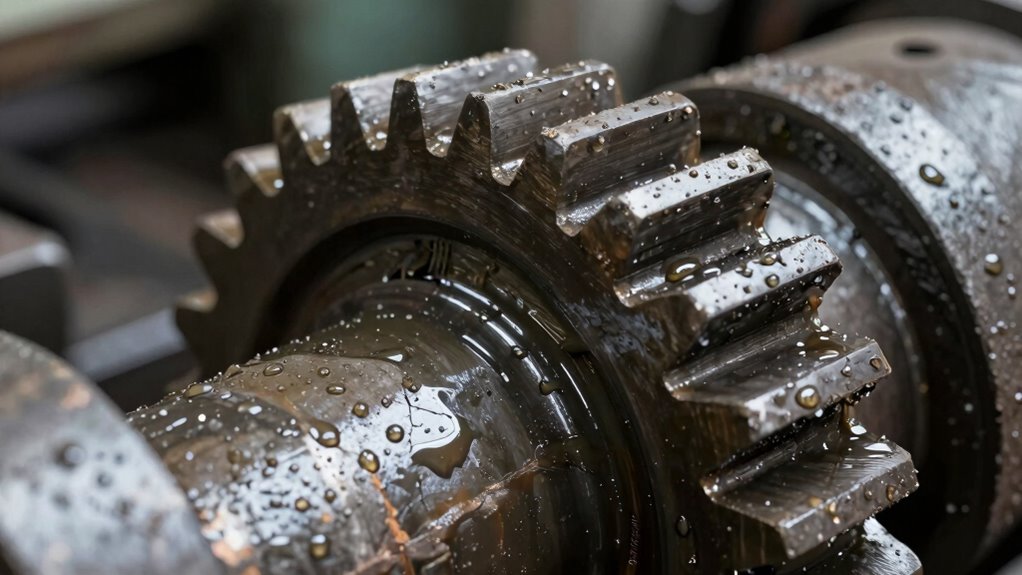
Water in gear oil can break down the protective film that keeps metal surfaces separated. When this film weakens, metal parts come into direct contact, leading to increased friction. As a result, wear accelerates, shortening the lifespan of your gear components. Additionally, water contamination can promote corrosion inside the gear system, further exacerbating wear and damage. The presence of water can also accelerate oxidation, which degrades the oil’s effectiveness over time. Proper maintenance practices, such as regular checks for filter maintenance, can help detect water contamination early and prevent these issues. Monitoring water separation levels can provide early warning signs of water ingress, allowing for timely intervention before significant damage occurs. Understanding water ingress sources is crucial for effective prevention and maintenance strategies.
Water’s Impact on Film
When water contaminates gear oil, it directly compromises the integrity of the lubrication film that separates moving parts. Water’s presence alters the lubricant chemistry, reducing the oil’s ability to form a stable, protective film. Since many gear oils have limited water solubility, water tends to separate and create pockets within the oil. These pockets weaken the film’s strength, making it easier for metal-to-metal contact to occur. Even small amounts of water can disrupt the oil’s viscosity and film thickness, increasing the risk of surface fatigue. As a result, the lubrication fails prematurely, and gear components experience higher wear rates. Understanding how water impacts the film helps you recognize the importance of controlling water contamination to maintain ideal gear performance.
Increased Gear Wear
Contamination of gear oil with water considerably accelerates gear wear by weakening the protective film that reduces metal-to-metal contact. Water reduces the effectiveness of lubricant formulation, making it harder for the oil to maintain a stable, lubrication film under load. This breakdown exposes gear teeth to direct contact, increasing friction and wear. Gearbox design plays a role here; tighter clearances or inadequate seals can trap water, exacerbating the problem. As water promotes oxidation and oil degradation, the lubricant’s ability to protect diminishes further. The result is faster gear deterioration, higher maintenance costs, and reduced equipment lifespan. To prevent increased gear wear, maintaining water control and selecting appropriate lubricant formulations tailored to your gearbox design are essential.
Risks of Water Contamination on Gearbox Performance and Lifespan
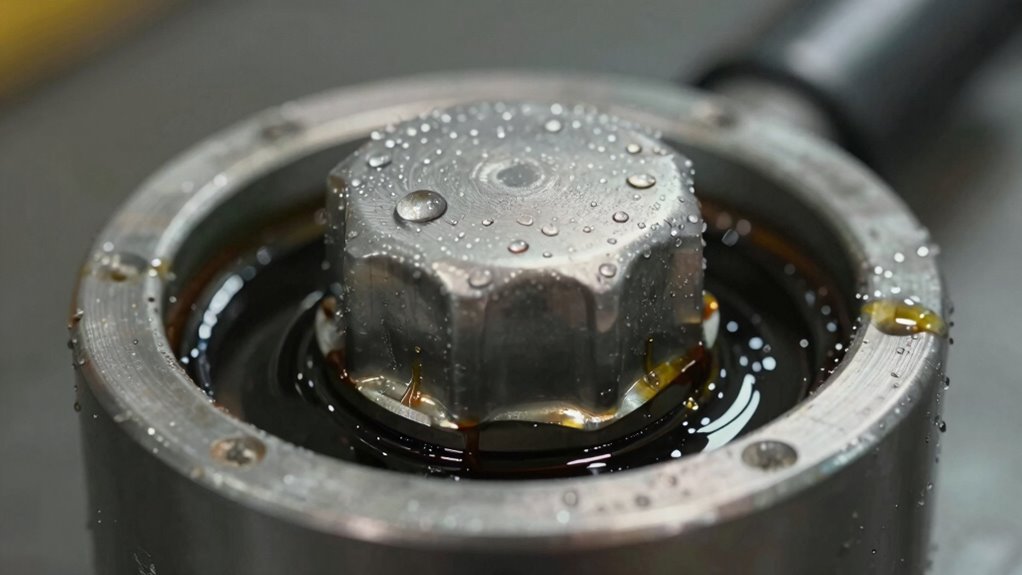
Have you ever considered how even tiny amounts of water can severely impact your gearbox’s performance? Water contamination can cause corrosion, reduce lubrication efficiency, and accelerate wear. These issues stem from the gear oil formulation’s inability to resist water penetration, especially when water resistant coatings break down. As water mixes with oil, it forms emulsions that compromise film strength, leading to metal-to-metal contact. This shortens your gearbox’s lifespan and increases maintenance costs. To prevent this, you need to understand how water ingress affects performance. Key risks include:
- Accelerated gear wear due to inadequate lubrication
- Corrosion of internal components
- Reduced operational reliability and increased downtime
Addressing these risks requires effective water management strategies to protect your gear oil and extend your equipment’s life.
Preventing Water Ingress: Best Strategies and Technologies
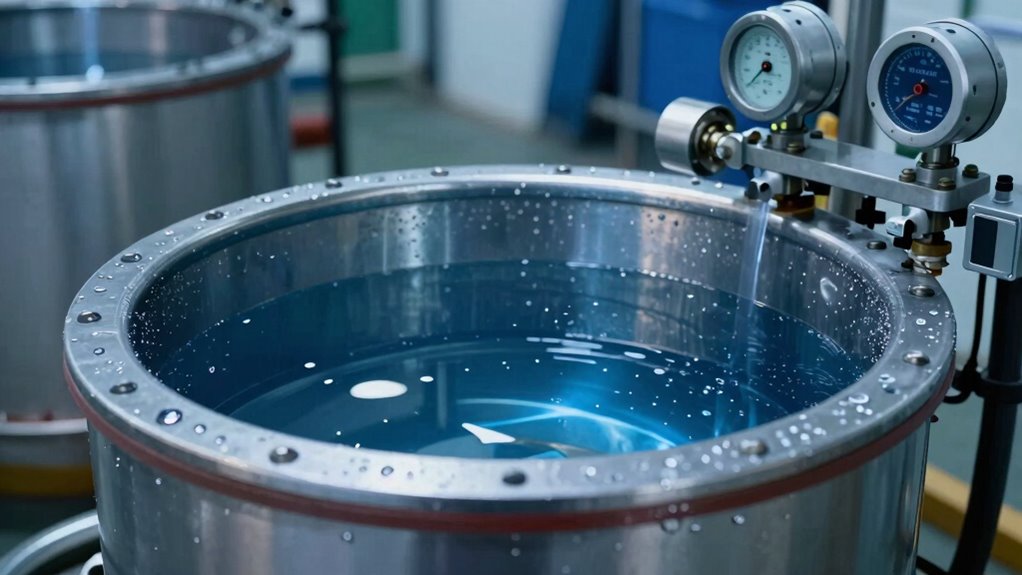
How can you effectively prevent water from entering your gear oil system? Start by implementing proper seals and sealing techniques to block ingress points. Regularly inspect and maintain these seals to guarantee they stay effective. Material selection plays an essential role; choose corrosion-resistant materials like stainless steel or specialized plastics for components exposed to moisture. Incorporating corrosion prevention coatings on metal parts helps protect against water-induced corrosion. Keep storage tanks and reservoirs sealed tightly and avoid exposure to humid environments. Using airtight enclosures minimizes air and moisture entry. Additionally, controlling ambient conditions around gearboxes reduces the risk of water ingress. By combining these strategies—robust sealing, strategic material choices, and environmental controls—you markedly cut down the chances of water contaminating your gear oil system.
Using Filtration and Separation Technologies to Remove Water
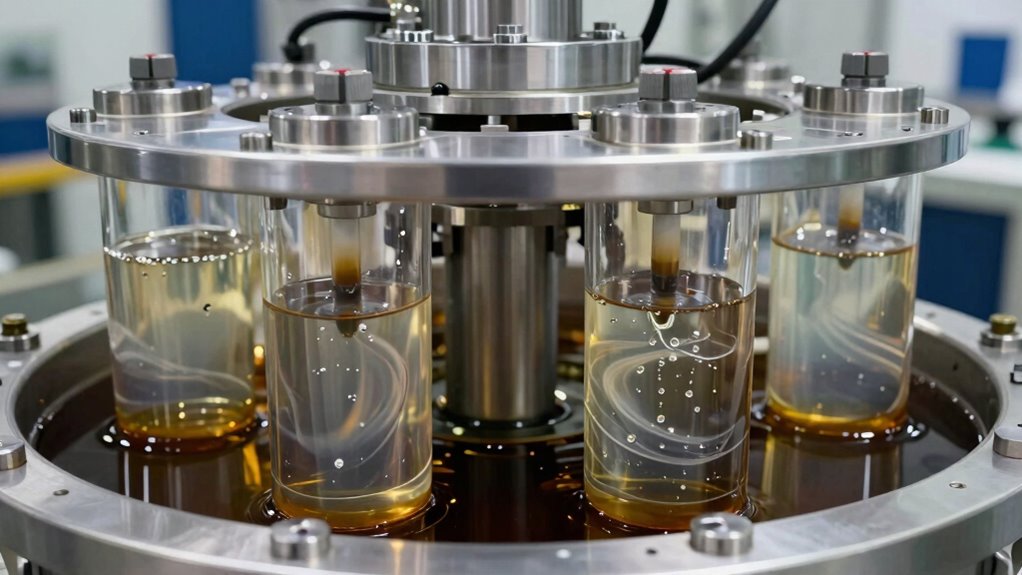
To effectively remove water from gear oil, you should leverage advanced filtration and separation technologies designed specifically for moisture removal. These filtration upgrades and separation techniques help maintain oil integrity and extend equipment life. Consider these methods:
Use advanced filtration and separation technologies to effectively remove water from gear oil and extend equipment life.
- Coalescing filters: Capture dispersed water droplets by combining them into larger volumes for easy removal.
- Centrifugal separators: Utilize centrifugal force to separate water from oil quickly and efficiently.
- Vacuum dehydration units: Remove dissolved and free water through vacuum distillation, ensuring thorough dewatering.
Implementing these technologies reduces water content, preventing corrosion, wear, and premature oil degradation. Regularly upgrading filtration systems and employing effective separation techniques are key to maintaining ideal gear oil performance and minimizing hidden water-related issues.
Managing Water Levels During Maintenance and Drains
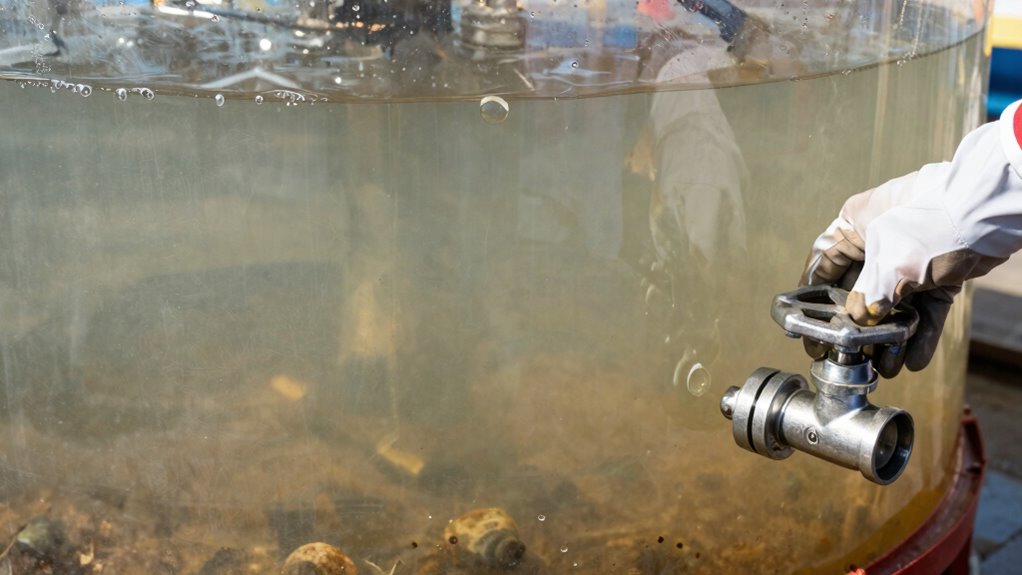
Effective management of water levels during maintenance and drain procedures is vital to prevent contamination and equipment damage. Before draining, verify the lubricant additives have maintained their protective qualities by checking water content levels. Proper gearbox sealing is essential to prevent water ingress during these operations. When draining gear oil, avoid rushing or incomplete procedures that can leave residual water or introduce new contaminants. Use clean, dry tools and containers to reduce the risk of water contamination. During refilling, verify that seals are intact and functioning correctly to maintain a barrier against moisture. Regularly monitor water levels post-maintenance to identify any unusual increases, which could compromise gear integrity. Proper water management during maintenance extends gear life and preserves ideal lubrication, preventing hidden drain interval issues.
What to Do When Water Is Detected in Gear Oil
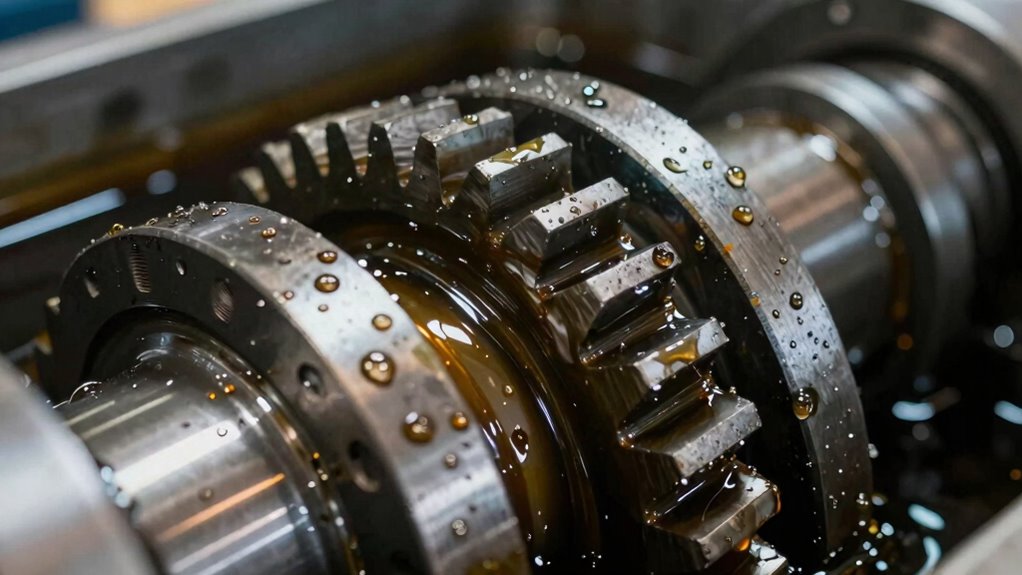
What should you do when water is detected in gear oil? First, identify the source of water intrusion, often caused by compromised gearbox sealing. Next, take immediate steps to drain and replace the contaminated oil to prevent damage. Finally, inspect and repair gearbox sealing to prevent future water ingress.
To effectively address water in gear oil, focus on these key actions:
- Drain the contaminated oil promptly to minimize wear.
- Check and improve gearbox sealing to prevent ongoing water intrusion.
- Implement regular monitoring to catch water contamination early.
Ignoring water in gear oil accelerates gear wear and shortens equipment life. By acting swiftly, you reduce the risk of costly repairs and extend the lifespan of your industrial gear systems.
Frequently Asked Questions
How Often Should Gear Oil Be Tested for Water Contamination?
You should test your gear oil for water contamination regularly, ideally every 3 to 6 months. Regular oil sampling helps you monitor contamination levels and detect water intrusion early. If your equipment operates in a high-moisture environment or shows signs of issues, increase testing frequency. Keeping a close eye on contamination levels allows you to prevent gear failure and extend oil drain intervals, saving money and reducing downtime.
Can Water Contamination Damage Gear Oil Beyond Repair?
A stitch in time saves nine, and water ingress can cause irreversible damage to your gear oil. Once water contaminates your oil, it accelerates oil degradation, weakening lubrication and increasing wear. If left unchecked, water contamination can damage gear oil beyond repair, leading to costly repairs or failures. Regular testing and proper water control measures are essential to prevent contamination and extend the life of your gear oil.
Are There Specific Additives That Prevent Water Ingress?
Yes, there are specific additives designed to prevent water ingress. Look for additive formulations that include water inhibiting agents, which create a barrier against moisture penetration. These additives help keep gear oil dry, reducing the risk of water contamination and extending oil life. Regularly check your lubricant’s additive package to verify it contains these water-resistant components, thereby protecting your gear system from water-related damage.
How Do Temperature Fluctuations Influence Water Absorption in Gear Oil?
Imagine riding your bicycle through unpredictable weather—temperature fluctuations directly affect water absorption in gear oil. When temperatures rise, water solubility increases, allowing more water to mix in; as it drops, water tends to separate and settle. These fluctuations cause inconsistent water levels, making it harder to control moisture. You need to monitor temperature changes carefully, knowing that they profoundly influence water ingress and the overall effectiveness of your gear oil.
What Are the Long-Term Effects of Undetected Water in Gear Systems?
If you leave water undetected in your gear system, you risk corrosion and lubrication degradation over time. Corrosion can weaken metal components, leading to costly repairs or failures. Meanwhile, water accelerates lubrication breakdown, reducing efficiency and increasing wear. These long-term effects compromise system reliability, cause unexpected downtime, and escalate maintenance costs. Regular water monitoring and proper water control are essential to prevent these hidden issues from damaging your gear equipment.
Conclusion
Don’t delay diagnosing and dealing with water in your gear oil. Diligent detection and decisive drainage prevent costly damage and downtime. By implementing effective filtration, monitoring methods, and maintenance practices, you’ll keep your gearboxes clean, compliant, and corrosion-free. Remember, water’s whispering presence can quickly become a costly catastrophe—so stay vigilant, verify, and vent any water worries before they worsen. Protect your equipment, prolong your profits, and promote peace of mind with proactive water control.
Halloween Picks
halloween
As an affiliate, we earn on qualifying purchases.